Automated Warehouse Companies: Complete Guide to Modern Storage Solutions and Benefits

All Categories

Get a Free Quote

Our representative will contact you soon.
Email
Name
Company Name
Message
0/1000

automated warehouse companies

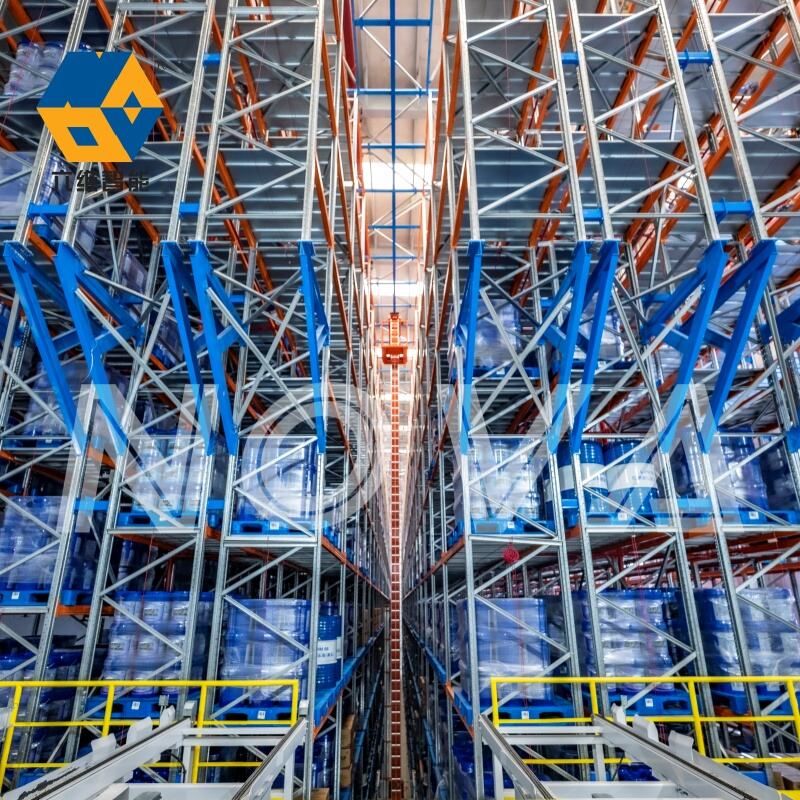
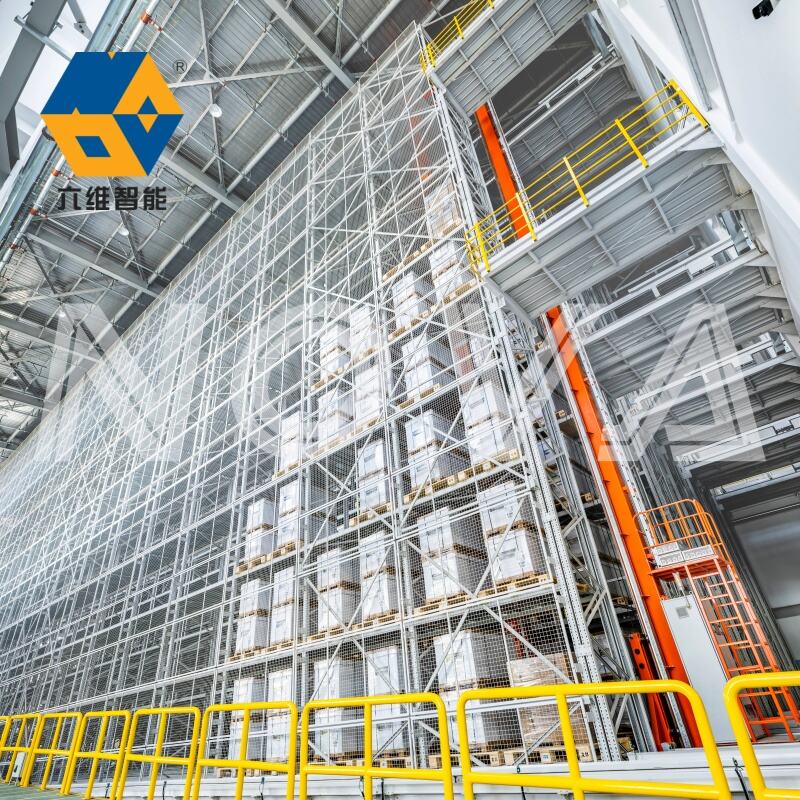
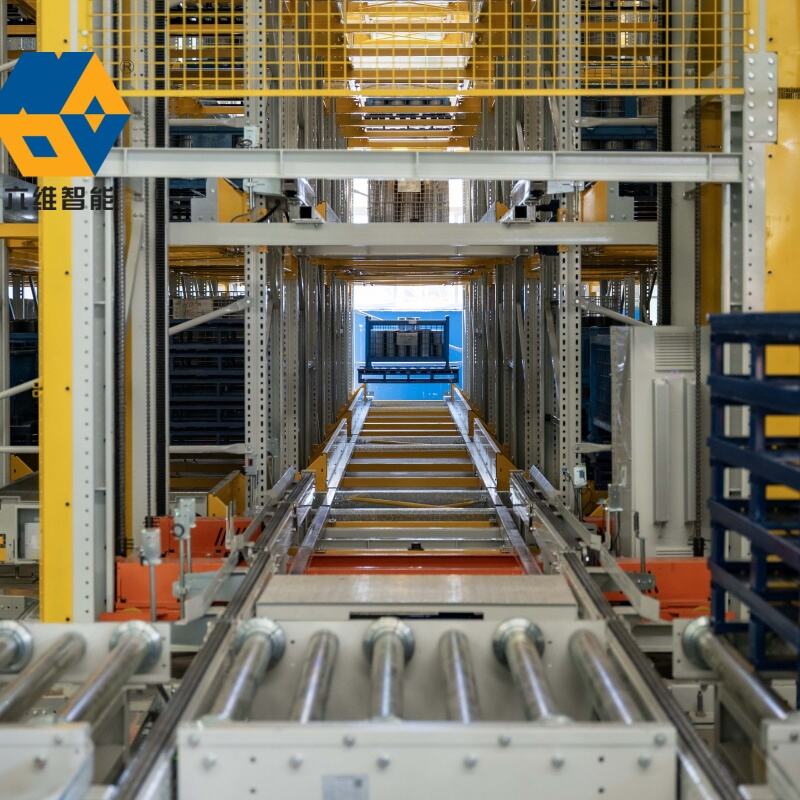
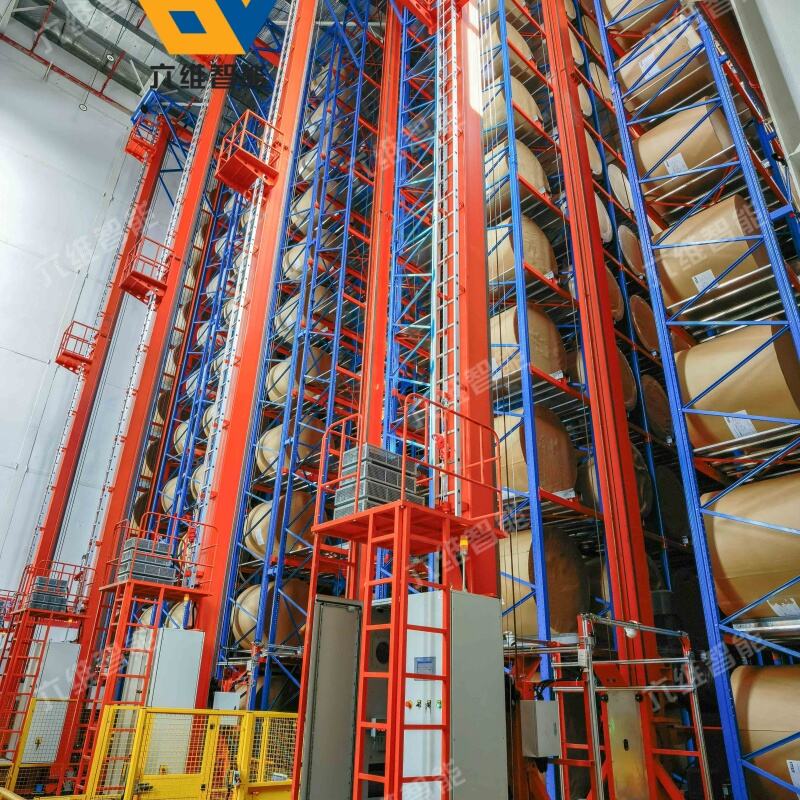
Automated warehouse companies represent the forefront of modern logistics and supply chain management, delivering cutting-edge solutions that transform traditional storage facilities into intelligent, self-operating systems. These specialized providers design, implement, and maintain sophisticated warehousing infrastructures that minimize human intervention while maximizing operational efficiency. The main functions of automated warehouse companies encompass complete warehouse design consultation, installation of robotic systems, integration of warehouse management software, and ongoing technical support services. Their technological features include advanced robotics such as automated guided vehicles, robotic picking arms, and conveyor systems that work in harmony with artificial intelligence algorithms. Machine learning capabilities enable these systems to optimize storage locations, predict inventory needs, and adapt to changing operational demands in real time. Automated warehouse companies deploy sensors and Internet of Things devices throughout facilities to monitor environmental conditions, track inventory movements, and ensure seamless coordination between different automated components. The applications span multiple industries including e-commerce fulfillment centers, pharmaceutical distribution, automotive parts storage, food and beverage logistics, and retail supply chains. These companies provide scalable solutions that accommodate businesses of varying sizes, from regional distributors to multinational corporations. Their systems can handle diverse product types, from small electronics to bulky furniture items, adapting storage strategies to match specific inventory characteristics. The integration capabilities extend to existing enterprise resource planning systems, transportation management platforms, and customer relationship management tools, creating unified operational ecosystems. Automated warehouse companies continuously innovate by incorporating emerging technologies such as drone inventory scanning, augmented reality for maintenance procedures, and predictive analytics for equipment servicing. Their comprehensive approach addresses every aspect of warehouse automation, from initial facility assessment through ongoing optimization, ensuring clients achieve maximum return on investment while maintaining flexibility for future expansion and technological upgrades.

New Product Recommendations

Automated warehouse companies deliver tangible benefits that directly impact your bottom line and operational capabilities. First and foremost, these providers dramatically reduce labor costs by replacing repetitive manual tasks with reliable mechanical systems that operate continuously without breaks, vacations, or shift changes. This cost reduction typically ranges from thirty to sixty percent of traditional warehouse labor expenses, providing substantial savings that quickly offset initial investment costs. The speed improvements these companies deliver are equally impressive, with order processing times often cut by half or more compared to manual operations. Your customers receive their products faster, leading to higher satisfaction rates and increased repeat business. Accuracy represents another crucial advantage, as automated warehouse companies implement systems that virtually eliminate picking errors, reducing mistake rates to below one percent compared to traditional three to five percent error rates in manual operations. This precision means fewer returns, less waste, and stronger customer relationships. Safety improvements cannot be overstated, as automated warehouse companies remove workers from dangerous tasks involving heavy lifting, high shelving, and forklift operation, significantly reducing workplace injuries and associated costs. Space utilization reaches new levels of efficiency through vertical storage solutions and optimized layout algorithms that these companies provide, often increasing storage capacity by forty to seventy percent within the same physical footprint. The scalability offered by automated warehouse companies allows your business to handle seasonal demand fluctuations without hiring temporary workers or compromising service quality during peak periods. Real-time visibility into inventory levels and locations becomes standard, enabling better decision-making and reducing both stockouts and excess inventory carrying costs. Energy efficiency improvements result from optimized climate control, LED lighting systems, and reduced need for heating in areas where humans no longer work regularly. Automated warehouse companies provide predictable operational costs through maintenance contracts and system reliability, making financial planning more straightforward. The competitive advantage gained through faster fulfillment, higher accuracy, and lower costs positions your business ahead of rivals still relying on outdated manual methods. Data collection and analysis capabilities built into these systems reveal operational insights previously impossible to obtain, driving continuous improvement initiatives. Employee satisfaction often increases as workers transition from physically demanding repetitive tasks to more engaging roles supervising and maintaining sophisticated equipment. The flexibility these companies build into their systems allows easy adaptation to new product lines, changing customer demands, or business model shifts without major operational disruptions or capital expenditures.

Tips And Tricks

Which Pallet Rack Designs Fit Different Warehouse Applications Best?

20

May

Which Pallet Rack Designs Fit Different Warehouse Applications Best?

Selecting the right pallet rack design is one of the most consequential decisions a warehouse manager or logistics planner can make. The wrong configuration leads to wasted vertical space, inefficient picking workflows, and even serious safety risks....
View More
How Does a Rack System Support Better Warehouse Safety Standards?

20

May

How Does a Rack System Support Better Warehouse Safety Standards?

Warehouse safety is a critical operational priority for any facility that handles significant volumes of inventory, equipment, or materials. At the center of most modern warehouse safety strategies is the rack system — a structural solution that orga...
View More
Which Heavy Duty Rack Configurations Suit Different Industries?

20

May

Which Heavy Duty Rack Configurations Suit Different Industries?

Choosing the right heavy duty rack configuration is one of the most consequential decisions a warehouse manager or operations director can make. The wrong choice leads to wasted floor space, inefficient picking workflows, and safety risks that compou...
View More
What Makes Automated Storage and Retrieval Systems Ideal for Modern Warehouses?

05

Feb

What Makes Automated Storage and Retrieval Systems Ideal for Modern Warehouses?

Modern warehouses face unprecedented challenges in managing inventory efficiently while meeting growing customer demands for faster delivery times. The implementation of an automated storage and retrieval system represents a transformative solution t...
View More

Get a Free Quote

Our representative will contact you soon.
Email
Name
Company Name
Message
0/1000

automated warehouse companies

Revolutionary Inventory Management Through Intelligent Automation Systems

Revolutionary Inventory Management Through Intelligent Automation Systems

Automated warehouse companies transform inventory management from a challenging operational burden into a seamless, self-optimizing process that provides unprecedented visibility and control. These specialized providers implement sophisticated warehouse management systems that communicate directly with robotic equipment, creating a synchronized ecosystem where every item is tracked from receiving through shipping. The intelligent algorithms deployed by automated warehouse companies analyze historical data, seasonal patterns, and real-time demand signals to determine optimal storage locations for each product. Fast-moving items automatically position themselves in easily accessible zones, while slower inventory moves to efficient long-term storage areas without manual intervention. This dynamic slotting capability ensures that your warehouse continuously adapts to changing business conditions, maintaining peak efficiency regardless of product mix fluctuations. The inventory accuracy achieved through these systems reaches levels previously considered impossible, with radio frequency identification tags and barcode scanners creating multiple verification points throughout the fulfillment process. Automated warehouse companies integrate cycle counting into regular operations, with robotic systems conducting continuous inventory audits without disrupting order fulfillment activities. This approach eliminates the need for disruptive annual physical inventories while maintaining financial accuracy and regulatory compliance. Real-time dashboards provided by these companies give managers instant visibility into stock levels, location data, and movement patterns across single or multiple facilities. Predictive analytics capabilities forecast inventory needs weeks or months in advance, enabling proactive purchasing decisions that prevent stockouts while minimizing excess inventory investment. Automated warehouse companies configure systems to automatically generate purchase orders when stock reaches predetermined reorder points, factoring in lead times, seasonal demand variations, and promotional activities. The integration with supplier systems creates seamless replenishment cycles that reduce manual communication and accelerate delivery timelines. Traceability features become critical for industries with strict regulatory requirements, as automated warehouse companies implement lot tracking and expiration date management that ensures first-expired-first-out rotation and instant recall capabilities. Temperature-sensitive products receive special monitoring through sensor networks that automated warehouse companies install throughout facilities, triggering alerts if conditions deviate from specified parameters. These comprehensive inventory management capabilities reduce carrying costs, improve cash flow, enhance customer service levels, and provide the data foundation for strategic business decisions.
Unmatched Operational Speed and Throughput Capacity Enhancement

Unmatched Operational Speed and Throughput Capacity Enhancement

Automated warehouse companies engineer solutions that fundamentally transform fulfillment speed, enabling businesses to process dramatically higher order volumes with consistent quality and reliability. The robotic systems these providers install operate at speeds that far exceed human capabilities, with some automated storage and retrieval systems moving at rates of four hundred cycles per hour compared to fifty to seventy cycles for manual operators. This velocity advantage compounds throughout the fulfillment process, as automated warehouse companies design workflows where multiple robotic units work simultaneously on different orders without coordination delays or congestion issues. Goods-to-person technology eliminates the time workers spend traveling warehouse aisles, instead bringing products directly to ergonomic packing stations where employees focus exclusively on value-added activities. Automated warehouse companies calculate that this approach reduces order fulfillment time by sixty to seventy percent while simultaneously decreasing worker fatigue and injury risk. The continuous operation capability represents another significant speed advantage, as the systems these companies provide run twenty-four hours daily without performance degradation, break requirements, or shift change interruptions. This round-the-clock productivity means that automated warehouse companies help clients process three times the daily order volume compared to traditional two-shift operations. Sorting and routing systems accelerate the consolidation of multi-item orders, with automated conveyor networks guided by intelligent software that determines optimal paths and prevents bottlenecks. Automated warehouse companies implement wave picking strategies where systems simultaneously gather items for multiple orders, then sort and consolidate them with remarkable speed and accuracy. During peak seasons or promotional events, the throughput advantages become even more pronounced, as automated warehouse companies design systems with surge capacity that activates additional robotic units or increases operating speeds without requiring temporary labor or overtime costs. The loading dock operations also benefit from automation, with systems that sequence outbound orders according to delivery routes and automatically build pallets optimized for truck space utilization. Automated warehouse companies integrate directly with transportation management systems, ensuring that completed orders immediately communicate with carriers for rapid pickup scheduling. Quality control processes embedded throughout automated workflows catch errors instantly rather than after shipping, preventing costly returns and maintaining customer satisfaction. The processing speed improvements delivered by automated warehouse companies create competitive advantages in markets where delivery time influences purchasing decisions, enabling same-day or next-day fulfillment capabilities that build customer loyalty and support premium pricing strategies.
Comprehensive Safety and Risk Mitigation Through Advanced Automation

Comprehensive Safety and Risk Mitigation Through Advanced Automation

Automated warehouse companies prioritize workplace safety and operational risk reduction through systematic elimination of hazardous tasks and implementation of fail-safe technologies that protect both personnel and inventory. Traditional warehouse operations expose workers to significant injury risks from repetitive motion disorders, falling objects, forklift accidents, and ergonomic strain from lifting heavy items. Automated warehouse companies address these dangers by deploying robotic systems that assume responsibility for the most physically demanding and hazardous activities. Material handling robots lift loads exceeding human capacity limitations, eliminating back injuries that represent one of the most common and costly workplace injury categories. The guided vehicle systems installed by automated warehouse companies incorporate sophisticated sensors and safety protocols that prevent collisions with personnel, structures, or other equipment, dramatically reducing the accident rates associated with traditional forklift operations. Automated warehouse companies design facilities with segregated zones where human workers and robotic systems operate in separate areas, coming together only at controlled interface points like packing stations with comprehensive safety features. Emergency stop systems, light curtains, and pressure-sensitive floor mats create multiple protective layers that immediately halt equipment operation if unauthorized personnel enter restricted zones. The reduced human presence in storage areas allows automated warehouse companies to optimize environmental conditions for product preservation rather than worker comfort, potentially operating refrigerated or climate-controlled zones at temperatures unsuitable for extended human exposure. Fire suppression systems become more effective in automated facilities, as the absence of workers in certain areas permits use of oxygen-reduction technologies that prevent fires without water damage risks to inventory. Automated warehouse companies implement comprehensive maintenance programs using predictive analytics that identify potential equipment failures before they occur, preventing unexpected breakdowns that could create safety hazards or operational disruptions. The cybersecurity measures these companies deploy protect against digital threats that could compromise system operations or expose sensitive business data, incorporating firewalls, intrusion detection, and regular security audits. Insurance costs frequently decrease when businesses partner with automated warehouse companies, as insurers recognize the reduced liability exposure from fewer workplace injuries and lower property damage risks. Regulatory compliance becomes more manageable through automated documentation systems that track safety inspections, maintenance activities, and training records required by occupational safety agencies. The business continuity advantages extend beyond daily operations, as automated warehouse companies design redundant systems and backup protocols that maintain critical functions during equipment failures, power outages, or other disruptions that would paralyze traditional warehouses. Employee morale and retention improve when automated warehouse companies help businesses transition workers from dangerous, physically exhausting tasks to safer supervisory and technical roles that offer better career development prospects and working conditions.

Get a Free Quote

Our representative will contact you soon.
Email
Name
Company Name
Message
0/1000

Get a Free Quote

Our representative will contact you soon.
Email
Name
Company Name
Message
0/1000