
 EN
EN
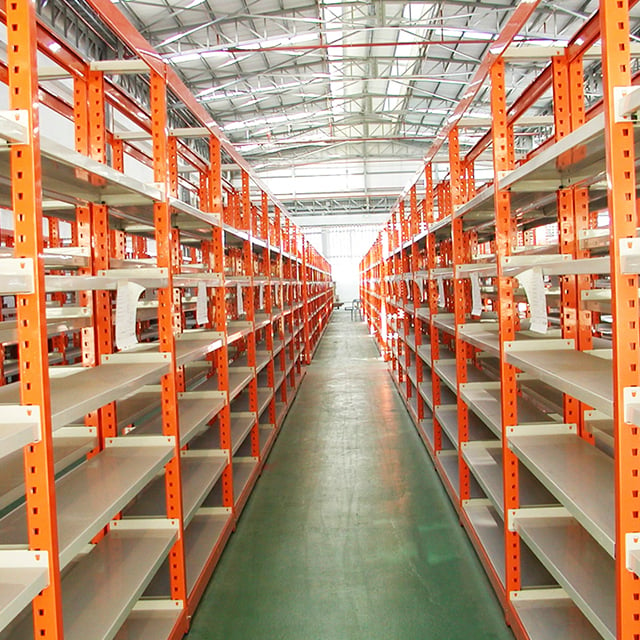
A well-organized warehouse does not happen by accident. It is the result of deliberate structural decisions, and the rack shelf plays a central role in making that organization possible. When goods are stored on a proper rack shelf system, floor clutter decreases, picking routes become more logical, and warehouse staff can move through the facility with greater speed and confidence. The rack shelf is not just a storage tool — it is a foundational element of warehouse layout design.
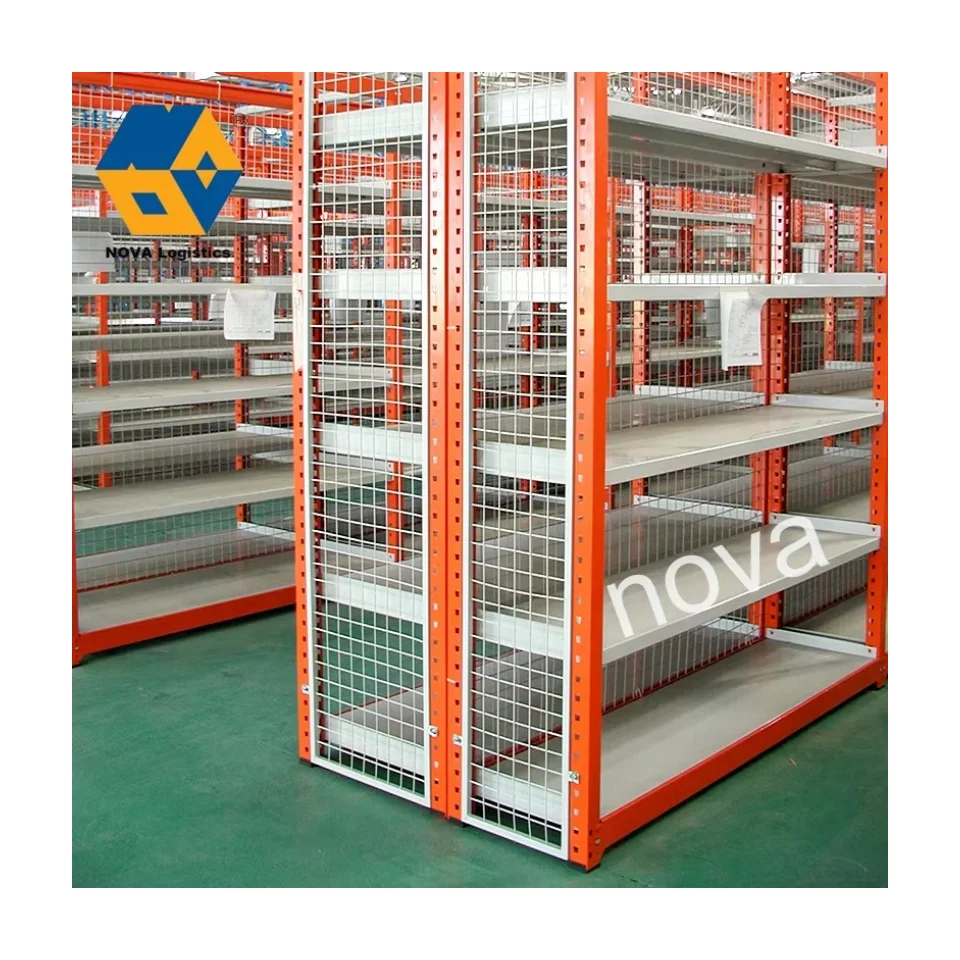
The connection between a rack shelf and cleaner warehouse organization is direct and measurable. When inventory sits on a rack shelf rather than stacked loosely on the floor, each item occupies a defined position. That defined position reduces time wasted searching for products, minimizes the risk of damage, and allows supervisors to maintain visual control over stock levels. A rack shelf system transforms an unstructured storage area into a readable, accessible, and manageable warehouse environment.
How a Rack Shelf Defines Storage Zones
Vertical Space Utilization Through Rack Shelf Design
One of the most immediate ways a rack shelf supports cleaner organization is by redirecting storage from the floor upward. A multi-level rack shelf system allows warehouses to use vertical height that would otherwise go unused. When goods are distributed across several rack shelf tiers, the floor remains clear for movement, forklift access, and emergency pathways. This vertical approach is especially valuable in facilities where square footage is limited but ceiling height is available.
Each rack shelf level can be designated for a specific product category, weight class, or turnover frequency. Fast-moving items occupy the most accessible rack shelf positions, while slower inventory moves to higher or lower tiers. This simple zoning logic, enabled entirely by the rack shelf structure, reduces unnecessary movement during order picking and keeps the warehouse floor clear of temporary storage piles that typically signal disorganization.
Consistent Positioning With an Adjustable Rack Shelf
An adjustable rack shelf gives warehouse managers the flexibility to reconfigure shelf heights without replacing the entire structure. As product dimensions change across different seasons or procurement cycles, the rack shelf can be modified to accommodate new load profiles. This adaptability prevents the common problem of mismatched storage where items do not fit properly on fixed shelves and end up being placed elsewhere on the floor.
When a rack shelf system can be adjusted to match actual inventory needs, every product has a logical home. That consistency is the foundation of clean warehouse organization. Workers know where to find items, managers can audit stock more efficiently, and the rack shelf continues to serve its purpose even as inventory mix evolves over time.
Rack Shelf Impact on Workflow and Access Efficiency
Improving Pick Path Efficiency With Rack Shelf Placement
A rack shelf does more than hold goods — it shapes how workers move through the warehouse. When rack shelf rows are arranged in logical picking sequences, staff can fulfill orders by traveling shorter distances and following predictable routes. This workflow benefit is a direct outcome of how the rack shelf system organizes product placement. Without a structured rack shelf layout, workers often backtrack across the warehouse, increasing the time per pick and raising the chance of errors.
A long span rack shelf configuration is particularly useful for storing large or bulky items that would otherwise take up significant floor space. By elevating these goods onto a rack shelf, the warehouse floor becomes walkable and navigable. The long span rack shelf distributes weight evenly across the beam structure, allowing heavy items to be stored safely above ground level and freeing aisle space for smooth operational flow.
Reducing Accidents Through Rack Shelf Structure
Clutter on the warehouse floor is one of the leading contributors to workplace accidents. A rack shelf system directly addresses this risk by removing goods from floor-level and placing them in stable, designated positions. When every pallet, box, or bin has a rack shelf location, there are no loose items sitting in walkways or blocking emergency exits. The rack shelf becomes a safety tool as much as a storage tool.
The structural integrity of a medium-duty rack shelf also matters in this context. A rack shelf that is properly loaded and maintained holds goods securely without risk of collapse or shifting. Workers can approach a rack shelf with confidence, retrieve items efficiently, and continue their workflow without interruption. Over time, this reliability reinforces a culture of organization that extends beyond the rack shelf itself to every area of the warehouse.
Long-Term Organization Benefits of a Rack Shelf System
Scalable Storage Capacity With a Rack Shelf Framework
Warehouse storage needs rarely stay constant. As businesses grow, inventory volumes increase and product ranges expand. A rack shelf system that can be extended or reconfigured allows the warehouse to scale its capacity without costly renovations. Additional rack shelf bays can be added alongside existing structures, creating new storage zones while maintaining the organizational logic already established. This scalability ensures that the warehouse remains orderly even as demands on it increase.
Investing in a rack shelf system early also sets a precedent for how storage is managed. Once staff understand that every item belongs on a rack shelf and that rack shelf positions are labeled and maintained, organizational habits form. These habits reduce the frequency of stock audits, simplify onboarding for new workers, and make the overall warehouse easier to manage. The rack shelf is the physical infrastructure that makes those good habits possible.
Visual Control and Inventory Accuracy With a Rack Shelf
A rack shelf layout supports visual inventory management. When goods are stored on a rack shelf with consistent spacing and clear face positions, stock levels are visible at a glance. Managers can identify gaps in the rack shelf that indicate low stock, spot misplaced items quickly, and conduct cycle counts without pulling goods from storage. This visual clarity is only possible when a rack shelf system provides defined, repeatable storage positions for every SKU in the warehouse.
Inventory accuracy improves significantly when a rack shelf system eliminates the ambiguity of informal storage. If every item has a rack shelf location and that location is consistently maintained, discrepancies between physical stock and system records are far easier to detect and correct. A rack shelf does not just organize the physical space — it also supports the data integrity that modern warehouse management systems depend on.
FAQ
What types of products are best suited for a rack shelf system?
A rack shelf system is suitable for a wide range of products including boxed goods, bagged materials, small machinery parts, and consumer packaged goods. An adjustable rack shelf is especially versatile because it accommodates varying load heights. A long span rack shelf is ideal for wider or bulkier items that require extended beam support. The key is matching the rack shelf specification to the actual load weight and dimensional profile of the products being stored.
How does a rack shelf differ from simple floor stacking?
Floor stacking places goods directly on the ground in stacked piles, which limits access to lower layers and increases the risk of damage and instability. A rack shelf elevates goods to accessible heights, separates stock into defined positions, and uses vertical space more efficiently. A rack shelf also improves airflow around stored goods, reduces contamination risk, and enables safer manual or mechanical retrieval. The organizational and safety advantages of a rack shelf over floor stacking are significant in any active warehouse.
How often should a rack shelf system be inspected?
A rack shelf system should be visually inspected on a regular basis, ideally weekly for high-traffic warehouses and monthly for lower-activity facilities. Inspections should check for beam deflection, upright damage, missing safety pins, and overloading signs on any rack shelf level. Any rack shelf component showing structural compromise should be taken out of service immediately and replaced before reloading. Consistent rack shelf maintenance is essential for both safety compliance and the long-term reliability of the storage system.