
 EN
EN
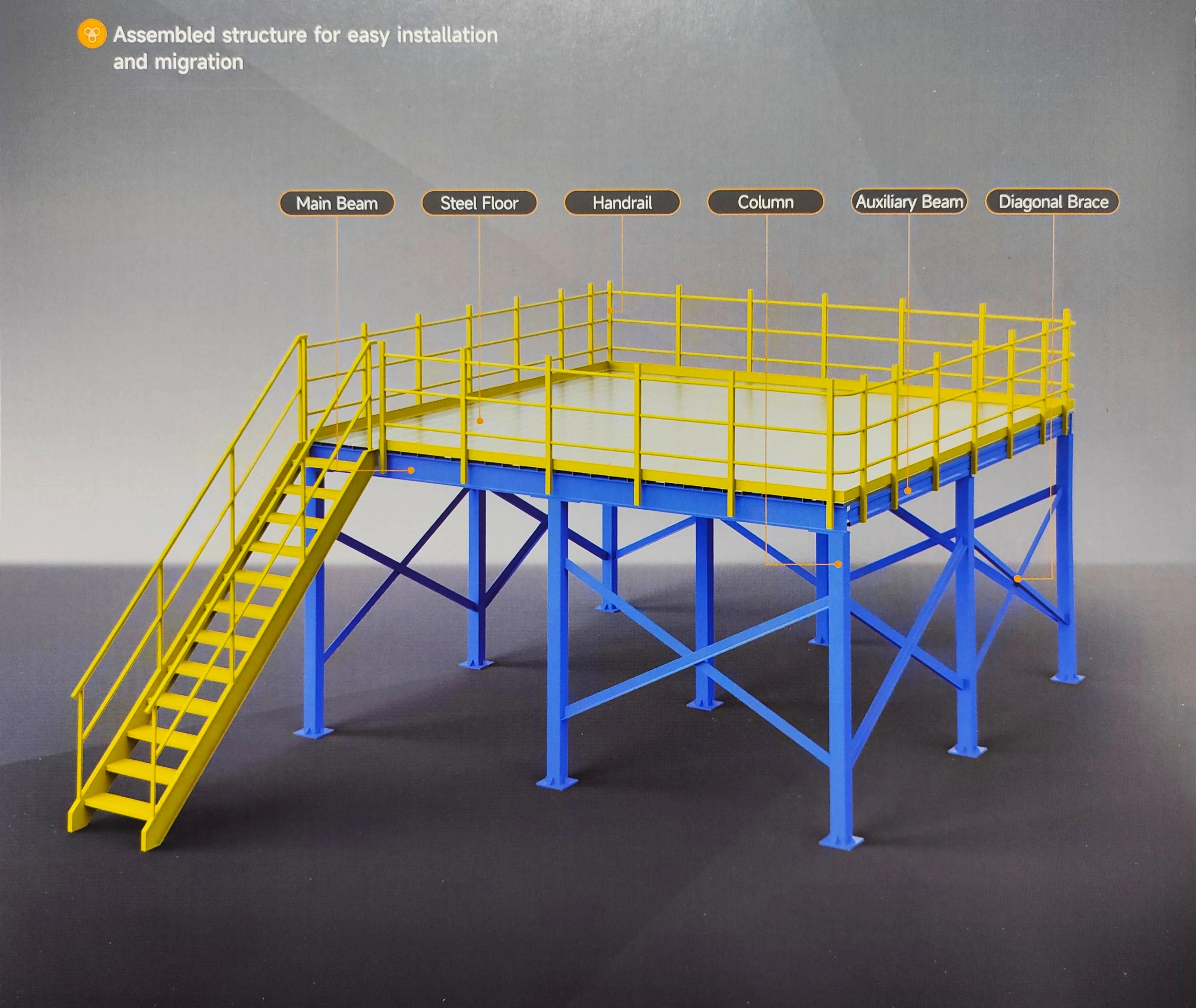
Industrial facilities worldwide rely on steel platforms to maximize vertical storage space and improve operational efficiency. These robust structures serve as elevated work areas, storage solutions, and access points in warehouses, manufacturing plants, and distribution centers. Proper installation of a steel platform requires meticulous attention to safety protocols, engineering specifications, and regulatory compliance to ensure worker protection and structural integrity throughout its operational lifespan.
The installation process demands comprehensive planning, skilled technicians, and adherence to established safety standards. Understanding the critical safety considerations before beginning any steel platform project can prevent accidents, reduce liability, and ensure long-term structural performance. This guide examines essential safety protocols, preparation requirements, and best practices for successful steel platform installation in industrial environments.
Pre-Installation Safety Assessment
Site Evaluation and Risk Analysis
Before installing any steel platform, conducting a thorough site evaluation identifies potential hazards and environmental factors that could impact worker safety. Professional engineers must assess floor loading capacity, ceiling clearances, and existing utility lines to determine optimal placement and design specifications. The evaluation process includes measuring available space, identifying structural support requirements, and analyzing traffic patterns to minimize disruption during installation.
Environmental conditions significantly influence installation safety protocols. Temperature fluctuations, humidity levels, and ventilation systems affect both worker comfort and material handling procedures. Documenting these conditions helps installation teams prepare appropriate safety equipment and adjust work schedules to avoid extreme weather periods that could compromise safety standards.
Regulatory Compliance and Permits
Obtaining proper permits and ensuring regulatory compliance forms the foundation of safe steel platform installation. Local building codes, OSHA regulations, and industry-specific standards dictate minimum safety requirements for elevated structures in commercial and industrial settings. Professional engineers must review applicable codes to ensure design specifications meet or exceed mandatory safety thresholds.
Documentation requirements include structural calculations, load distribution analyses, and safety factor verifications. These documents serve as reference materials during installation and provide legal protection for facility owners. Working with certified engineers and licensed contractors ensures compliance with all applicable regulations while maintaining the highest safety standards throughout the project lifecycle.
Personal Protective Equipment Requirements
Essential Safety Gear for Installation Teams
Installation personnel must wear appropriate personal protective equipment throughout the entire steel platform assembly process. Hard hats, safety glasses, and steel-toed boots provide basic protection against falling objects and impact injuries. High-visibility clothing ensures team members remain visible to equipment operators and other workers in busy industrial environments.
Fall protection equipment becomes critical when working at elevated heights during steel platform installation. Full-body harnesses, lanyards, and anchor points must meet ANSI standards and receive regular inspection to ensure proper functionality. Training programs help workers understand proper harness fitting, anchor point selection, and emergency procedures in case of equipment failure.
Specialized Equipment for Steel Platform Work
Heavy lifting operations require specialized protective equipment beyond standard PPE. Cut-resistant gloves protect hands during material handling, while back support belts reduce injury risk when maneuvering steel components. Respiratory protection may be necessary in environments with airborne particles or chemical exposures during surface preparation activities.
Communication equipment ensures coordination between team members working at different elevations. Two-way radios or hands-free communication systems allow real-time coordination during critical lifting operations. Emergency communication protocols establish clear procedures for requesting assistance or reporting safety incidents during installation activities.
Structural Safety Considerations
Foundation and Support Requirements
Proper foundation preparation ensures long-term stability and safety of the steel platform installation. Concrete footings must cure completely before beginning assembly, and anchor bolt placement requires precise measurement to ensure proper alignment with steel components. Foundation settlement or movement can compromise structural integrity and create dangerous working conditions.
Load distribution calculations determine appropriate support column spacing and beam sizing for the intended application. These calculations account for dead loads, live loads, and dynamic forces that occur during normal operations. Professional engineers verify that foundation systems can accommodate maximum design loads with appropriate safety factors to prevent structural failure.
Connection Integrity and Quality Control
Bolted connections require proper torque specifications and regular inspection to maintain structural integrity throughout the steel platform lifecycle. Installation teams must use calibrated torque wrenches and follow manufacturer specifications for all fasteners. Connection points represent critical stress concentration areas where improper installation can lead to catastrophic failure.
Welded connections demand certified welders and non-destructive testing procedures to verify joint quality. Visual inspection, magnetic particle testing, or ultrasonic examination identifies potential defects that could compromise safety. Quality control documentation provides traceability and ensures all connections meet applicable welding codes and standards.
Installation Sequence and Safety Protocols
Systematic Assembly Procedures
Following a predetermined assembly sequence minimizes safety risks and ensures efficient steel platform installation. Typically, foundation components and support columns are installed first, followed by horizontal beams and decking materials. This systematic approach provides stable work platforms at each stage while maintaining structural stability throughout the construction process.
Temporary bracing systems provide additional stability during assembly operations. These temporary supports prevent lateral movement and reduce the risk of structural collapse during critical installation phases. Bracing remains in place until permanent connections achieve full strength and the steel platform can support design loads independently.
Lifting and Material Handling Safety
Crane operations and material handling present significant safety hazards during steel platform installation. Certified crane operators must follow established lift plans and maintain clear communication with ground personnel throughout lifting operations. Load calculations include component weight, rigging equipment, and dynamic factors that occur during movement.
Exclusion zones around crane operations protect personnel from falling objects and equipment movement. These zones must be clearly marked and enforced throughout the installation process. Spotters and signal persons help crane operators navigate tight spaces and avoid contact with existing structures or utilities during steel platform assembly.
Post-Installation Safety Verification
Inspection and Testing Procedures
Comprehensive inspection procedures verify that the completed steel platform meets all safety requirements and design specifications. Visual inspections identify obvious defects, while non-destructive testing methods reveal hidden flaws in welds or connections. Load testing demonstrates the platform's ability to support design loads safely under controlled conditions.
Documentation of inspection results provides ongoing safety assurance and supports maintenance planning activities. Inspection reports identify any deficiencies requiring correction before placing the steel platform into service. Regular follow-up inspections ensure continued safety performance throughout the structure's operational life.
Safety Training and Operational Guidelines
Worker training programs ensure safe operation of the newly installed steel platform. Training covers load limits, access procedures, and emergency evacuation protocols specific to the installed configuration. Workers must understand weight restrictions, prohibited activities, and proper use of safety equipment when working on elevated platforms.
Operational safety guidelines establish clear procedures for routine maintenance, inspection, and emergency response activities. These guidelines include lockout/tagout procedures for maintenance work, emergency contact information, and evacuation procedures. Regular safety meetings reinforce proper procedures and address any safety concerns that arise during normal operations.
Maintenance and Long-Term Safety
Preventive Maintenance Programs
Regular maintenance programs ensure continued safety and performance of steel platform installations. Preventive maintenance schedules include connection inspections, coating touch-up, and structural assessments to identify potential problems before they compromise safety. Early detection of wear or damage allows for timely repairs that prevent more serious structural issues.
Maintenance personnel require specialized training to recognize signs of structural deterioration or connection loosening. Proper maintenance procedures protect both the maintenance workers and regular platform users from safety hazards. Maintenance records document completed work and provide historical data for planning future maintenance activities.
Ongoing Safety Monitoring
Continuous safety monitoring identifies changing conditions that could affect steel platform performance. Regular inspections check for signs of overloading, unauthorized modifications, or environmental damage that could compromise structural integrity. Monitoring programs adapt to changing facility operations and evolving safety requirements.
Safety performance metrics track incident rates, near-miss reports, and maintenance requirements to identify trends and improvement opportunities. These metrics help facility managers make informed decisions about safety investments and training needs. Benchmark comparisons with industry standards provide additional insight into safety performance effectiveness.
FAQ
What qualifications should installers have for steel platform projects
Steel platform installers should possess relevant certifications in structural steel erection, fall protection, and crane operations. Professional engineers must review and approve all installation plans, while certified welders handle any field welding requirements. Installation supervisors should have extensive experience with similar projects and current safety training certifications.
How often should steel platforms undergo safety inspections
Steel platforms require annual comprehensive inspections by qualified structural engineers, with monthly visual inspections by facility personnel. High-usage installations may need more frequent inspections depending on loading conditions and environmental factors. Any signs of damage, excessive deflection, or connection problems warrant immediate professional evaluation regardless of scheduled inspection intervals.
What are the most common safety violations during steel platform installation
Common violations include inadequate fall protection, improper lifting procedures, and failure to follow established safety protocols. Workers sometimes bypass safety equipment to save time, creating unnecessary risks. Inadequate communication between team members during lifting operations also contributes to safety incidents during steel platform installation projects.
Can existing steel platforms be modified safely after installation
Modifications to existing steel platforms require professional engineering analysis to ensure continued structural integrity and safety compliance. Any changes to loading conditions, access points, or structural configuration must be properly designed and approved before implementation. Unauthorized modifications can compromise safety and void insurance coverage for the facility.