
 EN
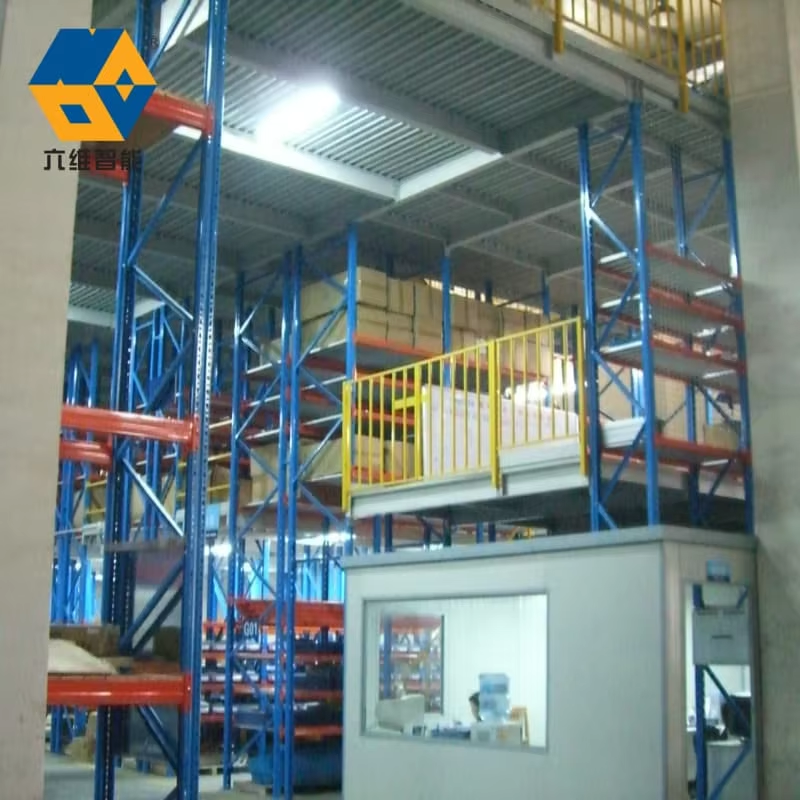
A well-maintained mezzanine is the backbone of an efficient and safe warehouse operation. Over time, industrial mezzanines experience stress from heavy loads, environmental factors, and constant use, which can compromise structural integrity if proper care is neglected. Understanding and implementing effective mezzanine maintenance methods is essential for any facility manager or warehouse operator who wants to extend equipment lifespan, reduce downtime, and protect employee safety. This guide explores the critical maintenance methods that directly improve mezzanine structural stability and keep your facility operating at peak performance.
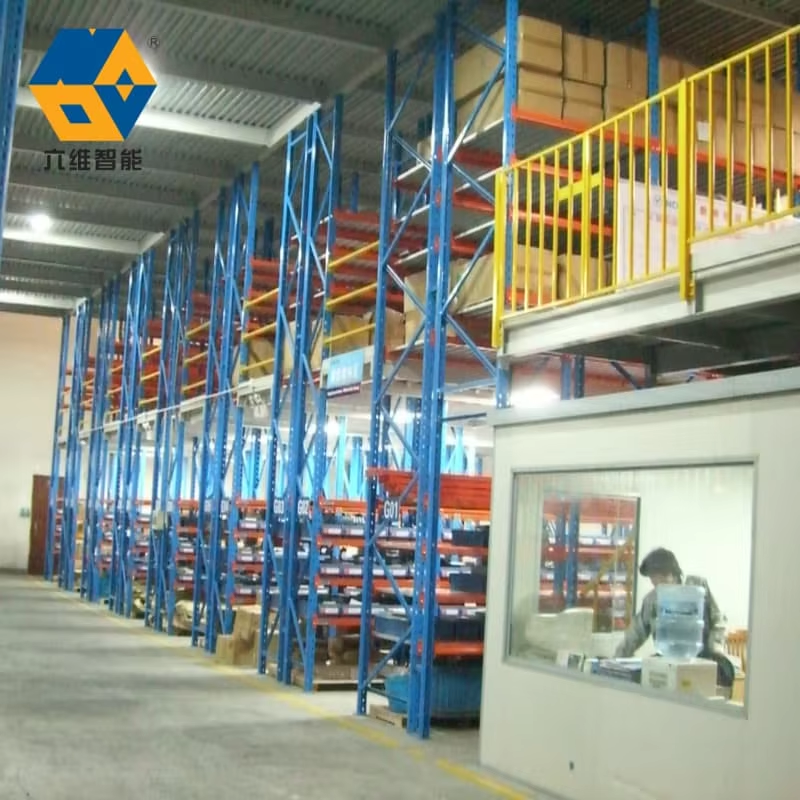
Investing in mezzanine maintenance is not optional—it's a strategic business decision. Regular maintenance prevents costly repairs, unexpected failures, and potential safety incidents that could disrupt operations and damage your reputation. The methods discussed throughout this article provide a practical roadmap for maintaining mezzanine systems that perform reliably under demanding industrial conditions.
Regular Inspection Protocols for Mezzanine Assessment
Establishing a Systematic Inspection Schedule
Every mezzanine requires a structured inspection schedule tailored to its usage intensity and environmental conditions. A comprehensive mezzanine inspection program should include monthly visual checks for obvious damage, quarterly detailed assessments of structural connections, and annual professional evaluations by qualified engineers. During each mezzanine inspection cycle, document findings in a maintenance log to track patterns and identify emerging issues before they escalate into serious structural problems. Visual inspections should focus on welds, bolts, support columns, floor decking, railings, and any visible signs of corrosion or deformation that could indicate mezzanine structural instability.
Identifying Critical Damage Indicators
Knowing what to look for during a mezzanine inspection separates preventive maintenance from reactive emergency repairs. Common warning signs include visible rust or corrosion on structural steel, loose or missing bolts at connection points, cracks or bending in support beams, sagging or uneven floor decking, and deterioration of welds. Any mezzanine showing these indicators requires immediate attention and may need load restrictions until repairs are completed. Trained personnel should document the location, severity, and nature of each defect found during mezzanine maintenance inspections to prioritize repair work effectively.
Corrosion Prevention and Steel Treatment Methods
Implementing Protective Coating Systems
Rust and corrosion are silent destroyers of mezzanine structural stability, particularly in humid, chemical-rich, or salt-air environments. Protective coating systems form a barrier between steel surfaces and moisture or corrosive agents. Quality mezzanine systems should include shop-applied epoxy or polyurethane coatings, with touch-up provisions for field-welded connections and bolt installations. Every three to five years, depending on environmental severity, a mezzanine may require recoating or surface preparation to maintain its protective layer. Choosing weather-resistant coatings specifically engineered for industrial mezzanines ensures that your investment in structural protection delivers long-term value and prevents rapid deterioration.
Addressing Environmental Corrosion Factors
The environment surrounding your mezzanine dictates specific maintenance protocols. Facilities near ocean air, chemical plants, or with high humidity require more aggressive mezzanine maintenance strategies than dry indoor warehouses. Increased inspection frequency and more durable coating systems protect mezzanine installations in harsh environments from accelerated corrosion. Additionally, managing moisture through proper ventilation and drainage around mezzanine support columns reduces the risk of rust formation and preserves structural integrity. Environmental factors must be factored into every mezzanine maintenance plan to ensure structural stability regardless of external conditions.
Load Management and Structural Reinforcement Techniques
Verifying Load Capacity and Distribution
A mezzanine designed for specific load ratings can suffer structural instability if weight limits are exceeded or loads are distributed unevenly across the platform. Regular mezzanine maintenance includes verifying that stored items do not exceed design capacity and that weight is distributed according to engineering specifications. Implementing inventory management systems that track load placement helps prevent localized stress that could lead to uneven settlement, floor deflection, or even structural failure. Periodic professional assessments confirm that mezzanine load-bearing capacity remains adequate for your current operational demands and that structural integrity is not compromised by changing usage patterns.
Strategic Reinforcement and Upgrade Planning
Over time, operational needs change and mezzanine systems may require reinforcement to handle increased loads or extended use. Preventive reinforcement—adding bracing, strengthening connections, or upgrading support columns—extends mezzanine service life and maintains structural stability as demands evolve. Professional engineering consultation should guide any major modifications to your mezzanine structure to ensure upgrades meet current safety standards and do not compromise existing stability. Strategic reinforcement prevents the need for complete system replacement and maximizes the return on your original mezzanine investment.
Bolt Inspection, Fastener Maintenance, and Connection Integrity
Routine Fastener Assessment and Tightening
Bolts, nuts, and fasteners are the critical link between mezzanine structural components, and even small amounts of loosening can cascade into serious stability issues. Monthly mezzanine maintenance should include visual inspection of all accessible bolts and fasteners to identify loose or missing pieces. Vibration from daily operations naturally causes fasteners to loosen over time, making routine tightening an essential component of mezzanine maintenance protocols. Using the correct torque specifications—documented in your mezzanine design and maintenance records—ensures proper clamping force without over-tightening, which could damage threads or weaken connections. Systematic fastener management prevents connection degradation and maintains structural alignment across your entire mezzanine system.
Professional Connection Audits and Remediation
Annual or semi-annual professional audits of mezzanine connections reveal issues that routine visual inspection might miss. Qualified structural engineers can assess bolt tension, weld integrity, and connection alignment using specialized equipment and expertise. During these professional mezzanine assessments, technicians identify corroded fasteners requiring replacement, loose connections needing reinforcement, and any welds showing signs of cracking or stress. Addressing connection issues identified during professional mezzanine inspections prevents sudden failures and maintains the structural stability required for safe operations. Investing in these audits is far more cost-effective than managing emergency repairs or dealing with safety incidents resulting from connection failures.
FAQ
How often should a mezzanine undergo structural inspection?
A comprehensive mezzanine maintenance program should include monthly visual inspections, quarterly detailed assessments of connections and welds, and professional engineering evaluations at least annually. Heavy-use facilities, harsh environments, or mezzanines handling maximum design loads may require more frequent professional mezzanine inspections. This tiered approach catches emerging issues early and maintains structural stability through consistent monitoring and preventive action.
What costs should I expect for mezzanine maintenance?
Mezzanine maintenance costs vary based on system size, age, environmental conditions, and current structural condition, but typically range from 5-15% of the original installation cost annually. Preventive mezzanine maintenance programs actually reduce total lifecycle costs by avoiding expensive emergency repairs, extended downtime, and potential safety liability. Professional mezzanine inspections and routine fastener tightening represent modest investments compared to the expense of partial or complete system replacement due to neglected maintenance.
Can poorly maintained mezzanines create safety liabilities?
Yes, structural failures resulting from inadequate mezzanine maintenance can cause serious injuries, fatalities, and significant legal liability. Facilities are responsible for maintaining mezzanine systems in safe working condition, and documented negligence in mezzanine maintenance can result in substantial fines and lawsuits. Regular mezzanine inspections, documented maintenance activities, and prompt repairs demonstrate due diligence and protect both employee safety and organizational liability exposure.