
 EN
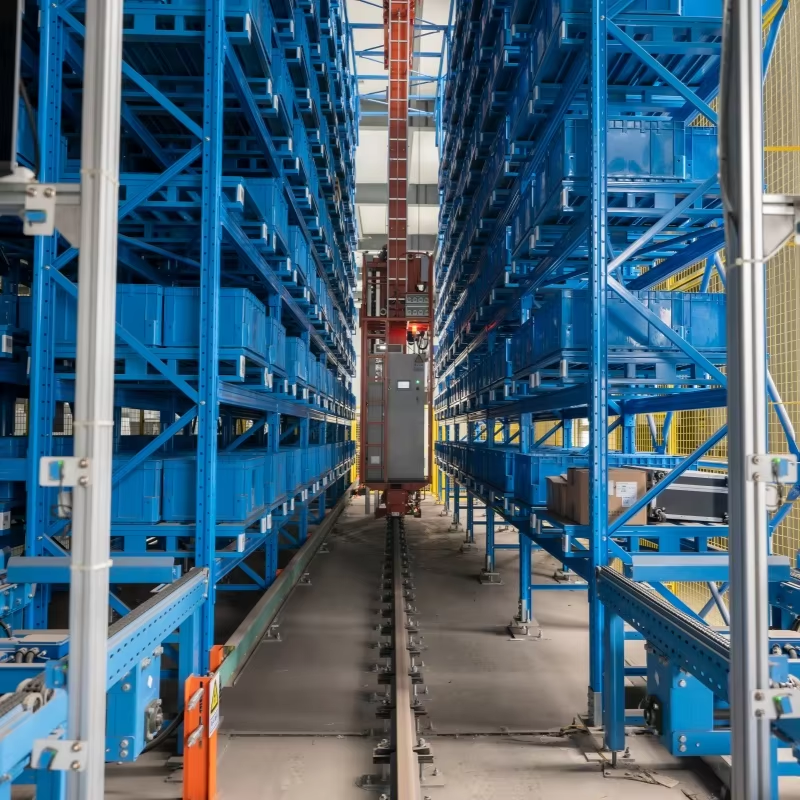
Miniload technology represents a fundamental shift in how warehouses and distribution centers manage inventory at scale. As businesses face mounting pressure to increase throughput while reducing operational costs, miniload systems have become indispensable components of modern automated storage solutions. Understanding why miniload technology matters requires examining both the operational challenges it solves and the competitive advantages it delivers in today's fast-paced supply chain environment.
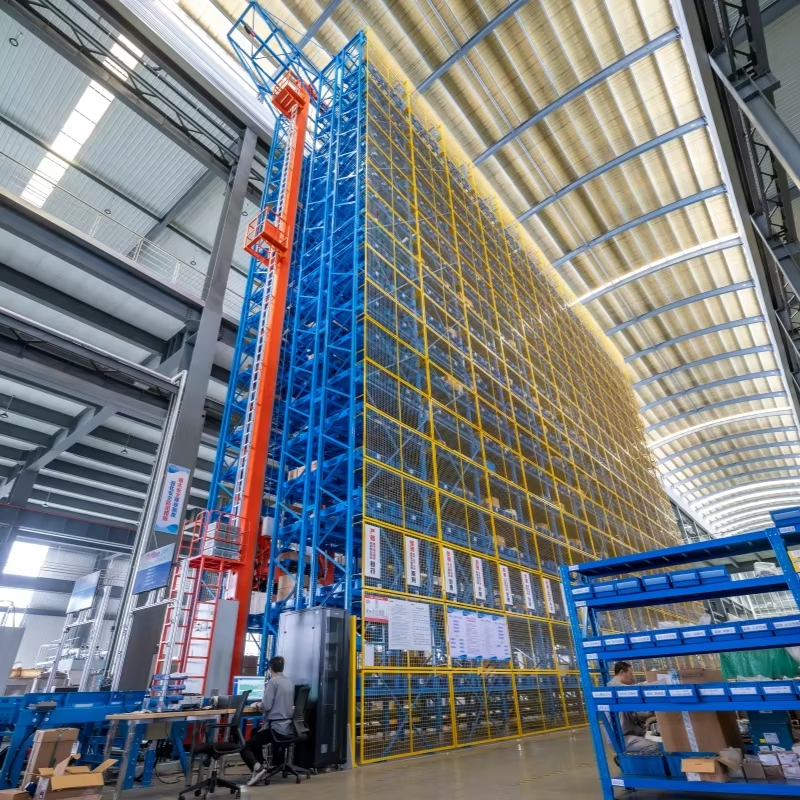
The importance of miniload technology extends far beyond simple inventory storage. Miniload systems fundamentally transform how organizations approach warehouse design, labor allocation, and order fulfillment speed. By automating the retrieval and placement of smaller items and cartons, miniload technology enables facilities to process orders faster, maintain tighter inventory controls, and maximize storage density in ways that manual or partially automated systems simply cannot match. This technological advancement has become a cornerstone of competitive advantage in retail, e-commerce, food and beverage, and pharmaceutical industries.
The Core Value of Miniload Technology in Warehouse Operations
Space Optimization and Storage Density
Miniload technology delivers exceptional space utilization by enabling vertical integration of automated storage. Traditional warehouse layouts require significant aisle space and lower storage heights to accommodate manual picking and placement. In contrast, miniload systems stack items vertically to heights that would be impossible for human workers to safely access manually. A miniload automated storage system can increase usable storage capacity by 40 to 60 percent compared to conventional racking, making miniload solutions particularly valuable in high-rent urban markets or facilities facing space constraints.
The efficiency gains from miniload technology are quantifiable and immediate. By concentrating storage volume and automating the positioning of items, miniload systems eliminate wasted aisle space and reduce the footprint required for inventory management. For businesses storing thousands of SKUs with varying demand patterns, miniload technology ensures that frequently accessed items remain readily available while slower-moving inventory utilizes upper storage levels without creating accessibility bottlenecks.
Speed and Accuracy in Order Fulfillment
Miniload technology accelerates order picking cycles by mechanizing item retrieval. Where manual picking might require workers to navigate aisles, climb ladders, and hand-sort items, a miniload system handles this workflow automatically. The speed advantage of miniload technology translates directly into faster order fulfillment, reduced labor hours per transaction, and improved service level attainment. Many miniload installations reduce picking cycle times by 50 percent or more compared to traditional methods.
Error reduction is another critical value driver for miniload technology. Automated picking eliminates human judgment errors, misplacements, and counting mistakes that plague manual warehouse operations. The precision of miniload systems ensures that orders ship accurately the first time, reducing costly returns and damage claims. For businesses operating on thin margins, the combination of speed and accuracy that miniload technology provides creates substantial competitive differentiation.
Miniload Technology's Role in Labor and Cost Management
Reducing Operational Labor Burden
The labor shortage facing modern warehouses makes miniload technology increasingly critical. Hiring, training, and retaining warehouse workers has become expensive and uncertain, particularly in tight labor markets. Miniload systems address this challenge by automating routine, repetitive tasks that are both physically demanding and difficult to staff consistently. By implementing miniload technology, facilities can maintain or increase throughput while reducing their reliance on manual labor, allowing existing staff to focus on higher-value activities like quality control, exception handling, and strategic planning.
Beyond headcount reduction, miniload technology improves worker safety and job satisfaction. Manual picking in high-density environments creates repetitive strain injuries and fall hazards that miniload systems virtually eliminate. Workers operating miniload technology perform supervisory and maintenance functions rather than exhausting physical labor, creating more sustainable long-term employment prospects. The adoption of miniload technology therefore addresses both cost control and human resource challenges simultaneously.
Capital Investment and Long-Term Economics
While miniload technology requires significant upfront capital investment, the long-term economic case is compelling for most high-volume operations. Miniload systems typically achieve payback within three to five years through labor savings, increased throughput capacity, and reduced facility expansion needs. The total cost of ownership favors miniload technology substantially when operators factor in avoided real estate costs, reduced inventory carrying costs from improved turnover, and lower damage rates.
Scalability is another economic advantage of miniload technology. As business volume increases, miniload systems can expand their capacity through additional storage modules, additional cranes, or enhanced software optimization without requiring the proportional real estate and infrastructure investments that manual operations demand. This scalability makes miniload technology particularly attractive for growing e-commerce and omnichannel retail businesses facing unpredictable but generally upward demand trajectories.
Miniload Technology's Integration with Modern Supply Chain Systems
Connectivity and Real-Time Inventory Management
Contemporary miniload technology integrates seamlessly with warehouse management systems (WMS), enterprise resource planning (ERP) platforms, and real-time inventory tracking. This connectivity transforms miniload systems from isolated automation components into strategic nerve centers of the entire supply chain. Miniload technology provides millisecond-accurate inventory visibility, enabling demand-driven replenishment and just-in-time delivery strategies that manual systems cannot support.
The data generated by miniload technology drives continuous operational improvement. Miniload systems capture detailed metrics on retrieval frequency, throughput, utilization rates, and performance anomalies that warehouse managers can analyze to optimize operations. This analytics capability means that miniload technology becomes more efficient over time as algorithms adapt to demand patterns and operational changes, creating a virtuous cycle of improving performance.
Omnichannel and E-Commerce Demands
Modern consumers expect fast, accurate delivery from multiple channels, and miniload technology enables this level of service. Whether fulfilling large bulk orders, individual e-commerce shipments, or retailer-specific allocations, miniload systems handle the complexity automatically. The flexibility of miniload technology allows operations to process heterogeneous order types efficiently without creating separate fulfillment streams or complex manual coordination.
Miniload technology addresses the volatile demand patterns characteristic of e-commerce and seasonal retail. When order volumes spike, miniload systems maintain consistent cycle times and accuracy despite the increased throughput, whereas manual operations typically deteriorate under peak load. This resilience makes miniload technology essential infrastructure for businesses competing in markets where demand variability is the norm rather than the exception.
FAQ
What specific industries benefit most from miniload technology?
Miniload technology delivers exceptional value in industries with high SKU counts, rapid order cycles, and demanding accuracy requirements. E-commerce fulfillment, food and beverage distribution, pharmaceutical warehousing, and specialized retail all depend heavily on miniload systems. However, miniload technology also benefits industries like automotive parts distribution, electronics manufacturing, and apparel warehousing where throughput and accuracy are critical competitive factors. Any operation processing hundreds of orders daily with thousands of SKUs should evaluate miniload technology seriously.
How does miniload technology compare to other automation approaches?
Miniload technology occupies a strategic middle ground in automation strategies. It provides substantially greater throughput and space efficiency than manual or semi-automated operations, while requiring less capital and complexity than fully integrated robotic systems. For operations with SKU counts between 10,000 and 100,000 and order volumes exceeding 5,000 daily transactions, miniload technology typically delivers superior economics and operational performance. The adaptability of miniload systems to changing product dimensions and order patterns also makes miniload technology more flexible than highly specialized automation solutions.
What implementation timeline should businesses expect for miniload technology?
Miniload technology installation typically requires four to nine months from project initiation to full operational deployment, depending on facility complexity, system scale, and software integration requirements. The miniload implementation process includes facility assessment, system design, equipment procurement, installation, testing, and staff training. Careful project planning and vendor partnership are essential to ensure that miniload technology deployment stays on schedule and delivers expected performance outcomes. Planning for adequate testing and gradual capacity ramp ensures that miniload systems perform reliably during transition.