
 EN
EN
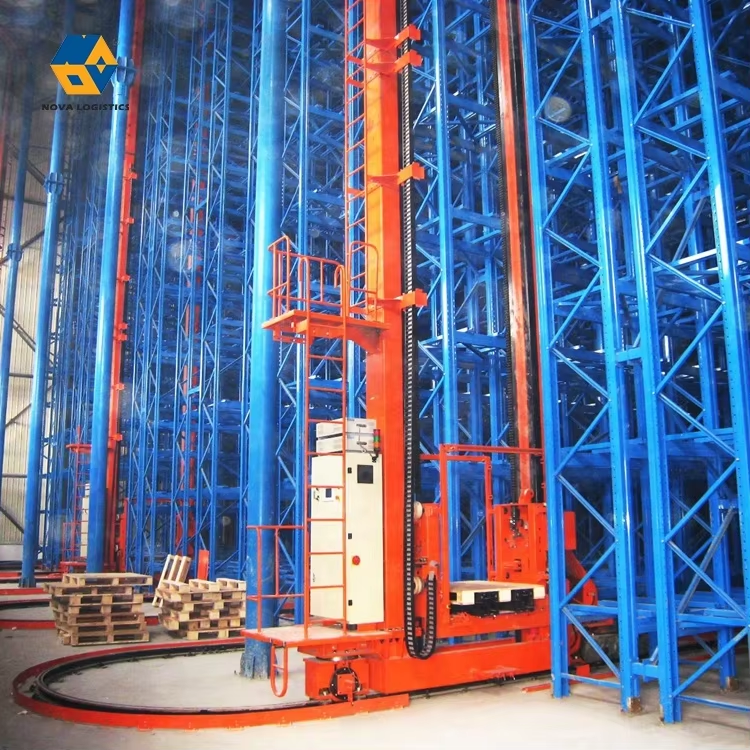
Large logistics operations face mounting pressure to accelerate order fulfillment, reduce labor costs, and improve inventory accuracy. Many enterprises turn to asrs solutions because these systems directly address these challenges through intelligent automation. Asrs technology represents a fundamental shift in how modern warehouses manage storage, retrieval, and material flow at scale.
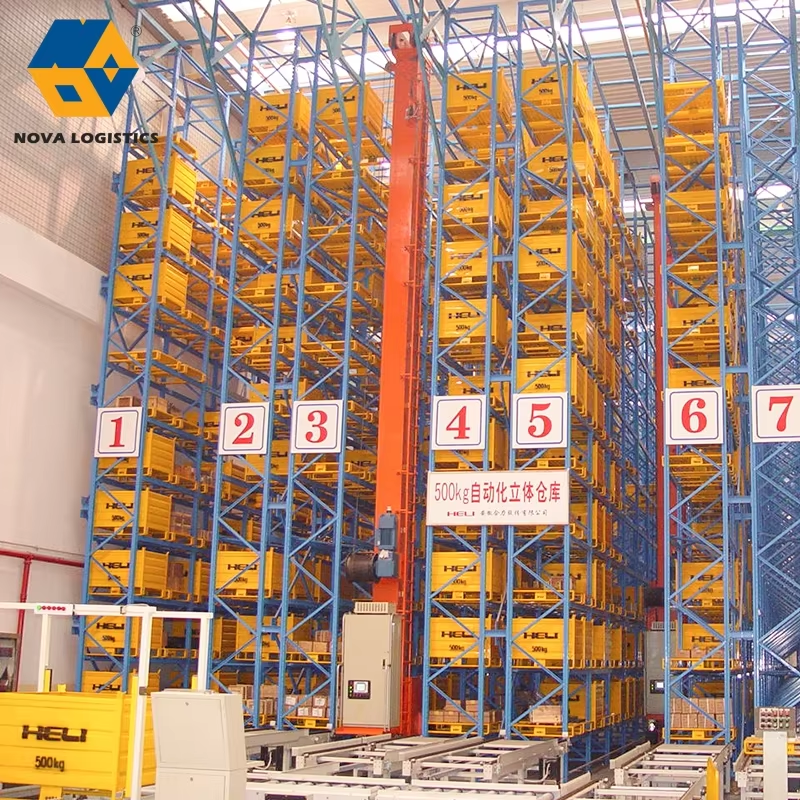
Understanding why asrs solutions have become industry standard requires examining both the operational benefits and the strategic advantages they deliver. Organizations investing in asrs systems experience transformative improvements in throughput, space utilization, and error rates. The popularity of asrs across large logistics networks reflects a clear business case that resonates across sectors from third-party logistics providers to e-commerce distribution centers.
Core Operational Advantages of ASRS Technology
Throughput and Speed Enhancement
The primary driver behind asrs adoption is the dramatic improvement in order processing speed. Traditional manual picking and storage systems rely on human labor traversing warehouse aisles, a process inherently limited by walking distance and fatigue. Asrs systems eliminate these constraints by automatically storing and retrieving items based on demand patterns. When integrated into large logistics facilities, asrs technology can handle multiple concurrent retrieval operations, effectively multiplying warehouse productivity. Organizations implementing asrs report throughput increases of 300% to 500% compared to manual operations, directly translating to faster customer delivery and higher order capacity.
Space Utilization and Density
Real estate represents one of the largest fixed costs in logistics operations. Asrs solutions maximize vertical space utilization by stacking inventory far higher than manual systems safely allow. Modern asrs frameworks reach heights of 15 to 20 meters or more, enabling facilities to store five to ten times more inventory in the same footprint. This density advantage is particularly valuable in high-cost markets where warehouse square footage commands premium pricing. By consolidating inventory into fewer, more efficient locations, asrs reduces the total real estate footprint required to handle equivalent volume, generating substantial ongoing savings that compound over years of operation.
Cost Reduction and Financial Performance
Labor Cost Optimization
While asrs systems represent significant capital investment, they deliver labor cost reductions that typically justify expenses within three to five years. Asrs technology requires fewer people on the warehouse floor and shifts labor toward higher-value functions like quality control, exception handling, and system monitoring. In large logistics facilities where payroll constitutes 30% to 50% of operational costs, this transition delivers measurable financial impact. Beyond direct wage savings, asrs reduces employee turnover, injury claims, and training expenses associated with repetitive manual picking work. The financial case for asrs strengthens further when considering rising wage pressure in many markets where logistics facilities operate.
Accuracy and Waste Reduction
Human error in picking operations typically ranges from 2% to 5%, depending on system controls and staff training. Asrs systems reduce picking accuracy errors to nearly zero by removing manual selection variability. This accuracy improvement directly reduces costly returns, customer service complaints, and lost revenue from order rework. In large logistics networks processing millions of units annually, even a 1% accuracy improvement translates to thousands of prevented errors. Asrs also minimizes misplaced inventory, damage during handling, and expedited recovery operations. These indirect cost reductions often match or exceed the direct labor savings that asrs systems provide.
Strategic Advantages for Large Logistics Operations
Scalability and Flexibility
Large logistics organizations must absorb seasonal demand swings and accommodate sudden growth without proportional increases in facilities. Asrs systems provide operational scalability that manual systems cannot match. Capacity increases through asrs often require software adjustments and modest hardware additions rather than new facilities. This flexibility enables logistics providers to serve growing customer bases using existing infrastructure. Additionally, asrs systems adapt quickly to changing SKU mix and customer requirements because they respond to software logic rather than fixed physical layouts. Organizations operating multiple distribution centers gain the ability to replicate proven asrs configurations across locations, standardizing operations and enabling knowledge transfer.
Data Integration and Supply Chain Visibility
Modern asrs platforms generate continuous data about inventory location, movement patterns, and system performance. This operational intelligence feeds supply chain visibility systems and enables predictive logistics planning. Asrs systems integrate with warehouse management systems, enterprise resource planning platforms, and customer-facing tracking applications. The resulting data flow improves demand forecasting accuracy, reduces inventory carrying costs, and accelerates decision-making. Large logistics networks leverage asrs data to optimize network-wide inventory positioning and identify consolidation opportunities. This information advantage compounds over time, creating competitive positioning that extends beyond the individual warehouse to reshape entire supply chain networks.
Competitive Positioning and Customer Expectations
Customers increasingly expect fast, accurate order fulfillment and reliable delivery windows. Asrs capabilities enable logistics providers to make these service commitments confidently. Organizations offering next-day or same-day delivery rely on asrs efficiency to maintain profitability at reduced lead times. In competitive logistics markets, service capabilities directly influence customer acquisition and retention. Asrs systems effectively become customer-facing competitive advantages even though they operate behind the scenes. Large logistics facilities use asrs capabilities to justify premium pricing or win business from competitors relying on manual operations. The strategic value of asrs extends into sales and marketing as a differentiator that justifies investment.
FAQ
What industries benefit most from ASRS implementation?
Asrs solutions deliver highest value in sectors with high-volume, time-sensitive operations including e-commerce fulfillment, third-party logistics, pharmaceutical distribution, automotive parts warehousing, and fast-moving consumer goods distribution. Industries with seasonal demand peaks and those requiring rapid inventory turns particularly benefit from asrs throughput and flexibility. Conversely, operations with low SKU counts or extremely high-density palletized storage sometimes derive less incremental benefit, though even these facilities often find asrs justified. The decision should align with specific operational characteristics rather than industry category alone.
How long does ASRS implementation typically require?
Asrs implementation timelines vary substantially based on facility scope, complexity, and parallel operations required. Small-scale asrs deployments may complete in 6 to 12 months, while large, multi-zone facilities may require 18 to 36 months. Implementation includes design, equipment procurement, construction or modification, software integration, staffing, and validation testing. Organizations typically phase asrs deployment to maintain ongoing operations, extending timelines but reducing disruption risk. Planning and pre-implementation analysis often consume 3 to 6 months before physical installation begins. Experienced operators planning asrs projects should allocate adequate time for personnel training and system optimization following initial launch.
What makes ASRS solutions cost-effective for large logistics operations?
Asrs becomes economically attractive at scale due to labor cost reduction, space efficiency gains, and error elimination combining to create substantial total cost of ownership savings. Large facilities spread fixed asrs costs across higher transaction volumes, improving unit economics. The capital investment, typically ranging from $5 million to $50 million depending on scope, generates returns through multiple channels simultaneously rather than from labor savings alone. Asrs enables consolidation of multiple smaller facilities into one efficient location, creating further savings. Organizations achieving positive financial returns typically operate facilities with annual throughput exceeding 1 million units and sustained demand justifying the investment horizon.