Multi Tier Mezzanine Systems: Maximize Warehouse Space with Vertical Storage Solutions

All Categories

Get a Free Quote

Our representative will contact you soon.
Email
Name
Company Name
Message
0/1000

multi tier mezzanine

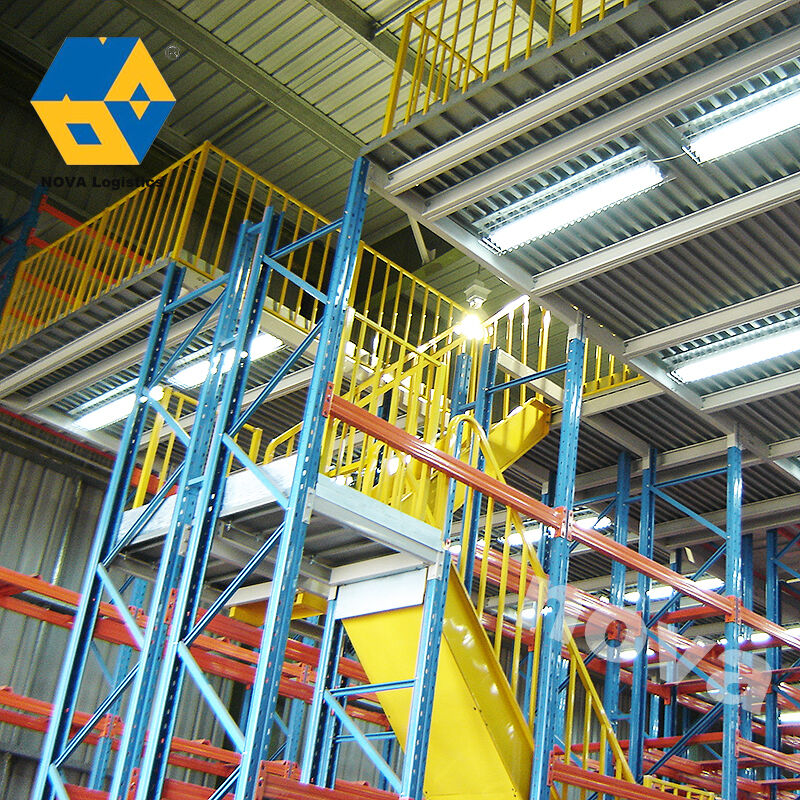
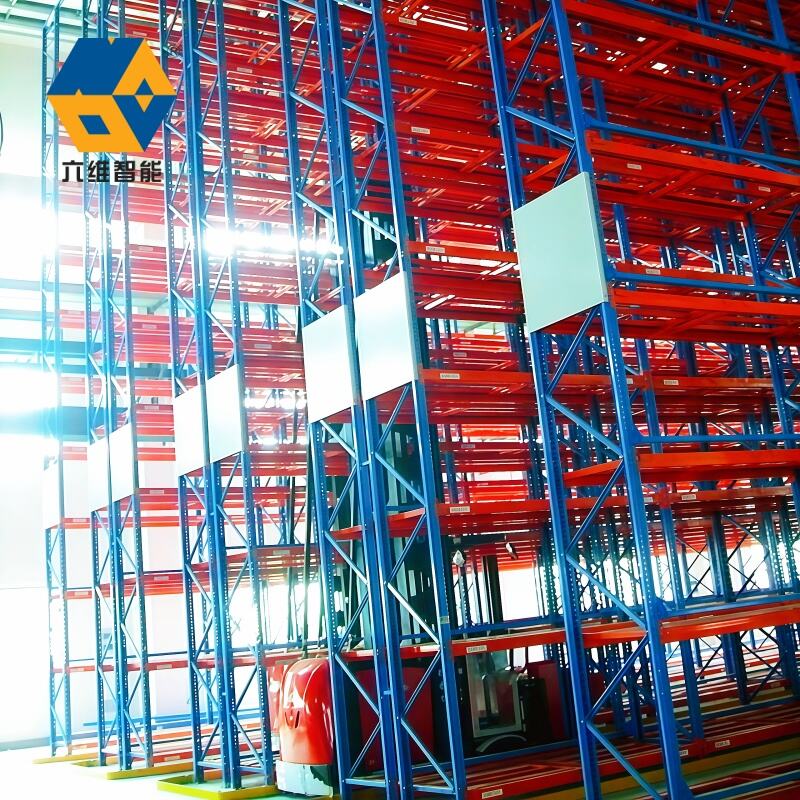
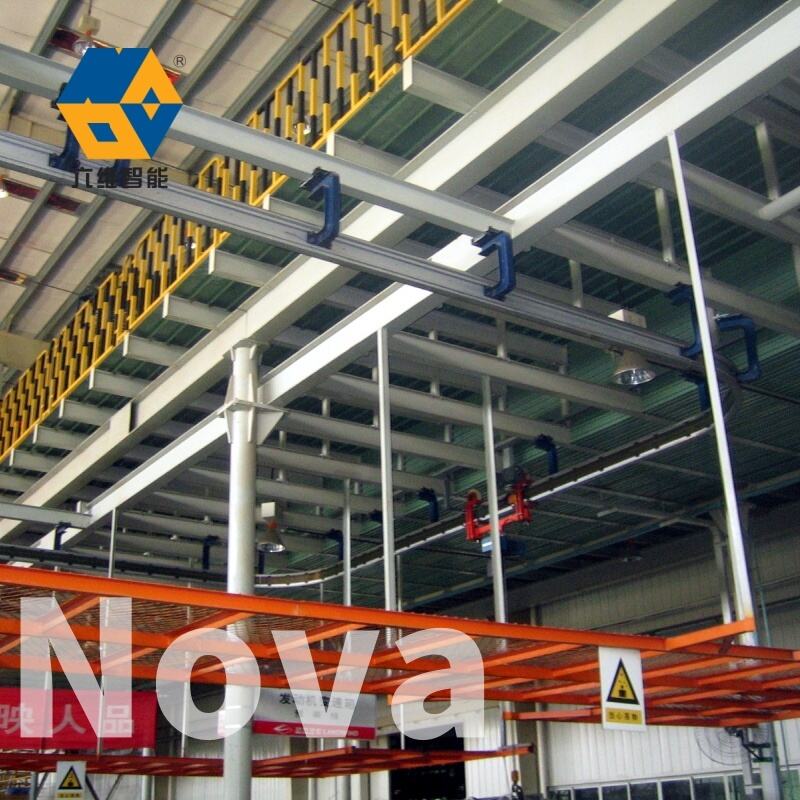
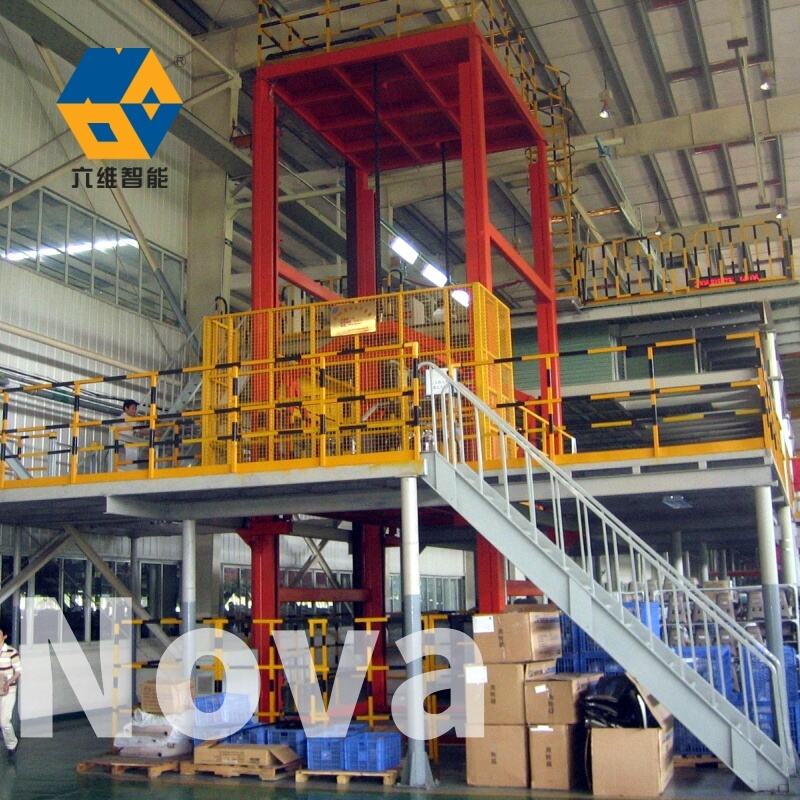
A multi tier mezzanine represents an innovative warehousing solution designed to maximize vertical space utilization in commercial and industrial facilities. This structural system consists of multiple elevated platforms built within existing buildings, creating additional floor levels without the need for expensive building expansions or relocations. The multi tier mezzanine functions as a semi-permanent structure that transforms underutilized overhead space into productive storage or operational areas, effectively multiplying the usable square footage of a facility. The primary function of a multi tier mezzanine involves creating distinct operational zones across different levels, allowing businesses to organize inventory, assembly lines, packaging stations, and office spaces in a vertical configuration. These systems typically feature robust steel construction with adjustable shelf beams, walkways, staircases, and safety railings that ensure secure access between levels. The technological features of modern multi tier mezzanine systems include modular components that allow for customizable configurations based on specific spatial requirements and load capacities. Advanced engineering ensures these structures can support substantial weight distributions, ranging from light-duty storage applications to heavy industrial equipment. Installation processes utilize bolt-together assembly methods that minimize disruption to ongoing operations and allow for future reconfiguration as business needs evolve. The applications of multi tier mezzanine systems span diverse industries including e-commerce fulfillment centers, automotive parts distribution, retail operations, manufacturing facilities, and logistics hubs. These structures prove particularly valuable in urban locations where real estate costs make horizontal expansion financially prohibitive. The multi tier mezzanine design accommodates various material handling equipment such as conveyors, pallet jacks, and forklifts, integrating seamlessly with existing warehouse management systems. Environmental considerations factor into modern designs, with options for integrated lighting, climate control, and fire suppression systems that maintain safety standards across all operational levels while optimizing energy efficiency throughout the entire structure.

New Product Releases

Implementing a multi tier mezzanine delivers significant cost savings compared to traditional expansion methods, as businesses avoid expensive real estate acquisitions, construction projects, or facility relocations. This storage solution maximizes existing building investments by utilizing vertical space that typically remains empty and unproductive. Companies experience immediate improvements in operational efficiency as the multi tier mezzanine creates dedicated zones for different functions, reducing travel distances for workers and streamlining workflow processes throughout the facility. The financial advantages extend beyond initial installation savings, as these structures typically require minimal ongoing maintenance while providing decades of reliable service. Property owners appreciate that multi tier mezzanine systems preserve the building's original footprint, maintaining compliance with zoning regulations and avoiding lengthy permit processes associated with new construction. The flexibility these systems offer stands as another major advantage, allowing businesses to adapt their spatial arrangements as inventory volumes fluctuate or operational priorities shift. Companies can expand capacity incrementally by adding levels or sections to existing multi tier mezzanine structures without interrupting daily operations. This adaptability proves invaluable in fast-paced industries where market demands change rapidly and storage requirements evolve continuously. Safety enhancements represent a crucial advantage, as professionally designed multi tier mezzanine installations incorporate guardrails, anti-slip flooring, proper lighting, and clearly marked pathways that reduce workplace accidents and create secure environments for employees. Productivity gains become evident as workers access organized inventory locations more efficiently, reducing picking times and improving order fulfillment accuracy across all operational levels. The multi tier mezzanine design supports better inventory visibility, enabling managers to implement effective stock rotation practices and minimize product obsolescence. Temperature-sensitive goods benefit from vertical zoning capabilities, where different levels maintain specific climate conditions suited to particular product requirements. Businesses experience improved space utilization ratios, often doubling or tripling their effective storage capacity within the same building envelope. The quick installation timeline means companies begin realizing benefits within weeks rather than months, avoiding prolonged disruptions that accompany traditional construction projects. Environmental advantages include reduced carbon footprints by eliminating the need for new building construction and the associated material consumption and waste generation. The multi tier mezzanine approach supports sustainable business practices while delivering practical operational improvements that directly impact profitability and competitive positioning in demanding markets.

Practical Tips

Which Pallet Rack Designs Fit Different Warehouse Applications Best?

20

May

Which Pallet Rack Designs Fit Different Warehouse Applications Best?

Selecting the right pallet rack design is one of the most consequential decisions a warehouse manager or logistics planner can make. The wrong configuration leads to wasted vertical space, inefficient picking workflows, and even serious safety risks....
View More
How Can a Mezzanine Improve Workflow and Storage Organization?

13

Jan

How Can a Mezzanine Improve Workflow and Storage Organization?

Modern warehouses face increasing pressure to maximize storage capacity while maintaining efficient workflow operations. A warehouse mezzanine offers an innovative solution that transforms vertical space into valuable storage and operational areas. T...
View More
Why Is Automated Storage and Retrieval System Adoption Growing Globally?

05

Feb

Why Is Automated Storage and Retrieval System Adoption Growing Globally?

The global logistics landscape is experiencing a revolutionary transformation as businesses increasingly recognize the strategic importance of automated storage and retrieval system implementation. Companies across industries are embracing these soph...
View More
Maintenance Tips for Long-Lasting Heavy Duty Pallet Racks

16

Mar

Maintenance Tips for Long-Lasting Heavy Duty Pallet Racks

Industrial warehouses rely heavily on robust storage solutions to maintain efficient operations and maximize space utilization. Heavy duty pallet racks form the backbone of modern warehouse infrastructure, supporting thousands of pounds of inventory ...
View More

Get a Free Quote

Our representative will contact you soon.
Email
Name
Company Name
Message
0/1000

multi tier mezzanine

Space Optimization and Capacity Expansion

Space Optimization and Capacity Expansion

The space optimization capabilities of a multi tier mezzanine system represent one of its most compelling features, addressing the critical challenge that growing businesses face when confronting spatial limitations. This vertical expansion solution transforms facilities by creating additional functional floor areas without altering the building's external dimensions or requiring costly property acquisitions. The multi tier mezzanine achieves remarkable space multiplication, with typical installations doubling or even tripling the available working area within existing structures. This expansion occurs by strategically utilizing the vertical clearance that remains unused in conventional single-level layouts, converting empty overhead volume into productive operational zones. The engineering sophistication behind these systems allows for customized height configurations that align with specific operational requirements, whether accommodating tall storage racks on lower levels or creating comfortable working environments on upper platforms. Businesses discover that the multi tier mezzanine design enables intelligent space allocation, dedicating different levels to distinct functions such as bulk storage, order picking, quality control, packaging operations, or administrative offices. This vertical segregation improves organizational efficiency by creating natural workflow progressions that guide products through various processing stages as they move between levels. The capacity expansion delivered by multi tier mezzanine installations proves particularly valuable for businesses experiencing growth constraints, enabling them to postpone or completely avoid expensive relocation decisions that disrupt operations and strain financial resources. Companies operating in high-rent urban districts find this solution especially advantageous, as the cost per square foot of usable space decreases dramatically compared to leasing or purchasing additional facilities. The modular nature of modern multi tier mezzanine systems means capacity adjustments remain feasible as business conditions change, with options to add supplementary bays, extend existing platforms, or reconfigure level arrangements to accommodate evolving inventory profiles or operational methodologies. This scalability ensures that initial investments continue delivering value throughout various business growth phases, adapting alongside organizational development rather than becoming obsolete as requirements transform.
Structural Durability and Load-Bearing Performance

Structural Durability and Load-Bearing Performance

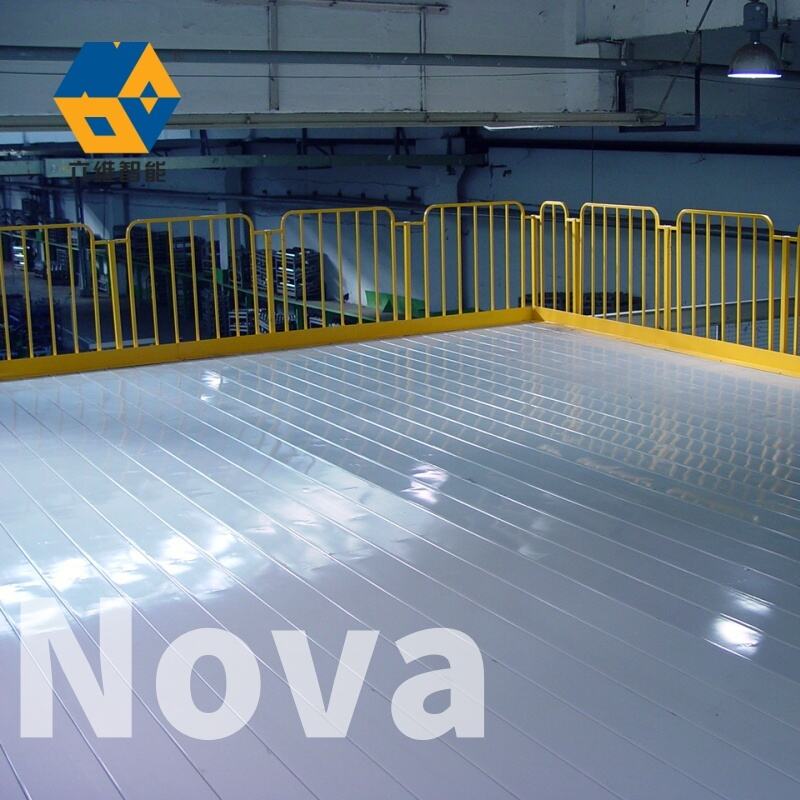
The structural integrity and load-bearing capabilities of a multi tier mezzanine system constitute fundamental advantages that ensure reliable long-term performance in demanding industrial environments. These engineered structures utilize high-grade steel components manufactured to precise specifications, creating robust frameworks capable of supporting substantial weight distributions across multiple elevated platforms simultaneously. The multi tier mezzanine construction methodology incorporates advanced load calculation principles that account for both static storage weights and dynamic operational forces, including personnel movement, material handling equipment operation, and temporary load concentrations that occur during peak activity periods. Professional engineering assessments determine optimal column spacing, beam dimensions, and connection methods that deliver appropriate safety factors while maintaining cost-effectiveness in material utilization. The durability characteristics of quality multi tier mezzanine installations manifest through resistance to common industrial stressors such as impact forces from material handling equipment, vibration transmission from machinery operations, and environmental factors including humidity and temperature fluctuations. Surface treatments applied to structural components provide corrosion protection that extends service life and minimizes maintenance requirements, even in challenging conditions where chemicals, moisture, or abrasive materials are present. The decking materials used in multi tier mezzanine platforms offer various performance profiles suited to different applications, from heavy-duty steel grating that supports forklift traffic to plywood composite panels appropriate for manual operations and lighter storage loads. This material versatility ensures that each level within the system delivers appropriate load capacities matched to its intended function, optimizing both performance and economic efficiency. The connection systems employed in modern multi tier mezzanine designs utilize precision-engineered bolted assemblies that create secure joints while allowing for future disassembly and reconfiguration if operational needs change or facility relocations become necessary. This semi-permanent characteristic distinguishes these systems from conventional building construction, providing flexibility without compromising structural reliability. Safety certifications and building code compliance represent essential aspects of professional multi tier mezzanine installations, with reputable manufacturers ensuring their systems meet or exceed applicable standards for commercial and industrial structures, providing documentation and engineering stamps that satisfy regulatory requirements and insurance considerations.
Installation Efficiency and Operational Integration

Installation Efficiency and Operational Integration

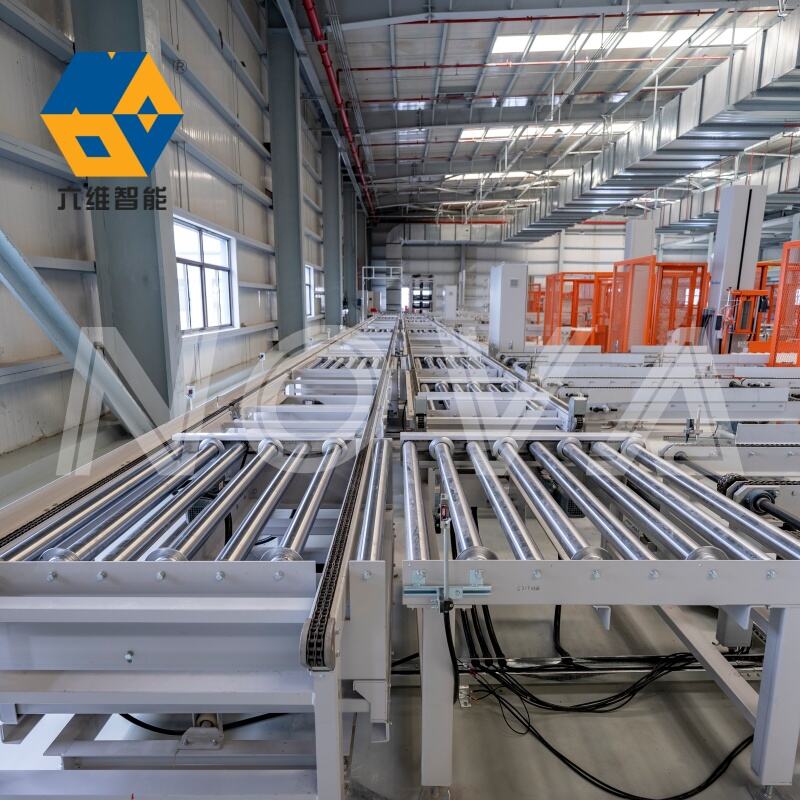
The installation process and operational integration capabilities of a multi tier mezzanine system deliver distinct advantages that minimize business disruption while maximizing functional benefits. Unlike traditional construction projects that require lengthy timelines, extensive site preparation, and significant operational interruptions, multi tier mezzanine installations proceed through efficient modular assembly processes that dramatically reduce implementation timeframes. The pre-engineered components arrive at facilities ready for assembly, with precision manufacturing ensuring proper fit and alignment that expedites on-site construction activities. Professional installation teams complete typical multi tier mezzanine projects within weeks rather than months, allowing businesses to realize capacity improvements and productivity gains on accelerated schedules that support urgent growth initiatives or seasonal demand preparations. The minimal disruption characteristic proves particularly valuable for operations that cannot afford extended shutdowns, as installation work often proceeds in designated zones while adjacent areas continue normal activities. The multi tier mezzanine design accommodates seamless integration with existing material handling systems, including conveyor networks, automated storage and retrieval systems, and vertical transportation equipment such as elevators or goods lifts. This compatibility ensures that workflows extend naturally across multiple levels, creating cohesive operational environments where products move efficiently through various processing stages regardless of vertical positioning. Electrical and mechanical systems integrate readily into multi tier mezzanine structures, with provisions for lighting fixtures, power outlets, data cabling, and climate control distribution that support diverse functional requirements across different platform levels. The accessibility features built into quality multi tier mezzanine designs include appropriately pitched staircases, wide walkways, and optional equipment ramps that facilitate safe and efficient movement of both personnel and materials between levels. Safety lighting, emergency egress provisions, and fire detection systems integrate according to building codes, ensuring that expanded operational areas maintain compliance with applicable regulations. The operational flexibility inherent in multi tier mezzanine installations allows businesses to optimize workflows based on product characteristics, order profiles, or processing requirements, assigning fast-moving items to easily accessible locations while utilizing upper levels for slower-turning inventory or specialized functions. This spatial intelligence translates directly into improved operational metrics including reduced labor costs, faster order cycle times, and enhanced inventory accuracy that collectively strengthen competitive positioning and customer satisfaction levels.

Get a Free Quote

Our representative will contact you soon.
Email
Name
Company Name
Message
0/1000

Get a Free Quote

Our representative will contact you soon.
Email
Name
Company Name
Message
0/1000