
 EN
EN
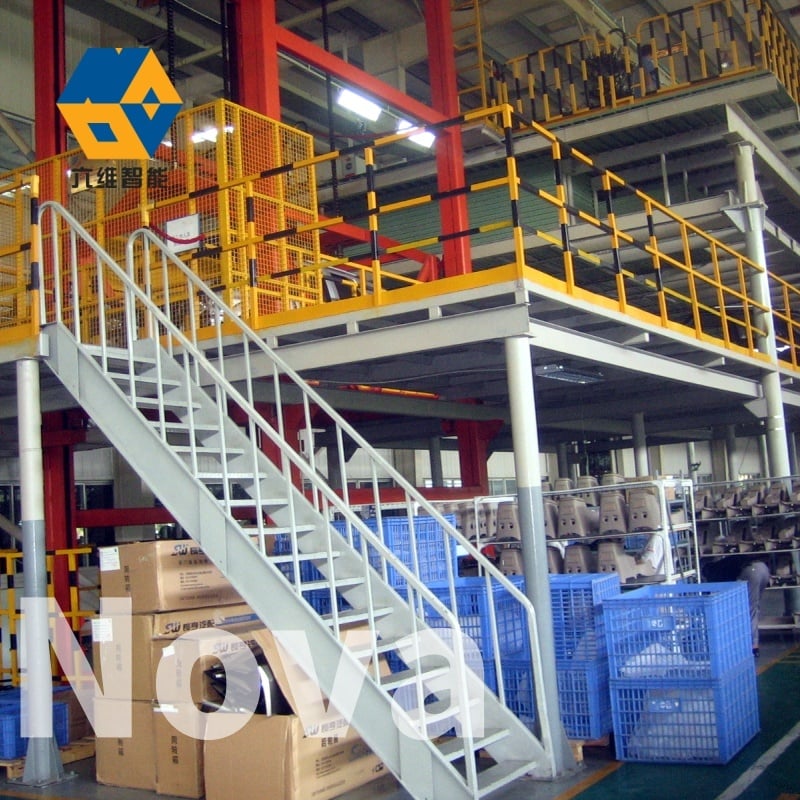
In today's competitive business environment, maximizing warehouse space has become essential for companies across multiple industries. A mezzanine offers a practical and cost-effective solution that transforms underutilized vertical space into productive storage and operational areas. By installing a mezzanine within existing facilities, businesses can nearly double their usable floor space without expanding their physical footprint. This strategic advantage appeals to organizations facing real estate constraints, rising rental costs, and growing inventory demands. Understanding which industries benefit most from mezzanine installations helps decision-makers identify whether this solution aligns with their operational and financial objectives.
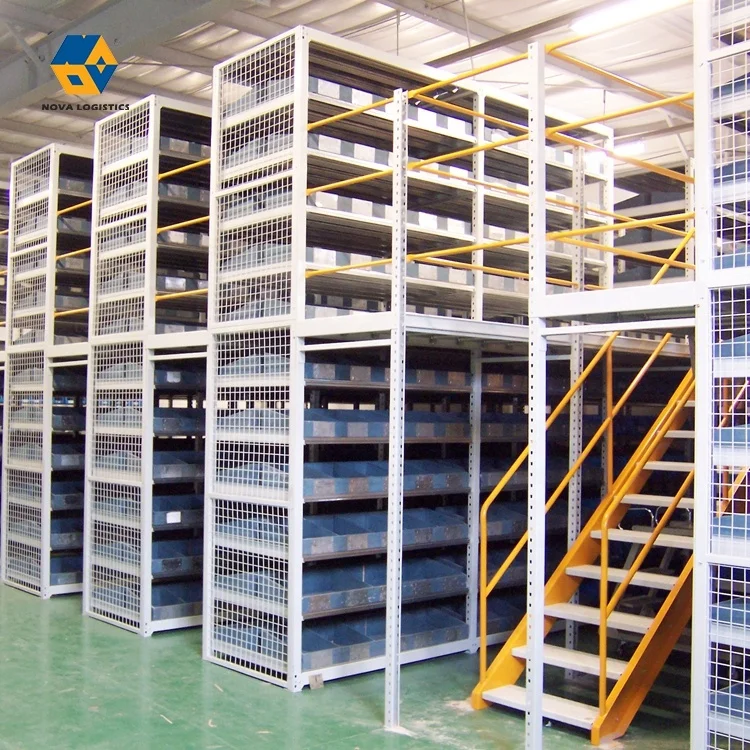
A mezzanine solution combines engineering precision with operational flexibility, making it applicable across diverse sectors. Each industry leverages mezzanine systems differently based on their unique storage requirements, product characteristics, and workflow patterns. Companies investing in a mezzanine gain immediate benefits including increased storage density, improved workflow organization, and better inventory management. The installation of a mezzanine platform also enhances safety compliance by creating dedicated zones for different operations. Industries that recognize the strategic value of a mezzanine often experience significant competitive advantages in efficiency and cost management.
Warehousing and Logistics Operations
High-Density Inventory Storage
The warehousing and logistics sector represents the primary beneficiary of mezzanine technology. Third-party logistics providers and distribution centers operate with razor-thin margins, making space utilization critical to profitability. Installing a mezzanine allows these operations to store significantly more inventory without relocating to larger, more expensive facilities. A mezzanine system enables warehouses to organize products by category, velocity, and destination zone across multiple levels. This vertical organization reduces picking time, minimizes travel distance for order fulfillment personnel, and accelerates throughput rates. Companies utilizing a mezzanine in their warehouse operations report improved inventory turnover and reduced operational costs.
Temperature-Controlled and Specialty Storage
Many warehouses require climate-controlled environments for perishable goods, pharmaceuticals, or sensitive electronics. A mezzanine can be customized with climate control systems, creating dedicated zones without the expense of constructing additional square footage. The mezzanine design accommodates separate temperature zones on upper and lower levels, maximizing efficiency while maintaining product integrity. Specialty storage facilities benefit from the modular nature of a mezzanine, allowing reconfiguration as product mix changes. Logistics providers offering value-added services such as packaging and labeling gain dedicated workspace above general storage areas using a mezzanine platform.
Retail and E-Commerce Distribution
Omnichannel Fulfillment Centers
Retail businesses operating omnichannel distribution models face unprecedented pressure to balance brick-and-mortar inventory with e-commerce fulfillment demands. A mezzanine addresses this challenge by creating separate operational zones within a single facility. The upper level of a mezzanine can house fast-moving e-commerce inventory with high-velocity picking systems, while the lower level stores slower-moving retail stock. This configuration eliminates the need for multiple distributed warehouses, reducing logistics costs and improving delivery speed. Retailers implementing a mezzanine experience faster order processing, reduced split shipments, and improved customer satisfaction metrics.
Back-of-Store Operations
Retail locations with limited stockroom space benefit tremendously from installing a mezzanine above existing storage areas. A mezzanine expands storage capacity without requiring expensive building modifications or relocation. Retailers use the mezzanine to store seasonal inventory, promotional merchandise, and supplier-managed inventory without cluttering the sales floor. The mezzanine enables retailers to respond quickly to market trends and replenish shelves more efficiently. Store managers appreciate the organized workflow that a mezzanine creates, reducing the time staff spends searching for merchandise and improving overall productivity.
Manufacturing and Production Facilities
Raw Materials and Work-in-Progress Storage
Manufacturing plants operate with complex material flow requirements, demand seasonal fluctuations, and inventory rotation protocols. A mezzanine provides manufacturing facilities with dedicated storage for raw materials, components, and work-in-progress items without disrupting production floor operations. The mezzanine keeps materials organized and easily accessible, reducing downtime caused by searching for needed components. Manufacturers utilizing a mezzanine report improved lean manufacturing practices and better compliance with just-in-time inventory principles. The separation of storage zones using a mezzanine prevents congestion on the production floor, enhancing safety and worker efficiency.
Administrative and Tool Storage
Beyond material storage, manufacturers use a mezzanine to house administrative offices, quality control laboratories, and tool storage areas above the production floor. This vertical integration of services improves supervision capabilities and reduces walking distances for supervisory staff. A mezzanine creates a professional workspace for office functions while maintaining full visibility of floor operations. Manufacturing facilities benefit from the secure storage a mezzanine provides for expensive tools, dies, and specialized equipment. The mezzanine installation also frees up prime ground-level space for production equipment expansion.
FAQ
Which industries see the fastest return on investment from a mezzanine?
Logistics and warehousing operations typically experience the fastest ROI from mezzanine installations because they depend directly on space utilization efficiency for profitability. E-commerce fulfillment centers and third-party logistics providers can increase their revenue-generating capacity by 40 to 50 percent using a mezzanine, often recovering the investment within 18 to 24 months. Retail operations also achieve rapid payback when a mezzanine reduces the need for multiple warehouse locations. The faster inventory turnover and reduced operational costs associated with a mezzanine create immediate positive cash flow for most industrial users.
Can a mezzanine be customized for different industry requirements?
Yes, mezzanine systems are highly modular and adaptable to specific industry needs. Manufacturers can incorporate conveyor systems, pallet racking, shelving units, and climate control into a mezzanine design. Retailers can customize a mezzanine with picking stations, packing areas, and sorting equipment. The flexibility of a mezzanine allows companies to modify configurations as their operations evolve. Custom lighting, flooring, safety railings, and access points can all be integrated into a mezzanine platform to optimize workflow for particular industries.
What factors should businesses consider before installing a mezzanine?
Companies should evaluate ceiling height, floor load capacity, and layout compatibility before investing in a mezzanine solution. A mezzanine requires sufficient vertical clearance to function effectively without obstructing operations or violating building codes. Businesses should also assess their future space needs to ensure a mezzanine can accommodate growth without requiring expensive modifications. Local building regulations, fire codes, and safety standards must be verified before mezzanine installation. Finally, companies should calculate their space cost savings against the mezzanine investment to confirm financial viability for their specific situation.