
 EN
EN
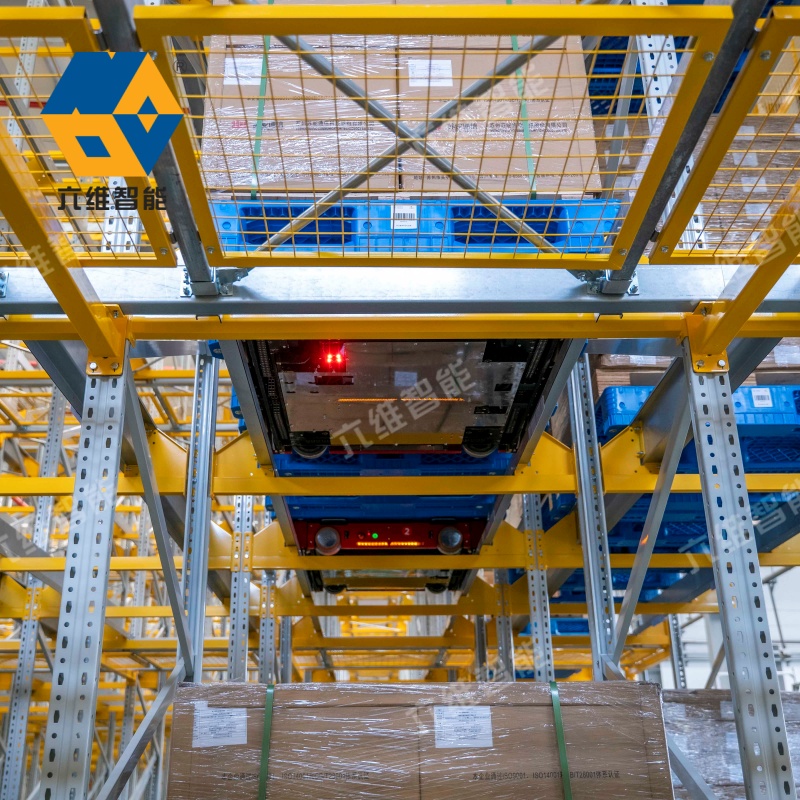
Modern warehouses face mounting pressure to deliver faster, operate leaner, and maintain accuracy across increasingly complex supply chains. Automated storage and retrieval systems, commonly known as asrs, have emerged as transformative solutions that fundamentally reshape how warehouses manage inventory, process orders, and optimize floor space utilization. The asrs approach combines mechanical precision, software intelligence, and robust infrastructure to create warehouses that operate with minimal human intervention while maintaining exceptional accuracy and speed.
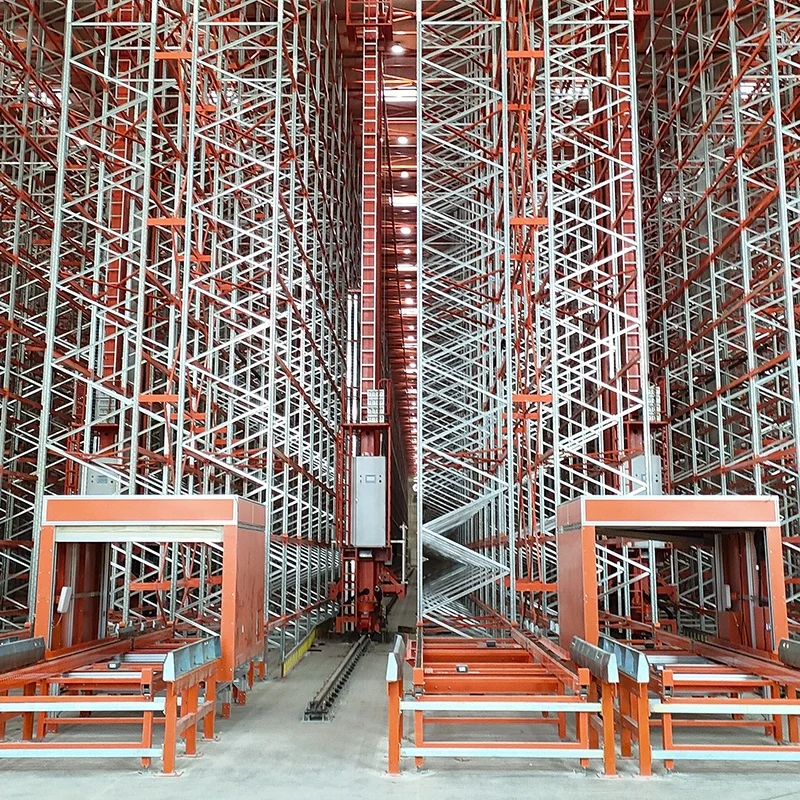
The asrs technology landscape has evolved dramatically over the past decade, driven by advancements in robotics, artificial intelligence, and real-time data analytics. Organizations investing in asrs installations report significant improvements in throughput, inventory accuracy, labor productivity, and cost efficiency. Understanding how asrs technology operates and where it delivers the most value is essential for warehouse managers, logistics directors, and supply chain professionals evaluating automation investments.
Core Components of ASRS Technology
Storage and Retrieval Infrastructure in ASRS Systems
The asrs foundation rests on sophisticated hardware designed to maximize vertical storage density while maintaining rapid access to inventory. Automated cranes, vertical lifts, and shuttle systems form the physical backbone of asrs operations, moving materials with precision and speed that exceed manual methods by several orders of magnitude. The asrs infrastructure typically includes high-bay racking structures that extend dozens of meters vertically, integrated conveyor systems, and intelligent load handling equipment that work in seamless coordination.
Modern asrs installations incorporate real-time positioning sensors, barcode and RFID tracking, and distributed control systems that manage thousands of movements per hour without collision or bottleneck. The asrs design prioritizes redundancy and fault tolerance, ensuring that equipment failures do not cascade into operational shutdowns. Each asrs system is customized to match specific warehouse dimensions, product characteristics, and throughput requirements, making flexibility a defining characteristic of contemporary asrs technology.
Control Software and Intelligence Integration
The asrs control layer represents the nervous system of warehouse automation, orchestrating every movement through advanced algorithms and predictive logic. Warehouse management software interfaces with the asrs equipment to optimize storage locations, minimize travel distances, and prioritize orders based on demand forecasts and operational constraints. The asrs software continuously learns from historical data, adapting retrieval strategies to match real-world patterns and reducing unnecessary movements.
Integration between asrs systems and enterprise resource planning platforms enables seamless data flow from procurement through shipping, creating visibility that was impossible in manual warehouses. The asrs intelligence layer analyzes inventory velocity, predicts demand patterns, and recommends storage locations that minimize average retrieval time. This asrs orchestration happens in real-time, dynamically adjusting to order surges, seasonal demand shifts, and supply disruptions without requiring manual reconfiguration.
Operational Benefits of ASRS Implementation
Productivity and Throughput Gains
Warehouses implementing asrs technology consistently achieve 2 to 3 times higher throughput compared to traditional manual operations, while simultaneously reducing labor requirements by 40 to 60 percent. The asrs capability to retrieve and stage items within minutes, regardless of physical distance within the warehouse, transforms order fulfillment speed. Peak season operations that previously required temporary labor surges become manageable with asrs systems, as the automation scales throughput without proportional labor increases.
The asrs efficiency extends beyond raw retrieval speed to encompass order accuracy, cycle time consistency, and the elimination of motion waste. Personnel no longer spend hours searching for inventory or pushing heavy loads across warehouse floors; instead, they focus on value-adding activities like quality inspection and exception handling. When asrs systems operate at designed capacity, order-to-ship time typically drops from days to hours, fundamentally altering what businesses can promise customers regarding delivery speed and reliability.
Space Optimization and Cost Reduction
A transformative advantage of asrs technology lies in its ability to achieve 400 to 500 percent more storage density than conventional racking using only the same floor footprint. Vertical expansion becomes economical when asrs systems eliminate the need for wide aisles, multiple personnel working simultaneously, and extensive horizontal storage zones. The asrs footprint advantage translates directly into real estate savings, reduced facility costs, and faster inventory turns in space-constrained urban logistics hubs.
Operating costs decline dramatically because asrs systems require far fewer full-time personnel, generate minimal material handling damage, and optimize energy consumption through predictive algorithms. The asrs investment typically achieves payback within 3 to 5 years for high-volume operations, with benefits compounding as labor costs increase and facility space becomes scarcer. Additionally, the asrs reduction in human-related errors, shrinkage, and insurance claims creates secondary cost benefits that extend beyond direct labor savings.
Strategic Deployment Considerations for ASRS
Suitability Assessment and Implementation Planning
Not every warehouse is an ideal candidate for asrs investment; success depends on specific operational characteristics, product mix, and growth trajectory. The asrs technology delivers optimal returns in environments with high-velocity items, significant peak season variations, and existing labor shortages. Organizations with highly seasonal demand, small-parcel operations, or high-SKU-count inventory typically experience the strongest financial justification for asrs deployment.
Evaluating asrs feasibility requires detailed analysis of current throughput bottlenecks, projected volume growth, available capital, and space constraints. The asrs implementation roadmap should begin with a pilot phase targeting the highest-volume product categories, allowing teams to validate assumptions before full-scale deployment. Change management becomes critical during asrs transitions, as personnel must adapt to new workflows, supervisors need training in equipment management, and quality control processes require recalibration.
Long-Term Operational Excellence
Maximizing asrs value requires ongoing maintenance, software updates, and continuous process optimization beyond the initial installation phase. Establishing preventive maintenance schedules, training personnel on equipment handling, and regularly auditing asrs performance metrics ensures sustained performance. The asrs system becomes increasingly valuable when organizations invest in staff development, cross-training, and collaborative problem-solving to address edge cases and operational anomalies.
Leading organizations view asrs as strategic assets requiring continuous investment in infrastructure updates, security enhancements, and capability expansion. As business requirements evolve, the asrs platform should flex to accommodate new product lines, expanded geographic reach, or integration with additional warehouse locations. Future-proofing asrs investments through modular design, open software architecture, and vendor partnerships ensures technology relevance across business cycles.
FAQ
What specific warehouse operations benefit most from ASRS implementation?
High-volume, fast-moving inventory operations with significant peak season demands see the strongest returns from asrs technology. E-commerce fulfillment centers, pharmaceutical distributors, automotive suppliers, and food wholesale businesses typically experience dramatic productivity improvements from asrs systems. Operations with space constraints, high labor costs, or extreme accuracy requirements also justify asrs investments through their unique operational pressures.
How does ASRS technology integrate with existing warehouse management systems?
Modern asrs platforms use standard interfaces and APIs that connect seamlessly to enterprise resource planning and warehouse management software through well-defined data protocols. The asrs system receives order information from the WMS, processes retrieval algorithms, and returns real-time inventory status updates. Integration complexity varies based on legacy system age and customization levels, but most asrs implementations complete data integration within existing IT architecture.
What is the typical timeline and cost structure for ASRS projects?
Asrs project duration ranges from 12 to 24 months depending on facility size, complexity, and customization requirements, while costs vary from several million to tens of millions based on square footage and throughput targets. Asrs investments typically generate positive ROI within 3 to 5 years through labor savings, space optimization, and throughput improvements. Financing options, including lease arrangements and performance-based contracts, help organizations manage asrs capital requirements while scaling automation investments.