Automated Storage and Retrieval System Price Guide: Costs, Benefits and ROI Analysis 2024

All Categories

Get a Free Quote

Our representative will contact you soon.
Email
Name
Company Name
Message
0/1000

automated storage and retrieval system price

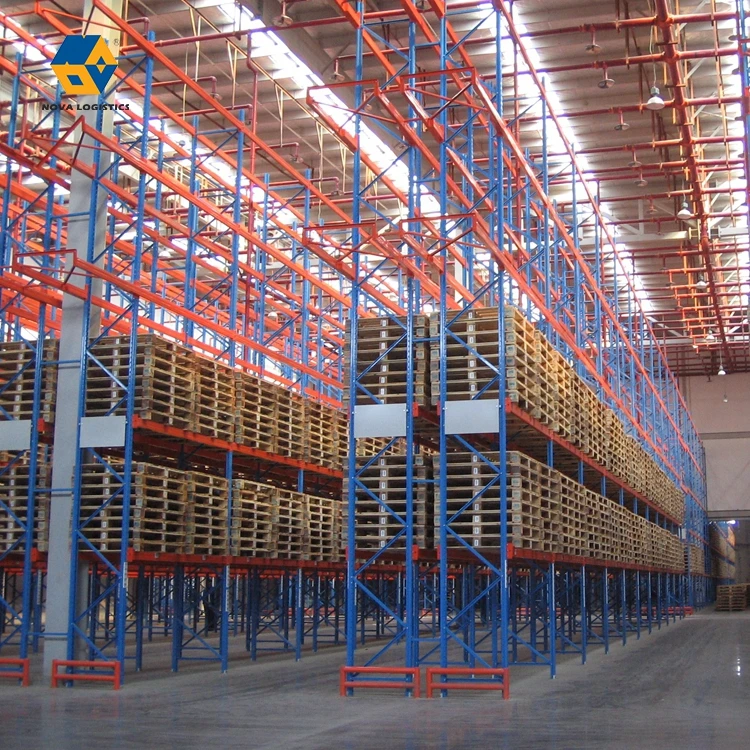
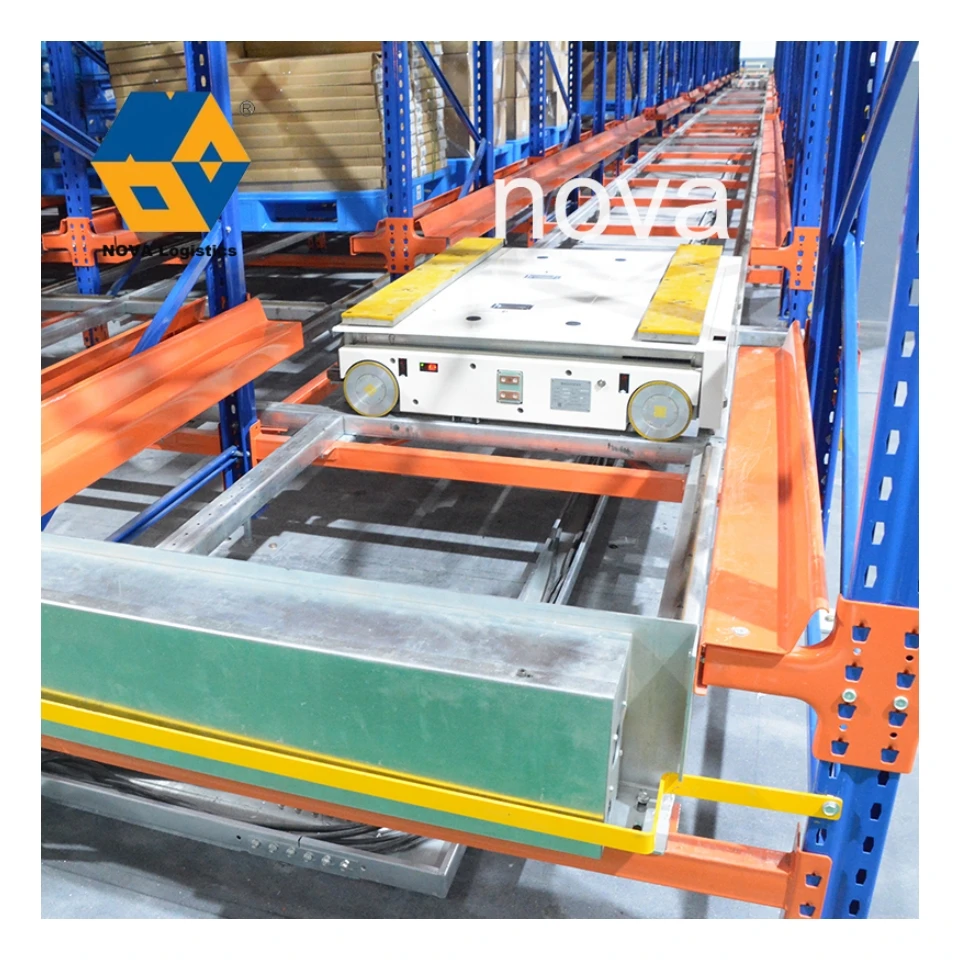
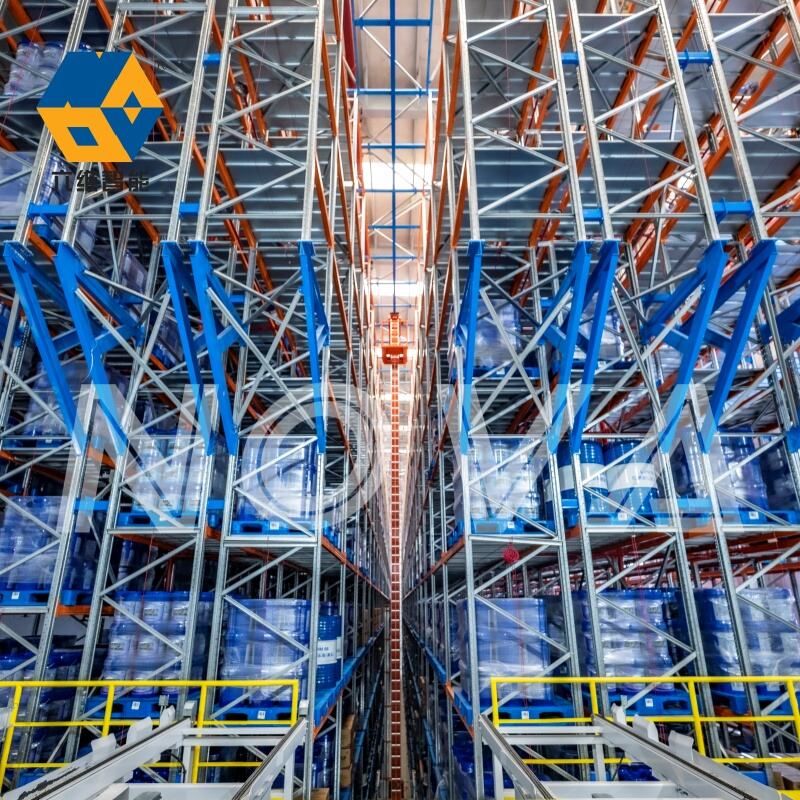
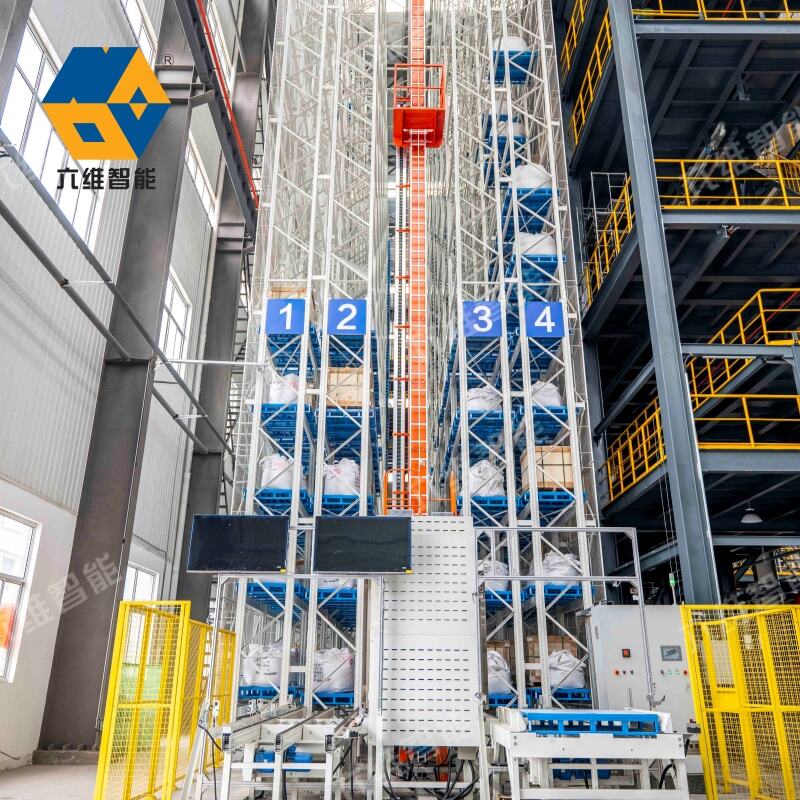
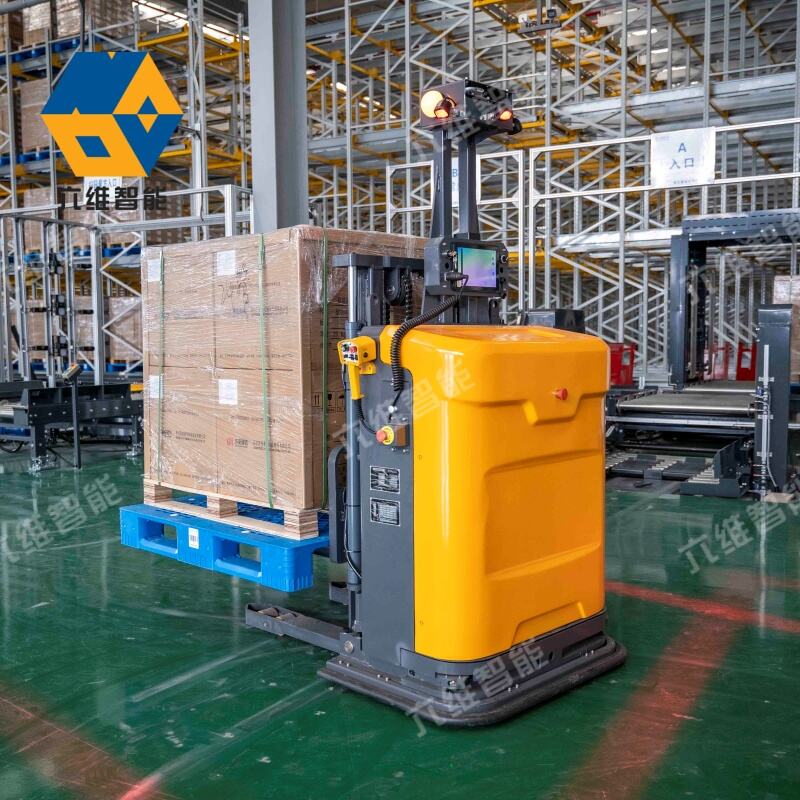
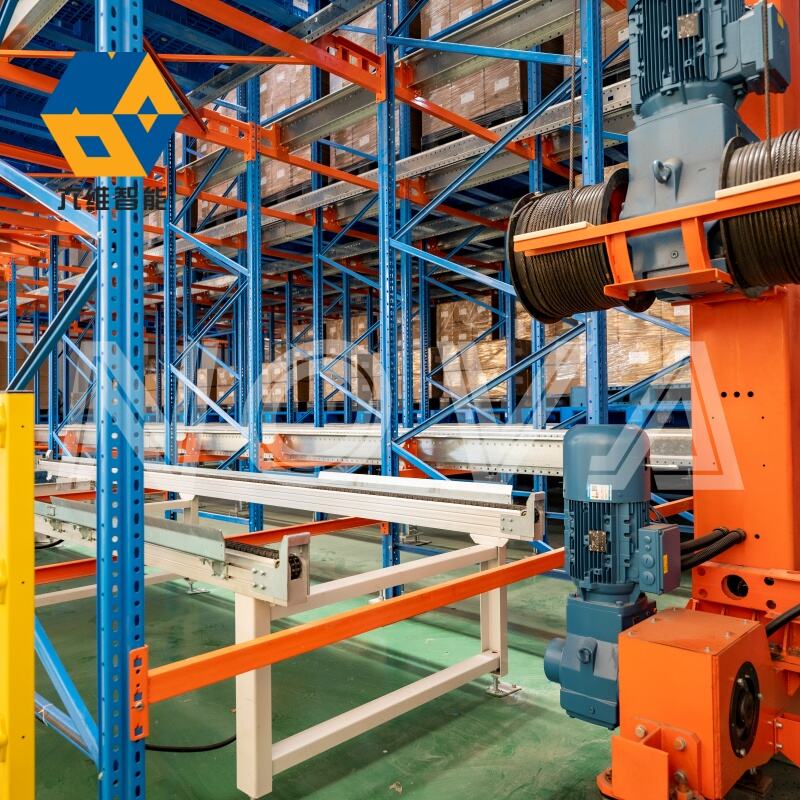
Understanding automated storage and retrieval system price requires examining the comprehensive value these solutions deliver to modern warehouses and distribution centers. An automated storage and retrieval system, commonly known as AS/RS, represents a sophisticated technology investment that transforms traditional storage operations into highly efficient, computer-controlled environments. The automated storage and retrieval system price varies significantly based on several factors including system size, technology complexity, integration requirements, and customization needs. These systems utilize computer-controlled mechanisms to automatically place and retrieve goods from designated storage locations with remarkable precision and speed. The main functions encompass inventory management, order fulfillment, material handling, and space optimization. Technological features include advanced software integration, real-time tracking capabilities, robotic mechanisms, conveyor systems, and intelligent warehouse management interfaces. Modern systems incorporate machine learning algorithms that optimize storage patterns based on product movement frequency and operational demands. Applications span across numerous industries including e-commerce fulfillment centers, manufacturing facilities, pharmaceutical distribution, cold storage operations, automotive parts warehousing, and retail distribution networks. The automated storage and retrieval system price reflects the sophistication of components such as storage racks, retrieval machines, control systems, safety features, and software platforms. These systems dramatically reduce labor requirements while simultaneously increasing accuracy and throughput. When evaluating automated storage and retrieval system price, businesses must consider long-term operational savings, reduced error rates, improved worker safety, and enhanced customer satisfaction through faster order processing. The investment encompasses hardware, software, installation, training, and ongoing maintenance support, creating a comprehensive solution that revolutionizes warehouse operations and provides competitive advantages in increasingly demanding supply chain environments.

Popular Products

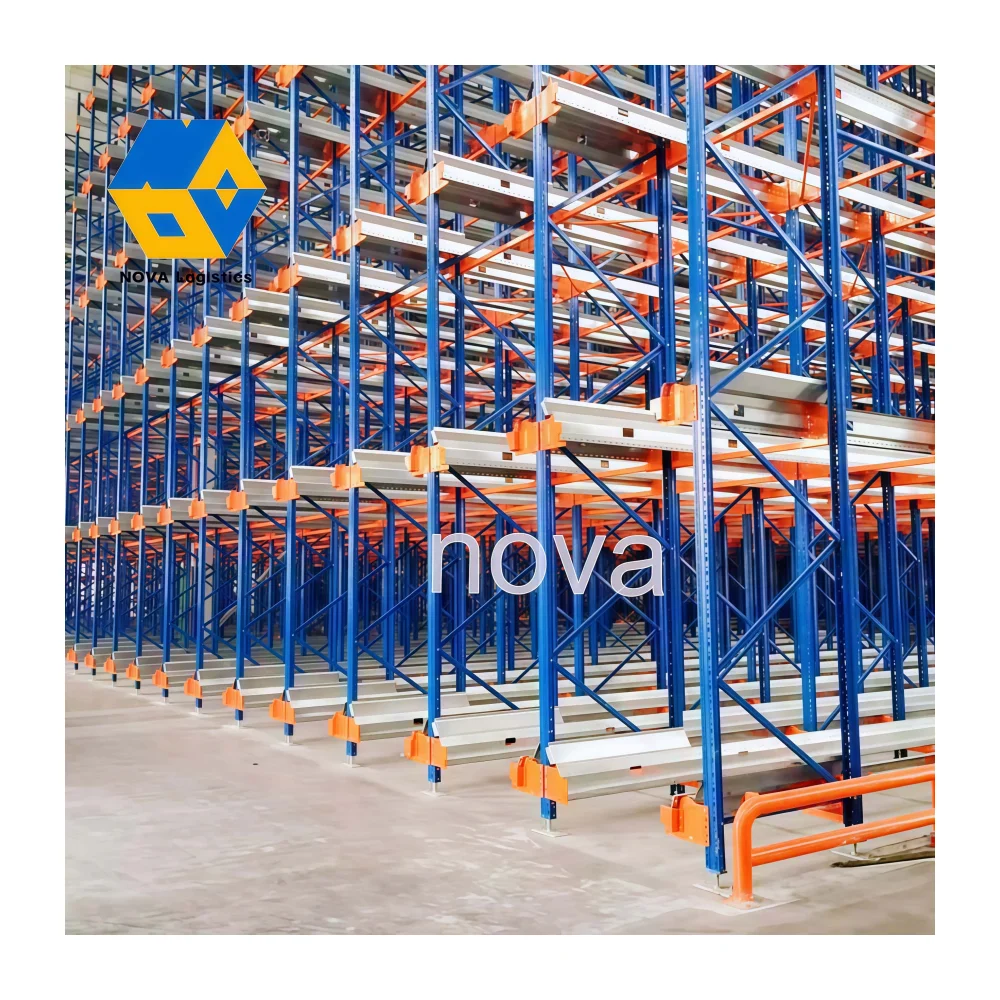
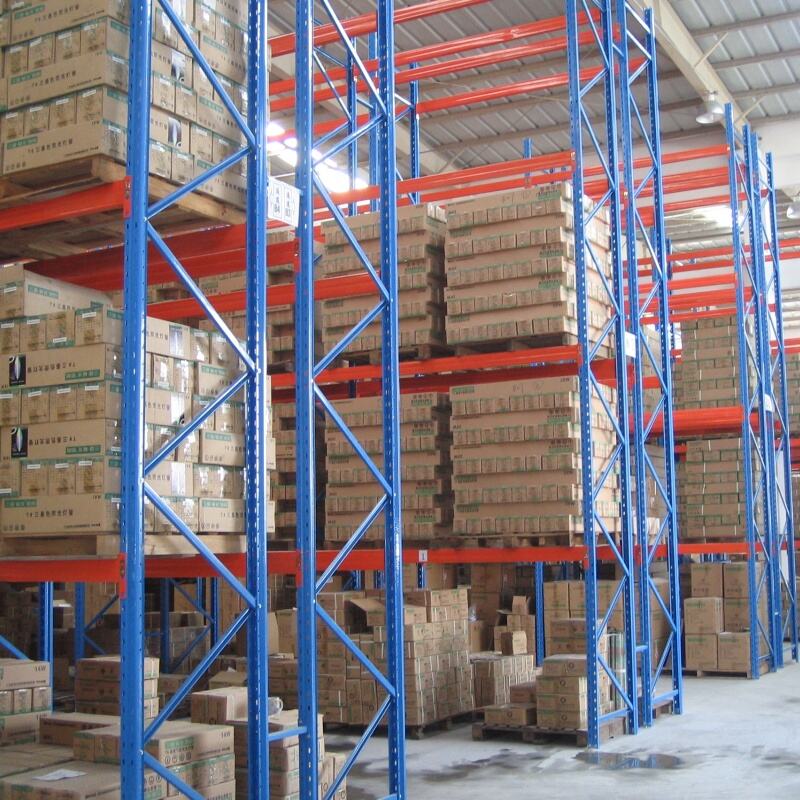
Investing in automation delivers transformative benefits that justify the automated storage and retrieval system price through multiple operational improvements. First, these systems maximize vertical space utilization, allowing businesses to store significantly more inventory within existing facilities without costly building expansions. Traditional warehouses often waste valuable cubic space, but automated solutions leverage height efficiently, potentially tripling storage capacity within the same footprint. This space optimization directly impacts the automated storage and retrieval system price value proposition by eliminating or postponing expensive real estate investments. Second, labor cost reduction represents a major financial advantage. Automated systems operate continuously with minimal human intervention, reducing staffing requirements by up to seventy percent compared to manual operations. Workers transition from physically demanding retrieval tasks to supervisory and quality control roles, improving job satisfaction while reducing workplace injuries and associated compensation costs. Third, accuracy improvements eliminate costly picking errors that plague manual operations. Automated systems achieve accuracy rates exceeding 99.9 percent, virtually eliminating mispicks that damage customer relationships and create expensive returns processing. Fourth, operational speed increases dramatically as machines retrieve items in minutes rather than hours, enabling same-day shipping capabilities that meet modern customer expectations. Fifth, inventory visibility improves through integrated software that tracks every item in real-time, reducing stock discrepancies and enabling better purchasing decisions. This transparency helps prevent both stockouts and overstock situations that tie up working capital. Sixth, the automated storage and retrieval system price investment pays dividends through energy efficiency, as modern systems consume less power than traditional warehouse lighting and climate control for sprawling manual facilities. Seventh, scalability becomes manageable as businesses can expand systems incrementally rather than redesigning entire facilities. Eighth, product protection improves since automated handling reduces damage from drops, collisions, and improper stacking. Ninth, security enhancements restrict access to valuable inventory, reducing theft and loss. Tenth, data analytics capabilities provide insights into operational patterns, enabling continuous improvement initiatives. These combined advantages demonstrate how the automated storage and retrieval system price represents strategic investment rather than mere expense, delivering measurable returns through efficiency gains, cost reductions, and competitive positioning that drives revenue growth and market share expansion in demanding business environments.

Tips And Tricks

How Do Pallet Rack Systems Support Safer Inventory Management?

20

May

How Do Pallet Rack Systems Support Safer Inventory Management?

Warehouse safety is not a matter of chance — it is a direct result of the systems, structures, and processes that organizations put in place. Among all the variables that influence how safely a facility operates, the design and organization of storag...
View More
Which Heavy Duty Rack Configurations Suit Different Industries?

20

May

Which Heavy Duty Rack Configurations Suit Different Industries?

Choosing the right heavy duty rack configuration is one of the most consequential decisions a warehouse manager or operations director can make. The wrong choice leads to wasted floor space, inefficient picking workflows, and safety risks that compou...
View More
What Makes Automated Storage and Retrieval Systems Ideal for Modern Warehouses?

05

Feb

What Makes Automated Storage and Retrieval Systems Ideal for Modern Warehouses?

Modern warehouses face unprecedented challenges in managing inventory efficiently while meeting growing customer demands for faster delivery times. The implementation of an automated storage and retrieval system represents a transformative solution t...
View More
How Does Automation Transform Storage and Retrieval Processes?

05

Feb

How Does Automation Transform Storage and Retrieval Processes?

Modern warehouses and distribution centers are experiencing a revolutionary transformation through advanced technology solutions that streamline operations and maximize efficiency. The implementation of sophisticated automated storage and retrieval s...
View More

Get a Free Quote

Our representative will contact you soon.
Email
Name
Company Name
Message
0/1000

automated storage and retrieval system price

Remarkable Return on Investment Through Operational Efficiency

Remarkable Return on Investment Through Operational Efficiency

The automated storage and retrieval system price initially appears substantial, yet comprehensive financial analysis reveals exceptional return on investment that typically materializes within three to five years of implementation. This financial performance stems from multiple simultaneous cost reductions and revenue enhancements working synergistically. Labor savings constitute the most immediate and measurable benefit, as automated systems reduce workforce requirements by fifty to seventy percent for storage and retrieval operations. A facility previously requiring twenty workers per shift can operate effectively with six to eight personnel focused on supervision, maintenance, and exception handling. These labor savings compound annually, generating hundreds of thousands in reduced payroll, benefits, and administrative costs. Beyond headcount reduction, automation eliminates overtime expenses that spike during peak seasons, as machines operate consistently without fatigue or premium pay requirements. The automated storage and retrieval system price investment also delivers substantial space utilization improvements that defer or eliminate facility expansion costs. By maximizing vertical storage and eliminating wide aisles necessary for forklift operations, businesses often triple usable storage capacity. This spatial efficiency translates to avoided construction costs ranging from millions to tens of millions depending on market and facility size. Additionally, improved inventory accuracy eliminates shrinkage costs averaging two to three percent of inventory value in manual operations. For businesses maintaining ten million in inventory, this accuracy improvement saves two hundred thousand to three hundred thousand annually. Throughput increases enable revenue growth without proportional cost increases, improving profit margins significantly. Faster order processing supports premium shipping options and improved customer satisfaction that drives repeat business and positive reviews. Energy consumption decreases as compact automated facilities require less climate control and lighting than sprawling manual warehouses. Insurance premiums often decrease due to improved safety records and reduced workplace injury claims. The automated storage and retrieval system price also includes sophisticated software providing actionable analytics that identify inefficiencies and optimization opportunities worth additional percentage points of operational improvement. Maintenance costs remain predictable and manageable through preventive service programs, avoiding the unpredictable expenses associated with forklift fleets and manual equipment. When businesses calculate total cost of ownership over ten-year periods, the automated storage and retrieval system price represents remarkable value, typically delivering three to five times return through combined savings and revenue enhancements that fundamentally improve competitive positioning.
Advanced Technology Integration Creating Competitive Advantages

Advanced Technology Integration Creating Competitive Advantages

Modern automated storage and retrieval system price packages include sophisticated technological capabilities that extend far beyond simple mechanized storage, creating competitive advantages through seamless integration with enterprise systems and emerging technologies. These systems function as central nervous systems for warehouse operations, connecting inventory management, order processing, shipping, and analytics into unified platforms. The software components included in automated storage and retrieval system price structures feature application programming interfaces that integrate effortlessly with enterprise resource planning systems, warehouse management systems, transportation management platforms, and e-commerce solutions. This integration eliminates data silos that plague traditional operations, ensuring information flows seamlessly across organizational boundaries. Real-time inventory visibility enables sophisticated allocation algorithms that optimize stock positioning based on demand patterns, seasonality, and promotional activities. The system learns from historical data, automatically repositioning fast-moving items to minimize retrieval times while storing slower products in less accessible locations. This intelligent optimization happens continuously without human intervention, adapting to changing business conditions automatically. Advanced automated storage and retrieval system price investments include predictive maintenance capabilities using sensor data and machine learning to identify potential failures before they occur, scheduling maintenance during planned downtime rather than suffering unexpected outages. These predictive systems monitor thousands of data points including motor temperatures, vibration patterns, power consumption, and cycle times to detect anomalies indicating developing problems. The technology also supports advanced picking strategies including batch picking, zone picking, and wave picking that optimize labor deployment and minimize travel time. Integration with robotic systems extends automation beyond storage into packing, labeling, and palletizing operations, creating end-to-end automated fulfillment chains. The automated storage and retrieval system price encompasses mobile device integration enabling managers to monitor operations remotely, receiving alerts about exceptions and performance metrics anywhere through smartphone applications. Cloud connectivity options provide disaster recovery capabilities and enable multi-site visibility for enterprises operating distributed warehouse networks. Cybersecurity features protect sensitive inventory and customer data through encrypted communications, access controls, and audit trails documenting every system interaction. The technology supports omnichannel fulfillment strategies by managing inventory allocated across retail, e-commerce, and wholesale channels simultaneously, preventing overselling and optimizing fulfillment routing. These technological capabilities included in automated storage and retrieval system price structures transform warehouses from cost centers into strategic assets that enable business model innovations, market expansion, and customer experience enhancements impossible with traditional operations.
Customization Flexibility Addressing Diverse Industry Requirements

Customization Flexibility Addressing Diverse Industry Requirements

The automated storage and retrieval system price varies considerably because these solutions are highly customizable to address specific industry requirements, product characteristics, and operational workflows rather than offering one-size-fits-all configurations. This customization flexibility ensures businesses invest in precisely calibrated systems optimizing their unique circumstances rather than adapting operations to generic equipment limitations. Pharmaceutical and healthcare applications require specialized temperature-controlled environments, lot tracking capabilities, expiration date management, and regulatory compliance documentation that influence automated storage and retrieval system price structures. These systems maintain precise environmental conditions while generating audit trails documenting chain of custody for every product movement, supporting FDA requirements and quality assurance protocols. Cold storage operations for food distribution demand insulated structures, refrigeration integration, and materials capable of functioning reliably in sub-zero temperatures, factors reflected in automated storage and retrieval system price quotations for these applications. E-commerce fulfillment centers prioritize high-speed order processing for small, mixed-SKU orders, requiring different configurations than bulk distribution facilities moving full pallets. The automated storage and retrieval system price for e-commerce applications emphasizes rapid goods-to-person delivery, integrated packing stations, and software supporting complex order routing algorithms. Manufacturing environments need systems coordinating with production schedules, managing work-in-process inventory, and supporting just-in-time delivery to assembly lines, requiring specialized material flow designs and manufacturing execution system integration. Automotive parts distribution handles products with extreme size and weight variations from small fasteners to large body panels, necessitating hybrid systems combining different storage and retrieval technologies within unified control frameworks. Hazardous material storage applications require specialized safety systems, containment features, and environmental monitoring that affect automated storage and retrieval system price considerably. Cleanroom environments for electronics or medical device manufacturing demand special materials, particle control, and contamination prevention measures. The customization extends to throughput requirements, with automated storage and retrieval system price scaling based on needed transaction volumes ranging from hundreds to tens of thousands of movements daily. Businesses can implement modular designs starting with core capabilities and expanding incrementally as volumes grow, spreading automated storage and retrieval system price investments across multiple budget cycles while maintaining operational continuity. Retrofit installations into existing facilities require different engineering approaches than greenfield implementations, affecting complexity and costs. This customization flexibility ensures the automated storage and retrieval system price delivers precisely matched solutions maximizing return on investment for each unique operational context rather than forcing compromises that diminish effectiveness and financial performance.

Get a Free Quote

Our representative will contact you soon.
Email
Name
Company Name
Message
0/1000

Get a Free Quote

Our representative will contact you soon.
Email
Name
Company Name
Message
0/1000