קרן עילית אוטומטית למערכות אחסון ומשיכה
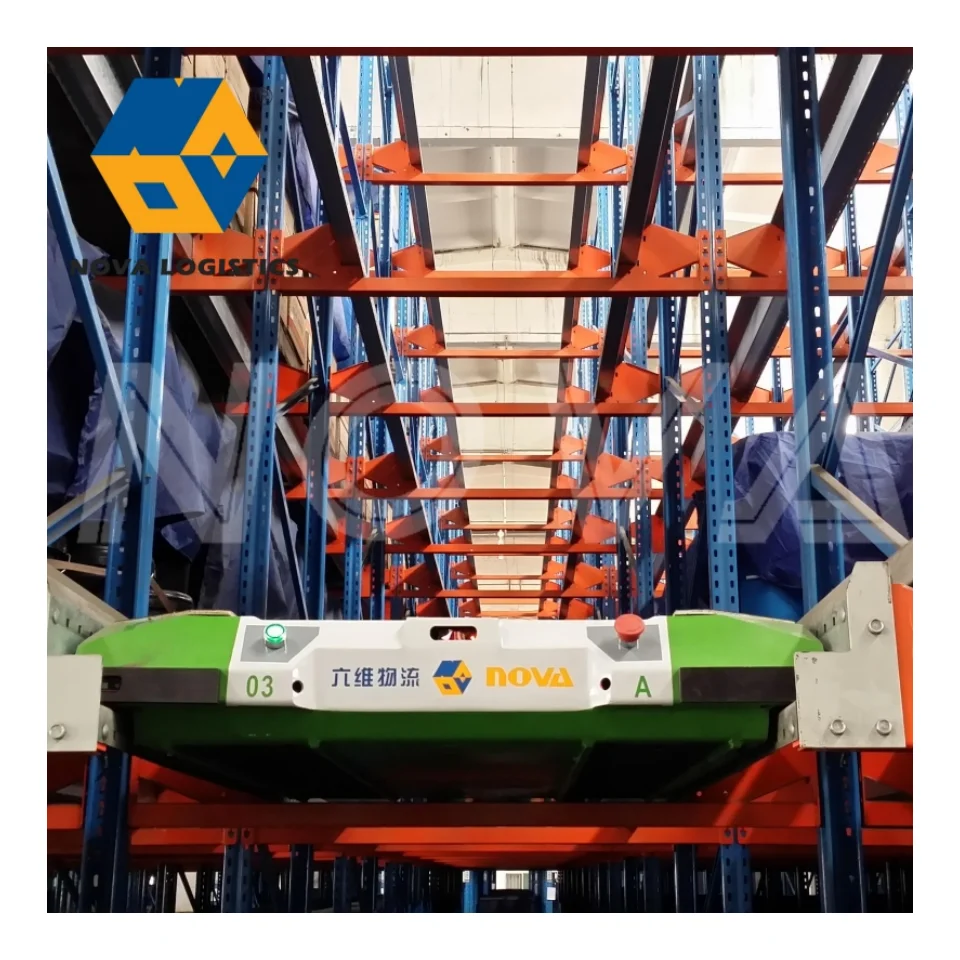
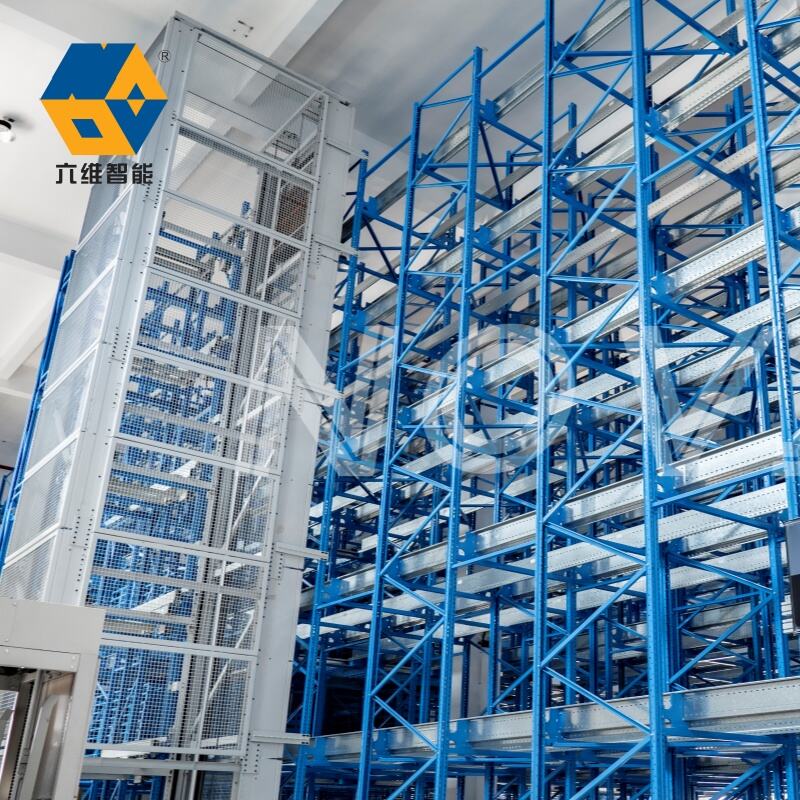
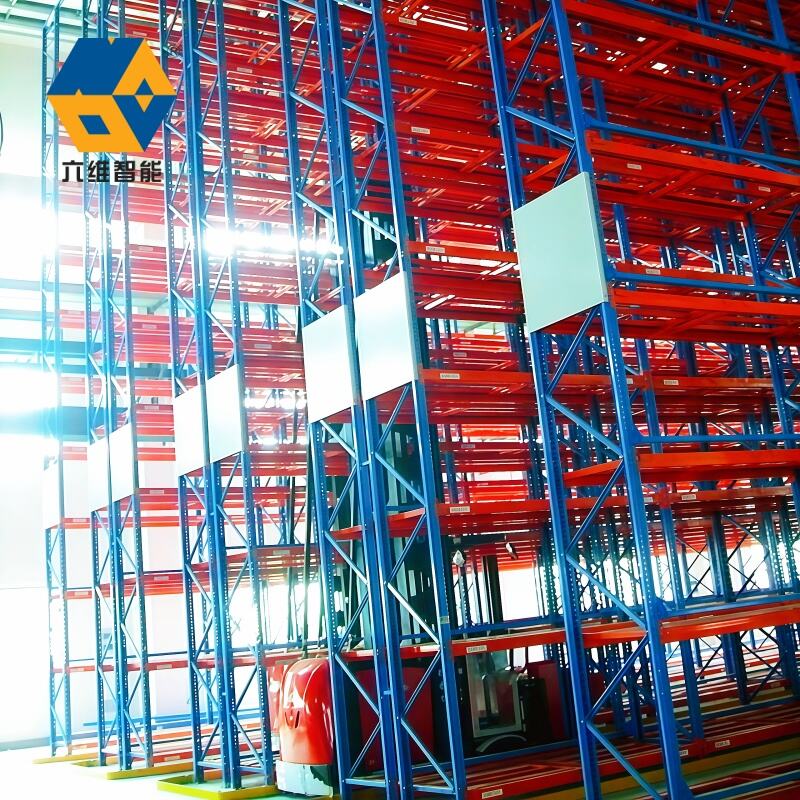
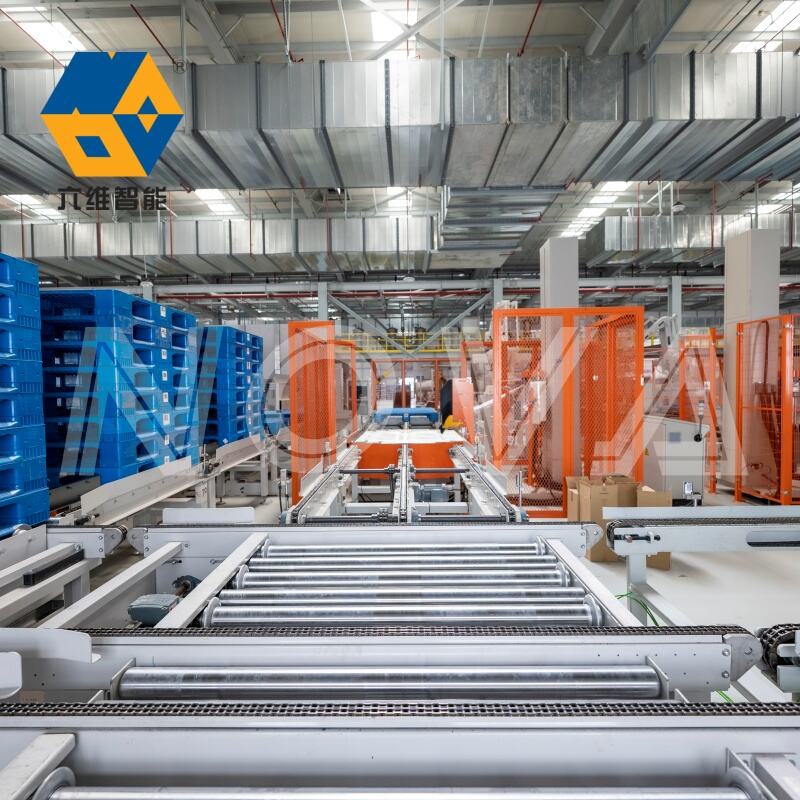
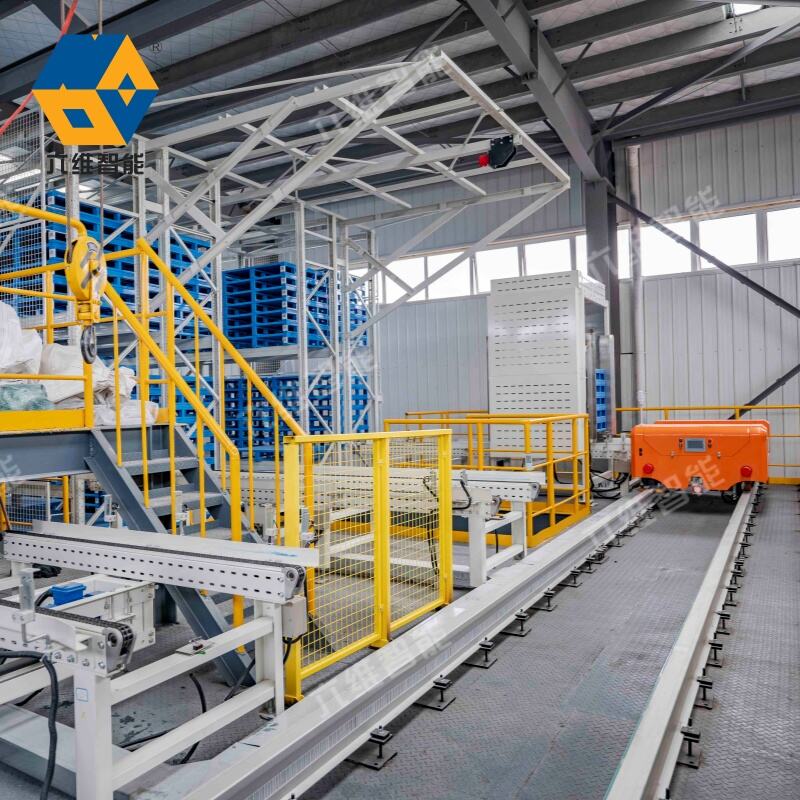
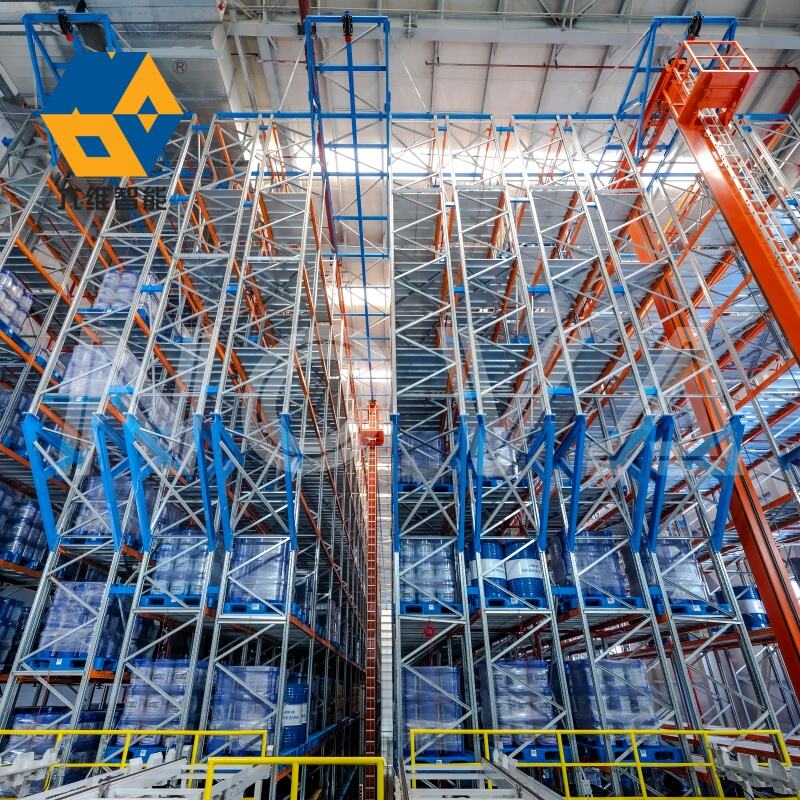
הקרון המניע של מערכת האחסון והחלץ האוטומטית (ASRS) מייצג טכנולוגיה מרכזית במערכות אוטומטיות מודרניות לאחסון ולחילוץ, ושימש כמנגנון העיקרי לעיבוד סחורה במתקני מחסן בעלי צפיפות גבוהה. ציוד מתקדם זה פועל באיזורים צרים בין מדפי אחסון גבוהים, ומעביר מלאי הן בכיוון אנכי והן בכיוון אופקי באופן יעיל, כדי לאחסן ולחלץ פריטים עם דיוק ניכר. קרון ASRS מורכב בדרך כלל מעמוד אנכי המורכב על מערכת מסילות אופקית, ומופעל על ידי מנגנון שטל או אוגר המיועד לעבד סוגי עומסים מגוונים, כגון פלטות, מכולות, ויחידות אחסון מיוחדות. תנועת הקרון נשלטת על ידי מערכות מחשב מתקדמות המשולבות באופן חלק בתוכנת ניהול המחסן, מה שמאפשר מעקב בזמן אמת אחר המלאי והקצאת אחסון אופטימלית. יחידות קרונות ASRS מודרניות מצוידות במונחים מניעים מבוססי סרוו, שמבטיחים תאוצה ובלימה חלקות, ובכך מפחיתים את הלחץ על הסחורה הנאגרת תוך שמירה על מהירויות تشغוליות גבוהות. האדריכלות הטכנולוגית כוללת מספר מערכות בטיחות, ביניהן חיישני מניעת התנגשות, מנגנוני בלימה חירום, ומערכות זיהוי מיקום כפולות, כדי להבטיח הן את בטיחות הפעילים והן את שלמות המוצר. מכונות אלו יכולות לפעול בסביבות טמפרטורות שונות, החל מתנאי סביבה רגילים ועד ליישומים של קיפאון עמוק שיכולים להגיע ל-40 מעלות צלזיוס שלילי, מה שהופך אותן לפתרונות רב-תכליתיים עבור מגוון ענפים. קרונות ASRS יכולים להגיע לגבהים העולים על 40 מטרים, תוך שמירה על דיוק מיקום בתוך מילימטרים, ובכך מקסמים את הניצול של המרחב האנכי במתקנים שבהם שטח הרצפה הוא נכס יקר. פרוטוקולי תקשורת כגון מערכות פילדבוס ואת'רנט תעשייתי מאפשרים לקרון לתאם פעולה עם ציוד אוטומציה אחר במחסן, כולל מסועים, מערכות מיון, ורכבים מונעים אוטומטית (AGV). עיצובים חסכוניים באנרגיה כוללים מערכות בלימה רגנרטיביות שאוספות אנרגיה קינטית במהלך הבלימה ומחזירות אותה לרשת החשמל של המתקן, ובכך מפחיתים את עלויות הפעלה. הבנייה המודולרית של מערכות קרונות ASRS מודרניות מאפשרת הרחבה, כך שמנהלי מחסנים יכולים להרחיב את הקapasיטי בהדרגה בהתאם לצמיחה בדרישות העסקיות, מבלי שיהיה צורך בשדרוג מלא של המערכת.
 EN
EN