
All Categories

How Can a Mezzanine System Double Usable Space Without Relocation?

2025-12-15 11:30:00
How Can a Mezzanine System Double Usable Space Without Relocation?

Warehouse managers and industrial facility operators face an increasingly common challenge: growing inventory demands that outpace available floor space. Traditional solutions often involve costly relocations or expensive facility expansions, but modern businesses are discovering a more strategic approach. A well-designed mezzanine structure can effectively double usable storage capacity while maintaining operational efficiency and avoiding the disruption of moving to a new location.

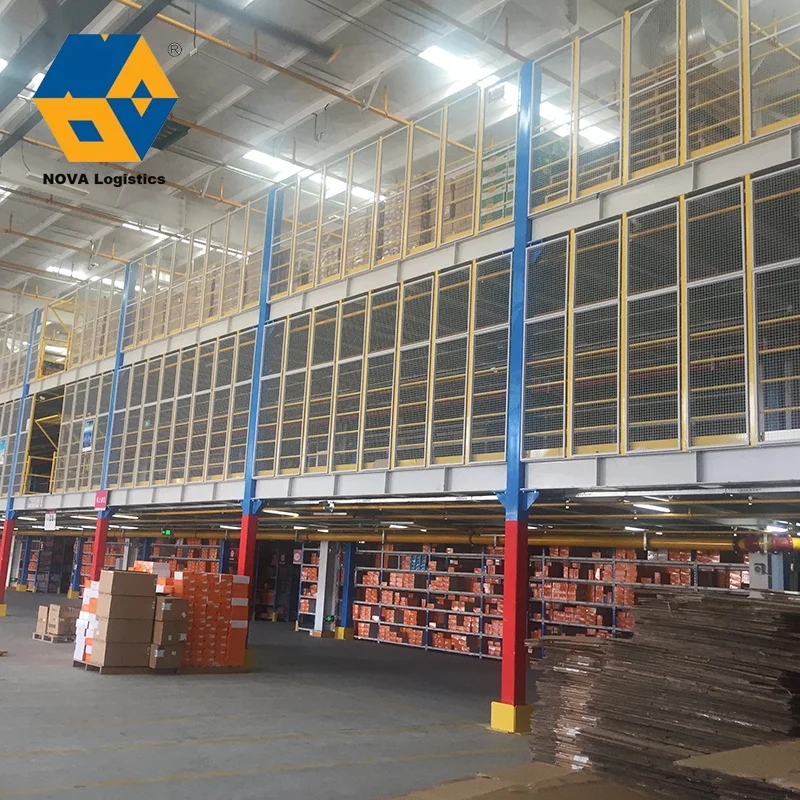
mezzanine

Industrial mezzanine systems represent a transformative solution for space optimization that leverages vertical real estate often left unused in warehouses and distribution centers. These elevated platforms create additional working levels within existing buildings, maximizing cubic footage without requiring external expansion or relocation expenses. The strategic implementation of mezzanine structures addresses space constraints while maintaining workflow continuity and operational accessibility.

Manufacturing facilities, e-commerce fulfillment centers, and retail distribution operations increasingly rely on mezzanine installations to accommodate expanding product lines and inventory volumes. The versatility of these systems allows businesses to create dedicated zones for different operational functions, from storage and picking areas to administrative offices and quality control stations. This multi-level approach optimizes both horizontal and vertical space utilization within the existing facility footprint.

Understanding Mezzanine System Architecture

Structural Engineering Fundamentals

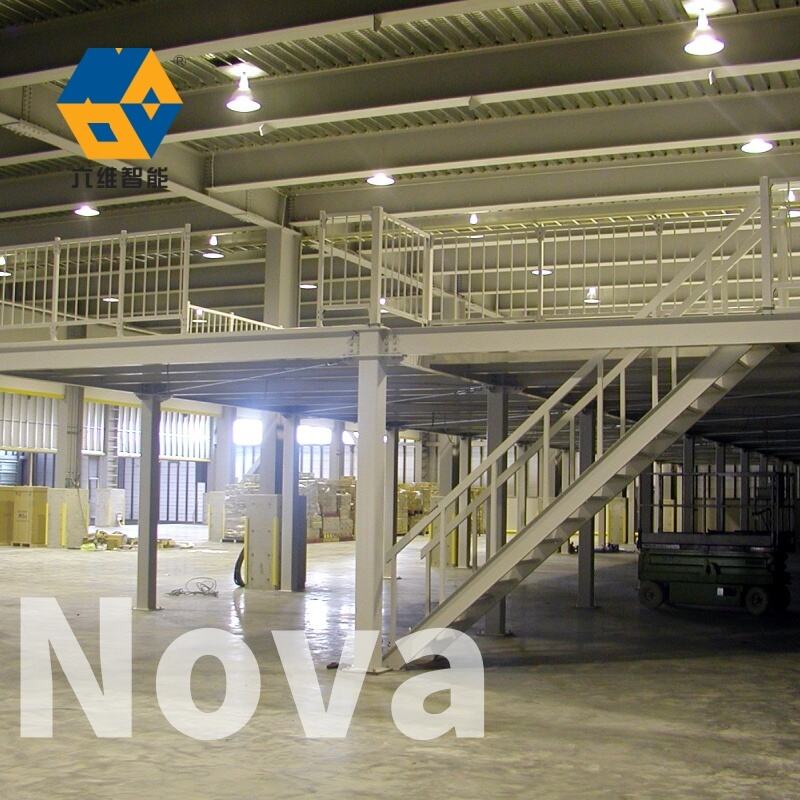
Modern mezzanine systems utilize engineered steel frameworks designed to support substantial load capacities while maintaining structural integrity throughout the building envelope. These platforms typically feature column-supported designs that distribute weight loads effectively without compromising the underlying floor structure or existing building systems. Professional engineering assessments ensure that mezzanine installations comply with local building codes and safety regulations while maximizing load-bearing capabilities.

The structural foundation of a quality mezzanine system incorporates hot-rolled steel beams and columns that provide exceptional strength-to-weight ratios. Decking materials range from steel grating and bar grating to solid steel plates and composite panels, depending on the intended application and load requirements. Connection methods utilize high-strength bolted assemblies that allow for future modifications or relocations if operational needs change.

Design Flexibility and Customization Options

Contemporary mezzanine designs offer extensive customization possibilities to accommodate specific operational workflows and space constraints. Modular components enable facility managers to configure platforms with varying heights, spans, and access points that integrate seamlessly with existing equipment and infrastructure. This flexibility extends to incorporating specialized features such as conveyor systems, material handling equipment, and integrated storage solutions.

Advanced mezzanine systems can incorporate multiple levels, creating three or four-story configurations that dramatically multiply available space. Stairway systems, safety railings, and access platforms ensure safe personnel movement between levels while maintaining compliance with occupational safety standards. The modular nature of these systems allows for phased installation approaches that minimize operational disruption during construction phases.

Space Multiplication Strategies

Vertical Space Utilization Principles

Effective mezzanine implementation focuses on maximizing underutilized vertical space that exists in most industrial facilities. Standard warehouse buildings typically feature ceiling heights ranging from 20 to 40 feet, providing ample opportunity for intermediate level installation. Strategic placement of mezzanine platforms can effectively double or triple usable square footage without expanding the building envelope or relocating operations.

The key to successful space multiplication lies in analyzing existing workflow patterns and identifying areas where elevated platforms can enhance rather than obstruct operational efficiency. High-traffic zones may benefit from open mezzanine designs that maintain sightlines and airflow, while storage areas can accommodate solid decking systems that provide maximum surface area for inventory placement and material handling activities.

Integration with Existing Infrastructure

Professional mezzanine installation requires careful coordination with existing building systems including HVAC, electrical, fire suppression, and lighting infrastructure. Modern installations incorporate utility routing capabilities that allow for seamless integration of power, data, and climate control systems on elevated platforms. This integration ensures that new operational areas maintain the same level of functionality and environmental control as ground-level spaces.

Successful mezzanine projects account for clearance requirements around existing equipment, overhead doors, and crane systems. Design engineers work closely with facility managers to identify optimal column placement that avoids interference with material handling equipment while maintaining structural stability. This collaborative approach ensures that space multiplication efforts enhance rather than complicate existing operational workflows.

Cost-Effectiveness Analysis

Capital Investment Comparison

The financial advantages of mezzanine installation become apparent when compared to alternative space expansion methods such as facility relocation or building additions. Typical mezzanine projects cost significantly less per square foot than new construction while avoiding the substantial expenses associated with moving operations, equipment, and inventory to new locations. The rapid installation timeline of mezzanine systems also minimizes revenue disruption compared to lengthy construction or relocation projects.

Return on investment calculations for mezzanine systems typically demonstrate payback periods of 12 to 24 months, depending on the specific application and operational improvements achieved. The ability to maintain current lease agreements while effectively doubling usable space provides immediate cost savings compared to securing additional facility space in competitive real estate markets. Long-term operational savings include reduced material handling distances and improved inventory accessibility.

Operational Efficiency Improvements

Beyond pure space multiplication, mezzanine systems often generate operational efficiencies that contribute to overall cost-effectiveness. Elevated platforms enable better organization of inventory and work processes, reducing picking times and improving order fulfillment accuracy. The ability to create dedicated zones for different operational functions eliminates cross-contamination between processes and improves overall workflow efficiency.

Material handling improvements achieved through strategic mezzanine placement can reduce labor costs and equipment requirements. Elevated storage areas positioned near shipping and receiving zones minimize transportation distances for high-velocity items. The improved organization and accessibility provided by multi-level systems often result in reduced inventory carrying costs and improved stock rotation practices.

Implementation Planning Considerations

Site Assessment and Engineering Requirements

Successful mezzanine implementation begins with comprehensive site assessment that evaluates existing structural conditions, soil bearing capacity, and building code compliance requirements. Professional structural engineers conduct load analysis to determine appropriate platform specifications and support requirements. This assessment process identifies any necessary modifications to existing infrastructure and ensures that proposed installations meet all safety and regulatory standards.

Environmental factors such as seismic considerations, wind loads, and temperature variations influence mezzanine design specifications and material selection. Geographic location and local building codes determine specific engineering requirements that must be incorporated into the design process. Professional consultation ensures that installations meet or exceed all applicable standards while optimizing performance and longevity.

Installation Timeline and Process Management

Typical mezzanine installation projects can be completed within 4 to 8 weeks, depending on complexity and size requirements. The modular nature of these systems allows for off-site fabrication that minimizes on-site construction time and operational disruption. Professional project management coordinates delivery schedules, installation sequences, and utility connections to maintain operational continuity throughout the construction process.

Phased installation approaches allow businesses to maintain operations while gradually expanding capacity through sequential platform construction. This methodology enables facility managers to test and optimize workflows on initial installations before completing full-scale projects. The flexibility of modular systems also accommodates future expansion or reconfiguration as operational requirements evolve.

Safety and Compliance Standards

Occupational Safety Requirements

Modern mezzanine installations must comply with comprehensive safety standards that protect personnel working on elevated platforms. Standard safety features include perimeter guardrails, toe plates, and handrails that meet OSHA requirements for fall protection. Stairway systems incorporate appropriate rise and run dimensions with non-slip treads and adequate lighting to ensure safe personnel movement between levels.

Emergency egress planning requires careful consideration of evacuation routes and capacity calculations for elevated work areas. Fire suppression systems must extend to mezzanine levels with appropriate detection and suppression capabilities. Professional safety consultations ensure that installations meet all applicable codes while providing practical functionality for daily operations.

Load Capacity and Structural Integrity

Engineering specifications for mezzanine systems incorporate substantial safety factors that exceed anticipated load requirements. Live load ratings typically range from 125 to 250 pounds per square foot, with higher capacities available for specialized applications. Professional load calculations account for concentrated loads, dynamic forces, and seismic considerations to ensure long-term structural integrity under all operating conditions.

Regular inspection and maintenance protocols help maintain structural integrity and safety compliance throughout the operational life of mezzanine systems. Professional inspection services verify connection integrity, identify potential wear points, and recommend preventive maintenance measures. Documentation of inspection results supports insurance requirements and regulatory compliance while ensuring continued safe operation.

FAQ

What are the typical load capacities for industrial mezzanine systems?

Industrial mezzanine systems typically support live loads ranging from 125 to 250 pounds per square foot for standard applications, with specialized designs capable of handling 500 pounds per square foot or more for heavy industrial use. The actual load capacity depends on structural design, column spacing, and intended application. Professional engineering analysis determines appropriate specifications based on specific operational requirements and ensures compliance with applicable building codes.

How long does mezzanine installation typically take?

Standard mezzanine installation projects are typically completed within 4 to 8 weeks from project initiation, including design, fabrication, and installation phases. The modular nature of these systems allows for off-site fabrication that reduces on-site construction time to 1 to 2 weeks for most installations. Complex projects with multiple levels or specialized features may require extended timelines, but the overall process remains significantly faster than building additions or facility relocations.

What building modifications are required for mezzanine installation?

Most mezzanine installations require minimal building modifications, as these systems are typically designed to work within existing structural parameters. Common requirements include concrete anchor points for column bases, electrical connections for platform lighting and power, and potential modifications to HVAC and fire suppression systems. Professional site assessment identifies specific requirements and ensures that installations integrate seamlessly with existing building systems while maintaining code compliance.

Can mezzanine systems be relocated or reconfigured?

Modern mezzanine systems utilize bolted connections and modular components that enable relocation or reconfiguration as operational needs change. The structural components can be disassembled, moved, and reassembled in new configurations or different facilities with minimal modification. This flexibility provides long-term value and adaptability that supports changing business requirements while protecting the original investment in the mezzanine system.

Get a Free Quote

Our representative will contact you soon.
Email
Name
Company Name
Message
0/1000