Industrial Warehouse Mezzanine Solutions - Maximize Space & Efficiency | Custom Storage Systems

All Categories

Get a Free Quote

Our representative will contact you soon.
Email
Name
Company Name
Message
0/1000

industrial warehouse mezzanine

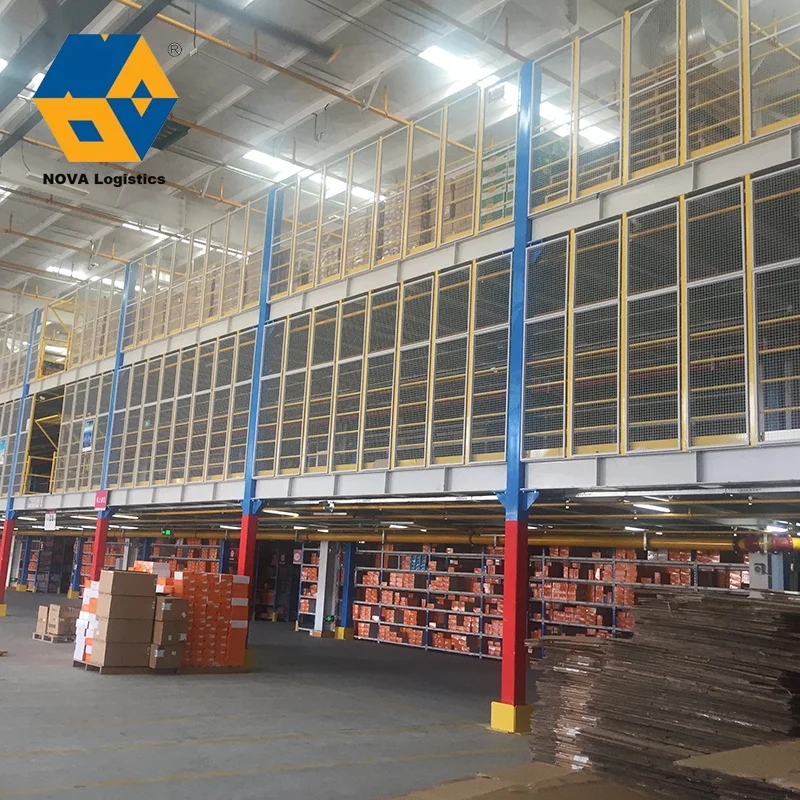
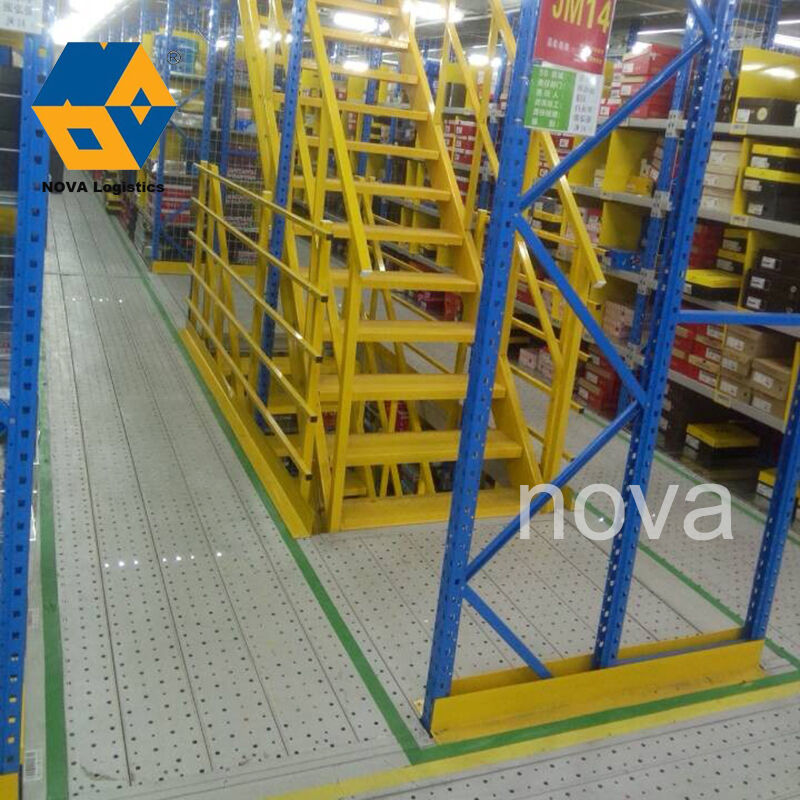
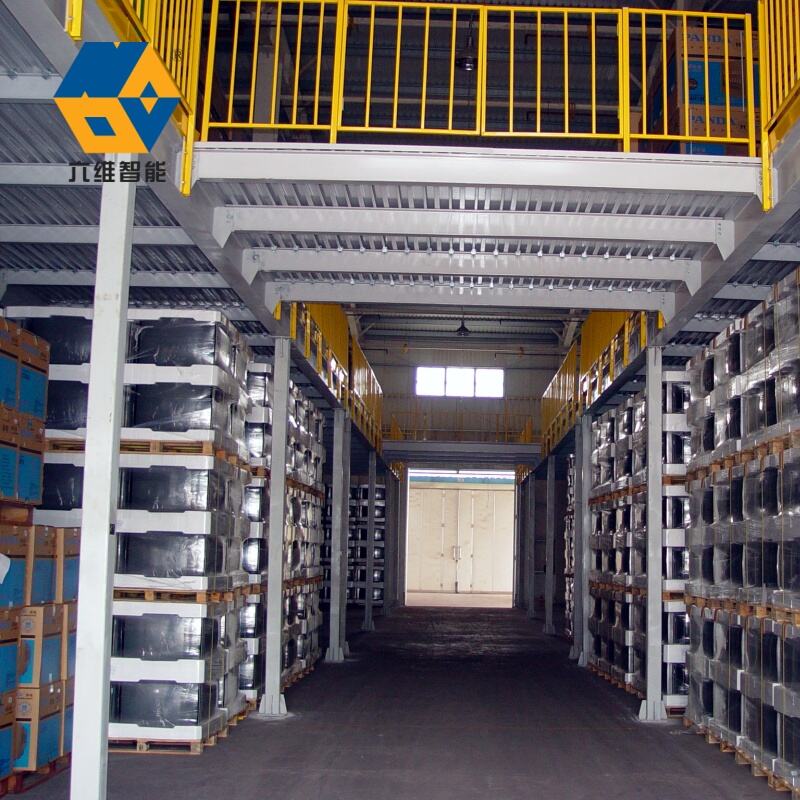
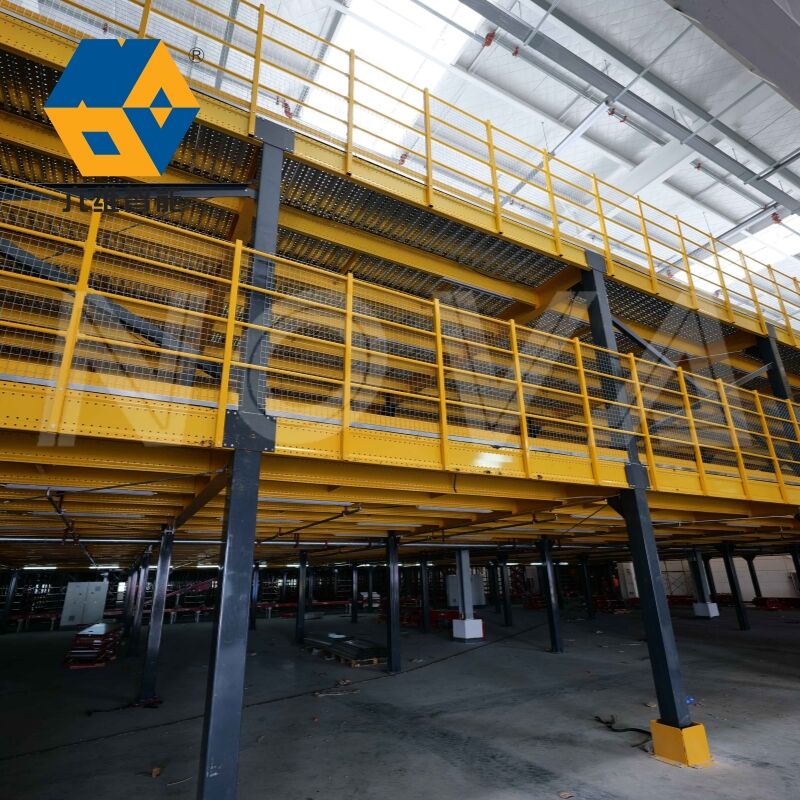
An industrial warehouse mezzanine represents a cost-effective structural solution designed to maximize vertical space within warehouse and distribution facilities. This elevated platform system creates additional usable floor area without the substantial expense of building expansion or relocation. The industrial warehouse mezzanine functions as a semi-permanent or permanent intermediate level installed between the main floor and ceiling, effectively doubling or even tripling available storage and operational space. These structures serve multiple purposes including inventory storage, office space creation, production areas, and order fulfillment zones. The technological features of an industrial warehouse mezzanine include engineered steel frame construction with support columns strategically positioned to maintain structural integrity while preserving ground-level workflow. Modern designs incorporate modular components allowing for custom configurations that adapt to specific facility requirements and weight load specifications. The platform surfaces typically consist of durable materials such as bar grating, resin board, or corrugated steel decking, selected based on intended use and load-bearing needs. Access solutions include staircases, ladders, and material lifts integrated seamlessly into the overall design. Safety features such as handrails, kick plates, and gates comply with occupational safety standards ensuring worker protection. Industrial warehouse mezzanines find applications across diverse sectors including e-commerce fulfillment centers, manufacturing plants, automotive parts distribution, retail operations, and third-party logistics providers. They prove particularly valuable in facilities experiencing growth but facing real estate constraints or budget limitations that prevent facility expansion. The flexibility of these systems allows businesses to reconfigure layouts as operational needs evolve, with many designs offering relocatable options that can be disassembled and reinstalled in different locations. Load capacities range from light-duty systems supporting 125 pounds per square foot to heavy-duty configurations handling 250 pounds per square foot or more, accommodating everything from document storage to heavy equipment placement.

New Product Releases

Investing in an industrial warehouse mezzanine delivers immediate and measurable benefits that directly impact your bottom line and operational efficiency. The most significant advantage lies in space multiplication without the prohibitive costs associated with building expansion or facility relocation. By utilizing vertical space that typically remains empty, businesses can effectively double their usable square footage while paying only a fraction of what new construction would cost. This approach eliminates expenses related to property acquisition, permits, construction downtime, and business interruption. Installation timelines for an industrial warehouse mezzanine span weeks rather than months, allowing companies to respond quickly to growth demands and seasonal fluctuations. The rapid deployment means you can start utilizing additional space and generating returns on investment almost immediately. Financial flexibility represents another compelling advantage, as mezzanine systems typically qualify as equipment rather than permanent structures, offering favorable depreciation schedules and potential tax benefits. Many businesses discover that improved organization and accessibility lead to enhanced productivity, as workers spend less time searching for inventory and more time fulfilling orders. The elevated design creates distinct zones for different operations, improving workflow separation between picking areas, packing stations, quality control, and administrative functions. Ground-level space remains accessible for larger equipment and high-volume storage, while the upper level accommodates lighter items and specialized operations. Safety improvements naturally follow proper mezzanine implementation, as designated walkways and work areas reduce congestion and minimize accident risks. The structures provide stable, code-compliant platforms that protect workers better than makeshift solutions or overcrowded floor spaces. Customization capabilities ensure the industrial warehouse mezzanine integrates perfectly with existing operations, accommodating specific dimensions, load requirements, and access preferences. Businesses retain the ability to modify or expand the system as needs change, preserving long-term adaptability. Energy efficiency improves when climate-controlled space requirements decrease, as not all elevated storage areas require the same environmental controls as ground-level operations. The investment protects against future uncertainty by creating capacity for growth without committing to permanent real estate decisions that might not align with evolving business strategies.

Latest News

How Does a Rack System Support Better Warehouse Safety Standards?

20

May

How Does a Rack System Support Better Warehouse Safety Standards?

Warehouse safety is a critical operational priority for any facility that handles significant volumes of inventory, equipment, or materials. At the center of most modern warehouse safety strategies is the rack system — a structural solution that orga...
View More
How Do Heavy Duty Rack Structures Improve Warehouse Safety?

20

May

How Do Heavy Duty Rack Structures Improve Warehouse Safety?

Warehouse safety is not an accidental outcome — it is the direct result of thoughtful infrastructure decisions. Among the most impactful of those decisions is the choice to invest in a properly engineered heavy duty rack system. These structures are ...
View More
What Makes a Longspan Rack Ideal for Medium- to Heavy-Duty Storage?

13

Jan

What Makes a Longspan Rack Ideal for Medium- to Heavy-Duty Storage?

Modern warehouses and industrial facilities face increasing pressure to optimize storage capacity while maintaining efficient access to inventory. The longspan rack has emerged as a versatile solution that bridges the gap between light-duty shelving ...
View More
What Are Essential Safety Tips for Installing a Steel Platform?

16

Mar

What Are Essential Safety Tips for Installing a Steel Platform?

Industrial facilities worldwide rely on steel platforms to maximize vertical storage space and improve operational efficiency. These robust structures serve as elevated work areas, storage solutions, and access points in warehouses, manufacturing pla...
View More

Get a Free Quote

Our representative will contact you soon.
Email
Name
Company Name
Message
0/1000

industrial warehouse mezzanine

Maximum Space Utilization Through Vertical Expansion

Maximum Space Utilization Through Vertical Expansion

The primary distinction that sets an industrial warehouse mezzanine apart from alternative solutions centers on its remarkable ability to transform underutilized vertical space into productive work areas without disrupting existing operations. Most warehouse facilities feature ceiling heights ranging from 18 to 40 feet, yet businesses typically use only the ground level, leaving enormous cubic footage completely wasted. An industrial warehouse mezzanine captures this dormant space, creating a functional second or even third level that operates independently while maintaining full ground-level accessibility. This vertical expansion approach proves especially valuable in urban locations where real estate costs make horizontal expansion economically impractical or physically impossible due to property boundaries. The engineering behind these systems ensures optimal load distribution through strategically positioned support columns that maintain structural integrity without creating obstacles to material handling equipment or workflow patterns. Unlike building additions that require extensive foundation work, utility extensions, and weather-dependent construction schedules, an industrial warehouse mezzanine installs within the existing envelope, protecting the project from delays and cost overruns. The space created serves unlimited purposes based on operational requirements, from high-density shelving systems and pallet storage to climate-controlled environments for sensitive inventory or comfortable office spaces that keep management teams connected to warehouse operations. Businesses frequently discover that separating functions vertically improves both efficiency and safety, as fast-moving picking operations can occur on the mezzanine level while bulk storage and receiving activities continue below without interference. The cleared floor space allows for better traffic patterns, reducing congestion that often leads to accidents and productivity losses. Load capacity specifications can be customized to match intended use, with engineering calculations ensuring compliance with all relevant building codes and safety standards. The flexibility extends to future modifications, as reputable systems feature modular designs that permit expansion, reconfiguration, or even complete relocation if business needs change or the company moves to a different facility, protecting the capital investment over extended periods.
Rapid Implementation With Minimal Business Disruption

Rapid Implementation With Minimal Business Disruption

Time represents one of the most critical factors in business decision-making, and the industrial warehouse mezzanine excels by delivering functional space in timeframes that traditional construction simply cannot match. From initial consultation to final inspection, the entire process typically completes within four to eight weeks depending on system complexity and size, compared to six months or more for building additions. This accelerated timeline stems from the prefabricated nature of quality mezzanine systems, where components are engineered and manufactured off-site according to precise specifications, then delivered ready for assembly. The installation phase occurs entirely within your existing facility, eliminating weather-related delays that plague outdoor construction projects. Professional installation teams work efficiently with minimal disruption to ongoing operations, often scheduling work during off-hours or in phases that keep business running normally. This approach proves invaluable for companies that cannot afford extended shutdowns or the revenue losses associated with operational interruptions. The speed advantage extends beyond mere convenience, translating directly into faster return on investment as the new space begins generating value weeks or months earlier than alternative solutions would allow. Seasonal businesses facing peak demand periods benefit enormously from this rapid deployment capability, adding capacity precisely when needed rather than missing opportunities while waiting for traditional construction. The industrial warehouse mezzanine also circumvents many regulatory hurdles that slow conventional building projects, as the structures often classify as equipment installations rather than permanent construction, simplifying or eliminating lengthy permitting processes. However, reputable providers still ensure all installations meet applicable building codes, fire safety regulations, and occupational safety requirements, providing documentation that satisfies inspectors and insurance carriers. The efficiency continues through the commissioning phase, as integrated staircases, safety railings, and access gates install as part of the system rather than requiring separate contractors and coordination headaches. Businesses can begin transitioning operations to the new level immediately upon completion, relocating inventory, establishing workstations, or installing specialized equipment without waiting for finishing touches that conventional construction demands.
Cost-Effective Investment With Long-Term Value Retention

Cost-Effective Investment With Long-Term Value Retention

Financial considerations drive most business infrastructure decisions, and the industrial warehouse mezzanine delivers exceptional value through multiple economic advantages that extend far beyond the initial price comparison. The upfront investment typically ranges from one-quarter to one-third the cost of equivalent square footage gained through building expansion, representing immediate capital preservation that can be directed toward inventory, equipment, or other growth initiatives. This cost efficiency stems from eliminating expenses associated with traditional construction including foundation work, exterior walls, roofing, utility extensions, and site preparation. The industrial warehouse mezzanine leverages existing building infrastructure, operating within the climate-controlled envelope you already maintain and connecting to existing lighting and power systems with minimal additional investment. Accounting treatment frequently favors these systems as well, with classification as personal property or equipment enabling accelerated depreciation schedules that provide tax advantages unavailable with permanent structures. Some businesses discover their industrial warehouse mezzanine qualifies for Section 179 deduction or bonus depreciation, creating immediate tax benefits that effectively reduce net investment costs. The value retention characteristic distinguishes quality mezzanine systems from many capital expenditures that depreciate without residual worth. A properly maintained industrial warehouse mezzanine retains substantial value throughout its service life, which often spans decades with minimal maintenance requirements. Should business needs change or relocation become necessary, the modular design allows disassembly and reinstallation at a new facility, protecting the capital investment and avoiding the total loss that accompanies abandoned building improvements. This portability also creates resale value, as used mezzanine systems find ready markets among businesses seeking cost-effective space solutions. The return on investment calculation extends beyond direct costs to include productivity gains, improved safety outcomes, enhanced organization, and increased capacity that enables revenue growth without proportional facility expense increases. Many businesses discover their industrial warehouse mezzanine pays for itself within two to three years through combination of avoided rental costs, increased throughput, and operational efficiencies. The scalability ensures the investment remains relevant as operations evolve, with expansion capabilities that accommodate growth without requiring complete system replacement.

Get a Free Quote

Our representative will contact you soon.
Email
Name
Company Name
Message
0/1000

Get a Free Quote

Our representative will contact you soon.
Email
Name
Company Name
Message
0/1000