
 EN
EN
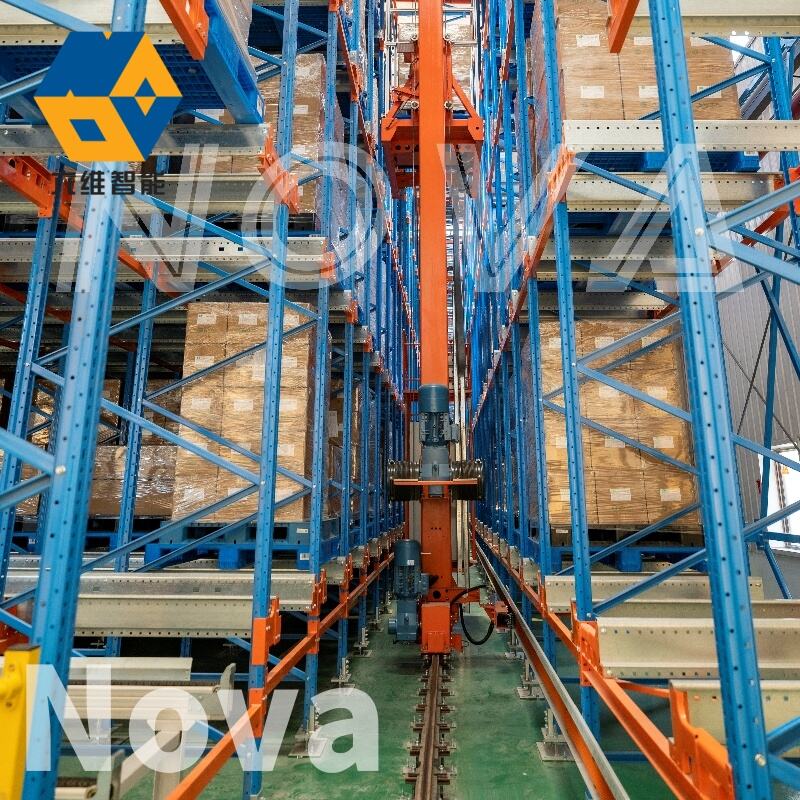
ឃ្លាំង និងមជ្ឈមណ្ឌលចែកចាយទំនើបៗប្រឈមមុខនឹងបញ្ហាប្រឈមដែលមិនធ្លាប់មានពីមុនមក នៅពេលគ្រប់គ្រងសារពើភ័ណ្ឌធុនធ្ងន់។ ការជ្រើសរើសប្រព័ន្ធរ៉ាកែតឧស្សាហកម្មសមស្របប៉ះពាល់ដោយផ្ទាល់ដល់ប្រសិទ្ធភាពប្រតិបត្តិការ ពិធីការសុវត្ថិភាព និងការគ្រប់គ្រងថ្លៃដើមរយៈពេលវែង។ ក្រុមហ៊ុនដែលវិនិយោគលើដំណោះស្រាយផ្ទុកដ៏រឹងមាំត្រូវតែវាយតម្លៃដោយប្រុងប្រយ័ត្ននូវតម្រូវការជាក់លាក់របស់ពួកគេ រួមទាំងសមត្ថភាពទម្ងន់ តម្រូវការភាពងាយស្រួលចូលប្រើប្រាស់ និងការរឹតបន្តឹងទីតាំង។ ប្រព័ន្ធរ៉ាកែតត្រឹមត្រូវផ្លាស់ប្តូរតំបន់ផ្ទុកដ៏ច្របូកច្របល់ទៅជាបរិយាកាសដែលមានរបៀបរៀបរយ និងមានផលិតភាព ដែលបង្កើនប្រសិទ្ធភាពទាំងទំហំបញ្ឈរ និងប្រសិទ្ធភាពលំហូរការងារ។

ការយល់ដឹងអំពីតម្រូវការផ្ទុកទំនិញធុនធ្ងន់
កត្តាពាក់ព័ន្ធនឹងទម្ងន់ដែលគ្រែអាចទ្របាន
ការគ្រប់គ្រងសារពើភ័ណ្ឌធុនធ្ងន់ចាប់ផ្តើមជាមួយនឹងការវាយតម្លៃត្រឹមត្រូវនៃតម្រូវការផ្ទុក។ កន្លែងឧស្សាហកម្មត្រូវតែគណនាមិនត្រឹមតែទម្ងន់នៃវត្ថុនីមួយៗប៉ុណ្ណោះទេ ប៉ុន្តែថែមទាំងបន្ទុករួមបញ្ចូលគ្នានៅទូទាំងផ្នែករ៉ាកែតទាំងមូលផងដែរ។ ប្រព័ន្ធរ៉ាកែតធុនធ្ងន់ភាគច្រើនអាចផ្ទុកបន្ទុកចាប់ពី 2,000 ដល់ 10,000 ផោនក្នុងមួយកម្រិតធ្នើរ ជាមួយនឹងការកំណត់រចនាសម្ព័ន្ធឯកទេសមួយចំនួនដែលគាំទ្រដល់សមត្ថភាពកាន់តែច្រើន។ វិស្វករណែនាំឱ្យធ្វើការវិភាគបន្ទុកយ៉ាងហ្មត់ចត់ដែលរួមបញ្ចូលកំណើនសារពើភ័ណ្ឌដែលអាចកើតមាន និងការប្រែប្រួលតាមរដូវនៃតម្រូវការផ្ទុក។
គំរូចែកចាយទម្ងន់មានឥទ្ធិពលយ៉ាងខ្លាំងទៅលើដំណើរការ និងអាយុកាលរបស់ប្រព័ន្ធរ៉ាកែត។ ការផ្ទុកមិនស្មើគ្នាបង្កើតកំហាប់ភាពតានតឹងដែលអាចធ្វើឱ្យខូចដល់ភាពសុចរិតនៃរចនាសម្ព័ន្ធតាមពេលវេលា។ ក្រុមដំឡើងដែលមានជំនាញវិជ្ជាជីវៈធានានូវគម្លាតធ្នឹម និងការដាក់ជួរឈរត្រឹមត្រូវ ដើម្បីដោះស្រាយបន្ទុកដែលរំពឹងទុកដោយសុវត្ថិភាព។ ពិធីការត្រួតពិនិត្យជាប្រចាំជួយកំណត់អត្តសញ្ញាណសញ្ញាដំបូងនៃការផ្ទុកលើសទម្ងន់ ឬអស់កម្លាំងនៃរចនាសម្ព័ន្ធ មុនពេលវាក្លាយជាគ្រោះថ្នាក់ដល់សុវត្ថិភាព។
ការធ្វើផែនការវិមាត្រ និងការបង្កើនប្រសិទ្ធភាពលំហ
ការប្រើប្រាស់ទំហំប្រកបដោយប្រសិទ្ធភាពតម្រូវឱ្យមានការវាស់វែងយ៉ាងច្បាស់លាស់នៃផ្ទៃកម្រាលដែលមាន កម្ពស់ពិដាន និងតម្រូវការទទឹងផ្លូវ។ ប្រព័ន្ធរ៉ាកែតឧស្សាហកម្មត្រូវតែសម្របទៅនឹងកាំបត់របស់រថយន្តសម្រាប់លើកដាក់ឥវ៉ាន់ តម្រូវការភាពមើលឃើញរបស់ប្រតិបត្តិករ និងច្រករបៀងចូលប្រើប្រាស់ក្នុងគ្រាអាសន្ន។ ការបង្កើនទំហំផ្ទុកបញ្ឈរឱ្យបានអតិបរមាជារឿយៗផ្តល់នូវផលចំណេញច្រើនបំផុតលើការវិនិយោគ ជាពិសេសនៅក្នុងគ្រឿងបរិក្ខារដែលមានពិដានខ្ពស់ និងថ្លៃដើមអចលនទ្រព្យថ្លៃ។
ភាពបត់បែននៃការកំណត់រចនាសម្ព័ន្ធអនុញ្ញាតឱ្យឃ្លាំងសម្របប្រព័ន្ធផ្ទុករបស់ពួកគេនៅពេលដែលទម្រង់សារពើភ័ណ្ឌផ្លាស់ប្តូរ។ កម្រិតធ្នឹមដែលអាចលៃតម្រូវបានអនុញ្ញាតឱ្យមានការកំណត់រចនាសម្ព័ន្ធឡើងវិញយ៉ាងរហ័សដោយមិនចាំបាច់ជំនួសប្រព័ន្ធទាំងស្រុង។ ការធ្វើផែនការឆ្លាតវៃរួមមានបទប្បញ្ញត្តិសម្រាប់ការពង្រីកនាពេលអនាគត ខ្សែផលិតផលជំនួស និងតម្រូវការប្រតិបត្តិការដែលផ្លាស់ប្តូរដែលអាចកើតឡើងក្នុងអាយុកាលរបស់ប្រព័ន្ធ។
ប្រព័ន្ធរបារផ្ទុកប៉ាឡេតប្រភេទជ្រើសរើស
លក្ខណៈពិសេសនៃការរចនា និងគុណសម្បត្តិ
ការដាក់ធ្នើរប៉ាឡែតជ្រើសរើសតំណាងឱ្យដំណោះស្រាយទូទៅបំផុតសម្រាប់កម្មវិធីផ្ទុកទំនិញធុនធ្ងន់។ ប្រព័ន្ធដែលអាចបត់បែនបាននេះផ្តល់នូវការចូលប្រើប្រាស់ដោយផ្ទាល់ទៅកាន់ទីតាំងប៉ាឡែតនីមួយៗ ដែលធ្វើឱ្យវាល្អសម្រាប់ប្រតិបត្តិការដែលត្រូវការការបង្វិលស្តុកញឹកញាប់ និងការគ្រប់គ្រងផលិតផលចម្រុះ។ ការកំណត់រចនាសម្ព័ន្ធស្តង់ដារសម្របទៅនឹងទំហំប៉ាឡែតស្តង់ដារ ខណៈពេលដែលផ្តល់នូវភាពបត់បែនសម្រាប់វិមាត្រផ្ទាល់ខ្លួន និងធុងផ្ទុកឯកទេស។
សមាសធាតុរចនាសម្ព័ន្ធរួមមានដែកសសរធ្ងន់ ធ្នឹមជណ្ដើរពង្រឹង និងគ្រឿងបន្ថែមសុវត្ថិភាពជាជម្រើសដូចជាកម្រាលលួស និងឧបករណ៍ការពារសសរ។ ប្រព័ន្ធរ៉ាកែតជ្រើសរើសដែលមានគុណភាពមានលក្ខណៈពិសេសនៃការបញ្ចប់ដោយថ្នាំលាបម្សៅដែលធន់នឹងការច្រេះ និងរក្សារូបរាងបានយូរ។ គោលការណ៍រចនាម៉ូឌុលអនុញ្ញាតឱ្យមានការពង្រីក និងការកំណត់រចនាសម្ព័ន្ធឡើងវិញបានយ៉ាងងាយស្រួលនៅពេលដែលតម្រូវការផ្ទុកវិវត្តន៍។
ការពិចារណាលើការដំឡើង និងការប្រុងប្រយ័ត្នសុវត្ថិភាព
ការដំឡើងប្រកបដោយវិជ្ជាជីវៈធានានូវការអនុលោមតាមក្រមសំណង់ក្នុងស្រុក និងស្តង់ដារសុវត្ថិភាពឧស្សាហកម្ម។ ប៊ូឡុងយុថ្កាត្រូវតែមានទំហំ និងដំឡើងត្រឹមត្រូវ ដើម្បីផ្ទេរបន្ទុកទៅជាន់បេតុងដោយសុវត្ថិភាព។ ការពិចារណាអំពីការរញ្ជួយដីអាចតម្រូវឱ្យមានការតោងបន្ថែម និងព័ត៌មានលម្អិតអំពីការតភ្ជាប់ឯកទេសនៅក្នុងតំបន់ដែលងាយនឹងរញ្ជួយដី។ ការត្រួតពិនិត្យសុវត្ថិភាពជាទៀងទាត់កំណត់អត្តសញ្ញាណបញ្ហាដែលអាចកើតមាន មុនពេលវាប៉ះពាល់ដល់ភាពសុចរិតរបស់ប្រព័ន្ធ ឬសុវត្ថិភាពកម្មករ។
គ្រឿងបន្ថែមសុវត្ថិភាពបង្កើនសុវត្ថិភាពប្រតិបត្តិការ និងកាត់បន្ថយហានិភ័យនៃគ្រោះថ្នាក់។ ឧបករណ៍បំបែកជួររក្សាទទឹងផ្លូវត្រឹមត្រូវ ខណៈពេលដែលឈុតសុវត្ថិភាពធ្នឹមការពារការផ្លាស់ទីលំនៅរបស់ធ្នឹមដោយចៃដន្យក្នុងអំឡុងពេលប្រតិបត្តិការផ្ទុក។ របាំងផលប៉ះពាល់ការពារធាតុផ្សំរចនាសម្ព័ន្ធសំខាន់ៗពីការខូចខាតដល់រថយន្តសម្រាប់លើកដាក់ឥវ៉ាន់ ដោយពន្យារអាយុកាលសេវាកម្មប្រព័ន្ធ និងរក្សាសមត្ថភាពទ្រទម្ងន់។
ប្រព័ន្ធបញ្ចូលនិងផ្លង់កាត់
អត្ថប្រយោជន៍នៃការផ្ទុកទិន្នន័យដង់ស៊ីតេខ្ពស់
ការដាក់ឥវ៉ាន់ចូលតាមរ៉ាកែតបង្កើនដង់ស៊ីតេផ្ទុកអតិបរមាដោយលុបបំបាត់ច្រកផ្លូវច្រើនរវាងជួររ៉ាកែត។ ការកំណត់រចនាសម្ព័ន្ធនេះសាកសមនឹងកន្លែងផ្ទុកផលិតផលដូចគ្នាបេះបិទក្នុងបរិមាណច្រើនជាមួយនឹងអត្រាប្តូរទំនិញទាប។ ប៉ាឡែតត្រូវបានរក្សាទុកក្នុងទីតាំងច្រើនជ្រៅ អាចចូលបានតែពីផ្នែកខាងមុខនៃប្រព័ន្ធប៉ុណ្ណោះ។ បំរែបំរួលការដាក់ឥវ៉ាន់ចូលតាមរ៉ាកែតផ្តល់នូវការចូលពីចុងទាំងពីរ ដែលផ្តល់នូវភាពបត់បែនបន្តិចបន្តួចនៅក្នុងយុទ្ធសាស្ត្រគ្រប់គ្រងសារពើភ័ណ្ឌ។
ការកែលម្អប្រសិទ្ធភាពលំហអាចឡើងដល់ ៤០-៦០% បើប្រៀបធៀបទៅនឹងប្រព័ន្ធដាក់ឥវ៉ាន់ជ្រើសរើស។ ទោះជាយ៉ាងណាក៏ដោយ ដង់ស៊ីតេនេះភ្ជាប់មកជាមួយនឹងការសម្របសម្រួលក្នុងភាពងាយស្រួលចូលប្រើប្រាស់ និងសមត្ថភាពបង្វិលស្តុក។ អង្គការនានាត្រូវតែវាយតម្លៃដោយប្រុងប្រយ័ត្ននូវល្បាយផលិតផល និងអត្រាប្តូរទំនិញរបស់ពួកគេ មុនពេលប្តេជ្ញាចិត្តចំពោះដំណោះស្រាយផ្ទុកដែលមានដង់ស៊ីតេខ្ពស់។ លំហូរស្តុកទំនិញចូលមុនចេញក្រោយ កំណត់លក្ខណៈប្រតិបត្តិការបើកបរចូលភាគច្រើន។
តម្រូវការវិស្វកម្មរចនាសម្ព័ន្ធ
ប្រព័ន្ធ Drive-in ទាមទារការរចនារចនាសម្ព័ន្ធរឹងមាំដើម្បីទប់ទល់នឹងបន្ទុកប្រមូលផ្តុំ និងកម្លាំងប៉ះទង្គិចដែលអាចកើតមានពីឧបករណ៍ដោះស្រាយសម្ភារៈ។ ផ្លូវដែកណែនាំការពារជើងទម្រពីការប៉ះនឹងរថយន្តសម្រាប់លើកដាក់ឥវ៉ាន់ ខណៈពេលដែលរក្សាការតម្រឹមគន្លងផ្លូវត្រឹមត្រូវ។ សំណង់ធុនធ្ងន់ជាធម្មតារួមបញ្ចូលផ្នែកដែកក្រាស់ជាង និងព័ត៌មានលម្អិតនៃការតភ្ជាប់ដែលបានពង្រឹងបើប្រៀបធៀបទៅនឹងជម្រើសរ៉ាកែតដែលបានជ្រើសរើស។
ការរចនាត្រឹមត្រូវគិតគូរពីការអត់ធ្មត់ដែលប្រមូលផ្តុំនៅទូទាំងទីតាំងប៉ាឡែតច្រើន។ ផ្លូវដែកត្រូវតែរក្សាភាពត្រង់ និងកម្ពស់ត្រឹមត្រូវ ដើម្បីធានាបាននូវប្រតិបត្តិការរថយន្តសម្រាប់លើកដាក់ឥវ៉ាន់ដោយរលូនពេញមួយជម្រៅផ្ទុក។ ប្រព័ន្ធគុណភាពរួមបញ្ចូលលក្ខណៈពិសេសនៃការលៃតម្រូវដែលទូទាត់សងសម្រាប់ការប្រែប្រួលនៃការដំឡើងតិចតួច និងការរួញនៃអគារតាមពេលវេលា។
ប្រព័ន្ធរុញថយក្រោយ និងលំហូរប៉ាឡែត
ដំណោះស្រាយផ្ទុកទិន្នន័យថាមវន្ត
ប្រព័ន្ធរ៉ាកែតរុញថយក្រោយផ្សំដង់ស៊ីតេផ្ទុកខ្ពស់ជាមួយនឹងភាពងាយស្រួលក្នុងការចូលប្រើប្រាស់ស្តុកបានប្រសើរជាងជម្រើសបើកបរចូល។ យន្តការរទេះឯកទេសអនុញ្ញាតឱ្យប៉ាឡែតរក្សាទុកច្រើនទីតាំងជ្រៅ ខណៈពេលដែលរក្សាបាននូវលំហូរស្តុកចូលក្រោយចេញមុន។ គន្លងនីមួយៗដំណើរការដោយឯករាជ្យ ដែលផ្តល់នូវការបំបែកផលិតផល និងការគ្រប់គ្រងស្តុកបានល្អប្រសើរជាងប្រព័ន្ធដង់ស៊ីតេខ្ពស់បែបប្រពៃណី។
ប្រព័ន្ធលំហូរប៉ាឡែតប្រើប្រាស់ឧបករណ៍រំកិល ឬឧបករណ៍បញ្ជូនកង់ដែលបញ្ចូលដោយទំនាញផែនដី ដើម្បីផ្លាស់ទីប៉ាឡែតពីទីតាំងផ្ទុកទៅទីតាំងរើស។ ការកំណត់រចនាសម្ព័ន្ធនេះអាចឱ្យមានការគ្រប់គ្រងសារពើភ័ណ្ឌចូលមុនចេញមុន ដែលមានសារៈសំខាន់សម្រាប់ទំនិញងាយខូច ឬផលិតផលដែលងាយនឹងខូចពេលវេលា។ ចលនាដោយស្វ័យប្រវត្តិកាត់បន្ថយតម្រូវការកម្លាំងពលកម្ម ខណៈពេលដែលធ្វើអោយប្រសើរឡើងនូវភាពត្រឹមត្រូវនៃការរើស និងប្រសិទ្ធភាពប្រតិបត្តិការពេញមួយដំណើរការផ្ទុក។
ការពិចារណាលើការថែទាំ និងប្រតិបត្តិការ
ប្រព័ន្ធផ្ទុកថាមវន្តត្រូវការការថែទាំជាប្រចាំដើម្បីធានាបាននូវប្រតិបត្តិការរលូន និងការពារពេលវេលារងចាំដែលចំណាយច្រើន។ ការផ្គុំរំកិល យន្តការរទេះ និងប្រព័ន្ធហ្វ្រាំងត្រូវការការត្រួតពិនិត្យ និងការរំអិលជាប្រចាំ។ កាលវិភាគថែទាំត្រឹមត្រូវកាត់បន្ថយអត្រាពាក់ និងពន្យារអាយុកាលសេវាកម្មគ្រឿងបន្លាស់ ខណៈពេលដែលរក្សាកម្រិតដំណើរការប្រព័ន្ធល្អបំផុត។
ការបណ្តុះបណ្តាលប្រតិបត្តិករក្លាយជារឿងសំខាន់សម្រាប់ភាពជោគជ័យនៃប្រព័ន្ធថាមវន្ត។ បច្ចេកទេសផ្ទុកត្រឹមត្រូវ ការគ្រប់គ្រងល្បឿន និងនីតិវិធីដោះស្រាយឧបករណ៍ប៉ះពាល់ដោយផ្ទាល់ដល់អាយុកាលរបស់ប្រព័ន្ធ និងដំណើរការសុវត្ថិភាព។ នីតិវិធីប្រតិបត្តិការច្បាស់លាស់ និងការបណ្តុះបណ្តាលឡើងវិញជាប្រចាំជួយរក្សាស្តង់ដារប្រតិបត្តិការឱ្យស៊ីសង្វាក់គ្នានៅទូទាំងវេន និងការផ្លាស់ប្តូរបុគ្គលិកទាំងអស់។
ធ្នើរ Cantilever សម្រាប់វត្ថុវែងៗ
កម្មវិធីផ្ទុកឯកទេស
ធ្នើរ Cantilever ល្អឥតខ្ចោះក្នុងការរក្សាទុករបស់របរវែងៗ ឆ្គងៗ ឬមានរាងមិនទៀងទាត់ ដែលមិនសមនឹងប្រព័ន្ធផ្ទុកប៉ាឡែតធម្មតា។ ឈើ ដែក បំពង់ និងសម្ភារៈសន្លឹកទទួលបានអត្ថប្រយោជន៍ពីការរចនាផ្នែកខាងមុខបើកចំហ ដែលលុបបំបាត់ឧបសគ្គបញ្ឈរ។ ប្រព័ន្ធ cantilever ធន់ធ្ងន់ទ្រទ្រង់បន្ទុកច្រើន ខណៈពេលដែលផ្តល់នូវភាពងាយស្រួលក្នុងការចូលប្រើទាំងប្រតិបត្តិការផ្ទុក និងទាញយកមកវិញ។
ការកំណត់រចនាសម្ព័ន្ធដៃទ្រអាចលៃតម្រូវបានដើម្បីសម្របទៅនឹងវិមាត្រ និងទម្ងន់ផលិតផលផ្សេងៗ។ ដៃត្រង់ដំណើរការបានល្អសម្រាប់សម្ភារៈឯកសណ្ឋាន ខណៈពេលដែលដៃទ្រផ្អៀងផ្តល់ការគាំទ្រកាន់តែប្រសើរសម្រាប់វត្ថុដែលរលុង ឬអាចបត់បែនបាន។ ការវាយតម្លៃសមត្ថភាពប្រែប្រួលយ៉ាងខ្លាំងអាស្រ័យលើប្រវែងដៃទ្រ ការចែកចាយបន្ទុក និងការកំណត់រចនាសម្ព័ន្ធមូលដ្ឋាន ដែលតម្រូវឱ្យមានការវិភាគវិស្វកម្មយ៉ាងប្រុងប្រយ័ត្នសម្រាប់កម្មវិធីជាក់លាក់នីមួយៗ។
លក្ខណៈពិសេសនៃការរចនា និងសុវត្ថិភាព
ស្ថេរភាពរចនាសម្ព័ន្ធអាស្រ័យលើការរចនាមូលដ្ឋានត្រឹមត្រូវ និងការគាំទ្រគ្រឹះគ្រប់គ្រាន់។ មូលដ្ឋានដែលមានជំហរធំទូលាយចែកចាយបន្ទុកប្រកបដោយប្រសិទ្ធភាព ខណៈពេលដែលទប់ទល់នឹងកម្លាំងក្រឡាប់ពីលក្ខខណ្ឌផ្ទុកមិនស្មើគ្នា។ ការចងភ្ជាប់ទៅនឹងរចនាសម្ព័ន្ធអគារ ឬប្រព័ន្ធរ៉ាកែតដែលនៅជាប់គ្នាអាចត្រូវបានទាមទារសម្រាប់ការអនុលោមតាមរញ្ជួយដី ឬស្ថេរភាពប្រសើរឡើងនៅក្នុងការកំណត់រចនាសម្ព័ន្ធជាក់លាក់។
លក្ខណៈពិសេសសុវត្ថិភាពរួមមាន ចំណុចឈប់ដៃដើម្បីការពារការផ្ទុកលើសចំណុះ បន្ទះការពារមូលដ្ឋានដើម្បីការពារការខូចខាតដោយផលប៉ះពាល់ និងការសម្គាល់សមត្ថភាពច្បាស់លាស់ដើម្បីការពារការផ្ទុកលើសទម្ងន់។ ការត្រួតពិនិត្យជាប្រចាំផ្តោតលើការពត់ដៃ ភាពសុចរិតនៃការតភ្ជាប់ និងស្ថេរភាពមូលដ្ឋាន។ សញ្ញាណាមួយនៃការពាក់ ឬខូចខាតហួសប្រមាណតម្រូវឱ្យមានការយកចិត្តទុកដាក់ជាបន្ទាន់ដើម្បីរក្សាលក្ខខណ្ឌប្រតិបត្តិការដែលមានសុវត្ថិភាព។
ការរួមបញ្ចូលការគ្រប់គ្រងសម្ភារៈ
ភាពឆបគ្នារបស់រថយន្ត Forklift
ជោគជ័យ សម្ព័ន្ធអនុសាសន៍ឧស្សាហកម្ម ការធ្វើសមាហរណកម្មតម្រូវឱ្យមានការសម្របសម្រួលយ៉ាងប្រុងប្រយ័ត្នជាមួយនឹងសមត្ថភាពឧបករណ៍ដោះស្រាយសម្ភារៈ។ លក្ខណៈបច្ចេកទេសរបស់រថយន្តសម្រាប់លើក រួមទាំងកម្ពស់លើក កម្រិតសមត្ថភាព និងកាំបត់ មានឥទ្ធិពលដោយផ្ទាល់ទៅលើប៉ារ៉ាម៉ែត្ររចនារ៉ាក់។ ទទឹងច្រកផ្លូវត្រូវតែសមស្របទៅនឹងវិមាត្រឧបករណ៍ ខណៈពេលដែលអនុញ្ញាតឱ្យមានចន្លោះប្រហោងសុវត្ថិភាពសម្រាប់ប្រតិបត្តិករ។
ការពិចារណាលើការដោះស្រាយបន្ទុកលាតសន្ធឹងហួសពីដែនកំណត់ទម្ងន់ឋិតិវន្ត ដើម្បីរួមបញ្ចូលកម្លាំងថាមវន្តក្នុងអំឡុងពេលលើក បន្ទាប និងប្រតិបត្តិការដឹកជញ្ជូន។ បន្ទុកប៉ះទង្គិចពីការបង្កើនល្បឿនយ៉ាងលឿន ឬការឈប់ភ្លាមៗអាចលើសពីការវាយតម្លៃឋិតិវន្តយ៉ាងសំខាន់។ អ្នករចនាប្រព័ន្ធអាជីពគិតគូរពីកត្តាថាមវន្តទាំងនេះ នៅពេលបញ្ជាក់ការវាយតម្លៃសមាសធាតុ និងព័ត៌មានលម្អិតនៃការតភ្ជាប់។
ស្វ័យប្រវត្តិកម្ម និងការបញ្ចូលបច្ចេកវិទ្យា
ឃ្លាំងទំនើបៗកំពុងបញ្ចូលប្រព័ន្ធស្វ័យប្រវត្តិ និងការបង្កើនបច្ចេកវិទ្យាកាន់តែច្រើនឡើងៗ ដែលជះឥទ្ធិពលដល់តម្រូវការប្រព័ន្ធដាក់ឥវ៉ាន់។ ប្រព័ន្ធផ្ទុក និងទាញយកដោយស្វ័យប្រវត្តិទាមទារការអត់ធ្មត់វិមាត្រច្បាស់លាស់ និងប្រព័ន្ធណែនាំឯកទេស។ ប្រព័ន្ធកំណត់អត្តសញ្ញាណប្រេកង់វិទ្យុ និងការរួមបញ្ចូលកម្មវិធីគ្រប់គ្រងឃ្លាំងតម្រូវឱ្យមានការពិចារណាក្នុងដំណាក់កាលធ្វើផែនការប្រព័ន្ធដំបូង។
យុទ្ធសាស្ត្រសម្រាប់ការការពារអនាគតរួមមានបទប្បញ្ញត្តិសម្រាប់ការធ្វើឲ្យប្រសើរឡើងនូវបច្ចេកវិទ្យា និងការអនុវត្តស្វ័យប្រវត្តិកម្ម។ ការរចនារចនាសម្ព័ន្ធគួរតែសម្របទៅនឹងការកែប្រែឧបករណ៍ដែលអាចមានដោយមិនតម្រូវឲ្យមានការជំនួសប្រព័ន្ធទាំងស្រុងឡើយ។ ការធ្វើផែនការហេដ្ឋារចនាសម្ព័ន្ធអគ្គិសនីអាចឲ្យមានការរួមបញ្ចូលគ្នាយ៉ាងរលូននៃប្រព័ន្ធស្កេន ឧបករណ៍ចាប់សញ្ញា និងឧបករណ៍ស្វ័យប្រវត្តិនៅពេលដែលតម្រូវការប្រតិបត្តិការវិវត្តន៍។
ការវិភាគថ្លៃដើម និងផលតបស្នងវិនិយោគ
កត្តាដែលត្រូវពិចារណាសម្រាប់ការវិនិយោគដំបូង
ប្រព័ន្ធរ៉ាកែតឧស្សាហកម្មតំណាងឲ្យការវិនិយោគដើមទុនដ៏សំខាន់ដែលទាមទារឲ្យមានការវិភាគហិរញ្ញវត្ថុយ៉ាងហ្មត់ចត់។ ការចំណាយដំបូងរួមមានការទិញឧបករណ៍ ការដំឡើងប្រកបដោយវិជ្ជាជីវៈ គ្រឿងបន្ថែមសុវត្ថិភាព និងការកែប្រែអគារដែលអាចកើតមាន។ ប្រព័ន្ធដែលមានគុណភាពទាមទារតម្លៃខ្ពស់ ប៉ុន្តែផ្តល់នូវអាយុកាលប្រើប្រាស់បានយូរជាងមុន ប្រសិទ្ធភាពសុវត្ថិភាព និងភាពជឿជាក់នៃប្រតិបត្តិការដែលបង្ហាញអំពីភាពត្រឹមត្រូវនៃការចំណាយជាមុនខ្ពស់ជាង។
ថ្លៃដើមសរុបនៃភាពជាម្ចាស់លើសពីតម្លៃទិញដំបូង។ ភាពស្មុគស្មាញនៃការដំឡើង តម្រូវការអនុញ្ញាត និងការរំខានប្រតិបត្តិការក្នុងអំឡុងពេលអនុវត្តប៉ះពាល់ដល់ថ្លៃដើមគម្រោងទាំងមូល។ ការគ្រប់គ្រងគម្រោងប្រកបដោយវិជ្ជាជីវៈកាត់បន្ថយការចំណាយដែលមិននឹកស្មានដល់ និងធានាការបញ្ចប់ទាន់ពេលវេលាក្នុងថវិកាដែលបានអនុម័ត ខណៈពេលដែលរក្សាស្តង់ដារគុណភាពពេញមួយដំណើរការដំឡើង។
សមត្ថភាពពិន្ទុយ៉ាងរយៈពេលវែង
ការគណនាអត្រាផលចំណេញលើការវិនិយោគត្រូវតែរួមបញ្ចូលទាំងការសន្សំដោយផ្ទាល់ពីប្រសិទ្ធភាពផ្ទុកដែលប្រសើរឡើង និងអត្ថប្រយោជន៍ដោយប្រយោលពីសមត្ថភាពប្រតិបត្តិការដែលប្រសើរឡើង។ ការកាត់បន្ថយថ្លៃដើមពលកម្ម ភាពត្រឹមត្រូវនៃសារពើភ័ណ្ឌដែលប្រសើរឡើង និងការថយចុះការខូចខាតផលិតផលរួមចំណែកដល់អត្ថប្រយោជន៍សេដ្ឋកិច្ចទាំងមូល។ ការកែលម្អសុវត្ថិភាពកាត់បន្ថយបុព្វលាភធានារ៉ាប់រង និងលុបបំបាត់ការចំណាយថ្លៃដើមទាក់ទងនឹងគ្រោះថ្នាក់ក្នុងអាយុកាលសេវាកម្មរបស់ប្រព័ន្ធ។
ការពិចារណាលើតម្លៃសំណល់ក្លាយជារឿងសំខាន់សម្រាប់អង្គការនានាដែលកំពុងរៀបចំផែនការផ្លាស់ប្តូរ ឬពង្រីកកន្លែងនាពេលអនាគត។ ប្រព័ន្ធរ៉ាកែតដែលមានគុណភាពរក្សាតម្លៃ និងអាចត្រូវបានផ្លាស់ប្តូរទីតាំង ឬកំណត់រចនាសម្ព័ន្ធឡើងវិញសម្រាប់កម្មវិធីថ្មីៗ។ សមាសធាតុស្តង់ដារធានានូវភាពអាចរកបាននៃគ្រឿងបន្លាស់ជំនួស និងសម្ភារៈពង្រីកពេញមួយអាយុកាលប្រតិបត្តិការរបស់ប្រព័ន្ធ។
សំណួរញឹកញាប់
តើខ្ញុំគួររំពឹងពីប្រព័ន្ធរ៉ាកែតឧស្សាហកម្មធុនធ្ងន់ដែលអាចទ្រទម្ងន់បានប៉ុន្មាន?
ប្រព័ន្ធរ៉ាកែតឧស្សាហកម្មធុនធ្ងន់ជាធម្មតាទ្រទ្រង់ទម្ងន់ចន្លោះពី 2,000 ទៅ 10,000 ផោនក្នុងមួយកម្រិតធ្នឹម ដោយការកំណត់រចនាសម្ព័ន្ធឯកទេសមួយចំនួនអាចទប់ទល់នឹងបន្ទុកកាន់តែច្រើន។ សមត្ថភាពពិតប្រាកដអាស្រ័យលើប្រវែងធ្នឹម គម្លាតទ្រទ្រង់ និងគំរូចែកចាយបន្ទុក។ តែងតែពិគ្រោះជាមួយវិស្វកររចនាសម្ព័ន្ធដើម្បីកំណត់ការវាយតម្លៃសមត្ថភាពសមស្របសម្រាប់កម្មវិធីជាក់លាក់របស់អ្នក និងធានាបាននូវការអនុលោមតាមក្រមសំណង់ក្នុងស្រុក និងស្តង់ដារសុវត្ថិភាព។
តើខ្ញុំកំណត់ទទឹងផ្លូវដើរត្រឹមត្រូវសម្រាប់ប្រព័ន្ធរ៉ាកែតរបស់ខ្ញុំដោយរបៀបណា?
តម្រូវការទទឹងច្រកផ្លូវអាស្រ័យជាចម្បងលើលក្ខណៈបច្ចេកទេសនៃឧបករណ៍ដោះស្រាយសម្ភារៈរបស់អ្នក ជាពិសេសកាំបត់របស់រថយន្តសម្រាប់លើកដាក់ឥវ៉ាន់ និងវិមាត្រផ្ទុក។ រថយន្តសម្រាប់លើកដាក់ឥវ៉ាន់ទប់លំនឹងស្តង់ដារជាធម្មតាតម្រូវឱ្យមានទទឹងច្រកផ្លូវពី 12-13 ហ្វីត ខណៈដែលឧបករណ៍ច្រកផ្លូវតូចចង្អៀតអាចដំណើរការក្នុងច្រកផ្លូវដែលមានទទឹងពី 8-10 ហ្វីត។ តែងតែរួមបញ្ចូលចន្លោះបន្ថែមសម្រាប់ប្រតិបត្តិការដែលមានសុវត្ថិភាព និងពិចារណាលើការផ្លាស់ប្តូរឧបករណ៍នាពេលអនាគតនៅពេលបញ្ចប់វិមាត្រច្រកផ្លូវ។
តើការថែទាំអ្វីខ្លះដែលត្រូវការសម្រាប់ប្រព័ន្ធរ៉ាកែតឧស្សាហកម្ម
កាលវិភាគត្រួតពិនិត្យជាប្រចាំគួរតែរួមបញ្ចូលការត្រួតពិនិត្យការខូចខាតរចនាសម្ព័ន្ធ ការតភ្ជាប់រលុង និងការចែកចាយបន្ទុកត្រឹមត្រូវ។ ការត្រួតពិនិត្យមើលឃើញប្រចាំខែដោយបុគ្គលិកដែលបានទទួលការបណ្តុះបណ្តាលអាចកំណត់បញ្ហាជាក់ស្តែង ខណៈពេលដែលការត្រួតពិនិត្យវិជ្ជាជីវៈប្រចាំឆ្នាំធានានូវការអនុលោមតាមស្តង់ដារសុវត្ថិភាព។ ប្រព័ន្ធថាមវន្តដូចជាការរុញថយក្រោយ ឬលំហូរប៉ាឡែតតម្រូវឱ្យមានការថែទាំបន្ថែមនៃសមាសធាតុដែលកំពុងធ្វើចលនា រួមទាំងការរំអិល និងការកែតម្រូវធាតុមេកានិច។
តើប្រព័ន្ធរ៉ាកែតដែលមានស្រាប់អាចត្រូវបានពង្រីក ឬកែប្រែបានទេ?
ប្រព័ន្ធរ៉ាកែតដែលមានគុណភាពភាគច្រើនមានលក្ខណៈពិសេសនៃការរចនាម៉ូឌុលដែលអនុញ្ញាតឱ្យមានការពង្រីក និងការកែប្រែតាមតម្រូវការផ្លាស់ប្តូរ។ ទោះជាយ៉ាងណាក៏ដោយ ការកែប្រែណាមួយគួរតែត្រូវបានរចនា និងដំឡើងដោយអ្នកជំនាញដែលមានសមត្ថភាព ដើម្បីធានាបាននូវភាពសុចរិតនៃរចនាសម្ព័ន្ធ និងការអនុលោមតាមសុវត្ថិភាព។ ការលាយបញ្ចូលគ្នានូវសមាសធាតុរបស់អ្នកផលិតផ្សេងៗគ្នាជាទូទៅមិនត្រូវបានណែនាំទេ ដោយសារតែបញ្ហាភាពឆបគ្នា និងការទទួលខុសត្រូវដែលអាចកើតមាន។