Heavy Pallet Racking Solutions - Industrial Strength Storage Systems for Maximum Warehouse Efficiency

All Categories

Get a Free Quote

Our representative will contact you soon.
Email
Name
Company Name
Message
0/1000

heavy pallet racking

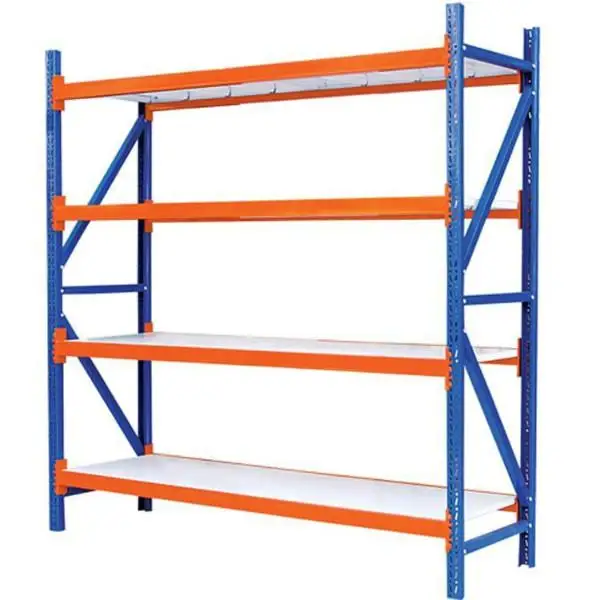
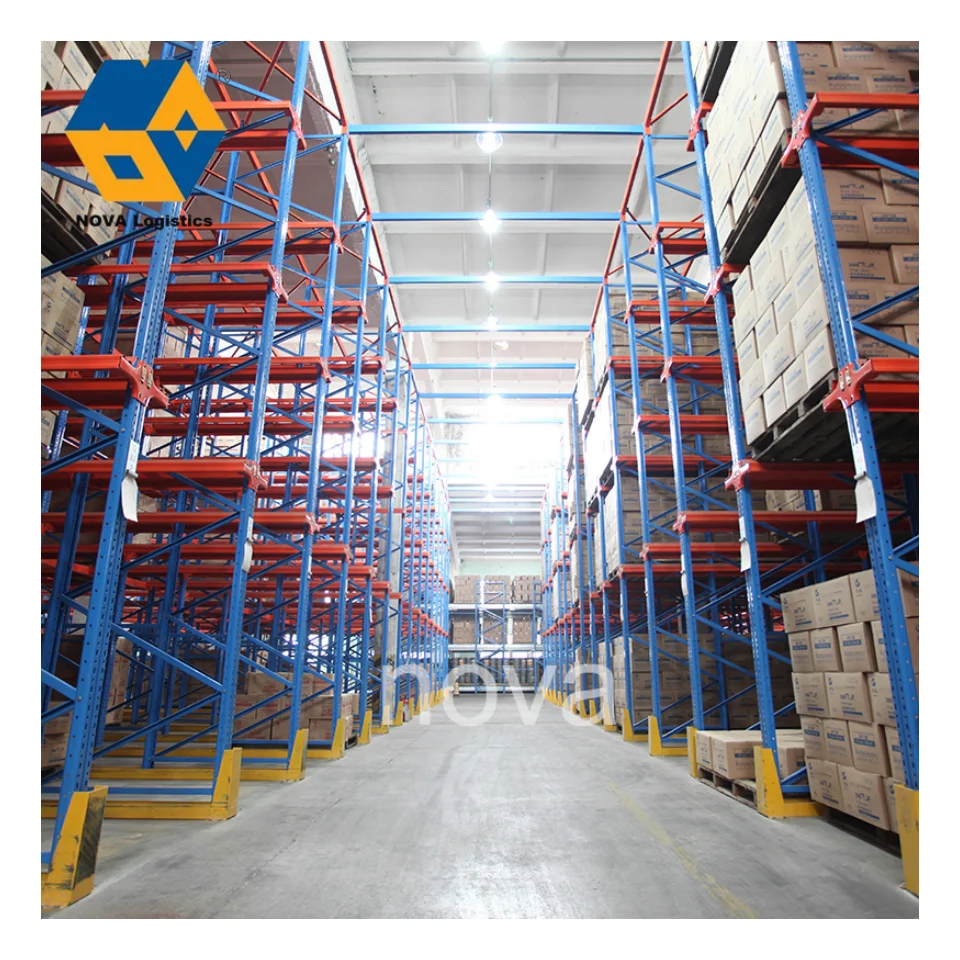
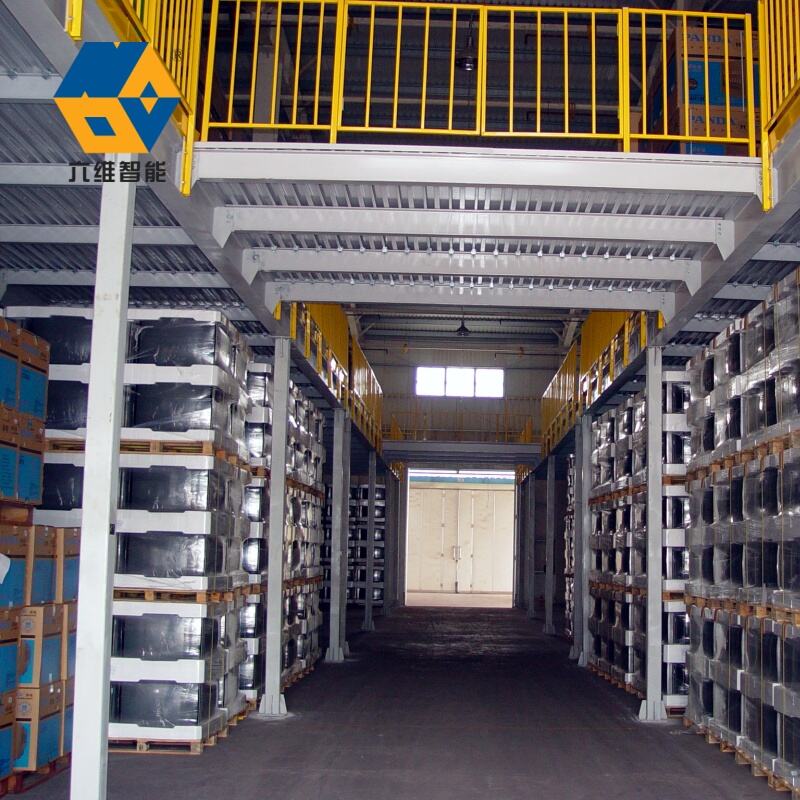
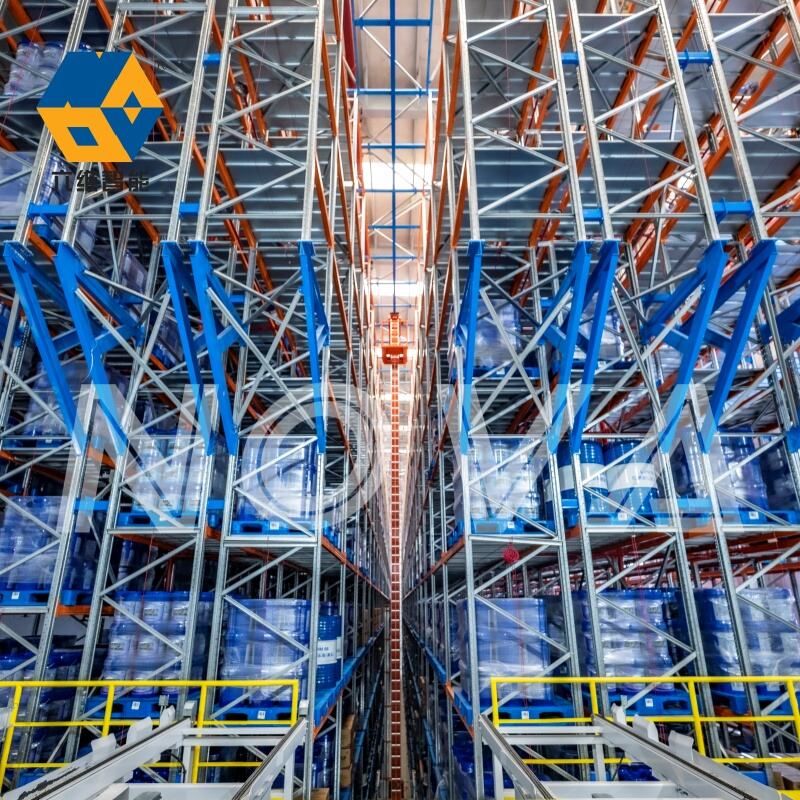
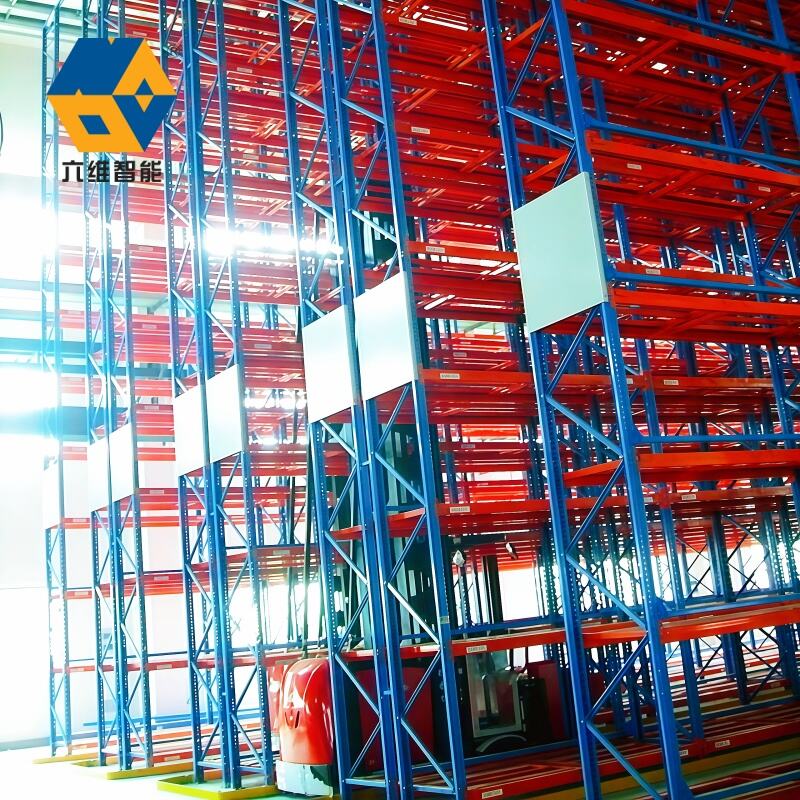
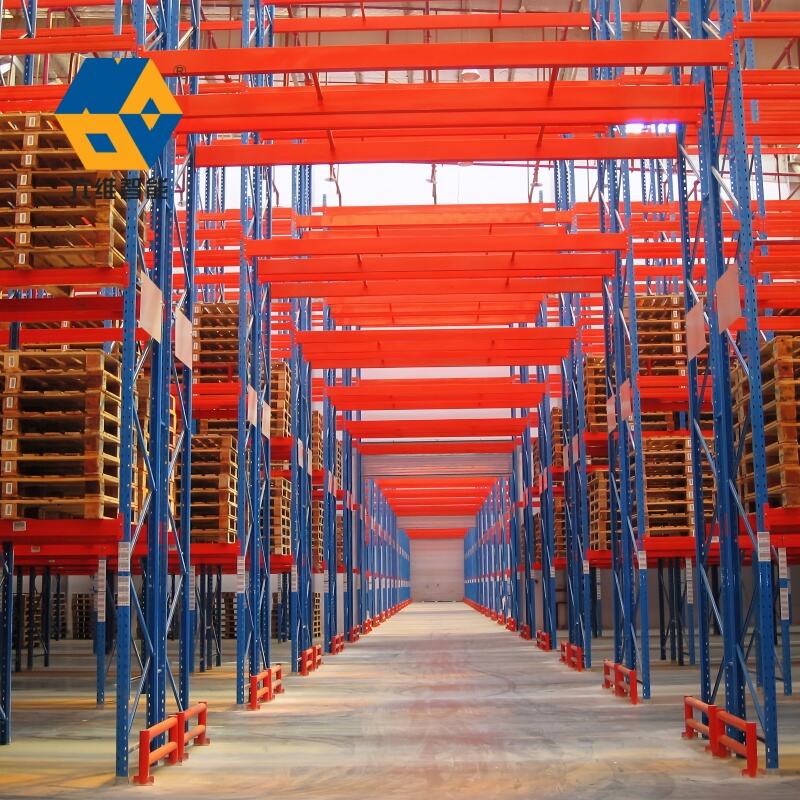
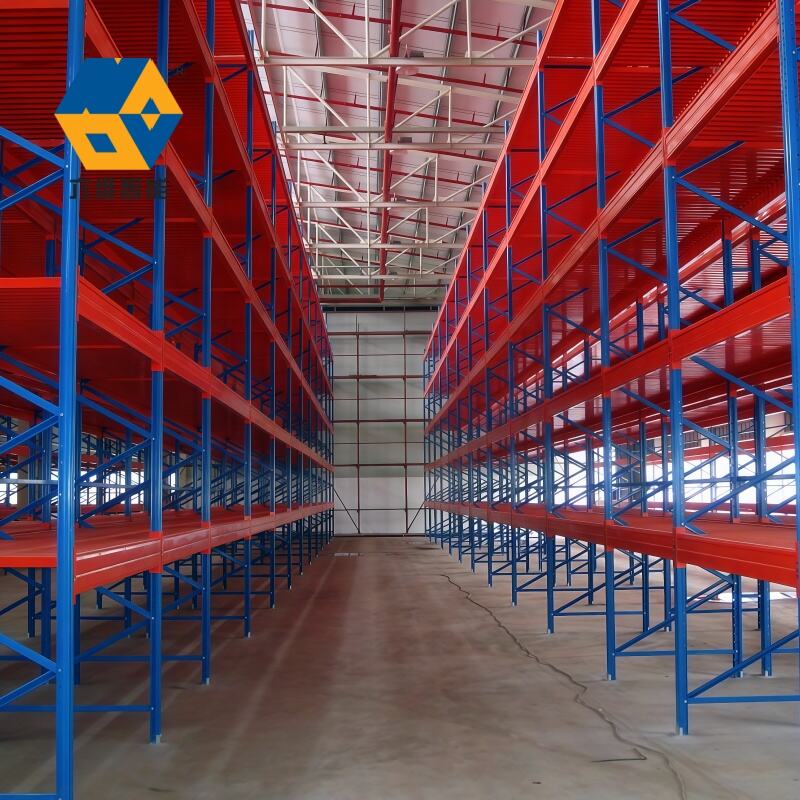
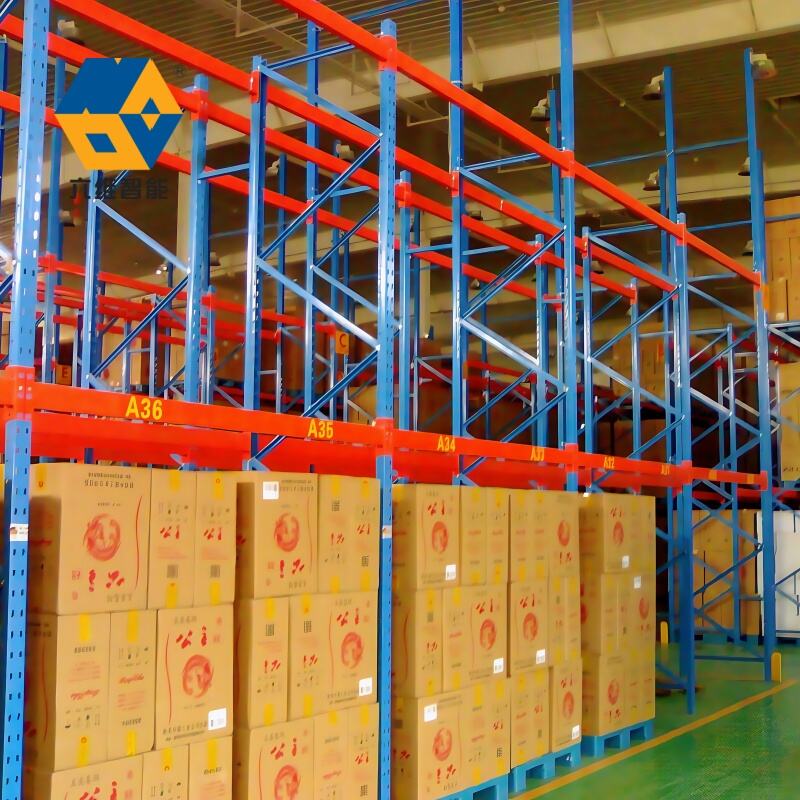
Heavy pallet racking represents a fundamental storage solution designed to accommodate substantial loads in warehouses, distribution centers, and industrial facilities. This robust shelving system enables businesses to maximize their vertical storage space while maintaining easy access to inventory. The primary function of heavy pallet racking involves supporting palletized goods, with each level capable of bearing weights ranging from 1000 to 4000 kilograms per pallet position, depending on the configuration and specifications. These systems utilize strong steel frames, horizontal beams, and upright columns engineered to withstand significant weight loads over extended periods. The technological features of heavy pallet racking include adjustable beam levels that allow customization based on product dimensions, safety locking mechanisms to secure beams in place, and reinforced construction that meets international safety standards. The modular design permits easy expansion and reconfiguration as business needs evolve. Applications for heavy pallet racking span numerous industries including manufacturing, retail distribution, cold storage facilities, automotive parts warehouses, food and beverage operations, pharmaceutical storage, and e-commerce fulfillment centers. The system accommodates various pallet types and sizes, making it versatile for different operational requirements. Modern heavy pallet racking incorporates safety features such as column protectors, row spacers, and load capacity indicators to prevent accidents and ensure proper usage. The installation process requires professional assessment of floor load capacity, ceiling height, and operational workflows to optimize the layout. Compatibility with material handling equipment like forklifts and reach trucks makes heavy pallet racking an integral component of efficient warehouse operations, enabling businesses to store more products in less floor space while maintaining organized inventory management and streamlined picking processes.

New Product Recommendations

The implementation of heavy pallet racking delivers tangible benefits that directly impact your bottom line and operational efficiency. First and foremost, this storage solution dramatically increases your usable warehouse space by utilizing vertical height that would otherwise remain wasted. Instead of expanding your facility footprint, you can store up to three times more inventory within your existing building, eliminating costly construction or relocation expenses. The accessibility factor proves invaluable for daily operations, as workers can quickly locate and retrieve specific pallets without moving other items, reducing labor hours and improving order fulfillment speed. Your team will appreciate the organized environment that heavy pallet racking creates, where every product has a designated location, minimizing search time and confusion during busy periods. The durability of these systems means you make a one-time investment that serves your business for decades with minimal maintenance requirements. Unlike wooden shelving or temporary storage solutions that deteriorate quickly, steel heavy pallet racking withstands the rigors of industrial use, resists corrosion when properly treated, and maintains structural integrity even under maximum load conditions. Safety improvements represent another significant advantage, as properly installed heavy pallet racking reduces the risk of product damage from floor stacking and creates clear aisles for equipment operation. Your insurance costs may decrease when you demonstrate commitment to organized, safe storage practices. The flexibility of heavy pallet racking allows you to adapt your storage configuration as your product line changes, adding or removing beam levels without replacing the entire system. This adaptability protects your investment against future business changes. Inventory management becomes more accurate when products remain visible and accessible, reducing instances of lost or forgotten stock that ties up capital. The professional appearance of a well-organized warehouse with heavy pallet racking also impresses clients during facility tours, demonstrating your operational competence and attention to detail. Temperature-controlled environments benefit particularly from heavy pallet racking because maximizing storage density reduces the cubic space requiring climate control, lowering energy expenses substantially. The return on investment typically occurs within the first two years through space savings, labor efficiency gains, and reduced product damage, making heavy pallet racking one of the most cost-effective improvements you can implement in your facility.

Tips And Tricks

How Do You Choose the Right Longspan Rack for Changing Inventory Types?

13

Jan

How Do You Choose the Right Longspan Rack for Changing Inventory Types?

Modern warehouses face constant challenges in adapting their storage systems to accommodate varying inventory types and fluctuating stock levels. A longspan rack system offers the versatility and adaptability needed to handle these dynamic requiremen...
View More
How Does a Warehouse Mezzanine Increase Storage Capacity Efficiently?

13

Jan

How Does a Warehouse Mezzanine Increase Storage Capacity Efficiently?

Modern warehouse operations face mounting pressure to maximize storage capacity without expanding their physical footprint. A warehouse mezzanine represents one of the most effective solutions for increasing storage density while maintaining operatio...
View More
What Makes Automated Storage and Retrieval Systems Ideal for Modern Warehouses?

05

Feb

What Makes Automated Storage and Retrieval Systems Ideal for Modern Warehouses?

Modern warehouses face unprecedented challenges in managing inventory efficiently while meeting growing customer demands for faster delivery times. The implementation of an automated storage and retrieval system represents a transformative solution t...
View More
Maintenance Tips for Long-Lasting Heavy Duty Pallet Racks

16

Mar

Maintenance Tips for Long-Lasting Heavy Duty Pallet Racks

Industrial warehouses rely heavily on robust storage solutions to maintain efficient operations and maximize space utilization. Heavy duty pallet racks form the backbone of modern warehouse infrastructure, supporting thousands of pounds of inventory ...
View More

Get a Free Quote

Our representative will contact you soon.
Email
Name
Company Name
Message
0/1000

heavy pallet racking

Maximum Load Capacity Engineering for Heavy Industrial Applications

Maximum Load Capacity Engineering for Heavy Industrial Applications

Heavy pallet racking stands apart from standard storage solutions through its exceptional load-bearing capacity, specifically engineered to handle the demanding requirements of industrial operations. Each pallet position within a heavy pallet racking system can safely support between 1000 and 4000 kilograms, with total bay capacities often exceeding 15000 kilograms when fully loaded across multiple levels. This remarkable strength derives from precision-engineered steel components manufactured to exact specifications using high-grade materials that undergo rigorous quality testing. The upright frames feature thick-gauge steel with reinforced perforations that allow beam height adjustments while maintaining structural integrity. These perforations follow standardized spacing, typically at 50-millimeter or 75-millimeter intervals, enabling precise customization for different product heights. The horizontal beams that connect the uprights employ box-beam or step-beam designs, with the latter providing additional safety through a locking mechanism that prevents accidental dislodgement. The connection points between beams and uprights utilize safety clips or bolts that secure the structure against lateral movement and ensure stability during seismic events or equipment impacts. Load distribution calculations account for dynamic forces created when forklifts place or remove pallets, not just static weight, ensuring the heavy pallet racking remains stable during actual operations. The base plates at the bottom of each upright column spread the load across the floor surface, with anchor bolts connecting the system to the concrete slab for maximum stability. This engineering approach prevents floor damage and ensures compliance with building codes and safety regulations. Professional installation teams conduct floor load capacity assessments before implementing heavy pallet racking, verifying that the underlying concrete can support the combined weight of the system and its intended contents. The design also incorporates safety factors that exceed working loads by substantial margins, typically 150 to 200 percent, providing a buffer against accidental overloading or material degradation over time. For facilities storing particularly heavy items such as automotive components, industrial machinery parts, or bulk materials, custom heavy pallet racking configurations can be engineered with reinforced components and reduced bay widths to increase load capacity even further. This adaptability ensures that regardless of your specific storage needs, heavy pallet racking can be specified to meet exact requirements while maintaining safety standards and operational efficiency.
Space Optimization Through Vertical Storage Expansion

Space Optimization Through Vertical Storage Expansion

The vertical storage capability of heavy pallet racking transforms how businesses utilize their existing facilities, converting previously unused overhead space into valuable inventory storage. Standard warehouse buildings offer ceiling heights between 6 and 15 meters, yet traditional floor stacking rarely exceeds 2 to 3 meters due to stability concerns and access limitations. Heavy pallet racking bridges this gap by enabling safe storage at heights reaching 12 meters or more, depending on building specifications and material handling equipment capabilities. This vertical expansion multiplies storage capacity without expanding the building footprint, delivering extraordinary value in markets where real estate costs continue escalating. Consider a typical scenario where a business stores 500 pallets using floor stacking methods occupying 1000 square meters of floor space. By implementing heavy pallet racking with four storage levels, the same facility can accommodate 2000 pallets while actually reducing the floor space devoted to storage, freeing areas for value-added activities such as quality control, packaging, or additional receiving docks. The financial implications prove compelling when you calculate the cost per pallet position. Constructing new warehouse space typically costs between 500 and 1000 dollars per square meter, whereas installing heavy pallet racking averages 100 to 200 dollars per pallet position, representing savings of 60 to 80 percent compared to facility expansion. Beyond capital costs, vertical storage with heavy pallet racking reduces ongoing expenses including property taxes, climate control, lighting, and maintenance, all calculated based on building size. The systematic organization inherent in heavy pallet racking also improves space utilization by eliminating the irregular gaps and wasted areas common with floor stacking. Standardized pallet positions create predictable dimensions that warehouse management systems can map precisely, enabling accurate inventory tracking and optimized slotting strategies. Businesses experiencing growth appreciate how heavy pallet racking accommodates expansion incrementally rather than requiring large facility moves that disrupt operations. You can add racking sections progressively as inventory increases, spreading investment over time and maintaining cash flow flexibility. The modularity of heavy pallet racking means you can reconfigure layouts to accommodate changing product mixes or operational workflows without scrapping your investment. This adaptability protects against obsolescence and ensures your storage infrastructure evolves alongside your business rather than constraining it.
Enhanced Safety Features and Operational Reliability

Enhanced Safety Features and Operational Reliability

Safety constitutes a paramount consideration in warehouse operations, and heavy pallet racking incorporates multiple protective features that minimize risks to personnel, products, and equipment. The structural design begins with stability, employing cross-bracing between upright frames that prevents lateral sway and maintains rigid geometry even when subjected to impact forces. These diagonal braces, typically constructed from steel bars or wire mesh, create triangulated support structures that distribute forces efficiently and prevent progressive collapse if one component becomes damaged. Column protectors installed at the base of each upright provide crucial defense against forklift impacts, which represent the most common cause of racking damage in busy warehouses. These guards, manufactured from heavy-gauge steel or high-density polymer materials, absorb collision energy before it reaches the structural columns, preserving the integrity of the heavy pallet racking system. Row spacers positioned between back-to-back racking sections maintain proper separation distances, preventing pallets from being accidentally pushed through to the opposite side and creating hazardous situations. Load capacity indicators affixed to each bay clearly communicate maximum weight limits, helping operators avoid dangerous overloading that could compromise structural integrity. These labels withstand industrial environments, remaining legible throughout the system's service life and providing instant reference during loading operations. Wire mesh decking or solid steel panels placed on beam levels prevent small items from falling through gaps, protecting workers in lower aisles and maintaining inventory security. The galvanized or powder-coated finishes applied to heavy pallet racking components resist corrosion that could weaken structural elements over time, particularly important in facilities with temperature fluctuations or humidity exposure. Regular inspection protocols recommended by manufacturers enable early detection of potential issues such as bent beams, damaged uprights, or loose connections, allowing corrective action before problems escalate into safety hazards. Professional installation by certified technicians ensures heavy pallet racking meets engineering specifications and local building codes, with proper anchoring, level alignment, and load distribution. Many jurisdictions require periodic safety inspections of pallet racking systems, and well-maintained heavy pallet racking easily passes these evaluations, avoiding operational disruptions and potential liability issues. The visibility provided by organized heavy pallet racking also contributes to safety by creating clear sightlines through the warehouse, allowing equipment operators to spot pedestrians and other vehicles, reducing collision risks. Emergency egress routes remain unobstructed when inventory resides in designated racking locations rather than scattered across floor areas, ensuring compliance with fire safety regulations and providing clear evacuation paths during emergencies.

Get a Free Quote

Our representative will contact you soon.
Email
Name
Company Name
Message
0/1000

Get a Free Quote

Our representative will contact you soon.
Email
Name
Company Name
Message
0/1000