Industrial Rack System Solutions: Maximize Warehouse Storage Efficiency and Safety

All Categories

Get a Free Quote

Our representative will contact you soon.
Email
Name
Company Name
Message
0/1000

industrial rack system

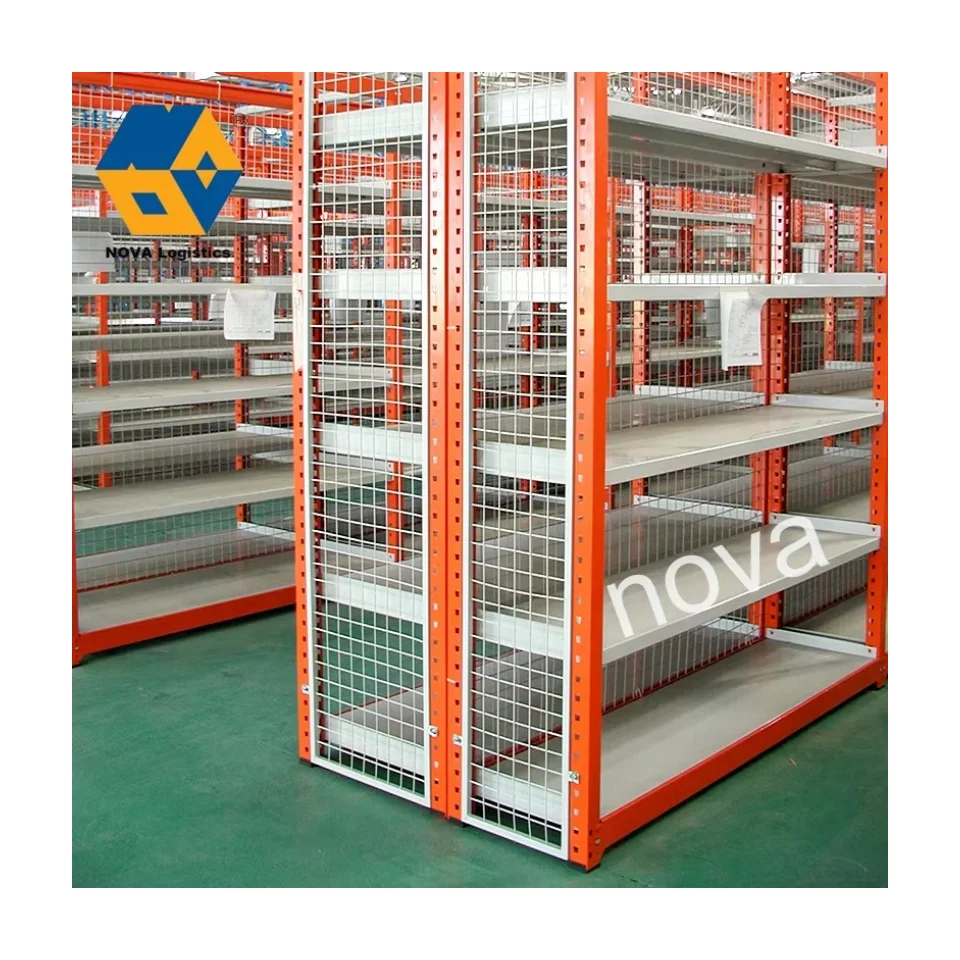
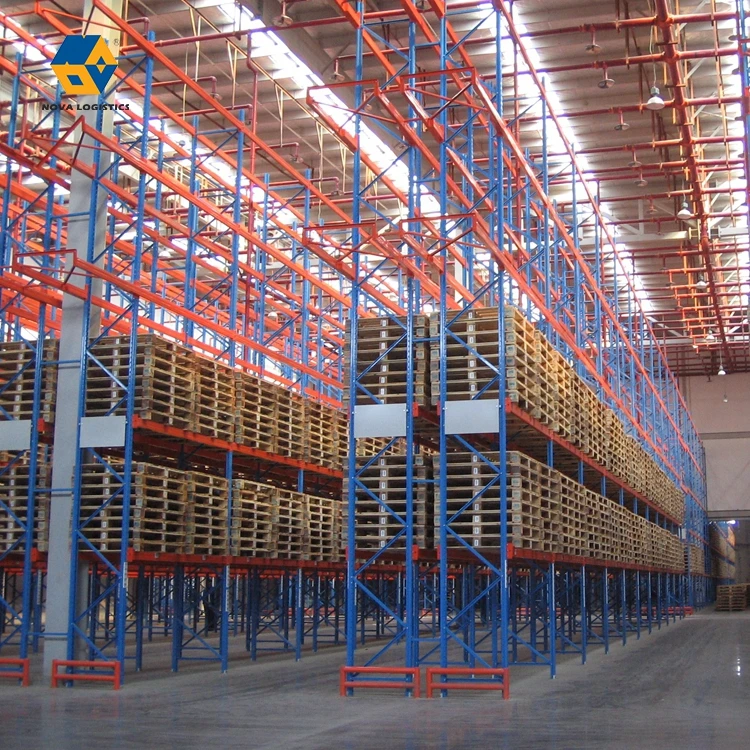
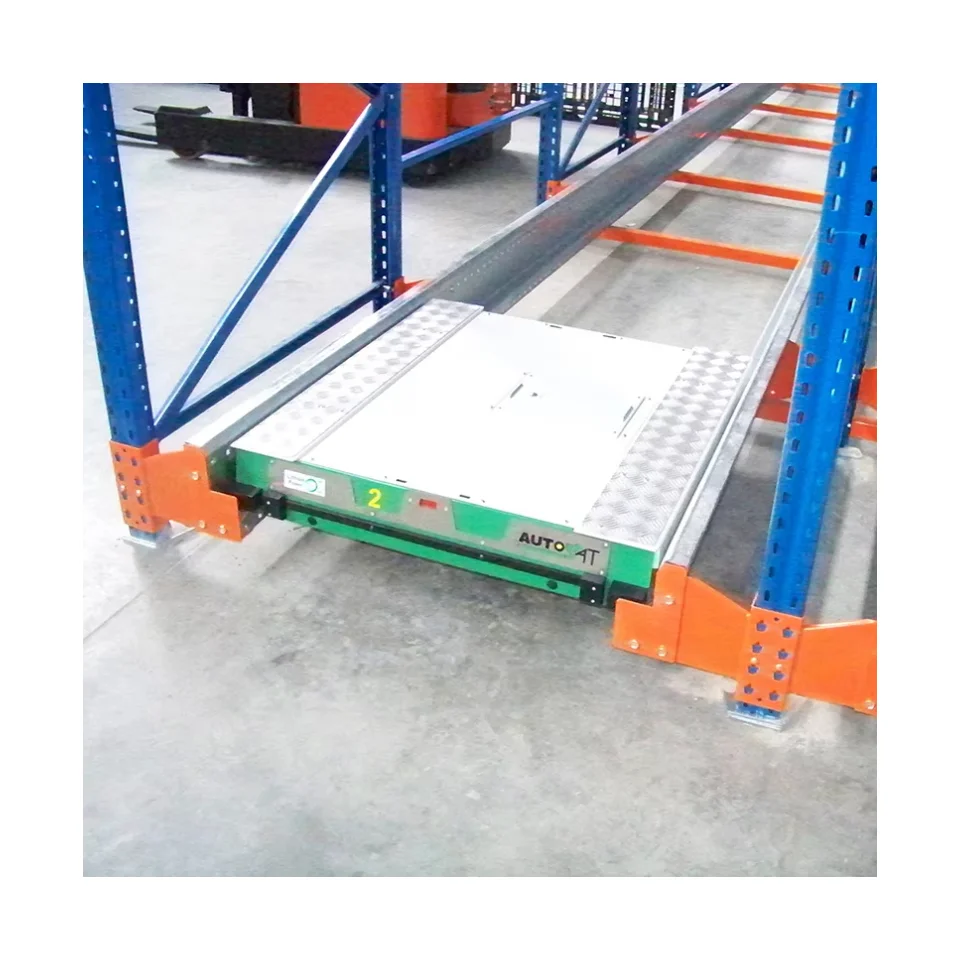
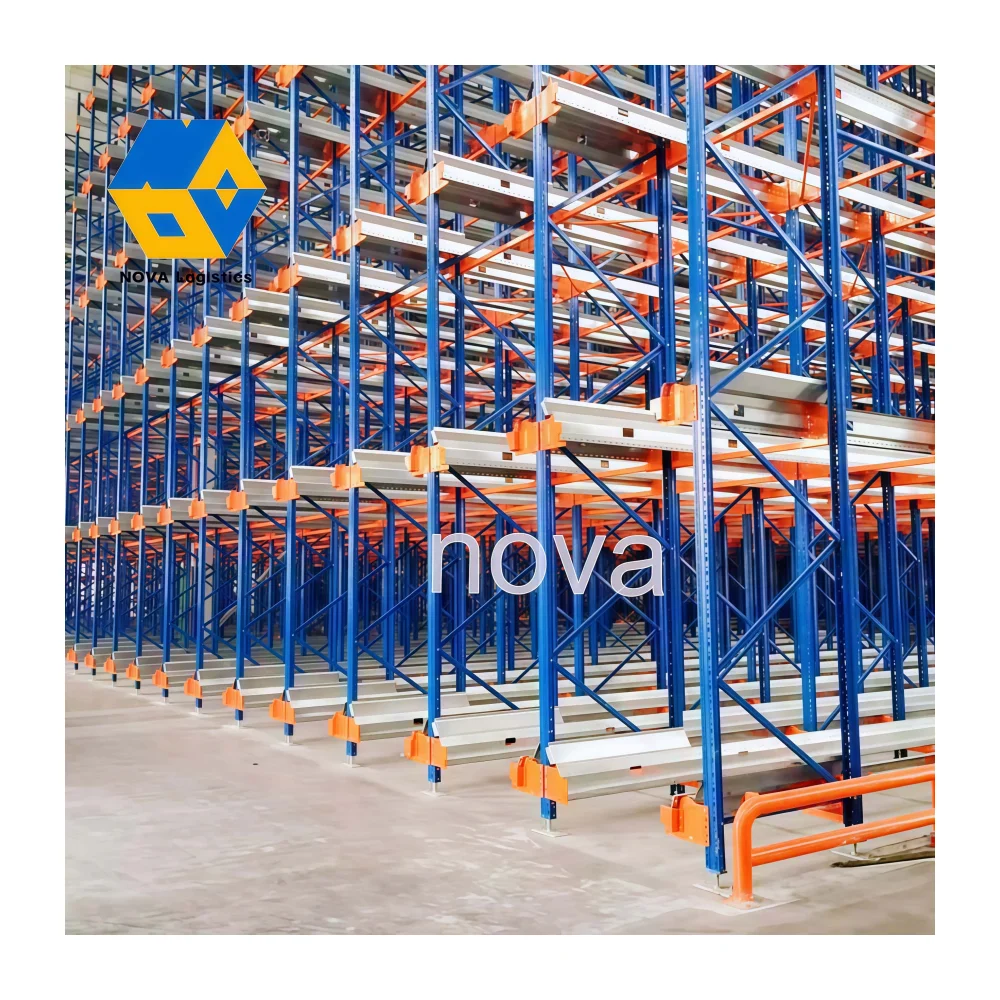
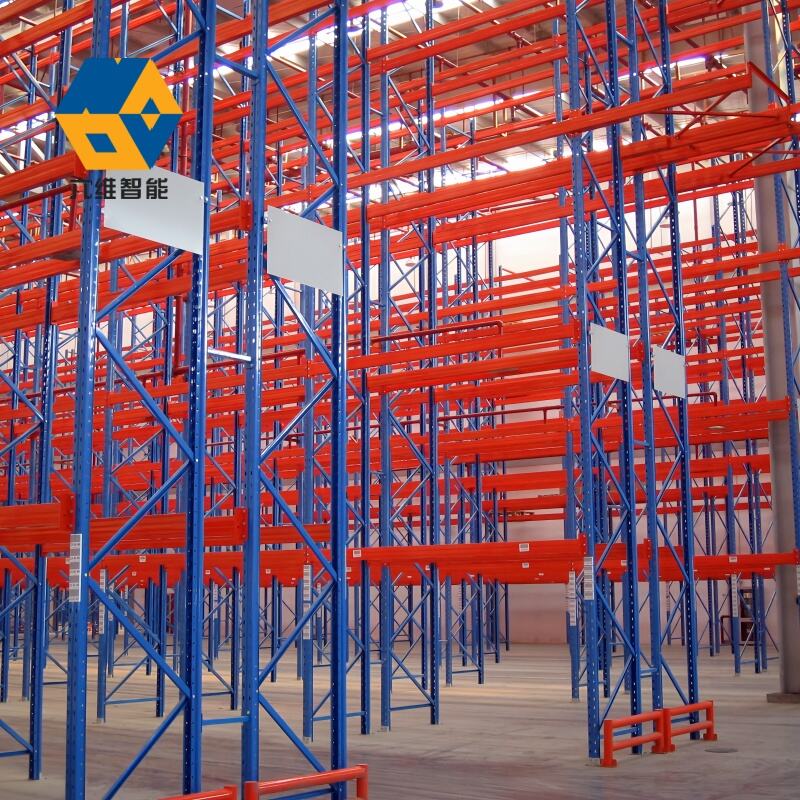
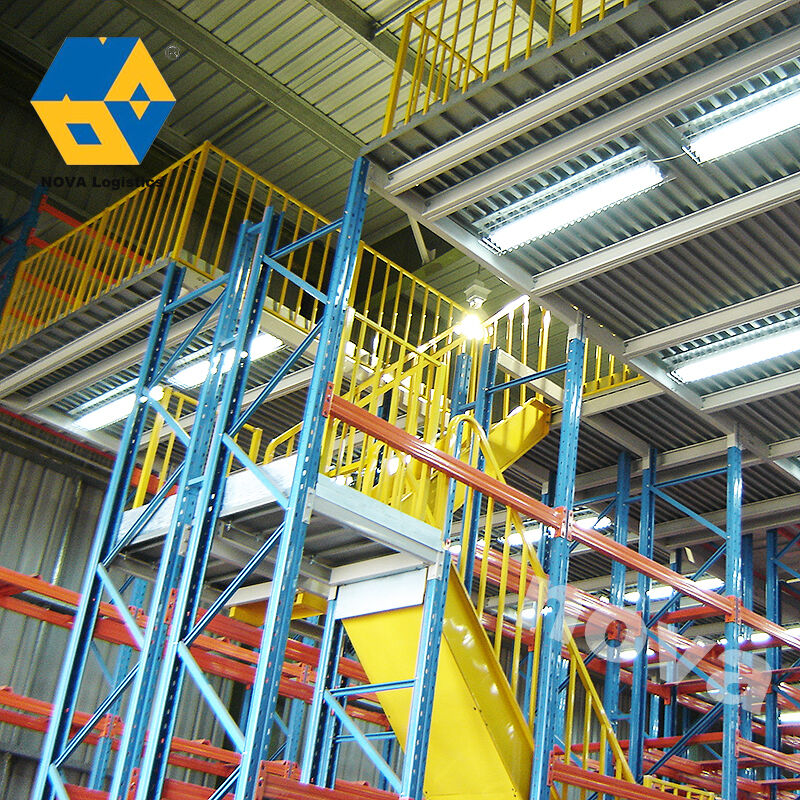
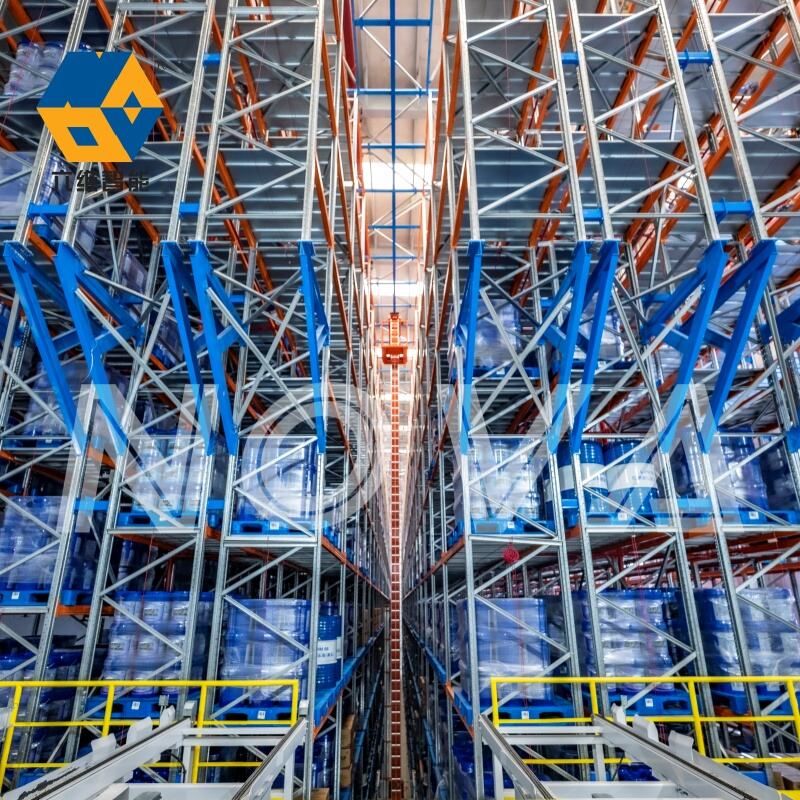
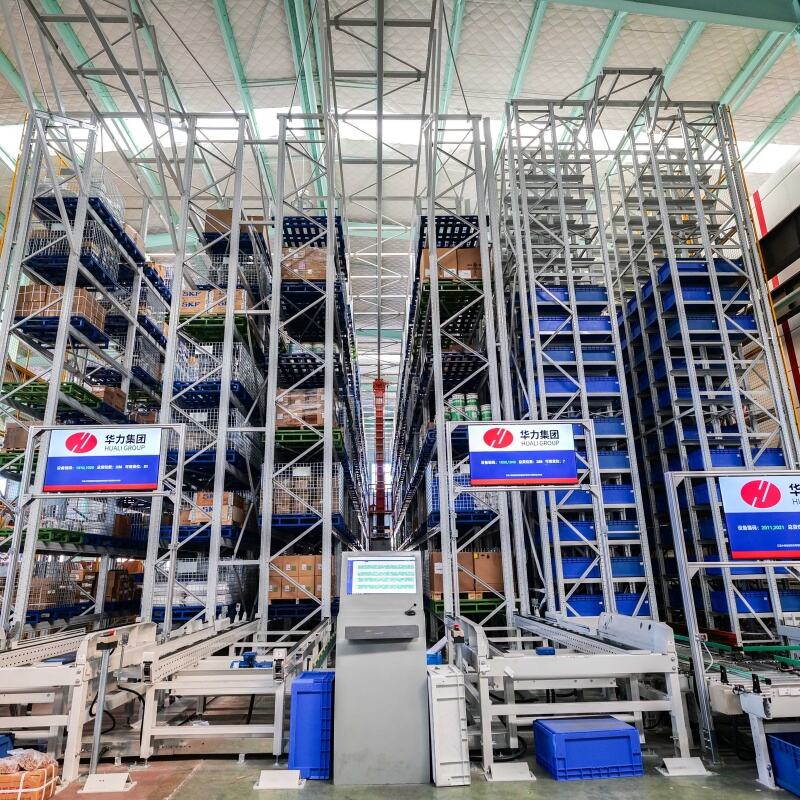
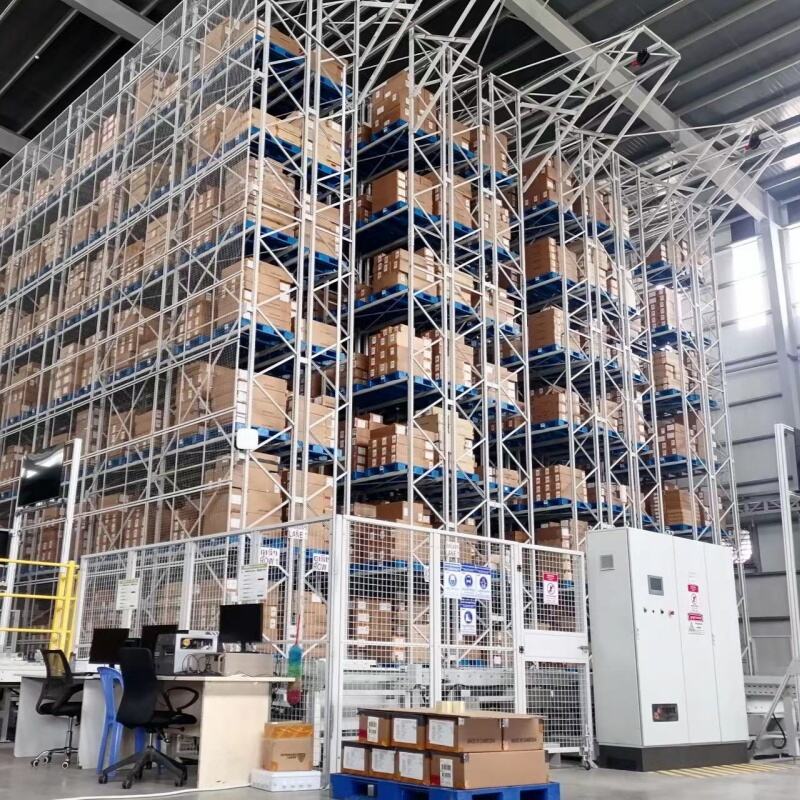
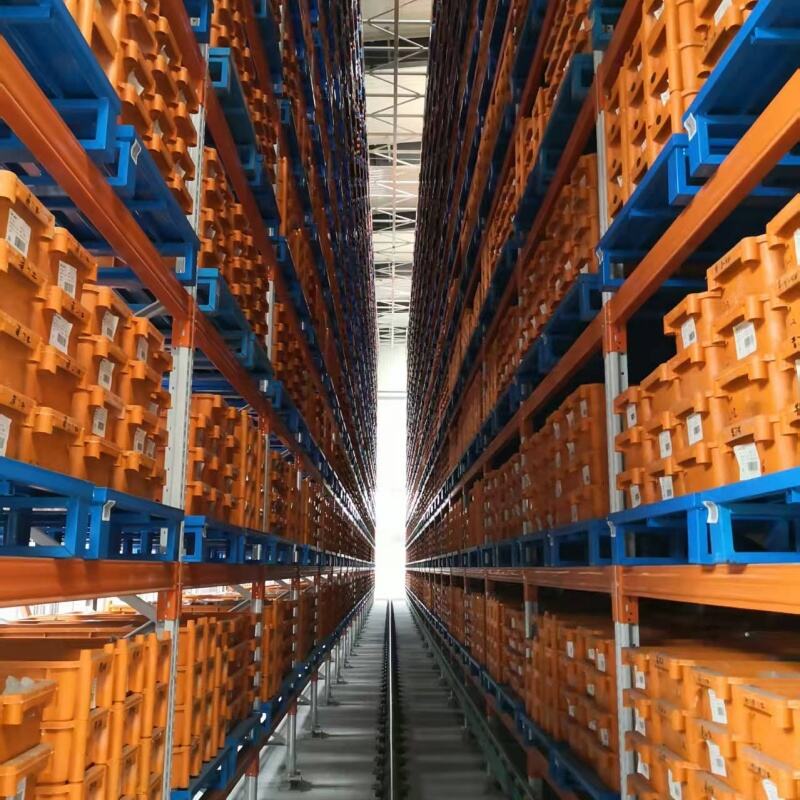
An industrial rack system represents a sophisticated storage solution engineered to maximize warehouse efficiency and streamline inventory management across diverse commercial environments. These robust frameworks serve as the backbone of modern logistics operations, providing organized vertical storage that transforms available floor space into highly productive storage capacity. The primary function of an industrial rack system centers on creating accessible, safe, and efficient storage for goods ranging from small components to oversized merchandise. By utilizing vertical dimensions, these systems dramatically increase storage density while maintaining easy retrieval access for workers and automated equipment alike. Technological features incorporated into contemporary industrial rack system designs include adjustable beam heights that accommodate varying product dimensions, reinforced steel construction ensuring load-bearing integrity, and modular configurations allowing scalability as business requirements evolve. Advanced powder-coating finishes protect against corrosion and environmental degradation, extending operational lifespan significantly. Many industrial rack system installations integrate seamlessly with warehouse management software, enabling real-time inventory tracking and optimized picking routes. Safety mechanisms such as column protectors, beam locks, and seismic certifications ensure compliance with occupational health standards while protecting both personnel and merchandise. Applications span virtually every industry sector, from automotive parts distribution centers requiring heavy-duty capacity to pharmaceutical facilities demanding contamination-free environments. Manufacturing operations deploy these systems for raw material staging and finished goods consolidation. Retail distribution networks rely on industrial rack system infrastructure to support rapid order fulfillment and seasonal inventory fluctuations. Cold storage facilities utilize specialized variants designed to withstand temperature extremes without structural compromise. The versatility of industrial rack system architecture permits customization for unique operational challenges, whether accommodating irregularly shaped items, facilitating first-in-first-out rotation protocols, or integrating automated retrieval mechanisms. This adaptability positions these storage frameworks as indispensable assets for organizations committed to operational excellence and competitive advantage in increasingly demanding marketplace conditions.

New Products

Businesses implementing an industrial rack system immediately gain substantial floor space optimization, converting previously underutilized vertical areas into productive storage zones that can double or triple effective capacity without facility expansion costs. This spatial efficiency translates directly into financial savings by postponing or eliminating expensive real estate acquisitions or lease extensions. Organizations experience enhanced inventory visibility as structured storage locations replace chaotic stacking patterns, enabling staff to locate items quickly and reducing time wasted searching for misplaced merchandise. The systematic organization facilitated by an industrial rack system minimizes product damage caused by improper stacking or handling, protecting investment in inventory while reducing insurance claims and customer dissatisfaction from damaged goods. Worker safety improvements constitute another significant advantage, as properly designed systems eliminate dangerous climbing on unstable piles and reduce strain injuries associated with lifting items from ground level or precarious positions. The ergonomic benefits extend to increased productivity, with employees completing picking and restocking tasks faster when items occupy designated, easily accessible positions. Operational flexibility represents a compelling benefit, as modular industrial rack system components allow reconfiguration to accommodate changing product lines, seasonal variations, or business growth without complete reinstallation. This adaptability protects capital investments over decades of service. Enhanced inventory control emerges naturally from organized storage, with businesses achieving greater accuracy in stock counts, reducing overstock situations, and preventing stockouts that disappoint customers. The professional appearance created by an organized industrial rack system installation improves client confidence during facility tours and enhances company reputation as a well-managed operation. Cost efficiency extends beyond space savings to include reduced labor expenses, as workers accomplish more in less time, and lower product loss from damage or misplacement. Many operations discover improved order accuracy rates after implementing structured storage, as systematic locations reduce picking errors that generate costly returns and customer service issues. The durability of quality systems ensures decades of reliable service with minimal maintenance requirements, delivering exceptional return on investment compared to temporary shelving solutions requiring frequent replacement. Environmental benefits also factor into the advantages, as maximized space utilization reduces building footprint requirements and associated energy consumption for climate control. Scalability allows businesses to start with essential configurations and expand incrementally as budgets permit and needs develop, avoiding overwhelming initial capital outlays. The competitive advantages gained through operational efficiency, cost control, and customer satisfaction improvements position companies using industrial rack system solutions ahead of rivals still managing inventory through outdated methods.

Tips And Tricks

How Does a Rack System Support Better Warehouse Safety Standards?

20

May

How Does a Rack System Support Better Warehouse Safety Standards?

Warehouse safety is a critical operational priority for any facility that handles significant volumes of inventory, equipment, or materials. At the center of most modern warehouse safety strategies is the rack system — a structural solution that orga...
View More
How Can a Mezzanine Improve Workflow and Storage Organization?

13

Jan

How Can a Mezzanine Improve Workflow and Storage Organization?

Modern warehouses face increasing pressure to maximize storage capacity while maintaining efficient workflow operations. A warehouse mezzanine offers an innovative solution that transforms vertical space into valuable storage and operational areas. T...
View More
What Makes Automated Storage and Retrieval Systems Ideal for Modern Warehouses?

05

Feb

What Makes Automated Storage and Retrieval Systems Ideal for Modern Warehouses?

Modern warehouses face unprecedented challenges in managing inventory efficiently while meeting growing customer demands for faster delivery times. The implementation of an automated storage and retrieval system represents a transformative solution t...
View More
What Are Essential Safety Tips for Installing a Steel Platform?

16

Mar

What Are Essential Safety Tips for Installing a Steel Platform?

Industrial facilities worldwide rely on steel platforms to maximize vertical storage space and improve operational efficiency. These robust structures serve as elevated work areas, storage solutions, and access points in warehouses, manufacturing pla...
View More

Get a Free Quote

Our representative will contact you soon.
Email
Name
Company Name
Message
0/1000

industrial rack system

Maximum Space Utilization Through Vertical Storage Architecture

Maximum Space Utilization Through Vertical Storage Architecture

The fundamental value proposition of an industrial rack system lies in its revolutionary approach to space management, transforming conventional horizontal storage paradigms into three-dimensional organizational structures that unlock previously inaccessible capacity. Traditional storage methods leave vast cubic footage unused above stacked pallets or floor-level inventory, representing wasted potential that directly impacts operational costs and growth limitations. By engineering upward expansion, these systems harness ceiling height that businesses already pay to heat, cool, and maintain, converting it into revenue-generating storage capacity without adding square footage expenses. The vertical architecture of an industrial rack system typically multiplies usable storage by factors of three to five compared to floor stacking, depending on ceiling heights and load requirements. This multiplication effect proves particularly valuable in urban locations where real estate costs premium rates and expansion options face geographical or regulatory constraints. Distribution centers serving metropolitan markets discover that strategic vertical storage eliminates pressure to relocate to distant, cheaper locations that would compromise delivery speed and customer satisfaction. The engineering sophistication behind vertical storage extends beyond simple height utilization to incorporate accessibility considerations that maintain operational efficiency. Beam levels position inventory at ergonomic heights for manual picking while accommodating forklift access for bulk movements, creating workflow optimization that balances density with retrieval speed. Selective rack configurations allow direct access to every pallet position, ensuring that maximizing storage never compromises inventory rotation requirements or order fulfillment agility. The modular nature of industrial rack system components permits customization to specific ceiling heights and floor load capacities, extracting maximum potential from each unique facility. Adjustable beam heights accommodate diverse product dimensions within single systems, eliminating the inefficiency of dedicating entire rows to specific sizes. This flexibility proves invaluable as product mixes evolve, allowing storage infrastructure to adapt rather than becoming obsolete. The space efficiency gains compound over time as businesses avoid premature facility expansion, redirecting capital toward growth initiatives rather than additional square footage that vertical storage renders unnecessary.
Enhanced Safety Standards and Risk Mitigation Protocols

Enhanced Safety Standards and Risk Mitigation Protocols

Modern industrial rack system installations prioritize comprehensive safety measures that protect both personnel and inventory assets while ensuring regulatory compliance across multiple jurisdictional requirements. The engineered stability of properly designed systems eliminates dangerous conditions inherent in improvised stacking methods where unbalanced loads risk catastrophic collapse causing injuries, product loss, and operational disruptions. Structural calculations performed by qualified engineers ensure that every component withstands specified load ratings with substantial safety margins, accounting for dynamic forces during loading and seismic activity in earthquake-prone regions. Column protectors shield structural uprights from forklift impacts that could compromise load-bearing integrity, serving as the first line of defense against the most common cause of rack damage in active warehouses. Beam safety locks prevent accidental dislodgement during loading operations, ensuring connections remain secure even when subjected to upward forces or vibrations. Row spacers maintain precise alignment between back-to-back configurations, preventing progressive collapse scenarios where damage to one section cascades through adjacent areas. The inherent stability of an industrial rack system configuration reduces workers compensation claims associated with falling merchandise or structural failures, directly impacting insurance premiums and legal liability exposure. Safety decking options prevent smaller items from falling through beam levels, protecting personnel working in lower tiers while containing spills of granular materials that could create slip hazards. Clear aisle markings and collision barriers integrated into comprehensive installations guide traffic flow and separate pedestrian zones from mechanized equipment pathways, minimizing accident risks in busy environments. Load capacity placards prominently displayed on each bay eliminate guesswork about weight limitations, preventing overloading that degrades structural integrity over time. Regular inspection protocols facilitated by accessible industrial rack system designs enable proactive identification of damage or wear before conditions become hazardous, transforming safety from reactive crisis management to preventive maintenance culture. Seismic certifications available for installations in geologically active areas provide peace of mind that systems will perform predictably during earth movements, potentially preventing injuries and preserving business continuity. The professional installation standards associated with quality systems ensure proper anchoring to floor slabs and adherence to manufacturer specifications, eliminating the risks associated with incorrect assembly that voids warranties and creates liabilities.
Scalable Investment with Long-Term Operational Flexibility

Scalable Investment with Long-Term Operational Flexibility

The modular architecture inherent in quality industrial rack system designs delivers exceptional value through scalability that aligns capital expenditures with business growth trajectories rather than forcing large upfront investments that strain budgets or create excess capacity during developmental phases. Companies can implement initial configurations addressing immediate needs while maintaining clear expansion pathways as inventory volumes increase, product lines diversify, or operational strategies evolve. This phased investment approach preserves financial flexibility for other business priorities while ensuring storage infrastructure never constrains growth opportunities. The standardization of components across industrial rack system manufacturers facilitates future additions that integrate seamlessly with existing installations, protecting initial investments rather than rendering them obsolete when modifications become necessary. Adjustable beam heights exemplify operational flexibility, allowing reconfiguration to accommodate changing product dimensions without replacing entire systems or purchasing specialized units for each item category. Seasonal businesses particularly benefit from this adaptability, converting configurations between high-volume periods requiring dense storage and slower seasons when access speed takes priority over maximum capacity. The durability of commercial-grade steel construction ensures decades of reliable service, with many installations performing flawlessly for twenty to thirty years under demanding conditions, delivering cost per year figures that compare favorably against any alternative storage solution. This longevity transforms industrial rack system purchases from expenses into long-term assets that appreciate in value as they enable revenue growth and operational efficiency improvements far exceeding initial costs. Resale and relocation potential provide additional flexibility, as quality systems retain substantial value in secondary markets and disassemble for reinstallation at new facilities if business circumstances require relocation. The transferability of this infrastructure investment contrasts sharply with built-in storage solutions that become sunk costs when facilities change. Technological integration capabilities position modern systems for future operational enhancements, with provisions for warehouse management system connectivity, automated retrieval mechanisms, and inventory tracking technologies that keep pace with evolving logistics methodologies. Organizations implementing industrial rack system solutions today establish foundations supporting tomorrow's innovations without requiring complete infrastructure overhauls. The standardization across industries creates abundant expertise for installation, modification, and maintenance services, ensuring businesses access qualified support throughout system lifecycles regardless of location or operational scale. This ecosystem of compatible components, available expertise, and proven performance records reduces risk associated with storage infrastructure decisions while maximizing strategic flexibility.

Get a Free Quote

Our representative will contact you soon.
Email
Name
Company Name
Message
0/1000

Get a Free Quote

Our representative will contact you soon.
Email
Name
Company Name
Message
0/1000