Automated Warehouse Cost Guide: Investment Benefits, ROI & Implementation Strategies

All Categories

Get a Free Quote

Our representative will contact you soon.
Email
Name
Company Name
Message
0/1000

automated warehouse cost

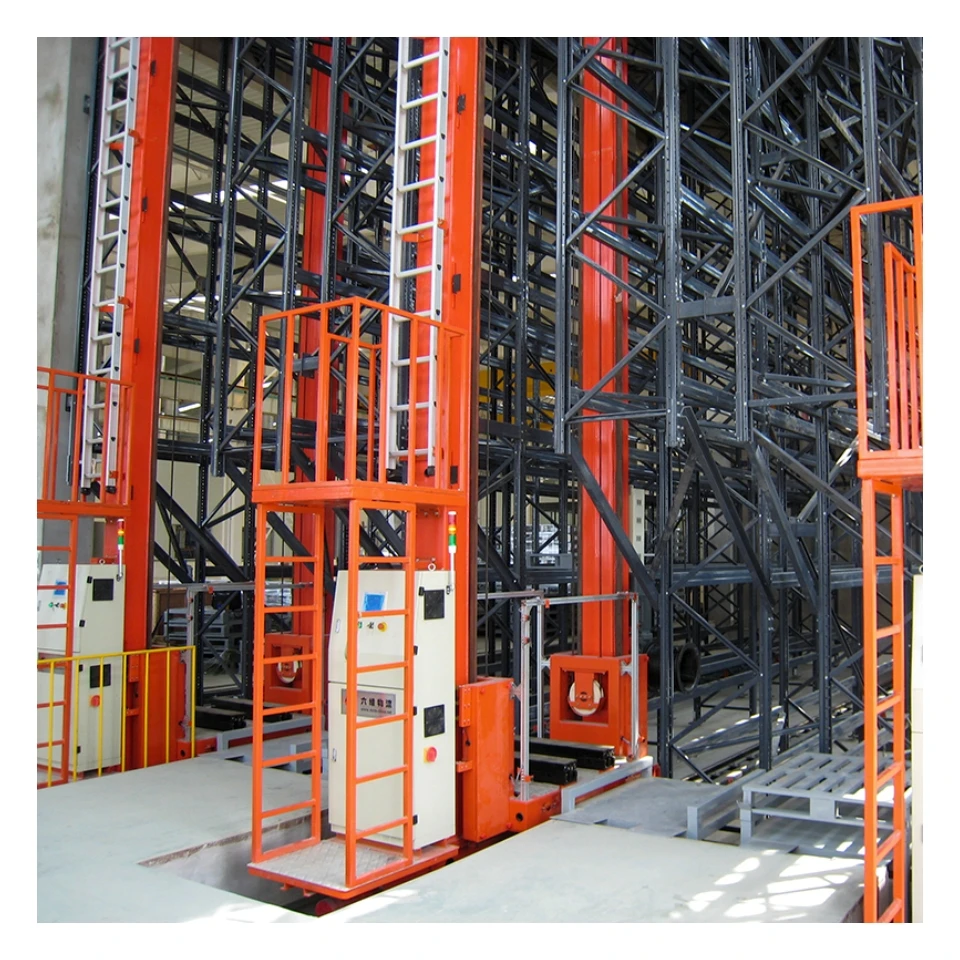
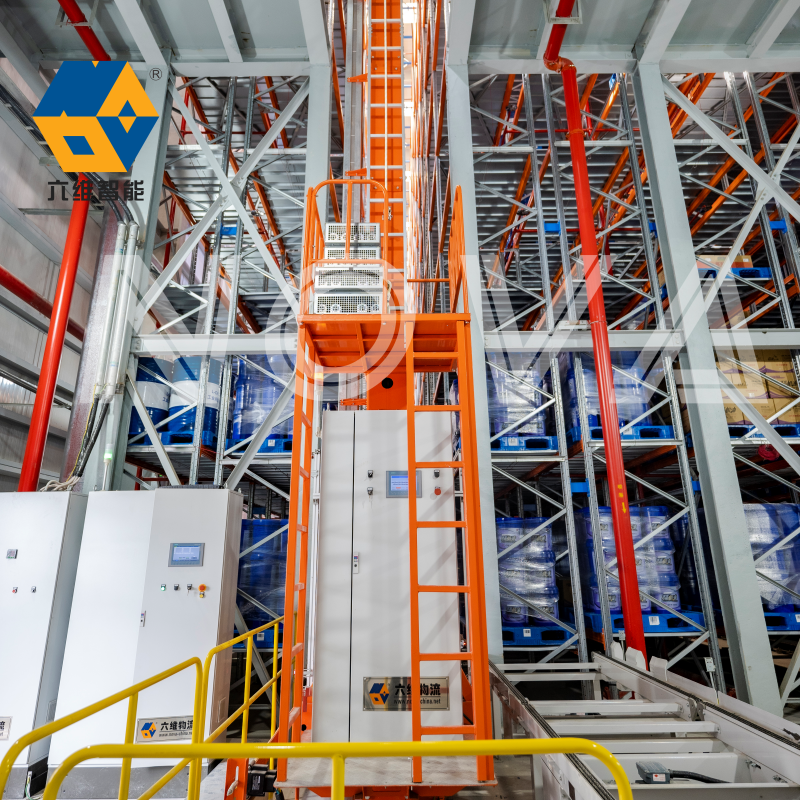
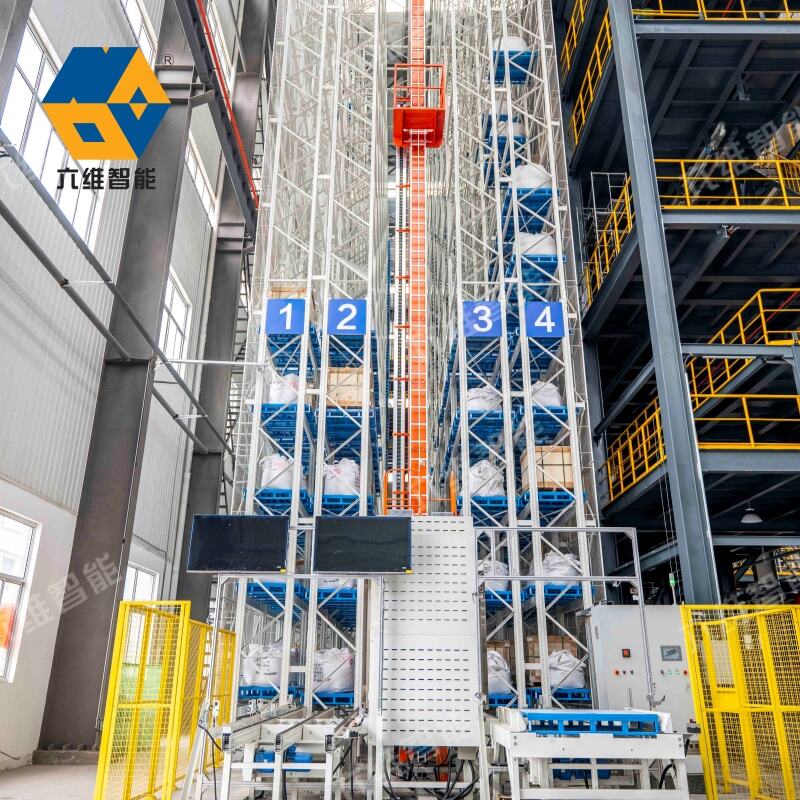
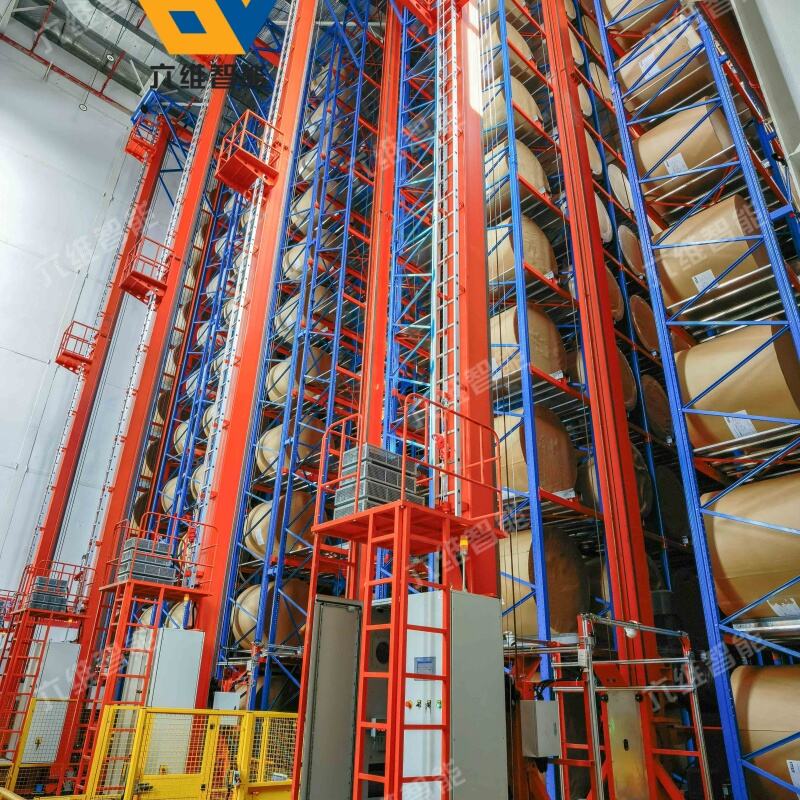
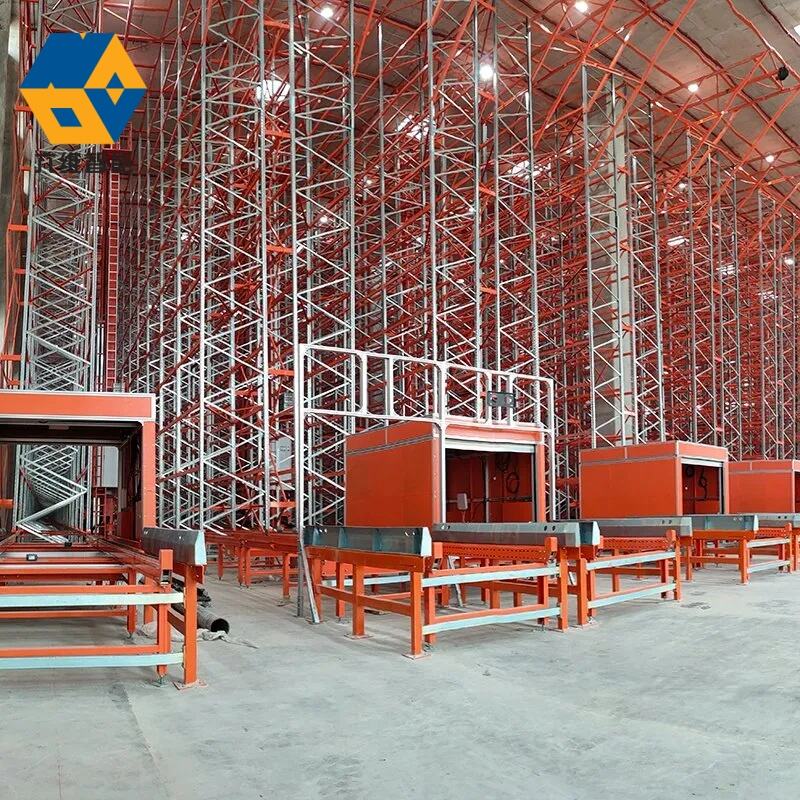
Understanding automated warehouse cost requires examining multiple factors that influence the total investment in modern warehouse automation systems. An automated warehouse represents a sophisticated storage and retrieval solution that leverages cutting-edge technology to streamline operations, reduce manual labor, and optimize inventory management. The automated warehouse cost encompasses various components including hardware infrastructure, software systems, installation expenses, training programs, and ongoing maintenance requirements. When businesses evaluate automated warehouse cost, they must consider the initial capital expenditure for equipment such as automated storage and retrieval systems, conveyor networks, robotic picking solutions, and warehouse management software platforms. The main functions of these systems include efficient goods receiving, systematic storage allocation, rapid order fulfillment, accurate inventory tracking, and seamless shipping processes. Technological features incorporated into modern automated warehouses include artificial intelligence for predictive analytics, machine learning algorithms for route optimization, sensor networks for real-time monitoring, and cloud-based control systems for centralized management. These facilities find applications across diverse industries including e-commerce fulfillment centers, pharmaceutical distribution, automotive parts warehousing, food and beverage logistics, and retail supply chains. The automated warehouse cost calculation must account for building modifications, electrical infrastructure upgrades, network connectivity enhancements, and integration with existing enterprise resource planning systems. Additionally, businesses need to factor in the return on investment timeline, considering how automation reduces labor costs, minimizes errors, accelerates throughput, and improves customer satisfaction. The scalability of automated solutions allows companies to start with partial automation and gradually expand capabilities as business demands grow, thereby spreading the automated warehouse cost over extended implementation phases while maintaining operational continuity throughout the transformation process.

New Product Recommendations

The automated warehouse cost delivers substantial practical benefits that directly impact your bottom line and operational efficiency. First and foremost, automation dramatically reduces your dependence on manual labor, which translates to significant savings on wages, benefits, training expenses, and costs associated with employee turnover. While the upfront automated warehouse cost may seem substantial, most businesses recover their investment within three to five years through reduced operational expenses. Your facility can operate continuously without breaks, holidays, or shift changes, maximizing productivity around the clock and enabling you to fulfill orders faster than traditional warehouses. Accuracy improvements represent another compelling advantage, as automated systems virtually eliminate picking errors that plague manual operations. This precision reduces costly returns, enhances customer satisfaction, and protects your brand reputation. The automated warehouse cost includes sophisticated inventory management capabilities that provide real-time visibility into stock levels, preventing both stockouts and overstock situations that tie up valuable capital. Space utilization improves dramatically because automated systems can store goods in high-density configurations using vertical space that remains inaccessible in conventional warehouses. This efficiency means you can store more products in less square footage, reducing real estate costs and property taxes. Safety benefits also justify the automated warehouse cost, as automation removes workers from dangerous tasks involving heavy lifting, repetitive motions, and operation of industrial equipment, thereby reducing workplace injuries and associated insurance premiums. Your business gains remarkable flexibility to handle seasonal demand fluctuations without the challenges of hiring and training temporary staff. Automated systems scale operations up or down seamlessly based on order volumes. Data collection capabilities embedded in automated warehouses provide valuable insights into operational performance, enabling continuous improvement and informed decision-making. You gain detailed analytics on throughput rates, order cycle times, equipment utilization, and bottleneck identification. Environmental advantages also emerge as automated systems optimize energy consumption, reduce waste through precise inventory control, and minimize the carbon footprint associated with warehouse operations. The automated warehouse cost ultimately represents an investment in competitiveness, allowing your business to meet rising customer expectations for fast, accurate order fulfillment while maintaining cost control in an increasingly challenging market environment.

Practical Tips

How Does a Warehouse Mezzanine Increase Storage Capacity Efficiently?

13

Jan

How Does a Warehouse Mezzanine Increase Storage Capacity Efficiently?

Modern warehouse operations face mounting pressure to maximize storage capacity without expanding their physical footprint. A warehouse mezzanine represents one of the most effective solutions for increasing storage density while maintaining operatio...
View More
How Automated Storage and Retrieval Systems Enhance Inventory Accuracy

05

Feb

How Automated Storage and Retrieval Systems Enhance Inventory Accuracy

Modern warehouses face unprecedented challenges in maintaining accurate inventory levels while managing increasing order volumes and customer expectations. Traditional manual tracking methods have become insufficient for businesses seeking competitiv...
View More
How Does Automation Transform Storage and Retrieval Processes?

05

Feb

How Does Automation Transform Storage and Retrieval Processes?

Modern warehouses and distribution centers are experiencing a revolutionary transformation through advanced technology solutions that streamline operations and maximize efficiency. The implementation of sophisticated automated storage and retrieval s...
View More
How Can Automated Storage Systems Boost Supply Chain Performance?

05

Feb

How Can Automated Storage Systems Boost Supply Chain Performance?

Modern supply chains face unprecedented challenges in managing inventory, reducing costs, and maintaining operational efficiency. Companies worldwide are turning to advanced warehouse automation technologies to address these growing demands. An autom...
View More

Get a Free Quote

Our representative will contact you soon.
Email
Name
Company Name
Message
0/1000

automated warehouse cost

Maximizing Return on Investment Through Labor Optimization

Maximizing Return on Investment Through Labor Optimization

The automated warehouse cost delivers exceptional value through transformative labor optimization that fundamentally reshapes your operational economics. Traditional warehouse operations require substantial workforce investment for repetitive tasks including receiving, putaway, picking, packing, and shipping activities. These labor-intensive processes consume significant portions of operational budgets while remaining vulnerable to human error, fatigue, and productivity variations. When you invest in warehouse automation, the initial automated warehouse cost is offset by immediate and sustained reductions in labor requirements. Automated storage and retrieval systems handle material movement with precision and consistency that human workers cannot match over extended periods. Your facility can reduce staffing levels by forty to seventy percent depending on automation scope, freeing your workforce to focus on value-added activities requiring human judgment and problem-solving capabilities. The automated warehouse cost includes systems that work continuously without breaks, eliminating the productivity losses associated with shift changes, lunch periods, and employee absences. This constant operation means your facility processes more orders with fewer resources, directly improving profitability margins. Labor cost savings extend beyond wages to encompass reduced expenses for recruitment, onboarding, training programs, benefits administration, workers compensation insurance, and management overhead. The automated warehouse cost also insulates your business from labor market volatility, minimum wage increases, and seasonal hiring challenges that plague traditional operations. During peak seasons, automated systems simply run longer hours rather than requiring costly temporary staffing. Quality improvements further enhance return on investment as automation eliminates picking errors that generate expensive returns, customer service interventions, and brand damage. The precision inherent in automated systems means orders ship correctly the first time, reducing reverse logistics costs and improving customer retention rates. When calculating automated warehouse cost justification, businesses should project labor savings across multiple years, accounting for wage inflation and benefits cost increases that make manual operations progressively more expensive. Most organizations discover that automation pays for itself much faster than initially projected, particularly when factoring in productivity gains, error reduction, and capacity expansion achieved without proportional increases in headcount.
Unlocking Space Efficiency and Capacity Expansion

Unlocking Space Efficiency and Capacity Expansion

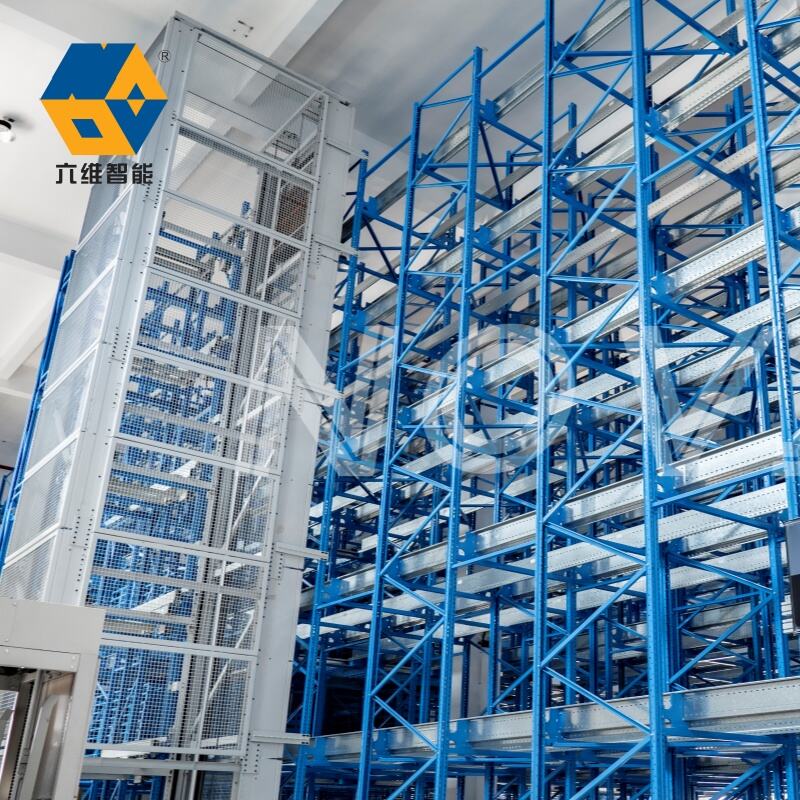
The automated warehouse cost delivers remarkable value through superior space utilization that maximizes your existing facility capacity while deferring or eliminating expensive building expansions. Conventional warehouses operate under significant spatial constraints because human workers require wide aisles for equipment operation, adequate lighting throughout the facility, and ergonomic storage heights that limit vertical space usage. These requirements mean traditional warehouses utilize only thirty to forty percent of available cubic space, leaving enormous capacity untapped. When evaluating automated warehouse cost, businesses must recognize how automation transforms spatial economics through high-density storage configurations. Automated systems operate in narrow aisles measuring just inches wider than the loads themselves, reclaiming floor space that manual operations waste on maneuvering room. Vertical lift modules and automated storage retrieval systems access ceiling heights up to one hundred feet, utilizing airspace that remains inaccessible with conventional equipment. This three-dimensional storage approach means automated warehouses often double or triple effective capacity within identical square footage, delivering dramatic reductions in cost per storage position. The automated warehouse cost becomes particularly attractive when compared against building expansion alternatives, which involve construction expenses, extended timelines, property acquisition, permitting processes, and operational disruptions. By maximizing existing facilities, automation provides immediate capacity increases without the risks and delays inherent in construction projects. Density improvements also reduce climate control costs as automated systems can operate in darkened, temperature-optimized environments without accommodation for human comfort requirements. The automated warehouse cost includes intelligent space management software that dynamically allocates storage locations based on product velocity, dimensions, and demand patterns. Fast-moving items automatically position near shipping areas while slower inventory migrates to deeper storage, optimizing retrieval efficiency without manual reorganization efforts. Businesses experiencing growth discover that automation accommodates expanding inventory without proportional facility expansion, fundamentally changing the economics of scalability. The automated warehouse cost effectively future-proofs your operation by building capacity reserves that support years of growth within your current footprint, providing financial flexibility and operational stability as your business evolves.
Enhancing Competitive Advantage Through Speed and Accuracy

Enhancing Competitive Advantage Through Speed and Accuracy

The automated warehouse cost represents a strategic investment in competitive differentiation through superior fulfillment speed and accuracy that modern customers demand. Today's marketplace operates under intense pressure for same-day or next-day delivery, requiring warehouses to process orders within hours rather than days. Manual operations struggle to meet these expectations while maintaining accuracy, as speed and precision traditionally involve tradeoffs. Workers rushing to meet tight deadlines make more errors, while careful accuracy checking slows throughput. The automated warehouse cost solves this dilemma by delivering both exceptional speed and near-perfect accuracy simultaneously. Automated systems process orders at consistent rates regardless of pressure or fatigue, maintaining quality standards even during peak demand periods. Robotic picking systems identify and retrieve items in seconds, while automated conveyance networks transport goods directly to packing stations without delays. This orchestrated efficiency means your facility can promise and deliver faster shipping options that become powerful competitive differentiators. Customers increasingly choose retailers and distributors based on fulfillment speed, making the automated warehouse cost an investment in market share growth. Accuracy improvements prove equally valuable as picking precision approaches ninety-nine point nine percent, virtually eliminating the costly errors that damage customer relationships. When orders consistently arrive complete and correct, customer satisfaction scores improve dramatically, driving repeat purchases and positive reviews that attract new business. The automated warehouse cost includes sophisticated verification systems that confirm order accuracy at multiple checkpoints, catching the rare errors before shipment. This quality assurance happens automatically without slowing operations, maintaining throughput while ensuring reliability. Real-time inventory accuracy represents another competitive advantage delivered by automated systems, as continuous tracking eliminates the discrepancies that plague manual warehouses. You can confidently display accurate stock availability on your website, preventing the frustrating out-of-stock notifications that drive customers to competitors. The automated warehouse cost also enables flexible fulfillment strategies including ship-from-store, buy-online-pickup-in-store, and distributed inventory models that meet diverse customer preferences. Analytics capabilities embedded in automated systems provide visibility into performance metrics, enabling continuous optimization that keeps your operation at the competitive forefront. As customer expectations continue escalating, the automated warehouse cost positions your business to meet future demands while competitors struggle with outdated manual processes.

Get a Free Quote

Our representative will contact you soon.
Email
Name
Company Name
Message
0/1000

Get a Free Quote

Our representative will contact you soon.
Email
Name
Company Name
Message
0/1000