Mga Opsyon sa Flexible na Konpigurasyon para sa Dinamikong Mga Kapaligiran ng Negosyo
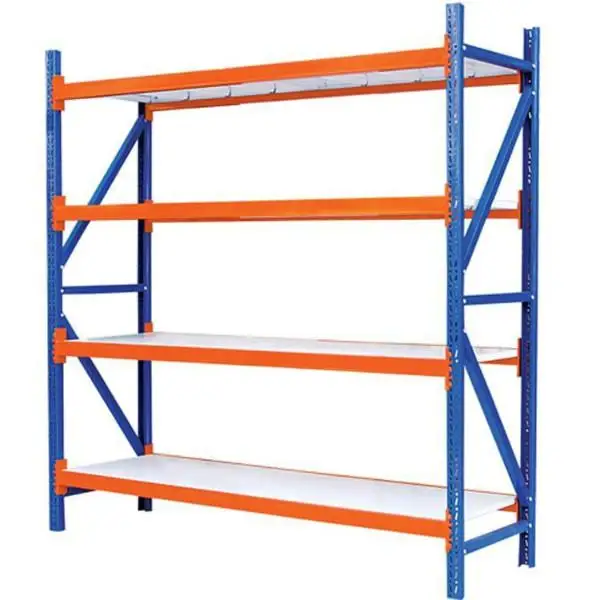
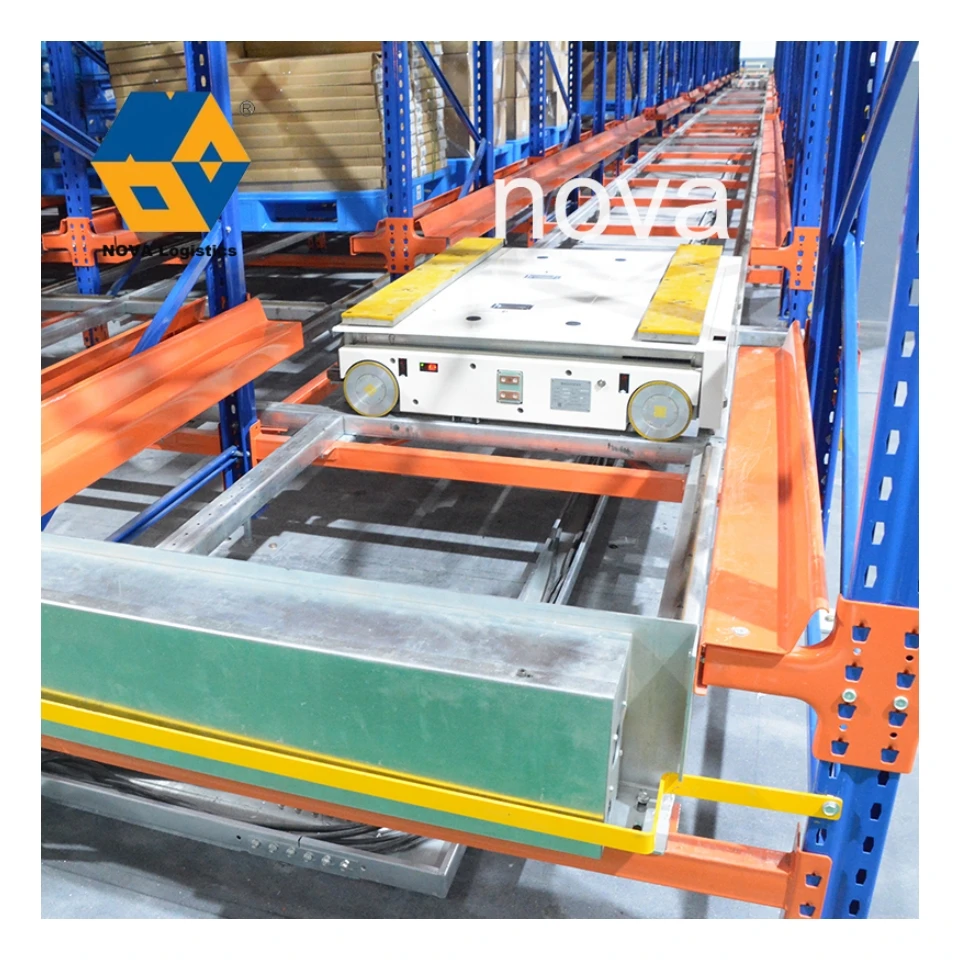
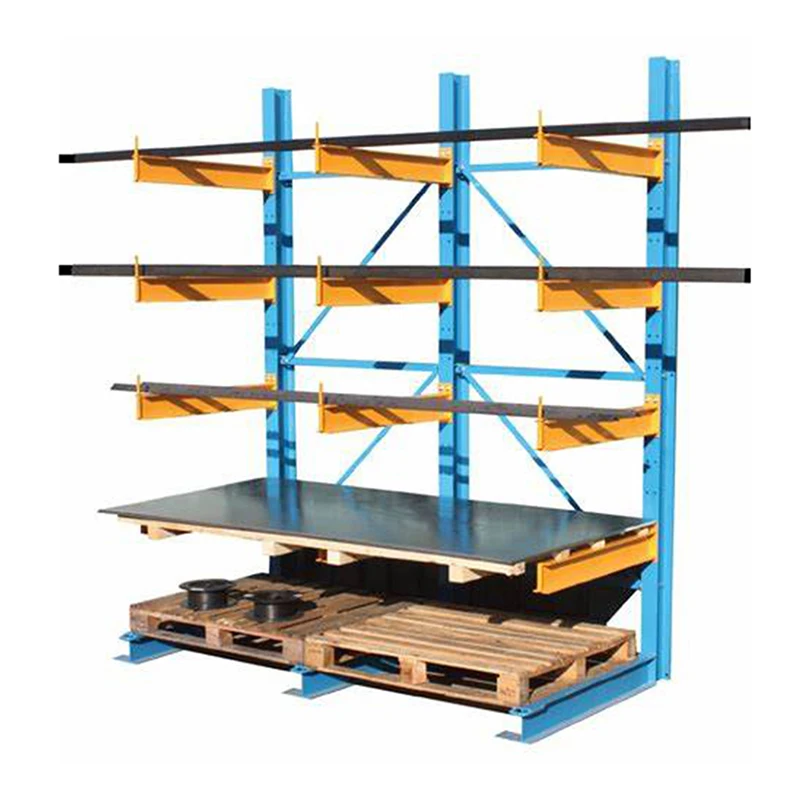
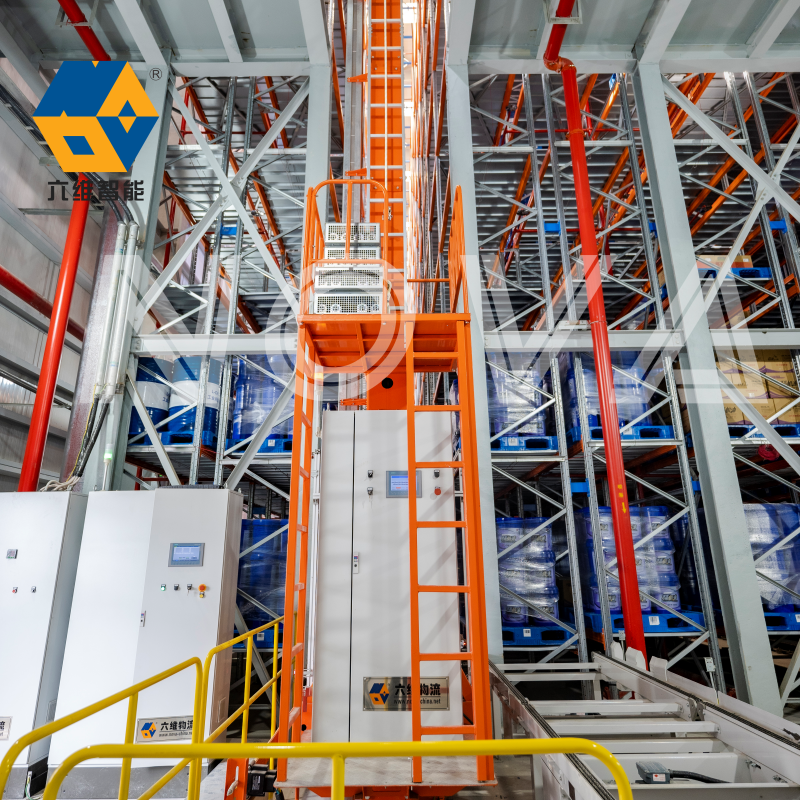
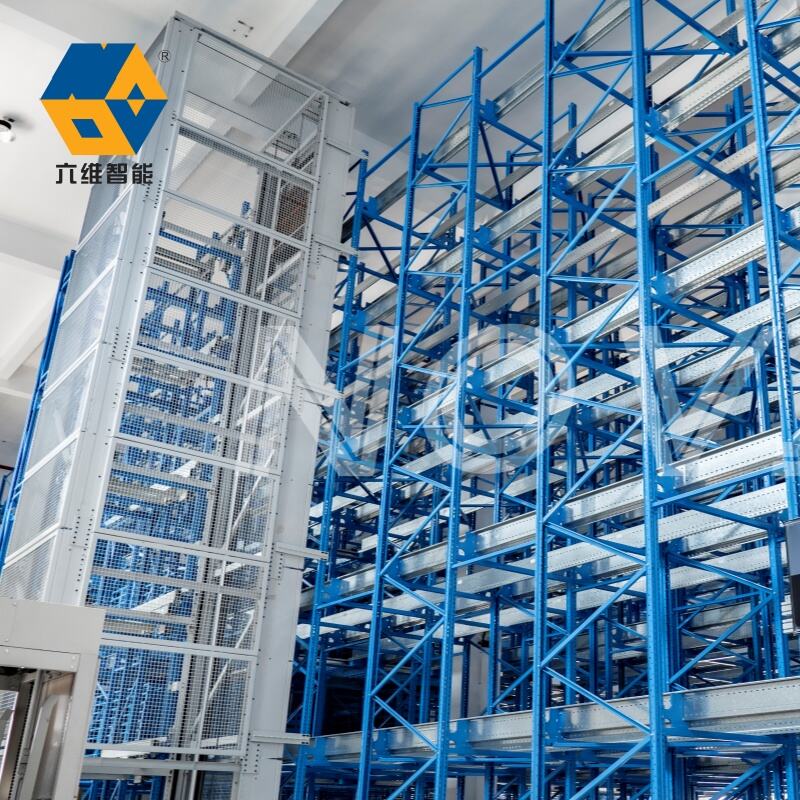
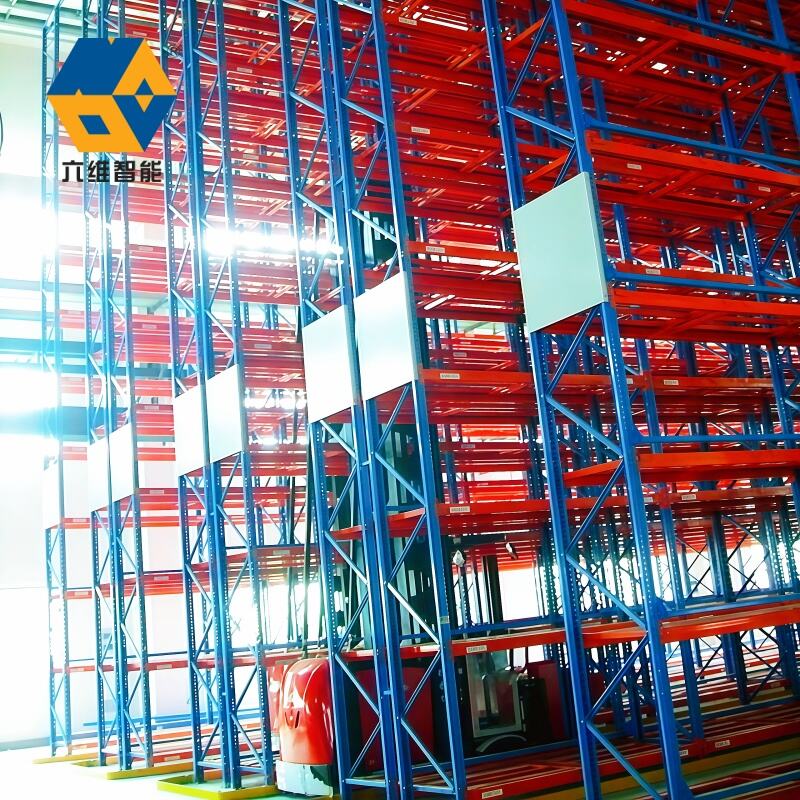
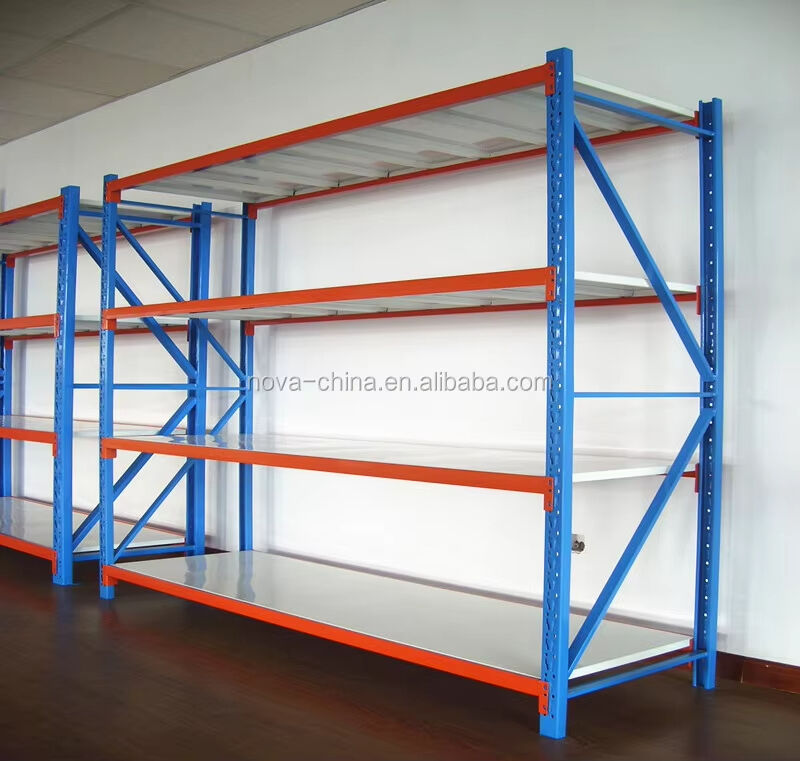
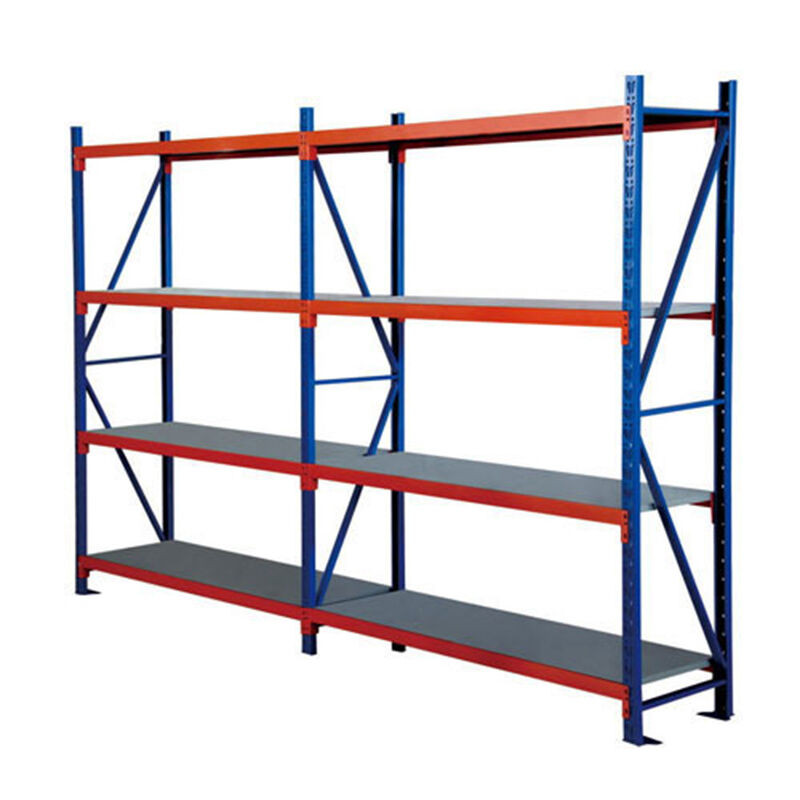
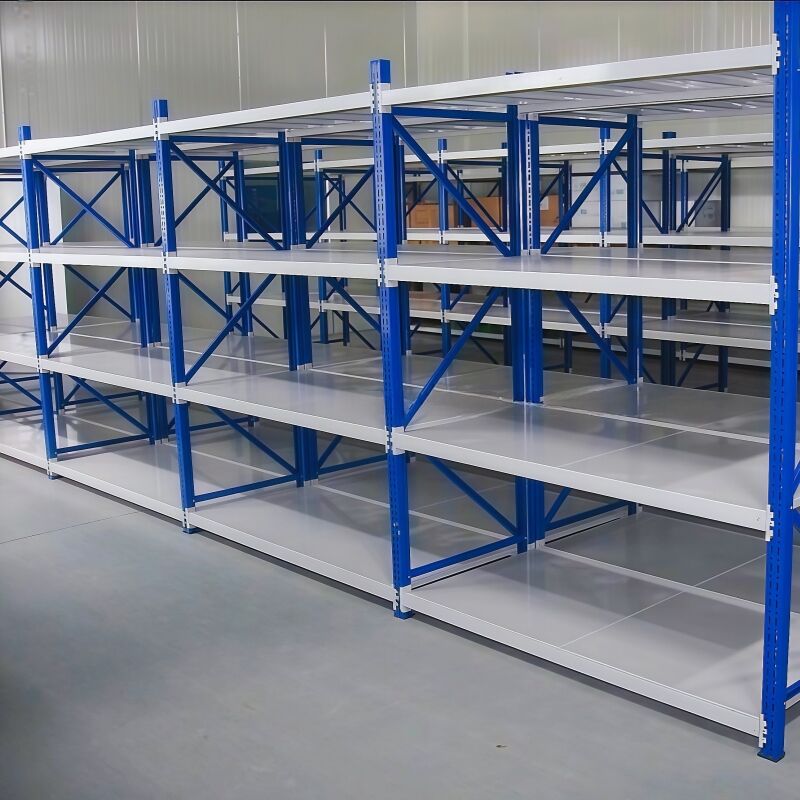
Ang mga modernong operasyon ng negosyo ay nangangailangan ng mga solusyon sa imbakan na mabilis na umaangkop sa mga nagbabagong profile ng imbakan, mga panahon ng pagbabago sa demand, at mga umuunlad na linya ng produkto, kaya ang kakayahang i-configure ang sistema ng bakal na rack ay isang napakahalagang ari-arian sa operasyon. Ang modular na disenyo na nasa likod ng mga istrukturang ito ay nagbibigay-daan sa walang hanggang mga posibilidad sa layout, mula sa simpleng single-deep selective configuration hanggang sa mga kumplikadong high-density storage arrangement na pinakamainam na ginagamit ang cubic space. Maaaring ipatupad ng mga negosyo ang selective pallet racking para sa mga operasyon na nangangailangan ng direktang access sa bawat item na naimbakan, na nagbibigay ng ideal na solusyon para sa mga pasilidad na nangangasiwa ng iba’t ibang hanay ng produkto na may magkakaibang rate ng turnover. Ang parehong mga komponente ng sistema ng bakal na rack ay maaaring i-reconfigure bilang drive-in o drive-through layout kapag ang imbakan ay binubuo ng maraming pallet ng identikal na produkto, na lubos na tumataas sa density ng imbakan para sa mga produktong dahan-dahan ilipat. Ang push-back rack configurations ay nabubuo sa pamamagitan ng pagdaragdag ng mga espesyal na cart at rail sa mga standard frame, na lumilikha ng dynamic na imbakan na awtomatikong inuuna ang susunod na pallet kapag ang unang posisyon ay naging walang laman. Ang cantilever extensions ay nagpapabago sa sistema ng bakal na rack upang maging perpektong solusyon para sa mahabang, bulky na mga item tulad ng kahoy, tubo, o muwebles, kung saan ang mga arm ay umaabot mula sa single-sided o double-sided uprights upang suportahan ang mga produkto na hindi kayang tanggapin ng karaniwang pallet positions. Ang mga adjustable beam levels ay nangangahulugan na ang sistema ay lumalaki kasama ang iyong imbakan, na nagpapahintulot ng panahon-panahong reconfiguration kapag ang mix ng produkto ay nagbabago sa buong taon—mula sa maliit na kahon hanggang sa malalaking container. Ang tool-free adjustment mechanisms sa mga de-kalidad na sistema ay nagpapahintulot sa mga tauhan sa warehouse na mabilis na baguhin ang taas ng imbakan nang walang interupsiyon sa produksyon, na panatilihin ang tuloy-tuloy na operasyon habang isinasagawa ang optimization ng layout. Ang sistema ng bakal na rack ay sumasaklaw sa iba’t ibang sukat at uri ng pallet, mula sa karaniwang 40-x-48-inch configuration hanggang sa European pallets, custom sizes, at kahit sa non-palletized storage gamit ang angkop na decking additions. Ang kakayahang i-integrate ang mezzanine ay nagpapahintulot sa mga negosyo na idagdag ang elevated work platforms o karagdagang antas ng imbakan sa loob ng umiiral na rack structures, na epektibong lumilikha ng multi-story facilities nang hindi kailangang gawin ang malawak na pagbabago sa gusali. Ang hybrid configurations ay pagsasama-sama ng iba’t ibang estilo ng racking sa loob ng unified structures, na nagpapahintulot sa mga pasilidad na i-optimize ang bawat storage zone batay sa tiyak na katangian ng produkto at mga kinakailangan sa access. Ang hinaharap na pagpapalawak ay nananatiling simple dahil ang karagdagang bays ay maaaring ikonekta nang seamless sa umiiral na instalasyon, na panatilihin ang parehong hitsura at pagganap habang paunti-unting nadaragdagan ang kapasidad ng imbakan. Ang versatility ng sistema ng bakal na rack ay umaabot din sa mga espesyalisadong aplikasyon tulad ng cold storage facilities, cleanroom environments, at outdoor installations na may angkop na protective treatments, na nagpapakita ng kakayahang umangkop sa mga ekstremong kondisyon ng operasyon na maaaring sirain ang mas mababang antas ng mga solusyon sa imbakan.
 EN
EN