Automatic Retrieval System Solutions: Advanced Warehouse Automation Technology

All Categories

Get a Free Quote

Our representative will contact you soon.
Email
Name
Company Name
Message
0/1000

automatic retrieval system

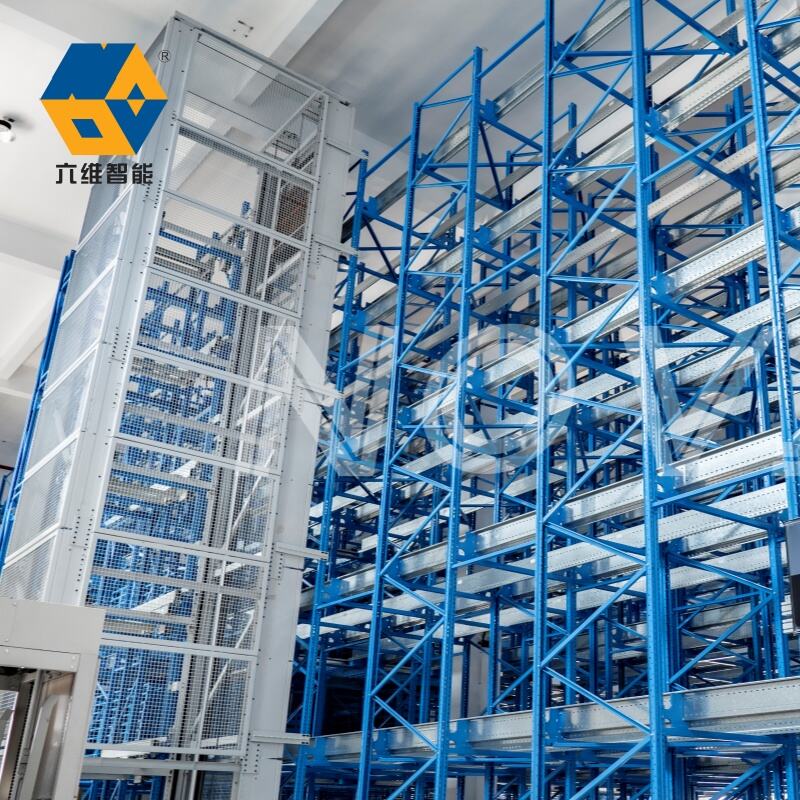
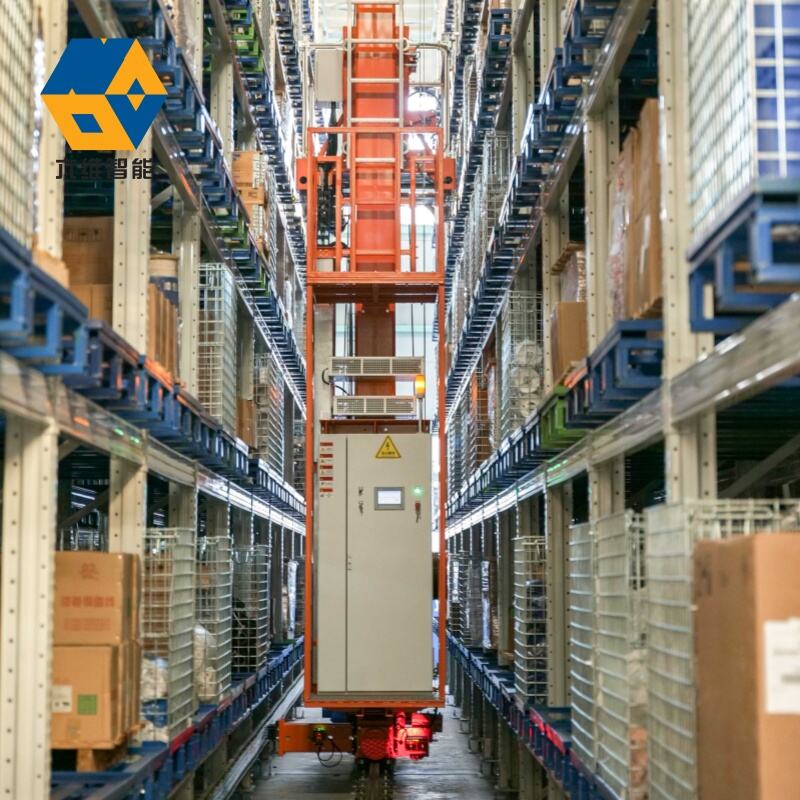
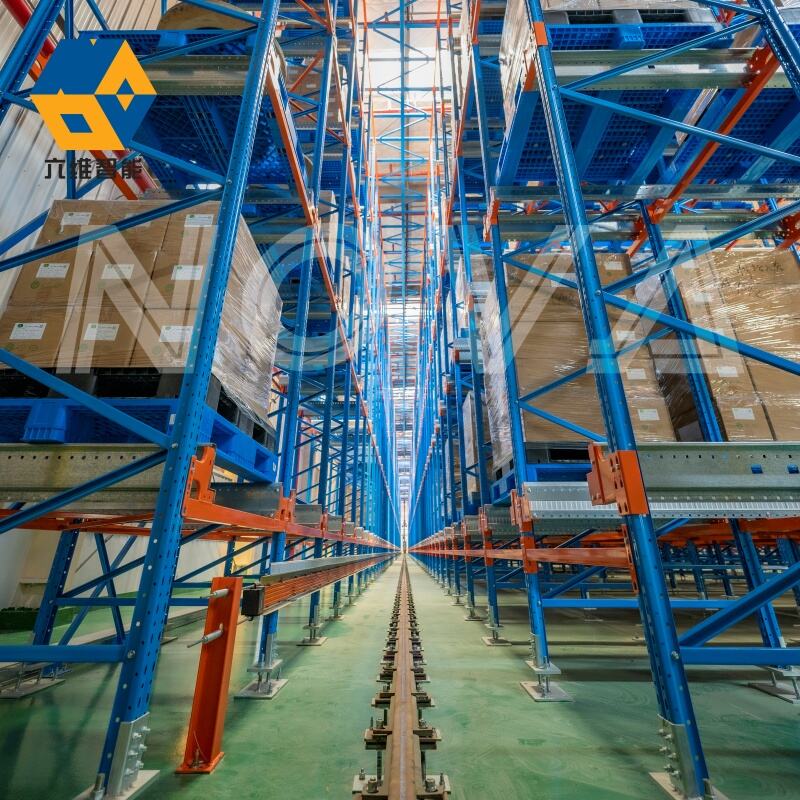
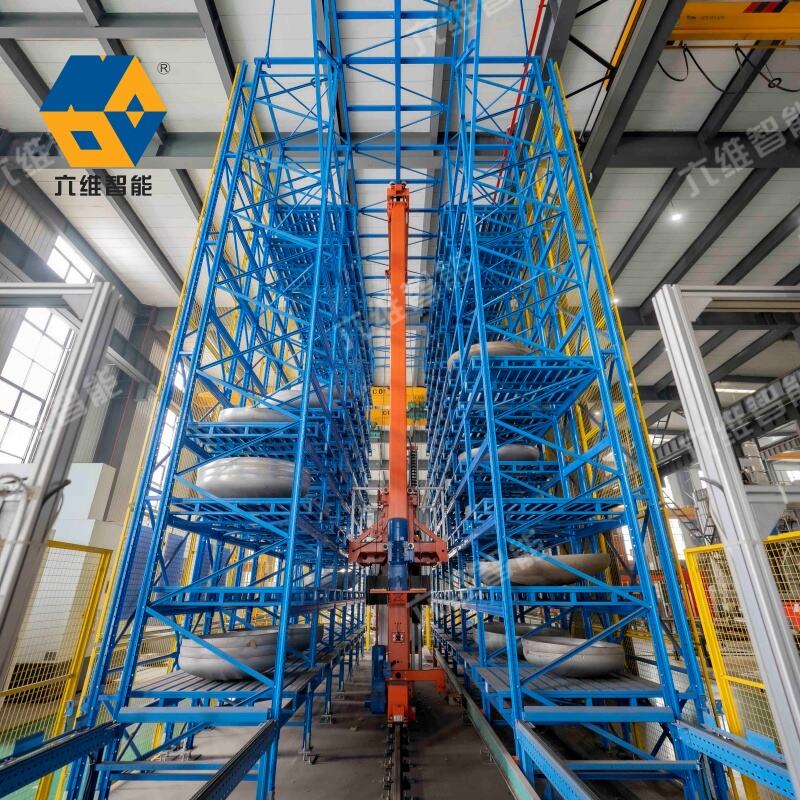
An automatic retrieval system represents a sophisticated technological solution designed to streamline inventory management and product handling processes across various industries. This innovative system eliminates manual searching and retrieval tasks by employing advanced robotics, computerized controls, and intelligent software algorithms to locate, access, and deliver items on demand. The automatic retrieval system fundamentally transforms traditional warehousing operations by integrating multiple technologies into a cohesive platform that responds instantly to retrieval requests. At its core, the system utilizes vertical and horizontal storage configurations maximizing space utilization while maintaining rapid accessibility to stored materials. The main functions encompass automated storage placement, real-time inventory tracking, rapid item retrieval, and seamless integration with existing enterprise management systems. Technological features include high-precision positioning mechanisms, sensor networks that monitor system status continuously, fault-detection capabilities, and adaptive learning algorithms that optimize retrieval paths based on usage patterns. The control software maintains comprehensive databases of item locations, enabling instant query responses and supporting complex retrieval sequences. Application scenarios span diverse sectors including pharmaceutical distribution centers requiring strict compliance tracking, automotive parts warehouses managing thousands of SKUs, electronics manufacturing facilities demanding component availability, retail distribution operations supporting omnichannel fulfillment, and cold storage environments where minimizing human exposure proves essential. The automatic retrieval system architecture typically incorporates vertical lift modules, horizontal carousels, or crane-based mechanisms depending on facility requirements and throughput demands. Safety features include emergency stop functions, protective barriers, and redundant control systems ensuring operator protection and equipment longevity. Modern implementations leverage IoT connectivity for remote monitoring, predictive maintenance scheduling, and performance analytics that drive continuous operational improvements across the entire material handling ecosystem.

New Products

Organizations implementing an automatic retrieval system experience transformative benefits that directly impact their bottom line and operational capabilities. The most immediate advantage comes from dramatic reductions in labor costs as the system eliminates the need for personnel to manually search through aisles, climb ladders, or operate forklifts for routine retrieval tasks. Workers redirect their efforts toward value-adding activities such as quality control, customer service, and strategic planning rather than repetitive physical searching. Speed improvements prove equally significant, with retrieval times dropping from minutes to mere seconds, enabling businesses to process orders faster and meet increasingly demanding delivery expectations. This velocity advantage becomes particularly crucial during peak seasons when order volumes surge and customer satisfaction hinges on rapid fulfillment. Accuracy reaches unprecedented levels as the automatic retrieval system eliminates human picking errors that typically affect two to three percent of manual operations. Each item retrieval follows precise digital instructions, ensuring customers receive exactly what they ordered while reducing costly returns and replacements. Space optimization delivers remarkable value by utilizing vertical dimensions that conventional shelving cannot efficiently access. Facilities often recover thirty to forty percent more usable storage capacity within their existing footprint, deferring or eliminating expensive building expansions. The system enhances workplace safety by removing workers from potentially hazardous environments involving heavy lifting, elevated platforms, and mobile equipment traffic. Injury rates decline substantially, reducing workers compensation costs and improving employee morale. Energy efficiency improves through optimized movement patterns and reduced lighting requirements in automated zones, lowering utility expenses while supporting sustainability initiatives. Inventory visibility reaches real-time precision as the automatic retrieval system continuously tracks every item movement, providing management with accurate stock levels that prevent both stockouts and excess inventory carrying costs. Scalability becomes straightforward since adding storage capacity or throughput capability requires equipment expansion rather than proportional workforce increases. Quality control improves as items remain protected within enclosed storage environments, shielded from dust, damage, and unauthorized access. The system also generates valuable operational data revealing usage patterns, identifying slow-moving inventory, and highlighting process bottlenecks that management can address proactively. Customer satisfaction rises as faster, more accurate order fulfillment translates into positive purchasing experiences that build brand loyalty and competitive differentiation in crowded marketplaces.

Latest News

Which Pallet Rack Designs Fit Different Warehouse Applications Best?

20

May

Which Pallet Rack Designs Fit Different Warehouse Applications Best?

Selecting the right pallet rack design is one of the most consequential decisions a warehouse manager or logistics planner can make. The wrong configuration leads to wasted vertical space, inefficient picking workflows, and even serious safety risks....
View More
How Do Heavy Duty Rack Structures Improve Warehouse Safety?

20

May

How Do Heavy Duty Rack Structures Improve Warehouse Safety?

Warehouse safety is not an accidental outcome — it is the direct result of thoughtful infrastructure decisions. Among the most impactful of those decisions is the choice to invest in a properly engineered heavy duty rack system. These structures are ...
View More
How Can Automated Storage Systems Boost Supply Chain Performance?

05

Feb

How Can Automated Storage Systems Boost Supply Chain Performance?

Modern supply chains face unprecedented challenges in managing inventory, reducing costs, and maintaining operational efficiency. Companies worldwide are turning to advanced warehouse automation technologies to address these growing demands. An autom...
View More
How Can a Shuttle Rack Improve Inventory Management Efficiency?

16

Mar

How Can a Shuttle Rack Improve Inventory Management Efficiency?

Modern warehouses face unprecedented challenges in managing inventory efficiently while maximizing storage capacity. Traditional storage systems often fall short of meeting the demands of high-density storage requirements and rapid inventory turnover...
View More

Get a Free Quote

Our representative will contact you soon.
Email
Name
Company Name
Message
0/1000

automatic retrieval system

Maximized Operational Efficiency Through Intelligent Automation

Maximized Operational Efficiency Through Intelligent Automation

The automatic retrieval system revolutionizes operational efficiency by orchestrating complex material handling tasks with minimal human intervention, creating a synchronized workflow that operates continuously with consistent performance. This intelligent automation extends beyond simple mechanical movement to encompass sophisticated decision-making algorithms that optimize every retrieval sequence based on multiple variables including item priority, storage location, travel distance, and current system workload. The technology continuously analyzes operational patterns to refine its performance, learning from historical data to predict demand fluctuations and preposition frequently accessed items for even faster retrieval. During implementation, businesses witness immediate productivity gains as the automatic retrieval system processes retrieval requests simultaneously rather than sequentially, handling multiple orders concurrently where manual operations would require linear processing. The system operates reliably across extended shifts without fatigue or performance degradation, maintaining peak efficiency during night operations and weekend schedules when labor availability traditionally constrains capacity. Integration capabilities allow the automatic retrieval system to communicate seamlessly with warehouse management systems, enterprise resource planning platforms, and order management solutions, creating an information ecosystem where data flows automatically between applications without manual data entry or reconciliation. This connectivity enables real-time inventory updates that reflect across all business systems instantly, providing accurate availability information to sales teams, procurement departments, and customer-facing interfaces. The efficiency advantages compound over time as the system accumulates operational intelligence, identifying optimization opportunities that human observers might overlook. Maintenance requirements remain minimal due to robust engineering and predictive monitoring capabilities that identify potential issues before they cause disruptions. When service becomes necessary, modular designs allow technicians to address specific components without shutting down the entire system, preserving operational continuity. The automatic retrieval system also accommodates variable workloads gracefully, scaling performance up during busy periods and conserving energy during quieter intervals without requiring management intervention or staffing adjustments.
Enhanced Accuracy and Inventory Control Excellence

Enhanced Accuracy and Inventory Control Excellence

Precision represents a cornerstone benefit of the automatic retrieval system, delivering accuracy levels that manual operations simply cannot match consistently over extended periods. Every retrieval transaction follows digitally verified instructions, eliminating the confusion that occurs when human workers misread labels, select incorrect items, or transpose quantities. This inherent precision cascades throughout the supply chain, ensuring customers receive correct orders that arrive complete and undamaged, building trust and reducing the costly reverse logistics associated with returns and corrections. The automatic retrieval system maintains perfect inventory records by tracking every item movement automatically, creating an auditable trail that reconciles physical stock with system records continuously rather than through periodic manual counts that only provide snapshots in time. This perpetual accuracy enables financial teams to rely on inventory valuations with confidence, supports just-in-time manufacturing strategies that depend on precise component availability, and facilitates regulatory compliance in industries where traceability requirements demand complete documentation of material handling. Advanced tracking extends to batch and serial number management, allowing the automatic retrieval system to enforce first-in-first-out rotation automatically, ensuring perishable goods move before expiration and maintaining product freshness throughout the distribution chain. The system also supports lot tracking requirements in pharmaceutical and food industries where recall capabilities must identify affected products instantly and precisely. Quality preservation improves dramatically as items remain within controlled storage environments rather than exposed on open shelving where handling damage, dust accumulation, and environmental variations degrade product condition. The enclosed nature of automatic retrieval system storage also enhances security by restricting access to authorized retrieval transactions only, preventing theft, unauthorized borrowing, and inventory shrinkage that plague conventional warehouses. Audit capabilities provide detailed reporting on retrieval patterns, access history, and inventory movements, giving management visibility into operations that previously occurred in blind spots beyond systematic observation. This transparency supports continuous improvement initiatives by quantifying performance metrics, identifying training opportunities, and validating process changes with concrete data rather than subjective assessments.
Strategic Space Utilization and Future-Ready Scalability

Strategic Space Utilization and Future-Ready Scalability

The automatic retrieval system transforms facility space from a limiting constraint into a strategic asset by exploiting three-dimensional storage potential that conventional layouts leave untapped. Traditional warehousing restricts effective storage height to what workers can safely reach, typically leaving substantial cubic volume unutilized beneath ceiling structures. The automatic retrieval system eliminates this limitation through mechanical access capabilities that retrieve items from heights exceeding thirty feet with the same speed and ease as ground-level storage. This vertical optimization allows businesses to dramatically increase storage density within existing buildings, deferring capital-intensive facility expansions while accommodating inventory growth. The space efficiency extends to aisle elimination as the system requires only machine access paths rather than the wide corridors necessary for forklift traffic and human navigation. Footprint reductions of forty percent commonly occur during conversions from conventional shelving to automatic retrieval system configurations, freeing valuable floor space for other productive uses or allowing organizations to consolidate multiple satellite warehouses into a single optimized facility. The compact storage approach also reduces the environmental control costs associated with heating, cooling, and lighting large warehouse volumes, as automated storage zones require minimal illumination and can tolerate wider temperature ranges than worker-occupied spaces. Scalability planning becomes straightforward since the modular architecture of automatic retrieval system installations supports incremental capacity additions that match business growth precisely rather than forcing large step-function investments. Organizations can begin with a configuration meeting current requirements and expand systematically as demand increases, protecting capital resources while maintaining operational flexibility. The system accommodates diverse product types through configurable storage compartments, adjustable shelving, and specialized handling attachments, supporting business evolution as product mixes change over time. Future-proofing extends to technological advancement as the automatic retrieval system platforms accept software updates and enhanced capabilities without replacing mechanical infrastructure, protecting the substantial initial investment while ensuring access to innovation. This adaptability proves particularly valuable as e-commerce dynamics, customer expectations, and competitive pressures continue evolving, requiring operational agility that static manual systems cannot provide efficiently.

Get a Free Quote

Our representative will contact you soon.
Email
Name
Company Name
Message
0/1000

Get a Free Quote

Our representative will contact you soon.
Email
Name
Company Name
Message
0/1000