Steel Mezzanine Platform Solutions - Maximize Space & Efficiency | Industrial Storage Systems

All Categories

Get a Free Quote

Our representative will contact you soon.
Email
Name
Company Name
Message
0/1000

steel mezzanine platform

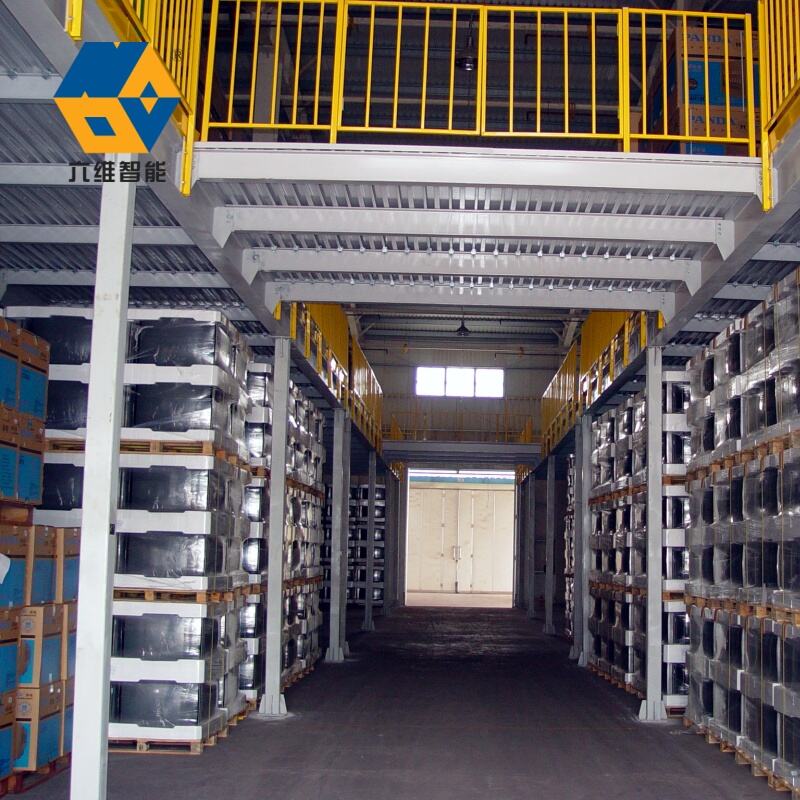
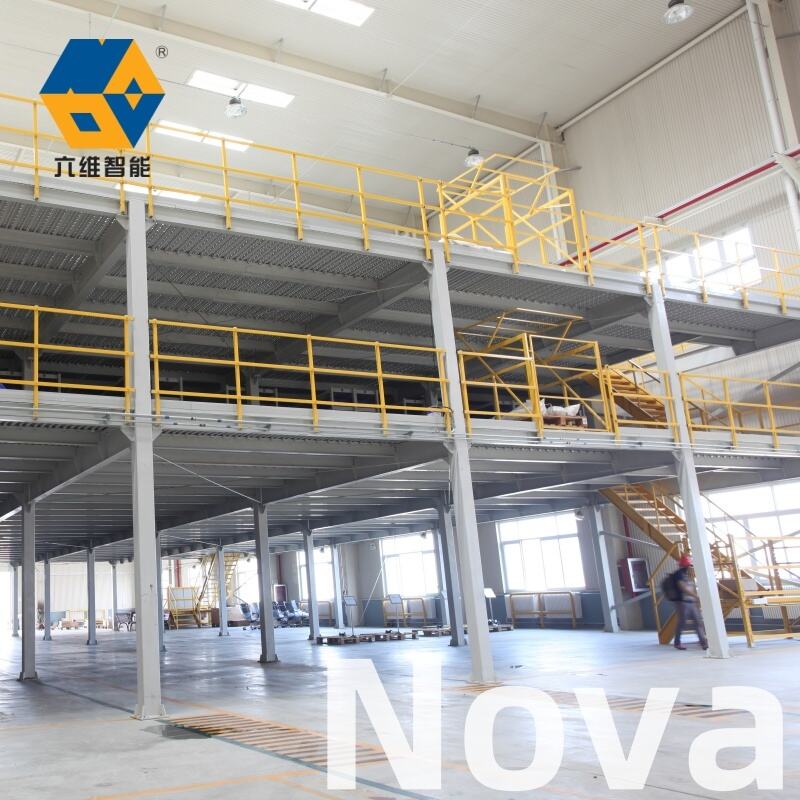
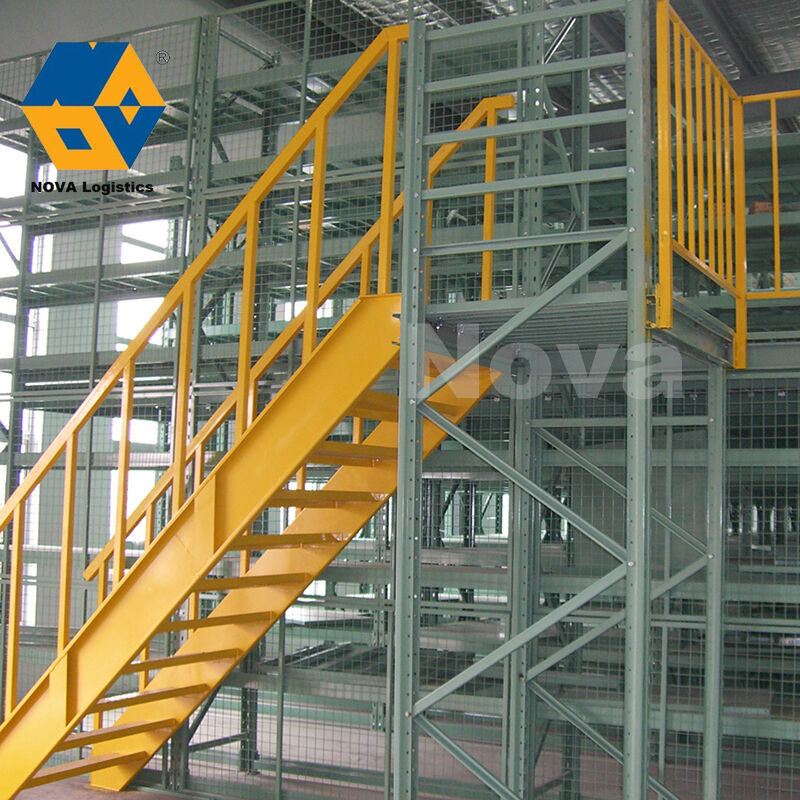
A steel mezzanine platform represents an innovative structural solution designed to maximize vertical space within warehouses, manufacturing facilities, retail environments, and industrial buildings. This elevated framework consists of robust steel components engineered to create an additional functional level above existing floor space without requiring extensive construction or building modifications. The steel mezzanine platform serves as a cost-effective alternative to facility expansion or relocation, allowing businesses to effectively double or even triple their usable square footage within the same building footprint. The primary functions of a steel mezzanine platform encompass storage optimization, workspace expansion, office accommodation, and operational efficiency enhancement. These structures support various activities including inventory management, order fulfillment operations, equipment placement, administrative functions, and production processes. Technological features distinguish modern steel mezzanine platforms from conventional construction methods. Advanced engineering software enables precise load calculations, ensuring structural integrity while maintaining compliance with building codes and safety regulations. The modular design philosophy allows for customizable configurations that adapt to specific operational requirements, column spacing, ceiling heights, and workflow patterns. Steel mezzanine platforms incorporate adjustable components, removable panels, and expandable sections that facilitate future modifications as business needs evolve. Installation methodology emphasizes minimal disruption to ongoing operations, with prefabricated components assembled on-site using bolted connections rather than welding, reducing installation time and allowing for potential relocation or reconfiguration. Applications span diverse industries including e-commerce fulfillment centers, automotive parts distribution, pharmaceutical storage, electronics manufacturing, retail showrooms, and cold storage facilities. The versatility of steel mezzanine platforms accommodates specialized requirements such as climate-controlled environments, cleanroom specifications, heavy equipment support, and integration with material handling systems including conveyors, lifts, and automated retrieval mechanisms. This structural solution proves particularly valuable for businesses experiencing growth constraints, seasonal inventory fluctuations, or operational bottlenecks caused by inadequate floor space.

New Products

The steel mezzanine platform delivers exceptional value through multiple practical benefits that directly impact operational efficiency and financial performance. Cost savings represent the most immediate advantage, as installing a steel mezzanine platform typically costs forty to sixty percent less than constructing building additions or relocating to larger facilities. Businesses avoid expenses associated with land acquisition, foundation work, exterior walls, roofing systems, and extended construction timelines that disrupt operations. The rapid implementation timeline allows companies to address space challenges quickly, with most installations completing within weeks rather than months required for traditional construction projects. This speed to functionality means revenue-generating activities resume faster and businesses capture opportunities that might otherwise be lost during prolonged construction periods. Flexibility stands as another significant benefit, since steel mezzanine platforms adapt to changing operational needs through modular components that allow expansion, reduction, or complete reconfiguration. Companies experiencing seasonal demand variations can adjust their spatial arrangements without permanent structural commitments. The portability of these systems provides insurance against obsolescence, as businesses can disassemble and relocate steel mezzanine platforms when moving facilities, preserving their initial investment rather than abandoning permanent construction. Safety enhancements built into quality steel mezzanine platforms protect workers and inventory through features like guardrails, kick plates, safety gates, and non-slip flooring surfaces that exceed standard workplace safety requirements. Improved organization becomes achievable when vertical space transforms into dedicated zones for specific functions, reducing congestion on primary floor levels and creating logical workflow patterns that minimize travel distances and handling steps. Energy efficiency improves as businesses maximize existing climate-controlled environments rather than heating or cooling additional building square footage. The steel construction methodology offers inherent durability, with properly maintained platforms serving reliably for decades while supporting heavy loads without deflection or structural degradation. Tax advantages may apply in certain jurisdictions where steel mezzanine platforms qualify as equipment rather than permanent structures, potentially allowing accelerated depreciation schedules compared to building improvements. Aesthetic considerations receive attention through powder-coated finishes, architectural styling options, and integration techniques that complement existing facility designs rather than appearing as afterthought additions. Environmental responsibility aligns with steel mezzanine platform selection, as steel ranks among the most recycled materials globally, and future disassembly allows material recovery rather than landfill disposal. Productivity gains emerge naturally when properly designed steel mezzanine platforms position materials, equipment, and personnel in optimal locations that streamline operations and reduce wasted motion throughout daily activities.

Tips And Tricks

What Makes a Longspan Rack Ideal for Medium- to Heavy-Duty Storage?

13

Jan

What Makes a Longspan Rack Ideal for Medium- to Heavy-Duty Storage?

Modern warehouses and industrial facilities face increasing pressure to optimize storage capacity while maintaining efficient access to inventory. The longspan rack has emerged as a versatile solution that bridges the gap between light-duty shelving ...
View More
Why Do Retail Backrooms Prefer Longspan Racks for Flexible Storage?

13

Jan

Why Do Retail Backrooms Prefer Longspan Racks for Flexible Storage?

Retail backrooms face constant pressure to maximize storage efficiency while maintaining quick access to inventory. Modern retail operations require storage solutions that adapt to changing merchandise sizes, seasonal demands, and evolving product li...
View More
How Does a Warehouse Mezzanine Increase Storage Capacity Efficiently?

13

Jan

How Does a Warehouse Mezzanine Increase Storage Capacity Efficiently?

Modern warehouse operations face mounting pressure to maximize storage capacity without expanding their physical footprint. A warehouse mezzanine represents one of the most effective solutions for increasing storage density while maintaining operatio...
View More
How Can a Shuttle Rack Improve Inventory Management Efficiency?

16

Mar

How Can a Shuttle Rack Improve Inventory Management Efficiency?

Modern warehouses face unprecedented challenges in managing inventory efficiently while maximizing storage capacity. Traditional storage systems often fall short of meeting the demands of high-density storage requirements and rapid inventory turnover...
View More

Get a Free Quote

Our representative will contact you soon.
Email
Name
Company Name
Message
0/1000

steel mezzanine platform

Maximized Space Utilization Without Building Expansion

Maximized Space Utilization Without Building Expansion

The steel mezzanine platform revolutionizes how businesses approach facility space constraints by transforming underutilized vertical volume into productive working areas. Traditional facilities often waste the substantial cubic footage between standard working heights and ceiling structures, leaving valuable potential untapped. A well-designed steel mezzanine platform converts this dormant space into fully functional areas supporting diverse operational requirements. This space multiplication occurs within existing building envelopes, eliminating the need for property boundary expansions, zoning variance applications, or new construction permits that delay projects and inflate costs. The financial implications prove substantial when comparing steel mezzanine platform installation against conventional expansion alternatives. Building additions require architectural design fees, engineering certifications, foundation excavation, structural framing, exterior cladding, roofing installation, utility extensions, and interior finishing work. These projects typically demand six to twelve months for completion while generating significant operational disruptions. Conversely, steel mezzanine platforms utilize prefabricated components manufactured to precise specifications in controlled factory environments, ensuring quality consistency and dimensional accuracy. On-site assembly proceeds systematically with minimal interference to ongoing business activities, often completing during off-hours or phased implementations that maintain operational continuity. The structural engineering behind steel mezzanine platforms accounts for live loads, dead loads, seismic considerations, and deflection limits specific to intended applications. Heavy-duty configurations support industrial equipment, dense storage systems, or manufacturing processes requiring substantial weight capacity. Light-duty versions accommodate office environments, retail displays, or archive storage where load demands remain modest. This customization extends to deck surfaces, where options include plywood, bar grating, concrete fill, or specialized flooring materials selected for specific performance characteristics such as fire resistance, chemical compatibility, or electrostatic dissipation. Integration capabilities allow steel mezzanine platforms to incorporate staircases, material lifts, conveyor systems, and personnel elevators that facilitate efficient movement between levels. Strategic placement of access points optimizes workflow patterns while maintaining compliance with egress requirements and accessibility standards. The result creates cohesive multi-level operations that function as unified systems rather than disconnected spaces, dramatically improving operational density and resource utilization within fixed facility parameters.
Robust Steel Construction Ensuring Long-Term Reliability

Robust Steel Construction Ensuring Long-Term Reliability

The structural foundation of every steel mezzanine platform relies on high-grade steel components engineered to deliver decades of dependable service under demanding operational conditions. Steel offers inherent advantages over alternative materials through its superior strength-to-weight ratio, predictable performance characteristics, and consistent quality standards maintained throughout manufacturing processes. The material selection process for steel mezzanine platforms considers factors including yield strength, tensile properties, corrosion resistance, and weldability to ensure optimal performance across diverse environmental conditions. Structural columns form the vertical support system, transferring loads from elevated platforms down to existing floor structures or independent foundations. These columns utilize hot-rolled steel sections designed with precise cross-sectional properties that resist buckling under compression loads while maintaining slender profiles that minimize floor space consumption. Beam assemblies span between columns, creating the horizontal framework supporting deck surfaces and distributed loads. Engineers specify beam depths, flange widths, and web thicknesses based on span distances and anticipated loading scenarios, ensuring adequate capacity with appropriate safety factors. The bolted connection methodology employed in quality steel mezzanine platforms provides multiple advantages over welded assemblies. Bolted joints allow field adjustments during installation to accommodate actual site conditions that may deviate slightly from design assumptions. This flexibility prevents installation complications and ensures proper alignment throughout the structure. Future modifications become straightforward as bolted connections disassemble cleanly, permitting component replacement, configuration changes, or complete relocation without destructive demolition. Corrosion protection receives careful attention through surface preparation and coating application that extends service life even in challenging environments. Standard powder coating processes apply electrostatically charged particles that bond uniformly to steel surfaces, creating durable finishes resistant to chipping, scratching, and chemical exposure. Specialized coatings address specific conditions such as high humidity, temperature extremes, or exposure to corrosive substances. Galvanizing provides enhanced protection through zinc coating application that sacrificially corrodes before underlying steel deteriorates. The modular nature of steel mezzanine platform construction enables scalability matching business growth trajectories. Initial installations can address immediate space requirements while incorporating design features that facilitate future expansion. Additional bays extend existing platforms horizontally, while vertical stacking creates multiple mezzanine levels where ceiling heights permit. This growth accommodation protects initial investments by ensuring structures remain relevant as operational demands evolve rather than becoming obsolete constraints requiring replacement.
Versatile Applications Across Multiple Industries and Functions

Versatile Applications Across Multiple Industries and Functions

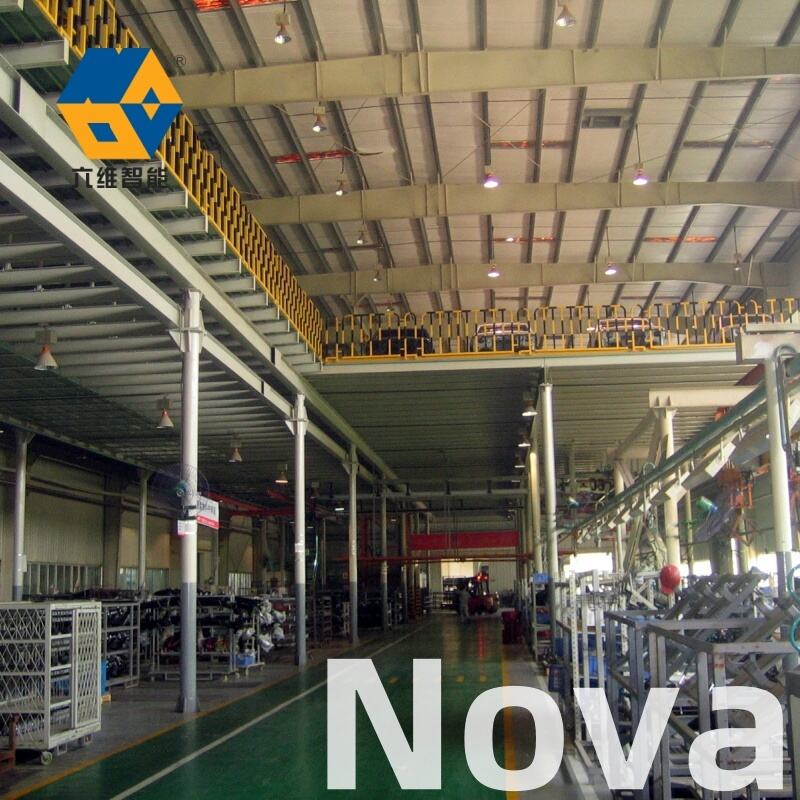
The adaptability of steel mezzanine platforms makes them invaluable across remarkably diverse operational contexts, from high-volume distribution centers to specialized manufacturing environments and customer-facing retail spaces. This versatility stems from fundamental design flexibility that accommodates varying load requirements, environmental conditions, aesthetic preferences, and functional specifications unique to different industries and applications. In warehouse and distribution operations, steel mezzanine platforms create dedicated picking zones elevated above bulk storage areas, improving order fulfillment efficiency by positioning fast-moving inventory at ergonomic heights while maintaining reserve stock below. This vertical segregation reduces picker travel distances and creates logical inventory organization schemes that minimize errors and accelerate throughput. Integration with warehouse management systems and automated material handling equipment transforms steel mezzanine platforms into sophisticated fulfillment infrastructure supporting modern e-commerce demands. Manufacturing facilities deploy steel mezzanine platforms for equipment positioning, assembly operations, quality control stations, and tool storage that keeps resources accessible yet organized. The elevated vantage points provide supervisory oversight advantages while freeing valuable floor space for production machinery and material flow pathways. Maintenance departments utilize mezzanine platforms for parts inventory, repair workstations, and equipment access that facilitates efficient servicing of overhead systems including HVAC units, electrical distribution, and process piping. Retail environments incorporate steel mezzanine platforms to create showroom expansion, customer service areas, or back-office functions within existing store footprints. The ability to design visually appealing structures with architectural finishes, glass railings, and integrated lighting transforms functional platforms into attractive design elements that enhance rather than detract from customer experiences. Automotive dealerships, furniture stores, and sporting goods retailers particularly benefit from vertical space utilization that displays merchandise effectively while maintaining open, inviting floor layouts. Office applications convert steel mezzanine platforms into meeting rooms, private workspaces, or collaborative areas that provide functional separation within open-plan environments. Technology companies, creative agencies, and professional services firms utilize elevated platforms to define spaces without permanent walls, maintaining flexibility for future reconfigurations as team structures evolve. The inherent strength of steel construction supports dense filing systems, server equipment, or specialized workstations requiring substantial weight capacity. Cold storage and food processing facilities face unique challenges addressed effectively through steel mezzanine platforms engineered for temperature extremes, moisture exposure, and sanitation requirements. Stainless steel components, specialized coatings, and design features accommodating insulated panels create platforms suitable for refrigerated and frozen environments where conventional materials would fail prematurely.

Get a Free Quote

Our representative will contact you soon.
Email
Name
Company Name
Message
0/1000

Get a Free Quote

Our representative will contact you soon.
Email
Name
Company Name
Message
0/1000