
 EN
EN
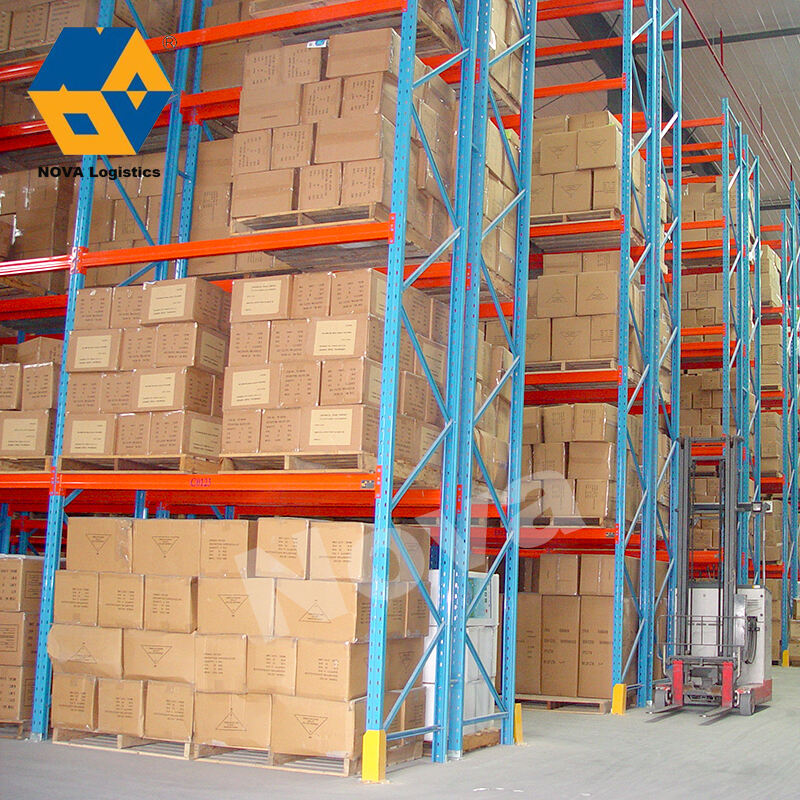
When it comes to optimizing warehouse storage capacity and operational efficiency, selecting the right pallet racking system becomes a critical decision that impacts both immediate functionality and long-term profitability. The choice between heavy duty pallet racks and standard pallet rack systems requires careful consideration of load requirements, storage density needs, and operational demands. Understanding the fundamental differences between these two approaches enables warehouse managers and facility planners to make informed decisions that align with their specific operational requirements and budget constraints.

Load Capacity and Structural Engineering Differences
Weight Distribution and Beam Specifications
The primary distinction between heavy duty pallet racks and standard systems lies in their load-bearing capabilities and structural engineering specifications. Heavy duty pallet racks are engineered to support significantly higher weight loads, typically ranging from 4,000 to 8,000 pounds per beam level, compared to standard systems that generally accommodate 2,000 to 4,000 pounds per level. This enhanced capacity stems from reinforced beam construction, thicker steel gauge materials, and improved connection mechanisms that distribute weight more effectively across the entire structure.
The beam profiles in heavy duty pallet racks feature deeper sections and reinforced webs that provide superior resistance to deflection under maximum loads. These structural enhancements ensure that the racking system maintains its integrity even when storing particularly dense or heavy products such as automotive parts, machinery components, or bulk materials. Standard pallet racks, while suitable for many applications, may experience excessive deflection or safety concerns when subjected to loads beyond their design specifications.
Frame Construction and Material Quality
Heavy duty pallet racks incorporate heavier gauge steel in their upright construction, typically utilizing 12-gauge or thicker materials compared to the 14-gauge or 16-gauge steel commonly found in standard systems. This increased material thickness provides enhanced column strength and improved resistance to impact damage from forklift operations. The connection points between beams and uprights also feature reinforced designs with larger safety clips and more robust locking mechanisms.
Manufacturing processes for heavy duty pallet racks often include additional quality control measures and precision engineering to ensure consistent performance under extreme loading conditions. The welding specifications, hole patterns, and tolerances are typically more stringent than those applied to standard pallet rack production, resulting in systems that deliver reliable performance in demanding industrial environments.
Application Scenarios and Industry Requirements
Heavy Manufacturing and Industrial Storage
Heavy duty pallet racks excel in environments where storage requirements involve dense, weighty materials that exceed the capabilities of standard racking systems. Manufacturing facilities producing steel components, automotive parts, or heavy machinery often require the enhanced load capacity that only heavy duty pallet racks can provide. These applications frequently involve storing items that weigh several thousand pounds per pallet, making standard racking systems inadequate for safe and efficient operations.
Distribution centers handling appliances, construction materials, or bulk commodities also benefit significantly from implementing heavy duty pallet racks throughout their facilities. The ability to maximize vertical storage space while maintaining safe working conditions becomes particularly valuable when dealing with high-density products that require secure storage solutions. Heavy duty pallet racks enable these facilities to optimize their storage capacity without compromising safety standards or operational efficiency.
Standard Applications and General Warehousing
Standard pallet rack systems remain the optimal choice for many warehousing applications where load requirements fall within conventional parameters. Retail distribution centers, food and beverage facilities, and general merchandise warehouses often find that standard pallet racks provide adequate capacity while offering cost-effective storage solutions. These environments typically handle products with consistent weight distributions that align well with standard system specifications.
The versatility of standard pallet rack systems makes them suitable for mixed-use warehouses where product weights vary but generally remain within moderate ranges. Their widespread availability, standardized components, and lower initial investment costs make standard systems attractive for businesses seeking reliable storage solutions without the premium pricing associated with heavy duty alternatives.
Cost Analysis and Investment Considerations
Initial Capital Investment Differences
The financial investment required for heavy duty pallet racks typically exceeds standard system costs by 25 to 40 percent, depending on specific configurations and load requirements. This premium pricing reflects the enhanced materials, specialized manufacturing processes, and additional engineering required to achieve superior load capacities. However, the cost differential must be evaluated against the operational benefits and safety advantages that heavy duty pallet racks provide in appropriate applications.
When calculating total cost of ownership, facilities must consider factors beyond initial purchase price, including installation complexity, maintenance requirements, and potential productivity gains from increased storage density. Heavy duty pallet racks may justify their higher upfront costs through improved space utilization, reduced safety incidents, and enhanced operational efficiency in high-load applications.
Long-term Value and Return on Investment
The durability and extended service life of heavy duty pallet racks often translate into superior long-term value propositions for facilities with demanding storage requirements. These systems typically demonstrate greater resistance to wear, deformation, and damage from normal warehouse operations, potentially reducing replacement costs and maintenance expenses over their operational lifespan. The enhanced structural integrity also contributes to improved safety records and reduced liability exposure.
Facilities implementing heavy duty pallet racks may experience operational benefits that contribute to overall profitability, including increased storage capacity per square foot, improved inventory accessibility, and enhanced picking efficiency. These operational improvements can generate ongoing cost savings that help offset the initial investment premium over time, making heavy duty systems financially attractive for appropriate applications.
Safety Standards and Regulatory Compliance
Industry Safety Requirements
Both heavy duty pallet racks and standard systems must comply with established industry safety standards, including RMI specifications and OSHA requirements for industrial storage systems. However, heavy duty pallet racks often exceed minimum safety requirements through their enhanced structural capabilities and improved resistance to operational stresses. This additional safety margin becomes particularly valuable in high-traffic warehouse environments where equipment impacts and dynamic loading conditions are common.
The engineering standards applied to heavy duty pallet racks typically incorporate higher safety factors and more conservative design parameters compared to standard systems. These enhanced specifications provide additional protection against unexpected loading conditions, equipment malfunctions, or operational errors that could compromise system integrity. The resulting safety improvements contribute to reduced workplace incidents and improved regulatory compliance.
Installation and Inspection Protocols
Heavy duty pallet racks require specialized installation procedures and more frequent inspection schedules to ensure optimal performance and safety compliance. The enhanced load capacities and structural complexity of these systems necessitate precise installation techniques and qualified technicians familiar with heavy-duty specifications. Regular inspections become even more critical given the higher loads and stresses that heavy duty pallet racks encounter during normal operations.
Documentation requirements for heavy duty pallet racks often exceed those for standard systems, including detailed load charts, installation certifications, and ongoing inspection records. These enhanced documentation protocols help ensure regulatory compliance while providing valuable data for optimizing system performance and identifying potential maintenance needs before they impact operations.
Selection Criteria and Decision Framework
Load Assessment and Capacity Planning
Determining whether heavy duty pallet racks are necessary begins with comprehensive load analysis that considers both current requirements and future growth projections. Facilities must evaluate maximum pallet weights, load distribution patterns, and frequency of heavy-load operations to establish appropriate capacity requirements. This analysis should include consideration of seasonal variations, product mix changes, and potential expansion plans that might affect storage needs.
The decision process should also account for safety margins and operational flexibility requirements that might favor heavy duty pallet racks even when current loads fall within standard system capabilities. Planning for unexpected load increases or product mix changes can justify the additional investment in heavy duty systems to avoid costly retrofits or system replacements in the future.
Operational Environment Considerations
Environmental factors such as temperature variations, humidity levels, and operational intensity significantly influence the selection between heavy duty pallet racks and standard systems. Facilities operating in extreme conditions or high-intensity environments may benefit from the enhanced durability and structural stability that heavy duty systems provide. These considerations become particularly important for automated facilities or operations with minimal human oversight where system reliability is critical.
The layout complexity and accessibility requirements of specific facilities also influence system selection decisions. Heavy duty pallet racks may offer advantages in applications requiring specialized configurations, extended heights, or unique load distribution patterns that exceed standard system capabilities. These operational considerations often prove as important as pure load capacity requirements in determining optimal system selection.
FAQ
What is the typical weight difference between heavy duty and standard pallet racks
Heavy duty pallet racks typically support 4,000 to 8,000 pounds per beam level, while standard systems accommodate 2,000 to 4,000 pounds per level. The actual weight capacity depends on beam length, configuration, and specific manufacturer specifications, but heavy duty systems generally provide double the load capacity of comparable standard configurations.
How much more do heavy duty pallet racks cost compared to standard systems
Heavy duty pallet racks typically cost 25 to 40 percent more than equivalent standard pallet rack systems due to enhanced materials, specialized manufacturing processes, and additional engineering requirements. However, the total cost of ownership may favor heavy duty systems in appropriate applications due to improved durability, safety benefits, and operational efficiency gains.
Can existing standard pallet racks be upgraded to heavy duty specifications
Converting standard pallet racks to heavy duty specifications is generally not feasible due to fundamental differences in structural engineering, material specifications, and connection mechanisms. Facilities requiring increased load capacity typically need to replace existing standard systems with properly engineered heavy duty pallet racks rather than attempting upgrades to existing infrastructure.
What industries benefit most from heavy duty pallet racks installation
Industries handling dense materials such as automotive manufacturing, steel production, appliance distribution, construction materials, and heavy machinery storage benefit most from heavy duty pallet racks. These sectors typically require the enhanced load capacity, structural durability, and safety margins that heavy duty systems provide for their specific operational requirements and product characteristics.
Table of Contents
- Load Capacity and Structural Engineering Differences
- Application Scenarios and Industry Requirements
- Cost Analysis and Investment Considerations
- Safety Standards and Regulatory Compliance
- Selection Criteria and Decision Framework
-
FAQ
- What is the typical weight difference between heavy duty and standard pallet racks
- How much more do heavy duty pallet racks cost compared to standard systems
- Can existing standard pallet racks be upgraded to heavy duty specifications
- What industries benefit most from heavy duty pallet racks installation