
 EN
EN
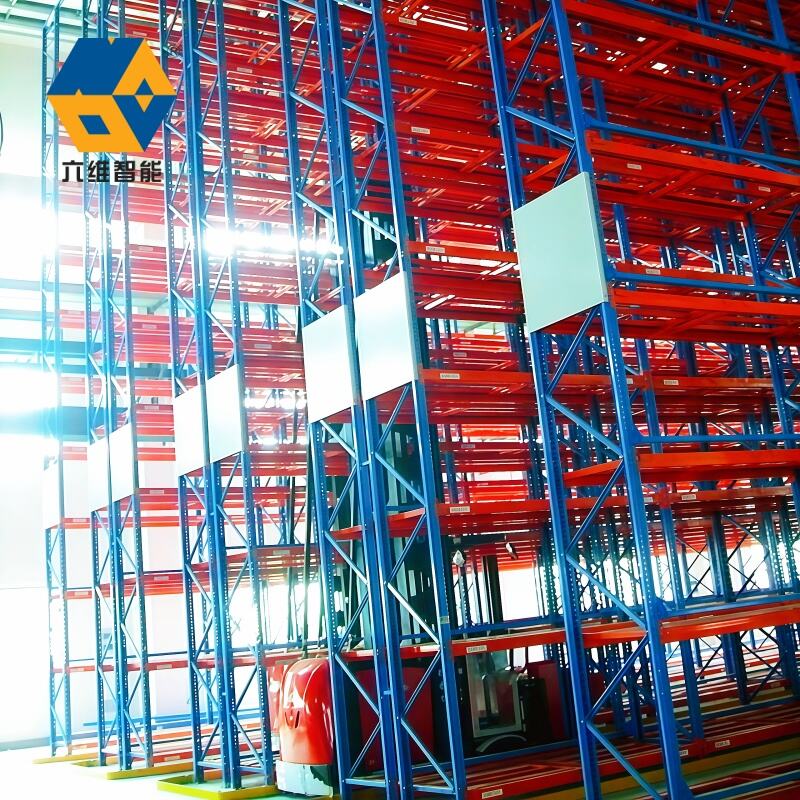
Industrial warehouses rely heavily on robust storage solutions to maintain efficient operations and maximize space utilization. Heavy duty pallet racks form the backbone of modern warehouse infrastructure, supporting thousands of pounds of inventory while ensuring worker safety and operational efficiency. Proper maintenance of these critical storage systems directly impacts productivity, reduces downtime, and extends the lifespan of your investment significantly.

The complexity of warehouse operations demands storage systems that can withstand constant loading and unloading cycles while maintaining structural integrity. Heavy duty pallet racks must endure the stress of forklifts, temperature fluctuations, and varying load weights throughout their operational life. Understanding the fundamental principles of rack maintenance ensures your facility operates at peak performance while minimizing safety risks and unexpected repair costs.
Professional maintenance protocols for heavy duty pallet racks encompass multiple inspection categories, preventive care measures, and systematic documentation procedures. These comprehensive approaches help facility managers identify potential issues before they escalate into costly repairs or safety hazards. Regular maintenance schedules also ensure compliance with industry safety standards and regulatory requirements that govern warehouse operations.
Structural Integrity Assessment
Visual Inspection Protocols
Conducting thorough visual inspections represents the first line of defense in maintaining heavy duty pallet racks effectively. Trained personnel should examine all structural components including uprights, beams, braces, and connections for signs of damage, wear, or deformation. These inspections should occur at regular intervals and immediately following any impact incidents that may compromise structural integrity.
Key visual indicators of potential problems include bent or twisted frame members, damaged beam connections, loose bolts, and visible cracks in welds or metal components. Heavy duty pallet racks showing signs of overloading often exhibit permanent deformation that reduces their load-carrying capacity. Documentation of all findings ensures consistent tracking of rack condition over time and helps establish patterns that may indicate systemic issues.
Professional inspection techniques involve systematic examination from multiple angles using proper lighting and measurement tools. Inspectors should pay particular attention to high-stress connection points where beams attach to uprights, as these areas typically experience the greatest forces during normal operations. Color-coded marking systems help maintenance teams quickly identify racks requiring immediate attention versus those needing routine monitoring.
Load Capacity Verification
Understanding and verifying load capacities ensures heavy duty pallet racks operate within their designed parameters throughout their service life. Each rack configuration has specific weight limitations that must never be exceeded to maintain safety and structural integrity. Regular verification involves checking actual stored weights against manufacturer specifications and posted capacity labels.
Facility managers should implement weight monitoring systems that track the total load applied to each rack bay and level. Digital scales or load monitoring devices provide accurate measurements that help prevent accidental overloading situations. Training warehouse personnel on proper loading techniques and capacity limitations reduces the risk of structural damage from improper use.
Documentation of load capacity verification activities creates valuable historical records that support insurance claims and regulatory compliance efforts. Regular capacity audits also help identify opportunities for optimizing storage configurations to maximize warehouse efficiency while maintaining safety standards. Heavy duty pallet racks with proper load management consistently deliver reliable performance over extended operational periods.
Component Maintenance Procedures
Connection Point Maintenance
Critical connection points require specialized maintenance attention to ensure heavy duty pallet racks maintain their structural integrity under operational loads. Beam-to-upright connections experience repeated stress cycles that can gradually loosen hardware or cause wear in connection mechanisms. Regular inspection and maintenance of these vital connection points prevents catastrophic failures and ensures continued safe operation.
Proper maintenance procedures include checking all bolts, pins, and locking mechanisms for tightness and proper engagement. Connection hardware should be inspected for signs of wear, corrosion, or damage that could compromise holding strength. Replacement of worn components should occur immediately using manufacturer-approved parts that meet original specifications.
Lubrication of moving connection components helps reduce wear and ensures smooth operation during rack assembly and reconfiguration activities. However, excessive lubrication can attract dirt and debris that may interfere with proper connection function. Following manufacturer recommendations for lubrication types and application schedules optimizes connection performance and longevity.
Surface Protection and Treatment
Protecting the surface finish of heavy duty pallet racks extends their operational life and maintains their appearance in professional warehouse environments. Paint systems and protective coatings shield steel components from corrosion while providing identification colors that support warehouse organization systems. Regular cleaning and touch-up procedures preserve these protective barriers against environmental damage.
Cleaning procedures should remove accumulated dust, debris, and any chemical residues that may accelerate corrosion processes. Mild detergents and appropriate cleaning tools effectively remove contaminants without damaging protective coatings. Areas showing signs of coating damage require prompt attention to prevent corrosion from spreading to underlying steel components.
Touch-up painting and coating repairs should use compatible materials that match the original protective system specifications. Proper surface preparation ensures good adhesion and long-lasting protection against future corrosion. Heavy duty pallet racks in harsh environments may require more frequent surface maintenance to combat accelerated wear from temperature extremes or chemical exposure.
Safety and Compliance Standards
Regulatory Compliance Requirements
Warehouse facilities must maintain heavy duty pallet racks in accordance with applicable safety regulations and industry standards that govern structural integrity and operational safety. These requirements typically include regular professional inspections, documentation of maintenance activities, and immediate correction of identified deficiencies. Compliance programs help protect workers while reducing liability exposure for facility operators.
Professional inspection requirements often mandate annual examinations by qualified structural engineers or certified rack inspection specialists. These comprehensive evaluations assess overall system condition, load capacity verification, and compliance with current safety standards. Written reports document findings and recommend corrective actions for any deficiencies discovered during the inspection process.
Training programs for warehouse personnel ensure proper understanding of rack safety principles and recognition of potential hazards. Workers should understand proper loading techniques, capacity limitations, and procedures for reporting damage or safety concerns. Regular safety meetings reinforce these concepts and provide opportunities to discuss rack-related incidents or near-miss situations.
Emergency Response Procedures
Establishing comprehensive emergency response procedures for heavy duty pallet racks ensures rapid and appropriate action when structural problems or damage occurs. These procedures should include immediate area evacuation protocols, damage assessment procedures, and communication chains for notifying management and emergency services. Quick response capabilities minimize the potential for injuries and prevent minor damage from escalating into major structural failures.
Impact damage from forklifts or other equipment requires immediate evaluation to determine whether affected racks remain safe for continued use. Trained personnel should assess damage severity and make preliminary determinations about rack stability while awaiting professional inspection. Temporary load restrictions or complete area isolation may be necessary to maintain safety until permanent repairs are completed.
Documentation of emergency incidents provides valuable information for preventing similar occurrences and improving safety procedures. Incident reports should include detailed descriptions of damage, contributing factors, and corrective actions taken. This information helps identify trends that may indicate the need for additional training, equipment modifications, or procedural changes to enhance overall safety performance.
Preventive Maintenance Scheduling
Routine Inspection Intervals
Implementing systematic inspection schedules ensures heavy duty pallet racks receive consistent attention throughout their operational life. Daily visual checks by warehouse personnel provide early detection of obvious problems such as damaged components or improper loading conditions. Weekly inspections by maintenance staff offer more detailed examination of structural components and connection integrity.
Monthly comprehensive inspections should include measurement of critical dimensions, verification of component alignment, and detailed documentation of rack condition. These inspections often reveal gradual changes that may not be apparent during routine daily observations. Quarterly inspections by qualified professionals provide expert assessment of overall system condition and compliance with safety standards.
Annual professional inspections represent the most thorough evaluation of heavy duty pallet racks and typically satisfy regulatory requirements for warehouse operations. These comprehensive examinations assess structural integrity, load capacity verification, and compliance with current safety codes. Professional inspectors provide written reports that document findings and recommend maintenance priorities for the coming year.
Maintenance Record Keeping
Comprehensive documentation of maintenance activities creates valuable historical records that support effective rack management and regulatory compliance efforts. Maintenance logs should include inspection dates, findings, corrective actions taken, and personnel responsible for each activity. Digital record-keeping systems facilitate easy retrieval of information and support trend analysis for optimizing maintenance strategies.
Photographic documentation provides visual evidence of rack condition and helps track changes over time. Before and after photos of repairs or modifications create permanent records that support warranty claims and insurance documentation. Digital photo management systems organize images by rack location and date for easy reference during future inspections or planning activities.
Maintenance scheduling software helps coordinate inspection activities and ensures compliance with established maintenance intervals. These systems can generate automatic reminders for upcoming inspections and track completion of required maintenance tasks. Integration with warehouse management systems provides comprehensive oversight of both operational and maintenance activities affecting heavy duty pallet racks.
Cost-Effective Repair Strategies
Component Replacement Planning
Strategic planning for component replacement helps minimize disruption to warehouse operations while maintaining heavy duty pallet racks in optimal condition. Preventive replacement of wear-prone components before failure occurs typically costs less than emergency repairs and reduces the risk of operational downtime. Inventory management for critical spare parts ensures rapid response capability when replacement needs arise.
Standardization of rack components across the facility simplifies maintenance procedures and reduces spare parts inventory requirements. When expanding or replacing heavy duty pallet racks, selecting compatible systems that share common components with existing installations provides long-term maintenance advantages. This approach also facilitates staff training and reduces the complexity of maintenance procedures.
Partnership with qualified suppliers ensures access to genuine replacement parts that meet original equipment specifications. Generic or non-approved components may compromise structural integrity and void warranty coverage. Establishing preferred vendor relationships often provides pricing advantages and priority access to critical components during emergency situations.
Professional Service Integration
Integrating professional maintenance services with internal capabilities optimizes the overall maintenance program for heavy duty pallet racks while managing costs effectively. Professional services provide expertise for complex repairs, regulatory inspections, and major modifications that exceed internal staff capabilities. Strategic use of outside services complements internal maintenance activities rather than replacing them entirely.
Service contracts with qualified rack specialists provide predictable maintenance costs and ensure access to expert knowledge when needed. These agreements typically include regular inspection services, emergency repair capabilities, and technical support for complex maintenance issues. Professional service providers also stay current with evolving safety standards and regulatory requirements affecting heavy duty pallet racks.
Training programs conducted by professional service providers enhance internal staff capabilities and improve the quality of routine maintenance activities. These educational opportunities help maintenance personnel develop advanced skills while building relationships with service providers who understand facility-specific requirements. Ongoing technical support from service partners provides valuable assistance for resolving unusual maintenance challenges or planning system modifications.
FAQ
How often should heavy duty pallet racks undergo professional inspection
Professional inspections for heavy duty pallet racks should occur annually at minimum, with more frequent inspections required in high-use environments or facilities with challenging operating conditions. Many regulatory jurisdictions mandate annual professional inspections by qualified structural engineers or certified rack inspection specialists. Facilities experiencing frequent impacts, extreme temperature variations, or heavy loading cycles may benefit from semi-annual professional evaluations to ensure continued safety and compliance with applicable standards.
What are the most common signs of rack damage that require immediate attention
Critical warning signs include bent or twisted uprights, damaged beam connections, loose bolts or hardware, visible cracks in welds or structural members, and permanent deformation from overloading. Impact damage from forklifts or other equipment creates obvious damage that requires immediate professional assessment. Heavy duty pallet racks showing signs of instability, unusual movement during loading operations, or components that no longer align properly indicate serious structural issues requiring immediate attention and possible load restrictions until repairs are completed.
Can damaged pallet rack components be repaired or must they be replaced
The repairability of damaged components depends on the type and severity of damage, with structural integrity being the primary consideration for repair decisions. Minor surface damage, loose hardware, and damaged protective coatings can typically be repaired effectively using appropriate techniques and materials. However, bent structural members, cracked welds, and damaged connection points usually require complete replacement to ensure continued safety and compliance with load capacity specifications. Professional evaluation by qualified personnel determines the most appropriate course of action for specific damage situations.
What documentation is required for heavy duty pallet rack maintenance programs
Comprehensive maintenance documentation should include regular inspection records, professional evaluation reports, repair and modification logs, component replacement records, and incident reports for any damage or safety concerns. Many regulatory requirements mandate written documentation of inspection activities, corrective actions taken, and professional certifications for inspection personnel. Digital record-keeping systems facilitate organization and retrieval of maintenance information while supporting trend analysis that helps optimize maintenance strategies and ensure regulatory compliance for heavy duty pallet racks throughout their operational life.
Table of Contents
- Structural Integrity Assessment
- Component Maintenance Procedures
- Safety and Compliance Standards
- Preventive Maintenance Scheduling
- Cost-Effective Repair Strategies
-
FAQ
- How often should heavy duty pallet racks undergo professional inspection
- What are the most common signs of rack damage that require immediate attention
- Can damaged pallet rack components be repaired or must they be replaced
- What documentation is required for heavy duty pallet rack maintenance programs