 EN
EN
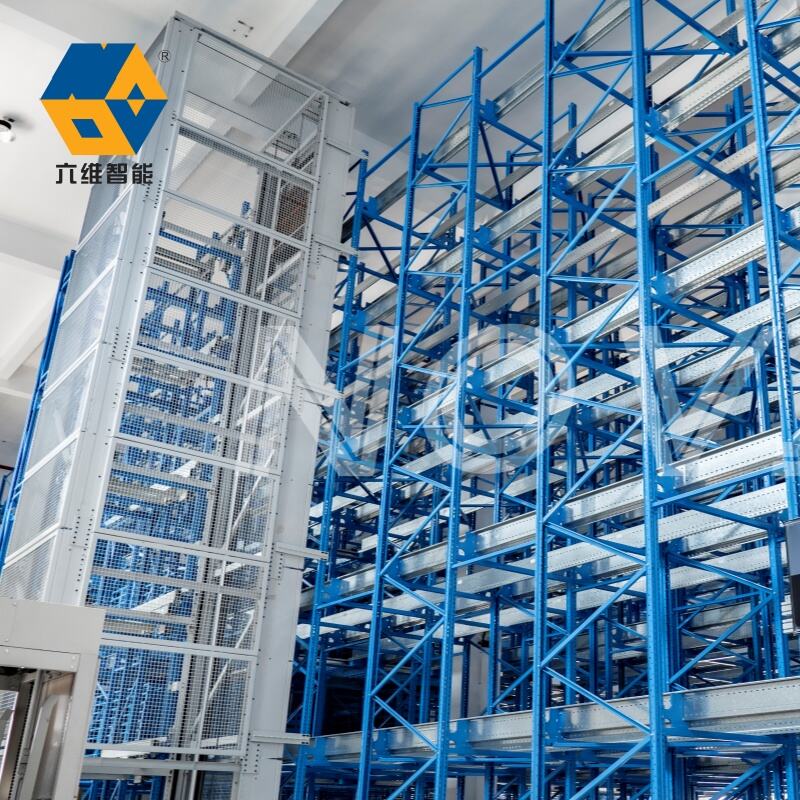
Modern supply chains face unprecedented challenges in managing inventory, reducing costs, and maintaining operational efficiency. Companies worldwide are turning to advanced warehouse automation technologies to address these growing demands. An automated storage and retrieval system represents a revolutionary approach to warehouse management, offering significant improvements in storage density, retrieval speed, and overall supply chain performance. These sophisticated systems have become essential components for businesses seeking competitive advantages in today's fast-paced market environment.
Understanding Automated Storage and Retrieval Systems
Core Components and Technology
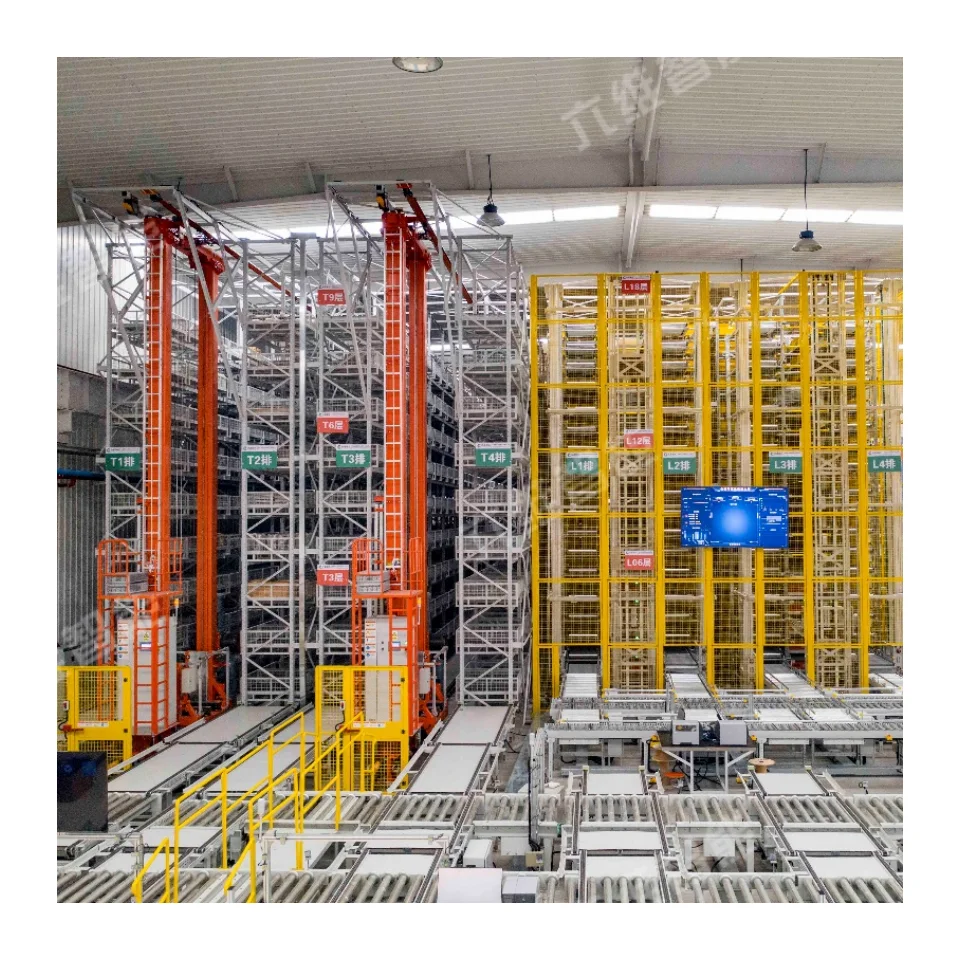
An automated storage and retrieval system consists of several integrated components working together to maximize warehouse efficiency. The system typically includes high-bay storage racks, automated stacker cranes, conveyor systems, and sophisticated warehouse management software. These components operate in perfect synchronization to handle inventory movement with minimal human intervention. The storage racks are designed to accommodate various product types and sizes, while the automated cranes move along predetermined paths to retrieve and store items with exceptional precision.
The technological foundation of these systems relies on advanced sensors, programmable logic controllers, and real-time communication networks. Machine learning algorithms continuously optimize storage locations and retrieval sequences based on demand patterns and operational requirements. Integration with enterprise resource planning systems ensures seamless data flow throughout the entire supply chain, enabling better decision-making and inventory management strategies.
System Types and Configurations
Different types of automated storage and retrieval system configurations cater to specific industry requirements and operational needs. Unit-load systems handle large items and pallets, making them ideal for manufacturing and distribution centers dealing with bulk goods. Mini-load systems focus on smaller items and totes, perfect for e-commerce fulfillment and retail distribution. Vertical lift modules and carousel systems offer compact solutions for facilities with limited floor space while maintaining high storage density.
Each configuration offers unique advantages depending on throughput requirements, inventory characteristics, and available space. Companies can customize these systems to match their specific operational workflows and future expansion plans. The modular design of modern automated storage systems allows for gradual implementation and scalability as business needs evolve.
Operational Benefits and Performance Improvements
Enhanced Storage Density and Space Utilization
Implementing an automated storage and retrieval system dramatically increases storage density compared to traditional warehouse layouts. These systems utilize vertical space more effectively by stacking inventory at heights that would be impossible or unsafe for manual operations. The precise positioning capabilities of automated cranes eliminate the need for wide aisles and safety clearances required for forklifts and manual handling equipment.
Organizations typically experience storage capacity increases of 60-80% when transitioning from conventional storage methods to automated systems. This improved space utilization translates directly into reduced real estate costs and the ability to store more inventory within existing facilities. The compact design also reduces heating, cooling, and lighting expenses while minimizing the overall environmental footprint of warehouse operations.
Accelerated Order Processing and Fulfillment
Speed and accuracy improvements represent another significant advantage of automated storage and retrieval system implementation. These systems can retrieve items in minutes compared to hours required for manual picking operations. The consistent operating speeds eliminate variability associated with human performance, seasonal factors, and shift changes. Automated systems operate continuously without breaks, maintaining steady throughput rates throughout extended operating periods.
Order accuracy rates typically exceed 99.9% with automated systems, significantly reducing costly errors and customer returns. The elimination of manual handling minimizes product damage and inventory shrinkage while improving overall order quality. Integration with order management systems enables real-time inventory tracking and automatic replenishment triggers, ensuring optimal stock levels and reducing stockout situations.
Cost Reduction and Financial Impact
Labor Cost Optimization
One of the most compelling financial benefits of an automated storage and retrieval system lies in labor cost reduction and optimization. These systems eliminate the need for extensive manual picking and storage activities, reducing workforce requirements by 60-75% in many applications. The remaining staff can focus on higher-value activities such as quality control, system monitoring, and customer service rather than repetitive material handling tasks.
Organizations also benefit from reduced training costs and lower employee turnover rates associated with physically demanding warehouse work. Automated systems provide safer working environments by minimizing exposure to heavy lifting, repetitive motions, and potential accidents involving material handling equipment. The consistent operating costs of automated systems provide predictable budget planning compared to variable labor expenses.
Inventory Management and Carrying Costs
Automated storage and retrieval system implementation leads to substantial improvements in inventory management accuracy and carrying cost reduction. Real-time inventory tracking eliminates discrepancies between physical stock and system records, reducing the need for costly cycle counting and inventory adjustments. Improved inventory visibility enables better demand planning and reduces excess stock levels while maintaining desired service levels.
The enhanced storage density and organization capabilities of these systems also reduce inventory carrying costs by minimizing obsolescence and improving stock rotation. Automated systems can implement first-in-first-out rotation policies consistently, ensuring proper inventory aging and reducing waste. The precise tracking capabilities also enable better supplier negotiations based on accurate consumption data and improved forecasting accuracy.
Supply Chain Integration and Connectivity
Seamless Enterprise System Integration
Modern automated storage and retrieval system solutions provide comprehensive integration capabilities with existing enterprise systems and supply chain networks. These systems communicate directly with enterprise resource planning platforms, warehouse management systems, and transportation management applications to ensure seamless data flow throughout the organization. Real-time synchronization eliminates information delays and enables rapid response to changing market conditions.
Application programming interfaces and cloud-based connectivity options facilitate integration with supplier systems, customer portals, and third-party logistics providers. This connectivity enables end-to-end supply chain visibility and coordination, improving overall network performance and customer satisfaction. Automated systems can automatically generate purchase orders, shipping notifications, and inventory reports based on predefined business rules and thresholds.
Data Analytics and Performance Monitoring
The sophisticated monitoring capabilities of automated storage and retrieval system installations provide valuable insights into supply chain performance and operational efficiency. Advanced analytics platforms process large volumes of operational data to identify trends, bottlenecks, and optimization opportunities. Key performance indicators such as throughput rates, inventory turnover, and order accuracy can be tracked in real-time and compared against historical benchmarks.
Predictive maintenance capabilities reduce unexpected downtime by monitoring system components and scheduling maintenance activities based on actual usage patterns rather than arbitrary time intervals. This data-driven approach to maintenance extends equipment life, reduces operating costs, and maintains consistent system performance. The comprehensive reporting capabilities also support continuous improvement initiatives and strategic planning processes.
Implementation Considerations and Best Practices
Planning and Design Requirements
Successful automated storage and retrieval system implementation requires thorough planning and careful consideration of current and future operational requirements. Organizations must conduct comprehensive analyses of inventory characteristics, throughput demands, and growth projections to determine optimal system specifications. Building infrastructure requirements, including floor loading capacity, ceiling height, and power availability, must be evaluated during the planning phase.
The design process should also consider integration requirements with existing systems and workflows to minimize disruption during implementation. Change management strategies and employee training programs are essential components of successful automation projects. Organizations should develop detailed project timelines that account for system installation, testing, and employee adaptation periods to ensure smooth transitions.
Return on Investment and Payback Analysis
Financial justification for automated storage and retrieval system investments requires comprehensive analysis of both quantifiable and strategic benefits. Direct cost savings from labor reduction, space utilization improvements, and operational efficiency gains typically generate positive returns within three to five years. However, organizations should also consider strategic advantages such as improved customer service, competitive positioning, and scalability when evaluating investment decisions.
Total cost of ownership calculations should include initial capital expenditures, installation costs, ongoing maintenance expenses, and system upgrades over the expected equipment life. Many organizations discover that the strategic benefits and competitive advantages of automation provide value that extends well beyond the immediate financial returns, justifying investment decisions even in cases with longer payback periods.
Future Trends and Technological Developments
Artificial Intelligence and Machine Learning Integration
The next generation of automated storage and retrieval system technology incorporates advanced artificial intelligence and machine learning capabilities to optimize operations continuously. These intelligent systems learn from historical data patterns to predict demand fluctuations, optimize storage locations, and schedule maintenance activities proactively. Machine learning algorithms can identify operational inefficiencies and recommend system adjustments to improve performance over time.
Predictive analytics capabilities enable these systems to anticipate inventory requirements and automatically initiate replenishment processes before stockouts occur. The integration of computer vision and advanced sensing technologies allows for better quality control and inventory verification processes. These technological advances continue to expand the capabilities and value proposition of automated storage solutions.
Sustainability and Environmental Impact
Environmental sustainability considerations are becoming increasingly important in automated storage and retrieval system design and operation. Energy-efficient components, regenerative braking systems, and optimized routing algorithms reduce power consumption and carbon footprints. The compact design of these systems also minimizes building requirements and associated environmental impacts compared to traditional warehouse configurations.
Many automated systems incorporate renewable energy sources and advanced power management features to further reduce environmental impact. The improved inventory accuracy and reduced waste associated with these systems also contribute to overall sustainability goals. Organizations increasingly view automation investments as components of broader environmental responsibility and corporate sustainability initiatives.
FAQ
What is the typical implementation timeline for an automated storage and retrieval system?
Implementation timelines for automated storage and retrieval system projects typically range from six months to two years, depending on system complexity, facility requirements, and customization needs. Simple installations in existing buildings may be completed within six to twelve months, while new construction projects or highly customized systems can require eighteen to twenty-four months. The timeline includes design phases, equipment manufacturing, site preparation, installation, testing, and employee training components.
How does system maintenance work for automated storage solutions?
Modern automated storage and retrieval system maintenance programs utilize predictive maintenance approaches based on real-time monitoring and data analysis. Systems continuously monitor component performance and automatically schedule maintenance activities before failures occur. Most installations include comprehensive service agreements with equipment suppliers that provide regular inspections, preventive maintenance, and rapid response support for any issues that arise during operation.
Can existing warehouses be retrofitted with automated storage systems?
Many existing warehouse facilities can be successfully retrofitted with automated storage and retrieval system components, though the extent of modifications required varies significantly based on building characteristics. Factors such as ceiling height, floor loading capacity, column spacing, and power infrastructure determine retrofit feasibility and costs. Professional engineering assessments help determine optimal retrofit approaches and identify any necessary building modifications to support automated equipment installation.
What training is required for employees working with automated systems?
Employee training programs for automated storage and retrieval system operations typically focus on system monitoring, basic troubleshooting, and safety procedures rather than complex technical maintenance. Most systems feature intuitive user interfaces that require minimal training for basic operations. However, organizations should plan for comprehensive training covering system capabilities, emergency procedures, and integration with existing workflows to maximize the benefits of automation investments and ensure safe operations.