
 EN
EN
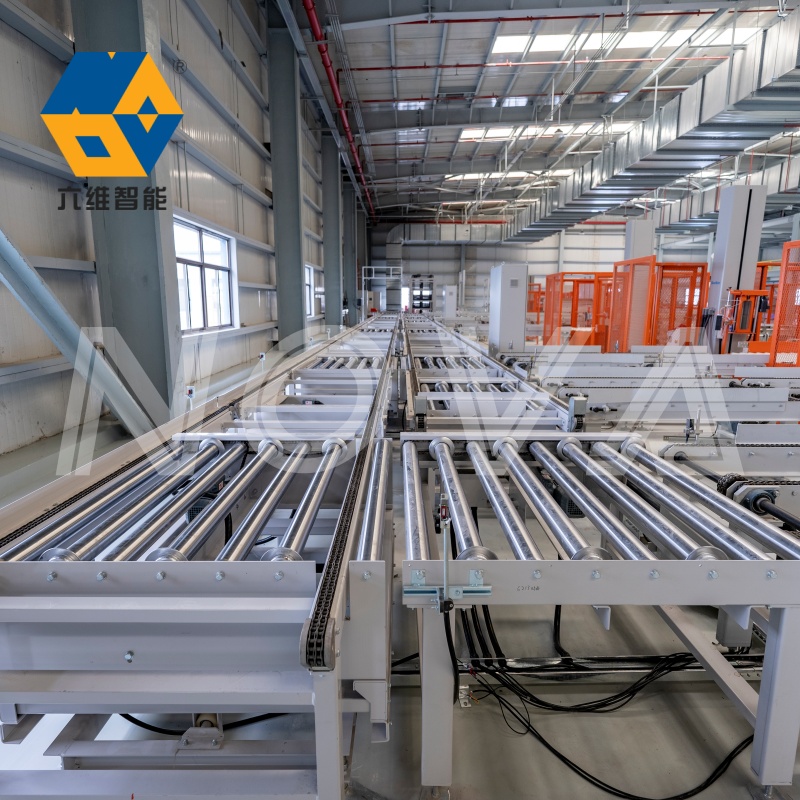
The global logistics landscape is experiencing a revolutionary transformation as businesses increasingly recognize the strategic importance of automated storage and retrieval system implementation. Companies across industries are embracing these sophisticated solutions to address mounting pressures of supply chain efficiency, labor shortages, and operational cost optimization. The automated storage and retrieval system market has witnessed unprecedented growth, driven by technological advancements and evolving consumer expectations for faster, more accurate order fulfillment.
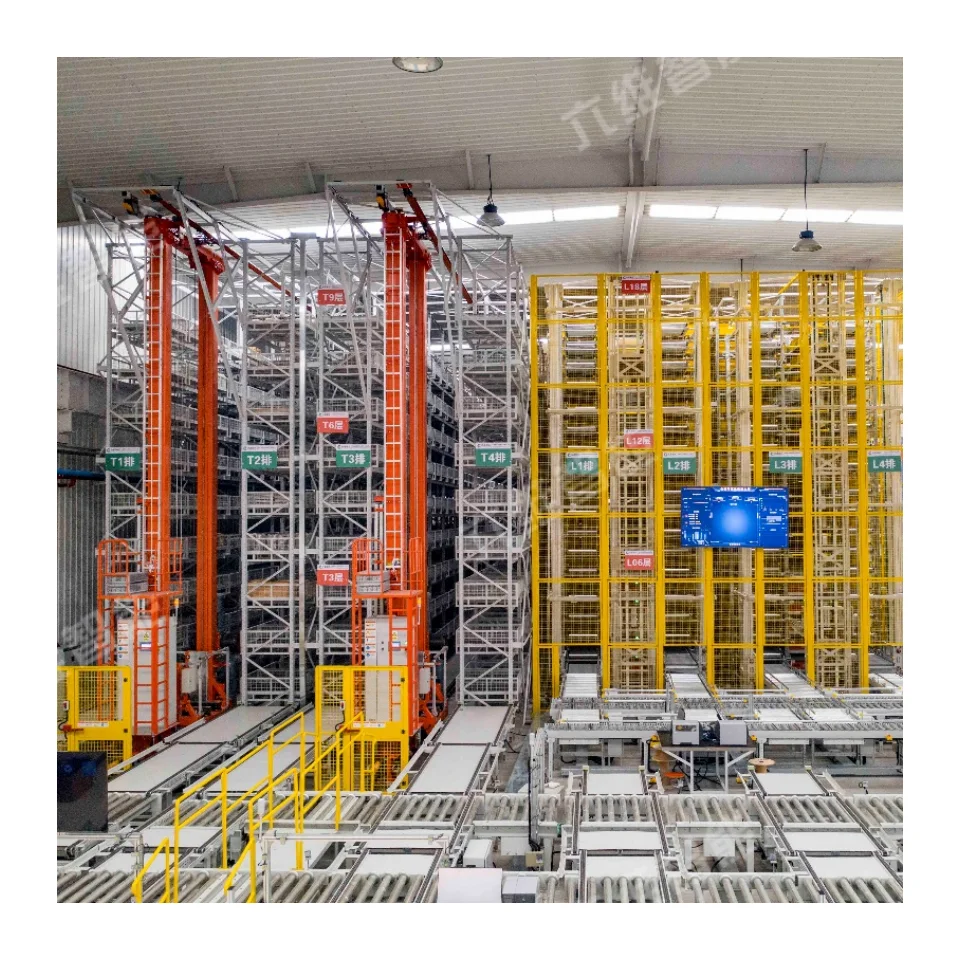
Modern warehousing operations face complex challenges that traditional storage methods cannot adequately address. The integration of automated storage and retrieval system technology represents a paradigm shift from manual processes to intelligent, computer-controlled operations. This transformation enables organizations to achieve remarkable improvements in inventory accuracy, space utilization, and operational throughput while significantly reducing human error and labor dependency.
Industry leaders are investing heavily in automated storage and retrieval system solutions to maintain competitive advantages in increasingly demanding markets. The convergence of artificial intelligence, robotics, and advanced software algorithms has created unprecedented opportunities for warehouse optimization. These technological innovations enable real-time inventory tracking, predictive maintenance capabilities, and seamless integration with existing enterprise resource planning systems.
Market Drivers and Economic Factors
Rising Labor Costs and Workforce Shortages
The global shortage of skilled warehouse workers has created significant operational challenges for distribution centers worldwide. Organizations are struggling to maintain adequate staffing levels while managing escalating labor costs and high employee turnover rates. The automated storage and retrieval system provides a strategic solution by reducing dependency on manual labor while improving overall operational consistency and reliability.
Labor-intensive warehouse operations face increasing pressure from minimum wage increases, benefits costs, and regulatory compliance requirements. Companies implementing automated storage and retrieval system technology can redirect human resources toward higher-value activities such as quality control, customer service, and strategic planning. This workforce optimization strategy delivers sustainable competitive advantages while addressing long-term labor market challenges.
The COVID-19 pandemic highlighted the vulnerability of manual warehouse operations to workforce disruptions, further accelerating automated storage and retrieval system adoption. Organizations recognized the critical importance of maintaining operational continuity despite external challenges, leading to increased investment in automation technologies that provide resilience against future disruptions.
E-commerce Growth and Customer Expectations
The explosive growth of e-commerce has fundamentally transformed consumer expectations regarding order fulfillment speed and accuracy. Modern customers demand same-day or next-day delivery services, placing enormous pressure on warehouse operations to process orders with unprecedented efficiency. The automated storage and retrieval system enables organizations to meet these demanding requirements through faster picking speeds and reduced order processing times.
Online retailers require sophisticated inventory management capabilities to handle diverse product catalogs and seasonal demand fluctuations. An automated storage and retrieval system provides the flexibility and scalability necessary to accommodate rapid business growth while maintaining operational excellence.
The integration of automated storage and retrieval system technology with omnichannel distribution strategies enables retailers to fulfill orders from multiple channels efficiently. This capability supports unified inventory management across online platforms, physical stores, and third-party marketplaces, creating seamless customer experiences regardless of the sales channel.
Technological Advancements and Innovation
Artificial Intelligence and Machine Learning Integration
Modern automated storage and retrieval system solutions incorporate sophisticated artificial intelligence algorithms that continuously optimize warehouse operations. These intelligent systems analyze historical data patterns, seasonal trends, and real-time inventory movements to predict optimal storage locations and retrieval sequences. Machine learning capabilities enable the automated storage and retrieval system to adapt and improve performance over time without human intervention.
Predictive analytics functionality within automated storage and retrieval system platforms helps organizations anticipate maintenance requirements, preventing unexpected equipment failures and costly downtime. Advanced sensors and monitoring systems provide continuous performance feedback, enabling proactive maintenance scheduling and equipment optimization.
The integration of computer vision technology enhances automated storage and retrieval system accuracy by providing real-time quality control and inventory verification capabilities. These visual inspection systems can identify damaged products, verify correct item placement, and ensure compliance with safety regulations throughout the storage and retrieval process.
Internet of Things and Connectivity
The Internet of Things revolution has significantly enhanced automated storage and retrieval system capabilities through comprehensive connectivity and data sharing. Smart sensors throughout the warehouse environment provide real-time visibility into inventory levels, equipment status, and environmental conditions. This connectivity enables centralized monitoring and control of entire warehouse operations from remote locations.
Cloud-based automated storage and retrieval system management platforms offer scalable computing resources and advanced analytics capabilities without significant infrastructure investments. These platforms provide real-time dashboards, performance metrics, and operational insights that enable data-driven decision-making and continuous improvement initiatives.
The integration of automated storage and retrieval system technology with enterprise resource planning systems creates seamless information flow throughout the organization. This connectivity enables accurate demand forecasting, inventory optimization, and synchronized production planning across multiple business functions.
Operational Benefits and Performance Improvements
Space Utilization and Facility Optimization
Traditional warehouse layouts often utilize only a fraction of available vertical space due to limitations of manual picking and storage methods. The automated storage and retrieval system maximizes facility utilization by enabling high-density storage configurations that extend to ceiling heights impossible for human workers to access safely. This vertical storage capability can increase warehouse capacity by up to 300% within the same footprint.
Automated storage and retrieval system installations eliminate the need for wide aisles required for manual equipment operation, further optimizing space utilization. The compact design of automated systems allows for narrow aisle configurations and precise placement of inventory, maximizing storage density while maintaining excellent accessibility for retrieval operations.
The flexibility of automated storage and retrieval system configurations enables organizations to adapt warehouse layouts quickly in response to changing business requirements. Modular system designs support expansion and reconfiguration without significant disruption to ongoing operations, providing long-term scalability and investment protection.
Inventory Accuracy and Error Reduction
Manual inventory management processes are inherently prone to human error, resulting in costly discrepancies and customer dissatisfaction. The automated storage and retrieval system eliminates these issues through precise computer-controlled inventory tracking and retrieval operations. Barcode scanning, RFID technology, and digital verification systems ensure 99.9% inventory accuracy rates.
Real-time inventory visibility provided by automated storage and retrieval system platforms enables accurate stock level monitoring and automatic replenishment triggering. This capability prevents stockouts and overstock situations while providing reliable data for demand planning and procurement decisions.
The automated storage and retrieval system maintains detailed transaction logs and audit trails for all inventory movements, supporting compliance requirements and enabling comprehensive analysis of warehouse performance. This documentation capability is particularly valuable for industries with strict regulatory requirements such as pharmaceuticals, food and beverage, and automotive manufacturing.
Industry Applications and Sector Growth
Manufacturing and Production Support
Manufacturing organizations rely on automated storage and retrieval system technology to support just-in-time production strategies and minimize work-in-process inventory costs. These systems provide rapid access to raw materials, components, and finished goods while maintaining precise inventory control throughout the manufacturing process.
The automated storage and retrieval system enables manufacturers to respond quickly to production schedule changes and customer demand fluctuations without maintaining excessive safety stock levels. This flexibility supports lean manufacturing principles while ensuring material availability for critical production operations.
Integration between automated storage and retrieval system platforms and manufacturing execution systems creates seamless workflow coordination from raw material receipt through finished product shipment. This connectivity eliminates manual handoffs and reduces the risk of production delays due to material shortages or inventory discrepancies.
Healthcare and Pharmaceutical Distribution
Healthcare organizations face unique challenges related to inventory management, including strict temperature control requirements, expiration date tracking, and regulatory compliance. The automated storage and retrieval system addresses these challenges through controlled environment storage, first-in-first-out rotation capabilities, and comprehensive documentation systems.
Pharmaceutical distribution centers utilize automated storage and retrieval system technology to ensure product integrity and traceability throughout the supply chain. These systems maintain detailed records of storage conditions, handling procedures, and distribution activities required for regulatory compliance and quality assurance.
The precision and reliability of automated storage and retrieval system operations are particularly critical in healthcare applications where inventory errors can have serious consequences for patient safety. Automated verification systems and redundant quality checks ensure accurate order fulfillment and prevent medication errors.
Future Trends and Market Evolution
Sustainability and Environmental Considerations
Environmental sustainability has become a critical factor in warehouse automation decisions as organizations seek to reduce their carbon footprint and operational environmental impact. The automated storage and retrieval system contributes to sustainability goals through energy-efficient operations, reduced material waste, and optimized transportation logistics.
Energy consumption optimization features within modern automated storage and retrieval system designs include regenerative braking systems, LED lighting integration, and intelligent power management algorithms. These technologies significantly reduce operational energy requirements compared to conventional warehouse operations while maintaining superior performance levels.
The compact footprint of automated storage and retrieval system installations reduces the need for new warehouse construction and associated environmental impacts. Organizations can achieve significant capacity increases within existing facilities, minimizing land use and construction-related carbon emissions.
Integration with Emerging Technologies
The convergence of automated storage and retrieval system technology with emerging innovations such as blockchain, augmented reality, and advanced robotics promises to create even more sophisticated warehouse solutions. Blockchain integration could provide immutable inventory tracking and supply chain transparency, while augmented reality interfaces may enhance human-machine collaboration in hybrid automation environments.
Advanced robotics integration expands automated storage and retrieval system capabilities beyond traditional fixed-infrastructure solutions. Mobile robotic systems can work collaboratively with automated storage and retrieval system installations to provide flexible automation that adapts to changing operational requirements and seasonal demand variations.
The development of autonomous vehicles and drone technology may revolutionize last-mile delivery integration with automated storage and retrieval system operations. These technologies could create seamless automation from initial storage through final customer delivery, eliminating manual touchpoints throughout the entire fulfillment process.
FAQ
What are the primary cost considerations for implementing an automated storage and retrieval system?
The initial investment for an automated storage and retrieval system varies significantly based on system complexity, warehouse size, and integration requirements, typically ranging from several hundred thousand to millions of dollars. However, organizations usually achieve return on investment within 2-3 years through labor savings, increased productivity, and improved inventory accuracy. Ongoing operational costs include maintenance, software licensing, and energy consumption, which are generally offset by reduced labor expenses and improved operational efficiency.
How does an automated storage and retrieval system integrate with existing warehouse management systems?
Modern automated storage and retrieval system solutions are designed with open architecture and standardized communication protocols that facilitate seamless integration with existing warehouse management systems, enterprise resource planning platforms, and other business applications. The integration process typically involves API connections, data mapping, and workflow configuration to ensure synchronized operations between systems. Most implementations can be completed without replacing existing software infrastructure, minimizing disruption and reducing total cost of ownership.
What maintenance requirements are associated with automated storage and retrieval system operations?
Automated storage and retrieval system maintenance requirements include regular inspections of mechanical components, software updates, sensor calibration, and preventive maintenance scheduling based on manufacturer recommendations. Modern systems incorporate predictive maintenance capabilities that monitor equipment performance and alert operators to potential issues before failures occur. Typical maintenance costs represent 3-5% of the initial system investment annually, but this expense is usually offset by reduced downtime and extended equipment life compared to reactive maintenance approaches.
Can automated storage and retrieval system technology accommodate different product types and sizes?
Contemporary automated storage and retrieval system designs offer exceptional flexibility to handle diverse product catalogs including various sizes, weights, and packaging configurations. Modular storage components, adjustable shelving systems, and programmable handling equipment enable accommodation of products ranging from small parts to large pallets within the same system. Advanced systems can automatically adjust storage and retrieval parameters based on product characteristics, ensuring optimal handling for each item type while maximizing storage density and operational efficiency.
Table of Contents
- Market Drivers and Economic Factors
- Technological Advancements and Innovation
- Operational Benefits and Performance Improvements
- Industry Applications and Sector Growth
- Future Trends and Market Evolution
-
FAQ
- What are the primary cost considerations for implementing an automated storage and retrieval system?
- How does an automated storage and retrieval system integrate with existing warehouse management systems?
- What maintenance requirements are associated with automated storage and retrieval system operations?
- Can automated storage and retrieval system technology accommodate different product types and sizes?