 EN
EN
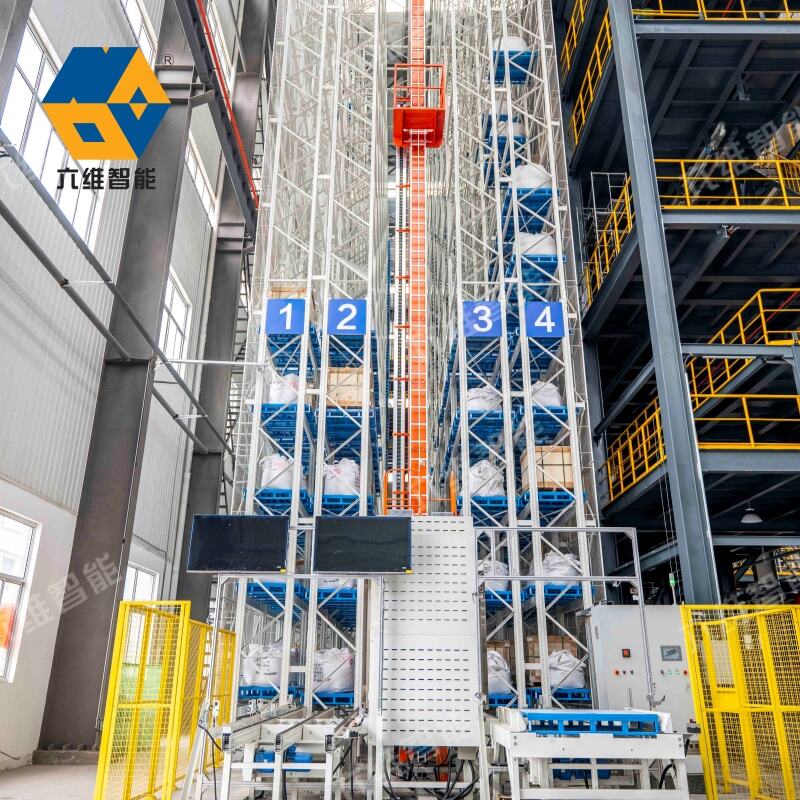
Modern warehouses and distribution centers are experiencing a revolutionary transformation through advanced technology solutions that streamline operations and maximize efficiency. The implementation of sophisticated automated storage and retrieval system technology has fundamentally changed how businesses manage inventory, process orders, and optimize their supply chain operations. This technological evolution represents a significant shift from traditional manual processes to intelligent, computer-controlled systems that deliver unprecedented accuracy and speed in storage and retrieval operations.
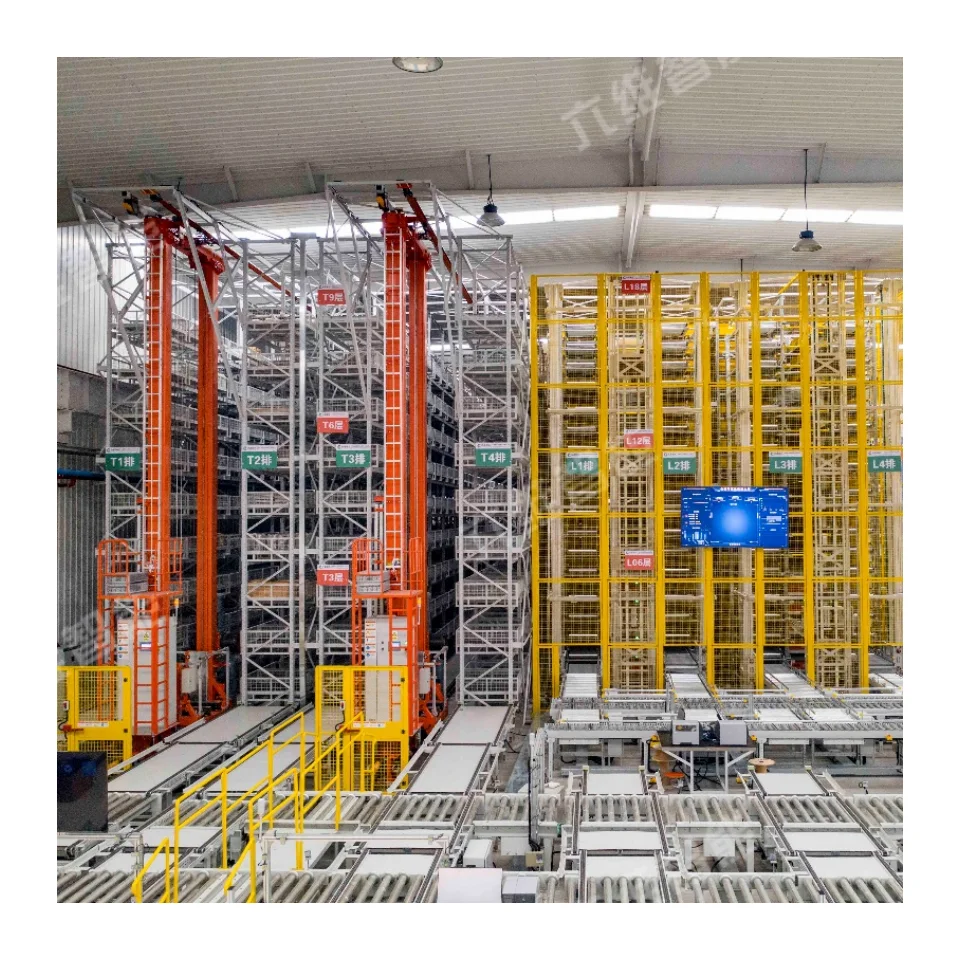
The automated storage and retrieval system landscape encompasses various technologies that work together to create seamless warehouse operations. These systems integrate hardware components like robotic cranes, conveyor systems, and storage racks with sophisticated software that manages inventory tracking, order processing, and system coordination. The result is a highly efficient operation that reduces labor costs, minimizes errors, and dramatically improves throughput capabilities across diverse industrial applications.
Core Components and Technology Infrastructure
Hardware Architecture and Mechanical Systems
The foundation of any automated storage and retrieval system relies on robust mechanical components designed to handle various load capacities and storage requirements. Storage racks form the structural backbone, typically constructed from high-grade steel materials that can accommodate different product dimensions and weight specifications. These racks are precisely engineered to work with automated equipment, featuring standardized spacing and access points that enable seamless mechanical interaction.
Retrieval mechanisms represent the most visible aspect of automated systems, with computer-controlled cranes, shuttles, and robotic arms performing the physical movement of goods. These machines operate on precision tracks and guidance systems, utilizing sensors and positioning technology to accurately locate and handle inventory items. The mechanical systems are designed for continuous operation, incorporating redundant safety features and maintenance protocols that ensure reliable performance in demanding industrial environments.
Transportation infrastructure within automated storage and retrieval system installations includes conveyor networks, transfer stations, and automated guided vehicles that move products between different areas of the facility. These components work in coordination to maintain smooth material flow, reducing bottlenecks and ensuring that items reach their destinations efficiently. The integration of these mechanical elements creates a cohesive system capable of handling diverse product types and varying throughput requirements.
Software Control and Management Systems
Sophisticated software platforms serve as the brain of automated storage and retrieval system operations, orchestrating all mechanical components and managing complex logistics processes. Warehouse management software integrates with enterprise resource planning systems to provide real-time inventory visibility, order processing capabilities, and performance analytics. These systems utilize advanced algorithms to optimize storage locations, minimize travel distances, and maximize system utilization rates.
Real-time control systems monitor every aspect of automated operations, from individual crane movements to overall system performance metrics. Machine learning capabilities enable these systems to continuously improve efficiency by analyzing operational patterns and adjusting parameters automatically. The software manages multiple concurrent operations while maintaining safety protocols and preventing conflicts between different mechanical components operating simultaneously.
Integration capabilities allow automated storage and retrieval system software to communicate with various external systems, including customer order management platforms, transportation management systems, and supplier networks. This connectivity enables seamless information flow throughout the entire supply chain, providing stakeholders with comprehensive visibility into inventory status, order fulfillment progress, and system performance indicators.
Operational Benefits and Performance Improvements
Efficiency Gains and Productivity Enhancement
Implementation of automated storage and retrieval system technology typically results in dramatic improvements in operational efficiency compared to manual warehouse operations. These systems can operate continuously without breaks, handling thousands of transactions per hour while maintaining consistent performance levels. The elimination of human error in picking and placement operations significantly reduces inventory discrepancies and improves overall accuracy rates to levels exceeding 99.9 percent in most installations.
Space utilization improvements represent another significant benefit, as automated systems can access storage locations at heights and densities that would be impractical for manual operations. Vertical storage capabilities allow facilities to maximize their cubic footage, often doubling or tripling storage capacity within the same physical footprint. This enhanced space efficiency translates directly to reduced facility costs and improved return on investment for warehouse operations.
Labor optimization becomes possible when automated storage and retrieval system technology handles routine storage and retrieval tasks, allowing human workers to focus on value-added activities such as quality control, exception handling, and customer service. This reallocation of human resources typically results in improved job satisfaction and enables organizations to address skilled labor shortages while maintaining operational excellence.
Cost Reduction and Economic Impact
The economic benefits of automated storage and retrieval system implementation extend beyond immediate operational improvements to encompass long-term cost savings across multiple categories. Labor cost reduction represents the most significant savings opportunity, as automated systems can replace multiple manual workers while operating with greater consistency and reliability. These systems eliminate overtime expenses, reduce workers' compensation claims, and minimize costs associated with employee turnover and training.
Inventory management improvements contribute to substantial cost savings through reduced carrying costs, improved inventory turnover rates, and minimized stock-outs or overstock situations. An automated storage and retrieval system provides precise inventory tracking capabilities that enable better demand forecasting and more effective inventory optimization strategies. This improved visibility helps organizations reduce safety stock requirements while maintaining high service levels.
Facility utilization improvements generated by automated storage and retrieval system technology often eliminate the need for expansion or additional warehouse space, providing significant capital cost savings. The ability to maximize existing space while improving throughput capacity allows organizations to accommodate growth without proportional increases in facility expenses. Additionally, reduced product damage rates and improved handling procedures contribute to lower inventory replacement costs and improved customer satisfaction levels.
Industry Applications and Use Cases
Manufacturing and Production Environments
Manufacturing facilities utilize automated storage and retrieval system technology to manage raw materials, work-in-process inventory, and finished goods with unprecedented precision and efficiency. These systems integrate seamlessly with production lines, automatically supplying materials as needed while maintaining optimal inventory levels. The just-in-time capabilities enable manufacturers to reduce working capital requirements while ensuring production schedules are met consistently.
Automotive manufacturers have been early adopters of automated storage and retrieval system technology, using these systems to manage thousands of different parts and components required for vehicle assembly. The systems handle everything from small fasteners to large body panels, providing the flexibility and reliability needed in complex manufacturing environments. Integration with manufacturing execution systems enables real-time synchronization between production requirements and material availability.
Electronics and high-tech manufacturing facilities benefit from the contamination-free environment that automated storage and retrieval system installations can provide. Clean room compatibility and precise handling capabilities make these systems ideal for managing sensitive components and finished products that require special environmental conditions. The systems can maintain inventory traceability requirements essential for quality control and regulatory compliance in these industries.
Distribution and Fulfillment Centers
E-commerce fulfillment centers rely heavily on automated storage and retrieval system technology to handle the high-volume, fast-paced operations required for online retail success. These systems process thousands of orders daily while maintaining the accuracy and speed that customers expect from modern retail experiences. The ability to handle diverse product sizes and types makes these systems particularly valuable for multi-channel retailers serving both business and consumer markets.
Third-party logistics providers implement automated storage and retrieval system solutions to offer enhanced service capabilities to their clients while improving operational efficiency. These systems enable logistics providers to handle multiple clients' inventory within the same facility while maintaining complete segregation and traceability. The flexibility and scalability of automated systems allow providers to accommodate seasonal fluctuations and varying client requirements effectively.
Pharmaceutical and healthcare distribution centers utilize automated storage and retrieval system technology to ensure compliance with strict regulatory requirements while maintaining the efficiency needed for critical healthcare supply chains. These systems provide the environmental controls, traceability, and security features necessary for managing pharmaceutical products, medical devices, and other healthcare commodities. Temperature-controlled capabilities and batch tracking functionality ensure product integrity throughout the storage and distribution process.
Implementation Considerations and Best Practices
Planning and Design Requirements
Successful automated storage and retrieval system implementation begins with comprehensive analysis of current operations, future growth projections, and specific operational requirements. This planning phase must consider product characteristics, throughput requirements, integration needs, and available space constraints to develop an optimal system design. Stakeholder involvement from operations, information technology, and executive leadership ensures that all requirements are properly addressed during the design phase.
Facility modifications often accompany automated storage and retrieval system installations, requiring careful coordination between construction activities and system installation schedules. Structural requirements, electrical infrastructure, and environmental systems must be designed to support automated equipment while maintaining operational flexibility for future modifications or expansions. Building codes and safety regulations must be carefully considered during the design phase to ensure compliance and worker safety.
System integration planning represents a critical success factor, as automated storage and retrieval system technology must work seamlessly with existing information systems and operational processes. Data mapping, communication protocols, and testing procedures must be established to ensure smooth integration with warehouse management systems, enterprise resource planning platforms, and other business applications. Change management planning helps organizations prepare their workforce for new operational procedures and technology adoption.
Technology Selection and Vendor Evaluation
Vendor selection for automated storage and retrieval system projects requires careful evaluation of technical capabilities, industry experience, and long-term support commitments. Organizations should assess vendors' track records in similar applications, their ability to provide ongoing maintenance and support services, and their financial stability to ensure long-term partnership viability. Reference site visits and customer testimonials provide valuable insights into real-world system performance and vendor reliability.
Technology compatibility and scalability considerations ensure that selected automated storage and retrieval system solutions can accommodate future growth and evolving operational requirements. Modular system designs provide flexibility for expansion while standardized interfaces enable integration with additional technologies as business needs change. Evaluation criteria should include system throughput capacity, reliability metrics, and upgrade pathways that support long-term operational objectives.
Total cost of ownership analysis encompasses initial capital investment, ongoing operational expenses, maintenance costs, and expected return on investment over the system's operational lifetime. This comprehensive financial analysis should consider both direct costs and indirect benefits such as improved customer service, reduced inventory carrying costs, and enhanced operational flexibility. Financing options and payment structures may influence vendor selection and project timing decisions.
Future Trends and Technological Advances
Artificial Intelligence and Machine Learning Integration
The next generation of automated storage and retrieval system technology incorporates artificial intelligence and machine learning capabilities that enable predictive analytics, autonomous optimization, and adaptive learning from operational patterns. These advanced systems can automatically adjust operational parameters based on changing conditions, optimize inventory placement strategies, and predict maintenance requirements before equipment failures occur. Machine learning algorithms continuously analyze system performance data to identify improvement opportunities and implement optimization strategies automatically.
Predictive maintenance capabilities represent a significant advancement in automated storage and retrieval system technology, utilizing sensor data and analytics to predict equipment failures and schedule maintenance activities proactively. This approach minimizes unplanned downtime while optimizing maintenance costs and extending equipment lifecycles. Advanced diagnostics and remote monitoring capabilities enable system vendors to provide enhanced support services and faster issue resolution.
Autonomous decision-making capabilities are emerging in sophisticated automated storage and retrieval system installations, where systems can make real-time operational decisions without human intervention. These systems analyze multiple variables simultaneously, including inventory levels, order priorities, equipment status, and resource availability, to optimize operations continuously. The integration of artificial intelligence enables systems to learn from experience and improve performance over time without requiring manual programming updates.
Connectivity and IoT Integration
Internet of Things connectivity transforms automated storage and retrieval system technology into intelligent, networked solutions that provide unprecedented visibility and control capabilities. Sensor networks throughout the facility monitor environmental conditions, equipment performance, and inventory status in real-time, providing comprehensive operational intelligence. This connectivity enables remote monitoring, predictive analytics, and integration with broader supply chain management systems.
Cloud-based management platforms are revolutionizing how organizations deploy and manage automated storage and retrieval system technology, providing scalable computing resources and advanced analytics capabilities without requiring significant local IT infrastructure investments. These platforms enable multiple facilities to share best practices, benchmark performance, and access advanced optimization algorithms that would be cost-prohibitive for individual installations.
Digital twin technology creates virtual replicas of automated storage and retrieval system installations, enabling detailed simulation, optimization, and training capabilities. These digital models allow organizations to test operational scenarios, evaluate system modifications, and train personnel without disrupting actual operations. The digital twin approach supports continuous improvement initiatives and helps organizations maximize their return on automated system investments.
FAQ
What factors determine the return on investment for automated storage and retrieval system implementation
Return on investment for automated storage and retrieval system projects depends on several key factors including current labor costs, throughput requirements, inventory carrying costs, and facility utilization rates. Organizations typically see positive returns within three to five years through labor savings, improved accuracy, increased throughput capacity, and reduced facility space requirements. The specific ROI timeline varies based on system complexity, integration requirements, and operational improvements achieved. Industries with high labor costs, strict accuracy requirements, or significant growth projections typically achieve faster payback periods.
How do automated storage and retrieval system installations handle different product types and sizes
Modern automated storage and retrieval system technology accommodates diverse product characteristics through flexible storage media, adjustable handling equipment, and sophisticated inventory management software. Systems can handle products ranging from small electronic components to large industrial equipment using different storage methods such as bins, totes, pallets, or custom fixtures. Multi-deep storage capabilities, variable-height storage positions, and specialized handling attachments enable systems to optimize space utilization while maintaining efficient access to all inventory items regardless of size or weight.
What maintenance requirements and operational support do automated storage and retrieval system installations need
Automated storage and retrieval system maintenance typically includes preventive maintenance schedules for mechanical components, software updates and system optimization, and ongoing performance monitoring and adjustment activities. Most installations require dedicated maintenance personnel or service contracts with system vendors to ensure optimal performance and minimize downtime. Predictive maintenance capabilities in modern systems help reduce maintenance costs while improving reliability. Training programs for operational staff and maintenance technicians are essential for successful long-term system operation and performance optimization.
How quickly can organizations expect to see operational improvements after automated storage and retrieval system implementation
Organizations typically begin experiencing operational improvements within weeks of automated storage and retrieval system startup, with full benefits realized over several months as systems are optimized and staff become proficient with new procedures. Initial improvements include increased accuracy rates, consistent throughput performance, and reduced labor requirements for routine storage and retrieval tasks. Ongoing optimization activities continue to deliver additional benefits over the first year of operation as systems learn operational patterns and staff expertise develops. The timeline for achieving maximum benefits depends on system complexity, integration scope, and organizational change management effectiveness.
Table of Contents
- Core Components and Technology Infrastructure
- Operational Benefits and Performance Improvements
- Industry Applications and Use Cases
- Implementation Considerations and Best Practices
- Future Trends and Technological Advances
-
FAQ
- What factors determine the return on investment for automated storage and retrieval system implementation
- How do automated storage and retrieval system installations handle different product types and sizes
- What maintenance requirements and operational support do automated storage and retrieval system installations need
- How quickly can organizations expect to see operational improvements after automated storage and retrieval system implementation