
 EN
EN
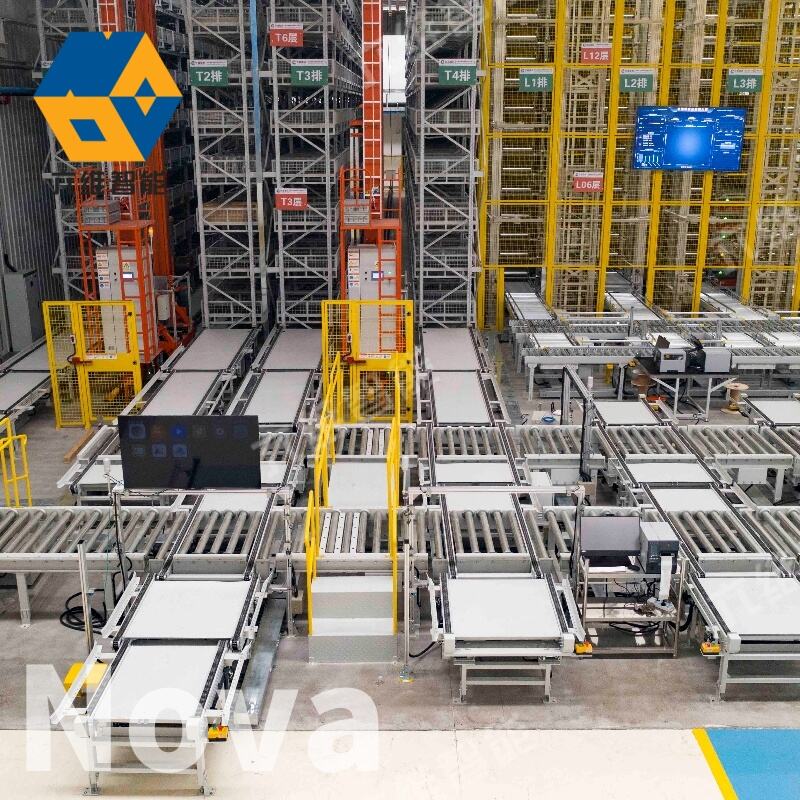
Warehouse space optimization has become a critical concern for businesses seeking to maximize storage capacity while minimizing operational costs. The implementation of proper storage solutions can dramatically transform warehouse efficiency, with heavy duty pallet racks serving as the backbone of modern storage systems. These robust storage structures offer unparalleled versatility and strength, enabling warehouses to utilize vertical space effectively while maintaining easy access to inventory. Understanding how to leverage these systems properly can result in significant improvements in storage density, operational workflow, and overall profitability.

Understanding Heavy Duty Pallet Rack Systems
Core Components and Design Features
Heavy duty pallet racks consist of several essential components that work together to create a reliable storage framework. The upright frames provide the vertical support structure, while horizontal beams connect these frames to create storage levels. Cross bracing and diagonal bracing elements ensure structural stability and prevent lateral movement under load conditions. These components are typically manufactured from high-grade steel and undergo rigorous quality testing to meet industrial storage demands.
The modular design of heavy duty pallet racks allows for flexible configuration based on specific warehouse requirements. Beam lengths can vary from eight feet to twelve feet or more, accommodating different pallet sizes and storage needs. Frame heights typically range from eight feet to forty feet, enabling maximum utilization of available ceiling space. This adaptability makes these systems suitable for diverse industries, from automotive parts storage to food and beverage distribution centers.
Load Capacity and Safety Standards
Modern heavy duty pallet racks are engineered to support substantial weight loads, with individual beam levels capable of handling between 2,500 to 5,000 pounds or more depending on the specific configuration. The load capacity depends on several factors including beam length, upright frame gauge, and the distribution of weight across the storage level. Professional engineers conduct load calculations to ensure that installations meet or exceed safety requirements for the intended application.
Safety compliance is paramount when implementing these storage systems, with industry standards such as RMI (Rack Manufacturers Institute) guidelines providing comprehensive specifications for design, installation, and maintenance. Regular safety inspections help identify potential issues before they become serious problems, ensuring that heavy duty pallet racks continue to operate safely throughout their service life. Proper training for warehouse personnel on load limits and handling procedures further enhances operational safety.
Space Optimization Strategies
Vertical Space Utilization Techniques
Maximizing vertical space represents one of the most effective approaches to warehouse optimization using heavy duty pallet racks. By extending storage systems to near-ceiling heights, warehouses can potentially double or triple their storage capacity within the same footprint. This vertical approach requires careful consideration of material handling equipment capabilities, including forklift reach heights and aisle width requirements for safe operation.
The implementation of narrow aisle configurations can further enhance space utilization by reducing the width of operating aisles between rack rows. This strategy works particularly well with specialized material handling equipment such as reach trucks or very narrow aisle (VNA) forklifts. However, this approach requires precise planning to ensure that equipment can maneuver safely and efficiently within the reduced aisle widths while maintaining productive picking and storage operations.
Density-Based Storage Configuration
Drive-in and drive-through rack configurations offer exceptional storage density for warehouses handling large quantities of similar products. These systems allow forklifts to drive directly into the rack structure, eliminating the need for aisles between every row of pallets. Heavy duty pallet racks designed for drive-in applications incorporate additional structural elements such as rail systems and entry guides to facilitate safe forklift operation within the rack structure.
Push-back rack systems provide another density-focused solution that combines high storage capacity with improved inventory rotation compared to drive-in systems. These systems utilize inclined rails and cart mechanisms that allow pallets to be stored multiple positions deep while maintaining first-in-first-out inventory rotation. The integration of heavy duty pallet racks with push-back mechanisms creates versatile storage solutions suitable for various inventory management strategies.
Implementation Planning and Layout Design
Warehouse Assessment and Analysis
Successful implementation of heavy duty pallet racks begins with comprehensive warehouse assessment and analysis. This process involves measuring available floor space, ceiling heights, and identifying any structural limitations or obstacles that might affect rack placement. Building characteristics such as column locations, door positions, and utility installations must be carefully documented to ensure optimal rack layout design.
Inventory analysis plays a crucial role in determining the most appropriate rack configuration for specific warehouse operations. Factors such as pallet sizes, product weights, inventory turnover rates, and seasonal fluctuations all influence the design of storage systems. Understanding these operational characteristics enables warehouse managers to specify heavy duty pallet racks that align with actual storage and handling requirements rather than generic solutions.
Traffic Flow and Accessibility Planning
Efficient traffic flow patterns are essential for maximizing the operational benefits of heavy duty pallet racks while maintaining safe working conditions. Aisle widths must accommodate the largest material handling equipment used in the facility while allowing for safe passing and maneuvering. Main traffic arteries should be wider than picking aisles to facilitate movement of equipment and personnel throughout the warehouse.
Accessibility considerations extend beyond basic material handling requirements to include emergency egress, maintenance access, and inventory management needs. Fire safety codes may dictate minimum aisle widths and require specific clearances between rack tops and sprinkler systems. These regulatory requirements must be integrated into the layout design to ensure compliance while maximizing storage efficiency with heavy duty pallet racks.
Installation and Configuration Best Practices
Professional Installation Requirements
Professional installation of heavy duty pallet racks ensures compliance with safety standards and maximizes system performance throughout its operational life. Certified installers possess the technical expertise and specialized equipment necessary to properly anchor rack systems to warehouse floors and ensure precise alignment of all components. This professional approach minimizes the risk of installation errors that could compromise structural integrity or operational safety.
Floor preparation represents a critical aspect of rack installation that significantly impacts system performance and longevity. Concrete floors must be level, properly cured, and capable of supporting the concentrated loads imposed by heavy duty pallet racks. Any floor irregularities or structural deficiencies should be addressed before installation begins to prevent problems such as rack misalignment or premature wear of system components.
System Integration and Testing
Integration of heavy duty pallet racks with existing warehouse management systems and material handling equipment requires careful coordination and testing. Rack heights, beam positions, and aisle configurations must align with forklift capabilities and warehouse management system requirements for optimal operational efficiency. This integration process often reveals opportunities for further optimization through adjustments to rack configuration or handling procedures.
Comprehensive testing of newly installed systems should include load testing, stability verification, and operational trials with actual material handling equipment. These tests validate that the installation meets design specifications and operates safely under normal working conditions. Documentation of test results provides valuable baseline information for ongoing maintenance and safety inspection programs.
Maintenance and Long-term Optimization
Preventive Maintenance Protocols
Regular maintenance of heavy duty pallet racks extends system life and maintains optimal performance while preventing costly damage or safety incidents. Preventive maintenance protocols should include periodic visual inspections to identify signs of wear, damage, or misalignment. Common inspection points include beam connections, upright frame integrity, floor anchorage systems, and overall structural alignment throughout the rack system.
Cleaning and housekeeping practices contribute significantly to the longevity and performance of storage systems. Regular removal of debris and spilled materials prevents corrosion and maintains clear sight lines for safety inspections. Proper housekeeping also reduces the risk of product damage and creates a more professional warehouse environment that supports efficient operations with heavy duty pallet racks.
Performance Monitoring and Optimization
Continuous monitoring of storage system performance enables warehouse managers to identify opportunities for further optimization and efficiency improvements. Key performance indicators such as storage density utilization, inventory turnover rates, and material handling productivity provide insights into how effectively heavy duty pallet racks are supporting operational objectives. This data-driven approach enables informed decisions about system modifications or expansions.
Seasonal adjustments and configuration changes may be necessary to accommodate changing inventory patterns or business requirements. The modular nature of heavy duty pallet racks facilitates these modifications without requiring complete system replacement. Regular review of storage patterns and operational needs ensures that rack systems continue to provide optimal value as business requirements evolve over time.
FAQ
What factors determine the appropriate load capacity for heavy duty pallet racks in my warehouse?
Load capacity selection depends on several key factors including the maximum weight of loaded pallets, the distribution of weight across storage positions, and the specific beam lengths and frame configurations used in your system. Professional engineers should evaluate your specific products and storage requirements to determine appropriate load ratings. Additional considerations include dynamic loading from forklift operations, potential impact forces, and safety factors required by industry standards. It's essential to account for future growth in product weights or storage requirements when specifying load capacities.
How can I determine the optimal aisle width for my heavy duty pallet rack installation?
Optimal aisle width depends primarily on the material handling equipment used in your operation, with wider aisles required for larger forklifts and reach trucks. Standard counterbalance forklifts typically require aisles between 11-13 feet, while reach trucks can operate in narrower aisles of 8-10 feet. Very narrow aisle equipment may work in aisles as narrow as 5-6 feet but requires specialized guidance systems. Consider traffic patterns, safety requirements, emergency egress needs, and local fire codes when determining final aisle widths for your heavy duty pallet rack layout.
What maintenance schedule should I follow for heavy duty pallet racks to ensure safe operation?
A comprehensive maintenance schedule should include daily visual inspections by warehouse personnel to identify obvious damage or safety concerns, weekly detailed inspections of high-traffic areas and beam connections, monthly systematic inspections of the entire rack system including measurements of critical dimensions, and annual professional inspections by qualified engineers. Additionally, immediate inspections should follow any impact incidents or unusual loading conditions. Document all inspections and maintain records of any repairs or modifications to ensure compliance with safety standards and insurance requirements.
Can heavy duty pallet racks be reconfigured or expanded after initial installation?
Yes, the modular design of heavy duty pallet racks allows for significant reconfiguration and expansion capabilities. Beam levels can be adjusted to accommodate different product sizes, additional uprights and beams can extend existing systems, and entire sections can be relocated within the warehouse. However, any modifications should be engineered and approved by qualified professionals to ensure continued compliance with load capacity and safety requirements. Consider factors such as floor loading, building clearances, and integration with existing systems when planning modifications to your storage infrastructure.
Table of Contents
- Understanding Heavy Duty Pallet Rack Systems
- Space Optimization Strategies
- Implementation Planning and Layout Design
- Installation and Configuration Best Practices
- Maintenance and Long-term Optimization
-
FAQ
- What factors determine the appropriate load capacity for heavy duty pallet racks in my warehouse?
- How can I determine the optimal aisle width for my heavy duty pallet rack installation?
- What maintenance schedule should I follow for heavy duty pallet racks to ensure safe operation?
- Can heavy duty pallet racks be reconfigured or expanded after initial installation?