
 EN
EN
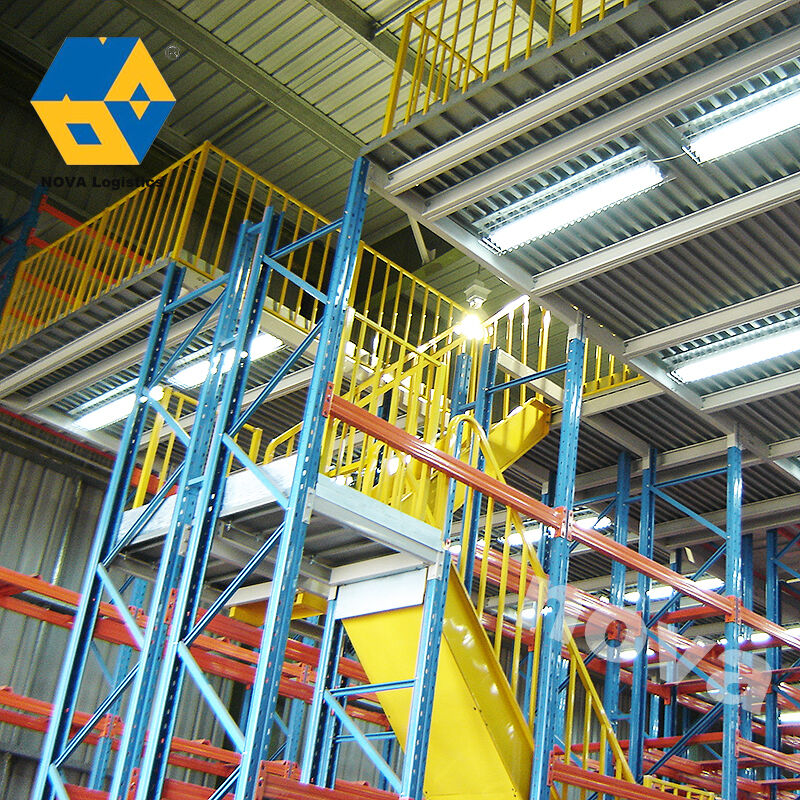
Modern warehouses face increasing pressure to maximize storage capacity while maintaining efficient workflow operations. A warehouse mezzanine offers an innovative solution that transforms vertical space into valuable storage and operational areas. This elevated platform system creates additional floor space without the expense of facility expansion or relocation. Industrial facilities worldwide have discovered that implementing a properly designed warehouse mezzanine can significantly enhance their storage organization and streamline daily operations.
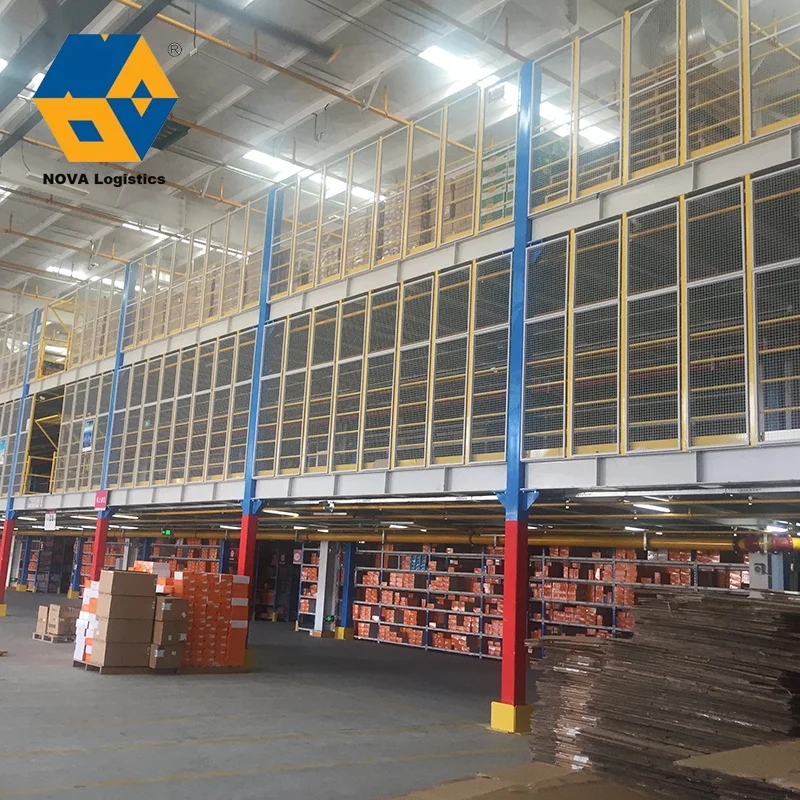
The strategic implementation of mezzanine systems addresses critical challenges that warehouse managers encounter daily. Space utilization becomes exponentially more efficient when vertical areas are properly converted into functional storage zones. A warehouse mezzanine provides the structural foundation for organized inventory management while creating designated areas for specific operational functions.
Maximizing Vertical Space Utilization
Structural Design Principles
The engineering foundation of a warehouse mezzanine begins with careful structural analysis of existing building specifications. Professional engineers evaluate ceiling height requirements, load-bearing capacity, and integration points with existing infrastructure. These elevated platforms typically utilize steel construction with customizable deck materials to accommodate specific storage requirements. The modular design approach allows for future expansion and reconfiguration as operational needs evolve.
Weight distribution calculations determine the appropriate beam spacing and column placement for optimal structural integrity. A properly engineered warehouse mezzanine can support substantial loads while maintaining safety compliance with local building codes. The integration process considers existing utilities, lighting systems, and ventilation requirements to ensure seamless facility operation.
Space Planning Optimization
Effective space planning transforms available cubic footage into functional storage zones through strategic warehouse mezzanine placement. The vertical expansion creates distinct levels for different inventory categories, seasonal storage, or specialized equipment housing. This separation enhances organization by providing dedicated areas for fast-moving versus slow-moving inventory items.
The planning process involves detailed analysis of current storage patterns, future growth projections, and operational workflow requirements. Professional designers create customized layouts that maximize accessibility while maintaining efficient material flow patterns. The resulting configuration optimizes both horizontal and vertical space utilization throughout the facility.
Enhancing Workflow Efficiency
Material Flow Optimization
Strategic warehouse mezzanine implementation creates natural material flow channels that reduce handling time and minimize operational bottlenecks. The elevated storage areas allow for logical separation of receiving, processing, and shipping functions across multiple levels. This vertical organization eliminates congestion in primary floor areas while maintaining easy access to frequently handled inventory.
The integration of conveyor systems, hydraulic lifts, or automated material handling equipment with mezzanine structures further enhances operational efficiency. Workers can access upper-level storage without disrupting ground-level activities, creating parallel processing capabilities that increase overall throughput. The improved workflow reduces labor costs while maintaining high productivity standards.
Operational Zone Segregation
A well-designed warehouse mezzanine enables clear segregation of operational zones, creating dedicated areas for specific functions such as quality control, packaging, or administrative activities. This separation reduces cross-contamination risks in facilities handling sensitive products while improving overall operational organization. Each level can be customized with appropriate flooring, lighting, and environmental controls for specific requirements.
The zone segregation approach allows for better supervision and management of different operational areas. Supervisors can maintain clear visibility of activities across multiple levels while ensuring compliance with safety protocols and quality standards. This organizational structure supports lean manufacturing principles and continuous improvement initiatives.
Storage Organization Benefits
Inventory Classification Systems
The multi-level storage capability of a warehouse mezzanine supports sophisticated inventory classification systems that improve overall organization efficiency. Fast-moving items can be positioned at ground level for easy access, while slower-moving inventory utilizes upper-level storage areas. This stratified approach reduces picking time and minimizes handling errors through logical product placement strategies.
Seasonal inventory management becomes significantly more efficient with dedicated upper-level storage areas. The warehouse mezzanine provides secure, organized storage for items that require periodic access while freeing premium ground-level space for daily operations. This classification system supports just-in-time inventory principles and reduces carrying costs.
Accessibility and Safety Features
Modern warehouse mezzanine systems incorporate comprehensive safety features including guardrails, safety gates, and non-slip surfaces to ensure worker protection. Stairway systems with appropriate handrails and landing platforms provide safe access to elevated storage areas. Emergency evacuation routes are integrated into the design to comply with occupational safety regulations.
Loading dock integration allows for direct access to upper-level storage areas, reducing material handling requirements and improving operational efficiency. The safety features include proper lighting systems, emergency equipment placement, and clear signage to maintain safe working conditions across all levels. Regular safety inspections ensure continued compliance with evolving workplace safety standards.
Cost-Effective Expansion Solutions
Investment Analysis
The financial benefits of warehouse mezzanine installation often surpass traditional facility expansion alternatives. Construction costs for mezzanine systems typically represent a fraction of new building construction while providing substantial additional usable space. The modular nature allows for phased implementation that aligns with budget constraints and operational requirements.
Return on investment calculations demonstrate rapid payback periods through increased storage capacity, improved operational efficiency, and reduced need for external storage facilities. The permanent nature of a properly installed warehouse mezzanine adds long-term value to the facility while providing immediate operational benefits. Tax considerations may include depreciation benefits and potential property value increases.
Scalability and Flexibility
The modular construction approach of warehouse mezzanine systems provides exceptional scalability for growing operations. Additional sections can be integrated with existing structures as space requirements increase. This flexibility eliminates the need for complete facility relocation during expansion phases, maintaining operational continuity while accommodating growth.
Reconfiguration capabilities allow for operational changes without major structural modifications. The warehouse mezzanine can be adapted for different uses as business needs evolve, providing long-term flexibility that supports changing market conditions. This adaptability represents a significant advantage over permanent structural modifications or facility relocation alternatives.
Implementation Considerations
Planning and Design Process
Successful warehouse mezzanine implementation begins with comprehensive facility assessment and operational analysis. Professional engineers evaluate existing structural conditions, utility systems, and integration requirements to develop customized solutions. The design process includes detailed load calculations, safety analysis, and compliance verification with local building codes.
Stakeholder consultation ensures that the warehouse mezzanine design addresses specific operational requirements while accommodating future expansion needs. The planning phase includes timeline development, installation scheduling, and coordination with ongoing operations to minimize disruption during construction. Detailed project management ensures on-time completion within established budget parameters.
Installation and Integration
Professional installation teams utilize specialized equipment and techniques to ensure proper warehouse mezzanine assembly and integration. The construction process follows established safety protocols while maintaining facility operations whenever possible. Quality control measures include structural inspections, load testing, and safety system verification before operational use.
Integration with existing warehouse management systems ensures seamless incorporation of new storage areas into inventory tracking and operational processes. The warehouse mezzanine becomes fully functional through proper training programs for staff members who will utilize the new storage areas. Ongoing maintenance schedules preserve structural integrity and safety compliance over time.
FAQ
What weight capacity can a warehouse mezzanine support
A properly engineered warehouse mezzanine can support substantial loads ranging from 125 to 250 pounds per square foot, depending on structural design specifications. Professional engineers calculate exact load capacities based on beam spacing, column placement, and intended use requirements. Heavy-duty configurations can accommodate specialized equipment, dense inventory storage, or manufacturing operations with appropriate structural reinforcement.
How much additional storage space does a warehouse mezzanine provide
A warehouse mezzanine typically doubles the usable floor space within existing facility footprint constraints. The actual space gain depends on ceiling height, structural requirements, and specific design configurations. Most installations achieve 80-90% space utilization efficiency on the mezzanine level, providing substantial increases in storage capacity without facility expansion costs.
What permits are required for warehouse mezzanine installation
Warehouse mezzanine installations typically require building permits, structural engineering approvals, and compliance with local fire safety codes. The specific permit requirements vary by jurisdiction and project scope, with professional installation companies handling the application process. Electrical, plumbing, or mechanical permits may be necessary if utility modifications are included in the project scope.
How long does warehouse mezzanine installation typically take
Standard warehouse mezzanine installation projects require 2-6 weeks for completion, depending on system complexity and facility size. The timeline includes structural preparation, component assembly, safety system installation, and final inspections. Pre-fabricated modular systems reduce installation time while maintaining quality standards and minimizing operational disruption during construction phases.