
 EN
EN
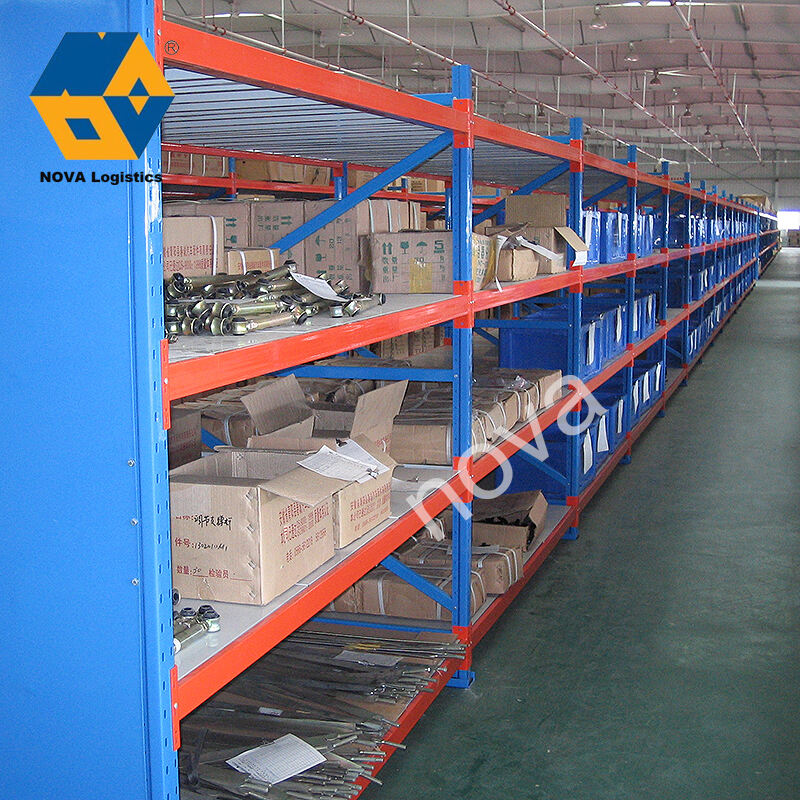
Modern warehouses and industrial facilities face increasing pressure to optimize storage capacity while maintaining efficient access to inventory. The longspan rack has emerged as a versatile solution that bridges the gap between light-duty shelving and heavy-duty pallet racking systems. These intermediate storage systems offer exceptional flexibility for businesses handling medium to heavy items that exceed the capacity of standard shelving but don't require the massive infrastructure of traditional pallet racks.
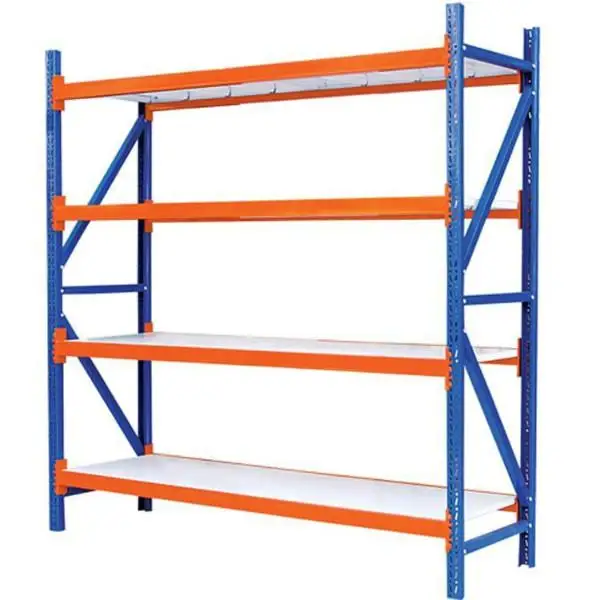
The evolution of storage solutions has led to increasingly sophisticated designs that accommodate diverse operational requirements. Manufacturing facilities, automotive parts distributors, and retail operations have discovered that a properly configured longspan rack system can significantly improve storage density while reducing operational costs. Understanding the key characteristics that make these systems ideal for medium to heavy-duty applications requires examining their structural design, load-bearing capabilities, and adaptability to various environments.
Structural Engineering and Load Distribution
Frame Construction and Material Properties
The foundation of any effective longspan rack lies in its robust frame construction, which typically utilizes high-grade steel components engineered to distribute weight evenly across the entire structure. These systems feature heavy-duty uprights with reinforced connections that can support substantial loads without compromising stability. The steel profiles used in quality longspan rack construction undergo rigorous testing to ensure they meet industrial safety standards and can withstand the stresses of constant loading and unloading operations.
Advanced manufacturing techniques allow for precise tolerances in frame components, ensuring that each longspan rack maintains structural integrity even under maximum load conditions. The bolted connections provide superior holding power compared to welded alternatives, allowing for easy reconfiguration when storage requirements change. This modularity represents a significant advantage for facilities that need to adapt their storage layouts to accommodate seasonal fluctuations or evolving product lines.
Beam Technology and Spanning Capabilities
The distinctive feature that sets a longspan rack apart from conventional shelving is its ability to span considerable distances without intermediate supports. This is achieved through engineered beams that utilize optimized cross-sectional profiles to maximize strength-to-weight ratios. The beams distribute loads efficiently across their entire length, preventing sagging and maintaining level surfaces even when loaded to capacity.
The spanning capability of these systems eliminates the need for center supports that would otherwise obstruct access to stored items. This clear span design allows for easy material handling with forklifts, pallet jacks, or manual retrieval methods. The result is improved operational efficiency and reduced risk of damage to both products and equipment during storage and retrieval operations.
Versatility in Storage Applications
Automotive Parts and Components Storage
Automotive parts distribution represents one of the most demanding applications for longspan rack systems, as these facilities must accommodate items ranging from small electronic components to large engine assemblies. The adjustable shelf heights allow for precise optimization of vertical space utilization, while the robust construction handles the weight of heavy automotive components without deflection. Parts distributors particularly value the ability to configure bay widths to match standard parts packaging, reducing wasted space and improving inventory accuracy.
The open design of a well-engineered longspan rack facilitates air circulation around stored automotive parts, helping to prevent moisture accumulation that could lead to corrosion. This is especially important for facilities storing both new and remanufactured components, where environmental protection directly impacts product quality and shelf life. The system's modularity also allows for easy expansion as parts inventory grows or product lines are added.
Manufacturing and Industrial Storage
Manufacturing environments demand storage solutions that can adapt to diverse material handling requirements while maintaining safety standards. A properly designed longspan rack system accommodates everything from raw materials to finished goods, providing the flexibility manufacturers need to optimize their storage strategies. The ability to adjust shelf levels without tools allows for quick reconfiguration to match changing production schedules or product specifications.
Industrial facilities benefit from the longspan rack's ability to integrate with overhead crane systems and other material handling equipment. The clear span design ensures that lifting devices can access stored materials from multiple angles without interference from structural elements. This accessibility is crucial in manufacturing environments where time efficiency directly impacts production costs and delivery schedules.
Load Capacity and Safety Considerations
Weight Distribution Analysis
Understanding load distribution is critical when selecting a longspan rack for medium to heavy-duty applications. These systems are engineered to handle uniformly distributed loads across their decking surfaces, with capacity ratings typically ranging from 500 to 2000 pounds per shelf level. The key to safe operation lies in ensuring that loads are properly distributed rather than concentrated at single points, which could exceed the design parameters of individual components.
Professional installation and proper load calculation are essential for maintaining safety margins in longspan rack applications. Each installation should be evaluated by qualified engineers who can assess the specific requirements of the stored materials and recommend appropriate configurations. This analysis includes consideration of dynamic loads during material handling operations, not just static storage weights.
Safety Features and Compliance Standards
Modern longspan rack designs incorporate multiple safety features that protect both stored inventory and personnel working in the facility. Frame connections utilize positive-locking mechanisms that prevent accidental beam displacement, while safety clips secure beams in their proper positions even under seismic conditions. The robust construction exceeds standard building code requirements for storage structures, providing additional safety margins that protect against unexpected load conditions.
Compliance with industry safety standards requires regular inspection and maintenance of longspan rack installations. Facilities should establish routine inspection protocols that identify potential issues before they compromise system integrity. This proactive approach to safety management protects both personnel and inventory while ensuring continued compliance with workplace safety regulations.
Configuration Options and Customization
Decking Materials and Surface Options
The versatility of a longspan rack extends to the variety of decking options available to match specific storage requirements. Steel mesh decking provides excellent ventilation for stored materials while offering good visibility through shelf levels for inventory management purposes. Solid steel decking creates secure storage surfaces for smaller items that might fall through mesh openings, while maintaining the strength characteristics needed for heavy-duty applications.
Specialized decking materials can be specified for unique storage requirements, such as galvanized surfaces for corrosive environments or perforated panels that combine the benefits of solid and mesh decking. The choice of decking material significantly impacts the functionality of the longspan rack system, and proper selection requires careful consideration of the stored product characteristics and handling methods.
Height Adjustability and Reconfiguration
One of the most valuable features of quality longspan rack systems is their ability to accommodate changing storage requirements through height adjustability. Beam positions can be modified in small increments to optimize space utilization for different product sizes, allowing facilities to maximize storage density while maintaining efficient access. This adjustability eliminates the need for costly system replacements when storage requirements evolve.
The reconfiguration capability of a longspan rack makes it an ideal investment for growing businesses or facilities with seasonal storage variations. Components can be easily relocated, additional levels added, or entire bays reconfigured to match new operational requirements. This flexibility provides long-term value that justifies the initial investment in quality storage infrastructure.
Installation and Maintenance Requirements
Professional Installation Considerations
Proper installation is crucial for realizing the full potential of a longspan rack system in medium to heavy-duty applications. Professional installers understand the importance of level foundations, proper anchoring techniques, and precise alignment of structural components. These factors directly impact the system's load-bearing capacity and long-term performance, making professional installation a worthwhile investment for most facilities.
Installation planning should account for future expansion possibilities and integration with existing facility infrastructure. Experienced installers can recommend optimal layouts that maximize storage capacity while maintaining safe operating clearances for material handling equipment. This forward-thinking approach prevents costly modifications when storage requirements change or expand.
Ongoing Maintenance and Inspection Protocols
Regular maintenance ensures that a longspan rack continues to perform safely and efficiently throughout its service life. Inspection protocols should focus on connection integrity, beam alignment, and signs of wear or damage that could compromise system performance. Early identification of maintenance needs prevents minor issues from developing into major safety concerns or operational disruptions.
Maintenance requirements for longspan rack systems are generally minimal compared to more complex storage solutions, but they should not be neglected. Simple procedures such as keeping connections clean and properly tightened, monitoring for signs of overloading, and ensuring that stored materials remain within design parameters help maintain system integrity and extend service life.
Cost-Effectiveness and Return on Investment
Initial Investment Analysis
The cost-effectiveness of a longspan rack solution becomes apparent when comparing storage capacity, installation costs, and long-term flexibility against alternative storage methods. While the initial investment may exceed that of basic shelving systems, the increased load capacity and space utilization efficiency typically justify the additional cost within the first year of operation. The ability to store heavier items at higher densities reduces the floor space required for a given storage capacity.
Financial analysis should consider not only the purchase price of the longspan rack components but also installation costs, ongoing maintenance requirements, and the value of operational flexibility. Many facilities find that the ability to reconfigure storage layouts without major infrastructure changes provides ongoing cost savings that continue throughout the system's service life.
Operational Efficiency Benefits
The operational benefits of a well-designed longspan rack extend beyond simple storage capacity to include improved inventory management, reduced handling time, and enhanced safety for personnel and products. The clear sight lines through mesh decking facilitate inventory counts and product identification, while the accessibility of stored items reduces the time required for order fulfillment operations.
Energy efficiency considerations also favor longspan rack installations in many applications, as the open design promotes natural air circulation that can reduce HVAC requirements in climate-controlled facilities. This ongoing operational savings contributes to the total cost-effectiveness of the storage solution over its operational lifetime.
FAQ
What weight capacity should I expect from a quality longspan rack system?
Quality longspan rack systems typically offer shelf capacities ranging from 500 to 2000 pounds per level when loads are evenly distributed. The exact capacity depends on beam span, frame configuration, and decking type. It's essential to work with qualified engineers to determine the appropriate capacity for your specific application and ensure that all components are rated for your intended loads.
How does a longspan rack compare to traditional pallet racking for medium-duty storage?
Longspan racks offer greater flexibility than pallet racking for medium-duty applications, as they don't require palletized storage and provide easier access to individual items. While pallet racks excel for very heavy loads and high-density storage, longspan systems are more cost-effective for mixed inventory that includes both palletized and loose items, providing better space utilization for diverse product sizes.
Can longspan rack systems be reconfigured after installation?
Yes, one of the key advantages of quality longspan rack systems is their reconfigurability. Shelf heights can be easily adjusted, and entire sections can be relocated or reconfigured as storage requirements change. This flexibility makes them an excellent long-term investment for growing businesses or facilities with evolving storage needs, as the system can adapt rather than require replacement.
What maintenance is required to keep a longspan rack system operating safely?
Longspan rack systems require minimal maintenance, primarily consisting of regular visual inspections to check connection integrity, beam alignment, and signs of damage or overloading. Connections should be kept clean and properly tightened, and any damaged components should be replaced promptly. Establishing a routine inspection schedule helps identify potential issues before they compromise system safety or performance.
Table of Contents
- Structural Engineering and Load Distribution
- Versatility in Storage Applications
- Load Capacity and Safety Considerations
- Configuration Options and Customization
- Installation and Maintenance Requirements
- Cost-Effectiveness and Return on Investment
-
FAQ
- What weight capacity should I expect from a quality longspan rack system?
- How does a longspan rack compare to traditional pallet racking for medium-duty storage?
- Can longspan rack systems be reconfigured after installation?
- What maintenance is required to keep a longspan rack system operating safely?