
 EN
EN
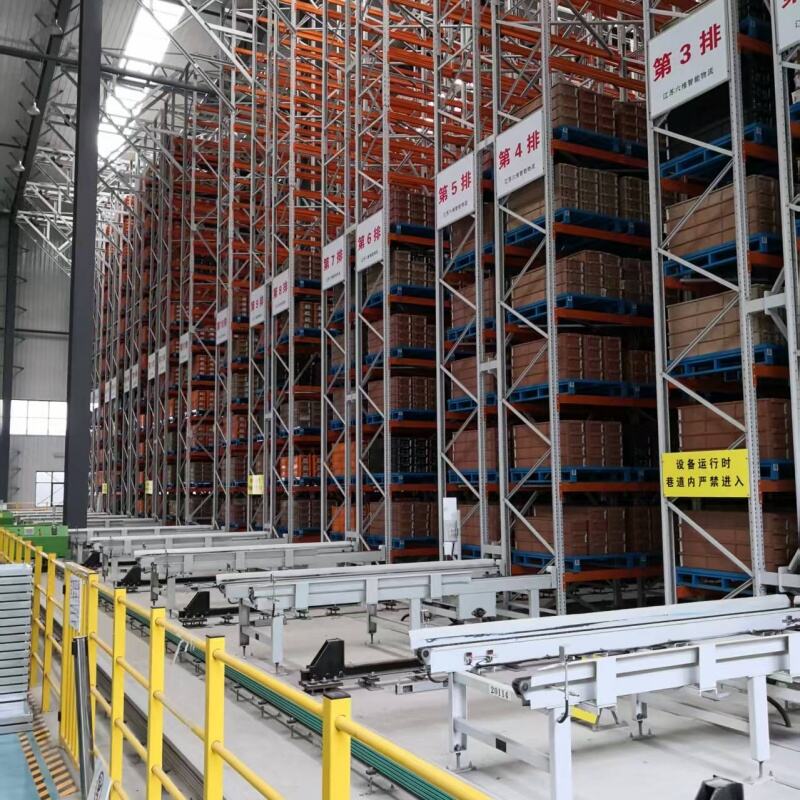
A well-designed rack system is one of the most powerful tools a warehouse manager can deploy when inventory demands are constantly shifting. Whether you are storing lightweight consumer goods or heavy industrial components, the right rack system must be able to evolve with your operational reality. Adaptability is not a luxury in modern storage design — it is a fundamental requirement that determines whether your facility keeps pace with growth or struggles under rigid constraints.
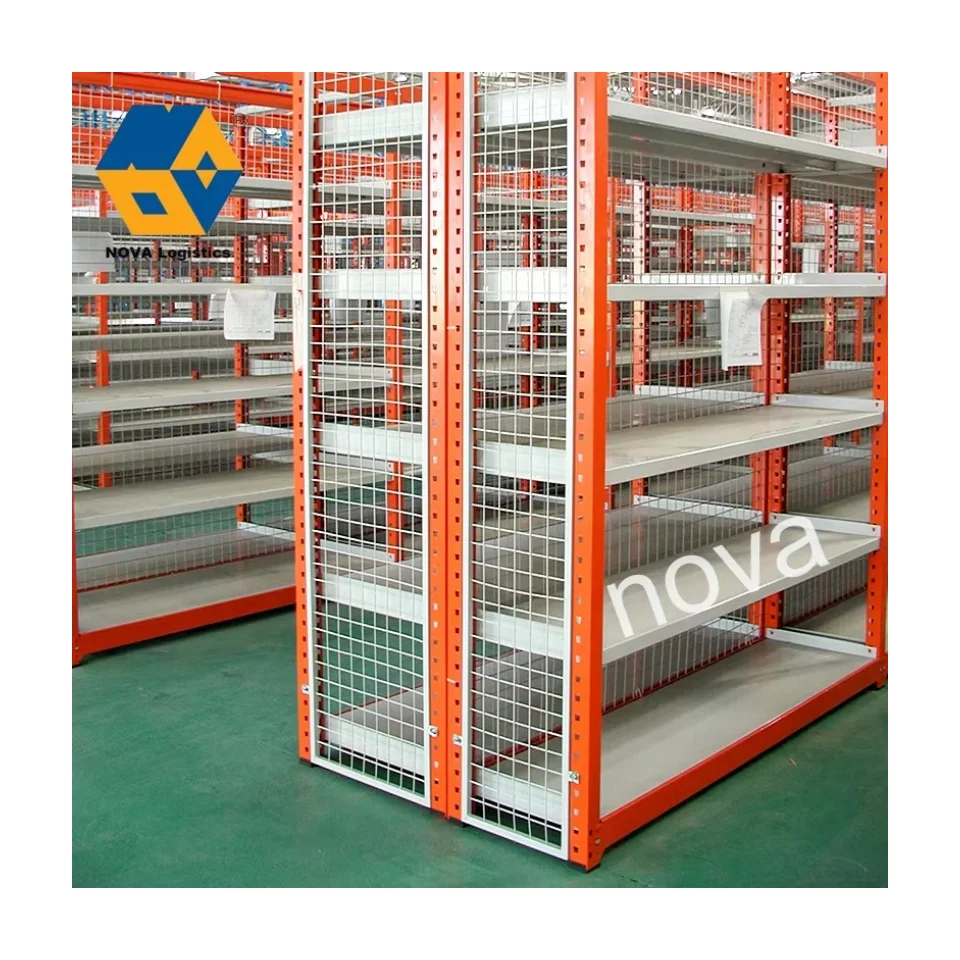
Understanding how a rack system can adapt to different inventory requirements means looking beyond static shelving structures and examining the features, configurations, and load principles that make flexible storage possible. A rack system that responds to product variety, volume fluctuations, and changing access patterns delivers measurable value to any B2B operation. This article explores the core dimensions of rack system adaptability, from structural design to practical application across diverse inventory scenarios.
Structural Flexibility in a Rack System
Adjustable Beam Heights and Configurations
The most direct form of adaptability in a rack system comes from its vertical adjustability. A rack system with beam slots positioned at regular intervals allows operators to raise or lower shelf levels without disassembling the entire structure. This means that when inventory dimensions change — such as switching from small boxed items to taller palletized goods — the rack system can be reconfigured in-place without purchasing new equipment. The ability to reposition beams within the same rack system frame significantly reduces capital expenditure when product lines evolve.
Adjustable medium-duty and long-span rack system designs are particularly well-suited to mixed-SKU environments. A long-span rack system, for example, supports wider shelf depths that accommodate both cartons and irregularly shaped products side by side. This type of rack system removes the need to maintain separate storage zones for different product formats, allowing warehouse planners to consolidate inventory more efficiently across available floor space.
Multi-Level Expansion of a Rack System
A rack system that supports multi-level configurations allows warehouses to scale vertically rather than horizontally. When floor space is limited, adding levels to an existing rack system is a cost-effective response to growing inventory volume. Multi-level rack system setups can be designed with walkways, mezzanine platforms, or integrated picking areas, making the rack system a central part of the operational workflow rather than just passive storage. This vertical approach allows a single rack system footprint to serve dramatically higher storage capacity needs without expanding the building envelope.
Load and Product Type Compatibility
Matching a Rack System to Load Profiles
One of the most critical factors in rack system adaptability is its ability to handle varying load profiles. A rack system engineered for medium-duty applications can support a broad range of product weights that fall between light commercial shelving and heavy-duty pallet racking. This versatility makes the rack system an ideal choice for distribution centers that handle both fast-moving consumer goods and denser industrial supplies within the same facility. When selecting a rack system, understanding the dynamic load capacity per shelf and the static load capacity per frame is essential to ensuring safe and effective use across changing inventory types.
The structural integrity of a rack system must be matched to the heaviest anticipated load category, not merely the current product mix. Planning for peak load scenarios ensures that the rack system remains safe and functional even when inventory composition shifts toward heavier items seasonally or during product line transitions. A properly rated rack system eliminates the risk of failure that comes from applying loads beyond the original design parameters of an undersized structure.
Accommodating Product Variety Within One Rack System
A versatile rack system can host diverse product types by incorporating modular accessories. Wire decking, additional dividers, bin supports, and inclined shelves can all be fitted within the same rack system frame to create dedicated zones for different SKUs. This modular approach means the rack system does not need to be replaced when the product catalog expands or changes direction. Instead, the rack system is updated with compatible components, preserving the core investment while tailoring storage conditions to new inventory profiles.
Workflow and Layout Adaptability
Reconfiguring a Rack System for Changing Access Patterns
Inventory management is not just about storing products — it is about retrieving them efficiently. A rack system that can be repositioned within a warehouse layout provides significant operational flexibility. Freestanding rack system units that do not require permanent wall anchorage can be moved and reorganized when traffic flow patterns change, new receiving docks are added, or picking routes are optimized. This positional flexibility allows a rack system to remain aligned with operational logic as the warehouse evolves over time.
For facilities that rotate seasonal stock or manage promotional inventory, a mobile or reconfigurable rack system reduces the downtime associated with layout changes. Instead of rebuilding storage infrastructure from scratch, warehouse teams can rearrange the rack system to prioritize high-velocity inventory zones during peak periods and then redistribute storage capacity after demand normalizes. A rack system designed with this kind of workflow adaptability directly supports faster order fulfillment and reduced picking errors.
Integration of a Rack System with Inventory Systems
Modern warehouse operations increasingly rely on digital inventory tracking tools. A rack system that is planned with consistent bay widths, labeled slot positions, and standardized section dimensions integrates seamlessly with barcode scanning, RFID systems, and warehouse management software. When each position within the rack system corresponds to a mapped location in the inventory system, picking accuracy improves and stock replenishment becomes more predictable. The rack system effectively becomes a physical extension of the digital inventory architecture, enabling real-time visibility across every storage level.
FAQ
What makes a rack system adaptable to different product sizes?
A rack system with adjustable beam heights, modular accessories, and variable shelf depths can accommodate a wide range of product sizes without structural replacement. The ability to reposition beams and add components like dividers or wire decks makes a rack system highly flexible for mixed inventory environments.
How does a rack system support warehouse growth over time?
A rack system designed for multi-level expansion allows warehouses to increase storage capacity vertically as inventory volume grows. Adding levels or extending bays within the same rack system framework reduces the cost of scaling compared to installing entirely new storage infrastructure.
Can a rack system be relocated when a warehouse layout changes?
Many rack system designs are freestanding and do not require permanent anchoring to walls or floors, making them repositionable. This means a rack system can be moved to match new traffic flow patterns, seasonal demand zones, or revised picking routes without major renovation work.