 EN
EN
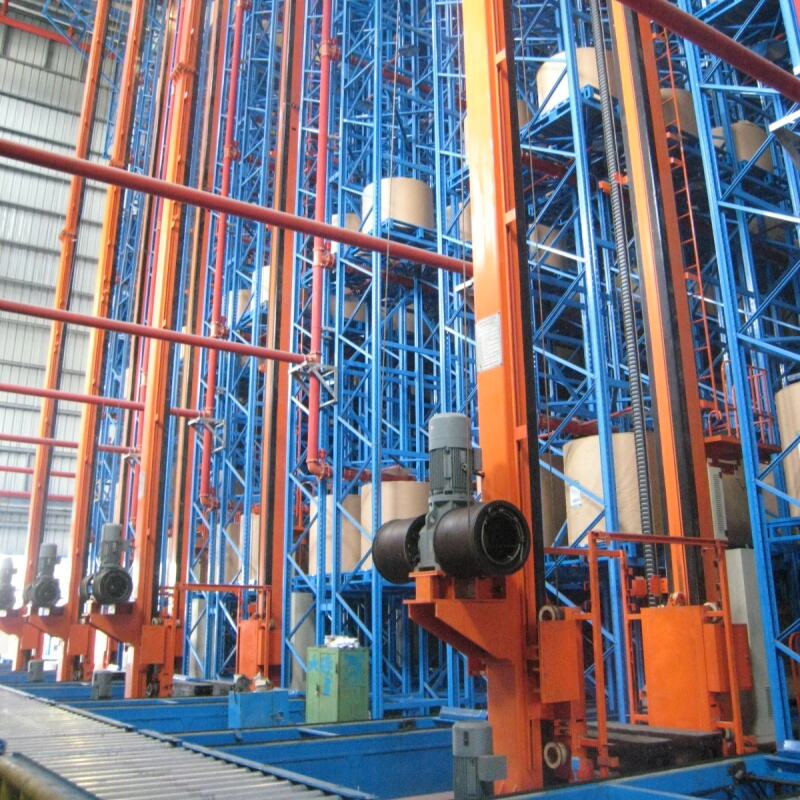
Choosing the right rack system for an industrial environment is one of the most consequential decisions a warehouse manager or operations planner can make. The wrong rack system wastes floor space, slows down picking cycles, and can even create safety hazards. With so many rack system configurations available on the market today, understanding which types perform best under specific industrial conditions is essential before committing to a purchase or installation.
A well-selected rack system directly supports throughput efficiency, inventory accuracy, and worker safety. Industrial operations range from automotive parts storage to cold-chain logistics, and each environment places unique demands on a rack system. This article examines the leading rack system types used in industrial settings and explains which scenarios each one serves best, so you can make a confident, data-driven selection.
Core Rack System Types in Industrial Use
Selective Rack System
The selective rack system is the most widely deployed rack system in industrial warehouses worldwide. Its defining characteristic is that every pallet position is directly accessible from the main aisle without moving other pallets. This rack system suits operations with high SKU diversity and frequent order picking, because operators can reach any load at any time. A selective rack system typically operates on a first-in, first-out basis, making it especially valuable for perishable goods, pharmaceutical products, and spare auto parts where inventory rotation matters. The straightforward structural design of a selective rack system also means lower installation costs and easier reconfiguration as storage needs evolve.
Drive-In and Drive-Through Rack System
When space efficiency is the top priority, a drive-in rack system delivers exceptional storage density by eliminating most internal aisles. In a drive-in rack system, forklifts travel directly into the rack structure to place or retrieve pallets from the back of each lane. This rack system works best for bulk storage of homogeneous products with low SKU counts, such as beverages, building materials, or large automotive components. A drive-through rack system follows the same structural logic but allows forklift entry from both ends, enabling a true first-in, first-out flow. Both configurations of this rack system are common in cold storage facilities where every cubic meter of temperature-controlled space carries a premium cost.
High-Density Rack System Options for Demanding Environments
Push-Back Rack System
A push-back rack system provides higher density than a selective rack system while preserving better selectivity than a drive-in rack system. In a push-back rack system, pallets are loaded from the front and pushed back along inclined rails or carts by each subsequent load. When a pallet is removed, the remaining pallets glide forward automatically. This rack system typically supports two to five pallets of depth per lane and operates on a last-in, first-out principle. Industrial operations storing products with longer shelf lives, such as metal components, industrial hardware, or spare parts, benefit considerably from a push-back rack system because inventory rotation is less critical than space savings.
Pallet Flow Rack System
A pallet flow rack system, sometimes called a gravity flow rack system, uses inclined rollers or wheel rails to move pallets from a loading aisle to a picking aisle automatically. This rack system delivers a true first-in, first-out rotation cycle, which is critical for food manufacturing, chemical storage, or any industrial application where product freshness and expiry dates matter. A pallet flow rack system achieves very high storage density while keeping operations smooth and reducing forklift travel distance. Industrial facilities that process high volumes of the same SKU daily find that a pallet flow rack system lowers labor costs noticeably over time.
Specialty Rack System Designs for Specific Industrial Needs
Cantilever Rack System
A cantilever rack system is the preferred rack system for storing long, irregular, or oversized loads that a standard pallet rack system cannot accommodate. Structural steel beams, PVC pipes, lumber, and rolled metal sheets all fit naturally on a cantilever rack system because its open-arm design has no front column obstruction. This rack system can be configured in single-sided or double-sided versions to match the available floor plan. Heavy-duty industrial environments dealing with construction materials, metal fabrication, or the automotive sector regularly rely on a cantilever rack system to handle stock that would otherwise be impossible to organize safely.
Longspan Shelving Rack System
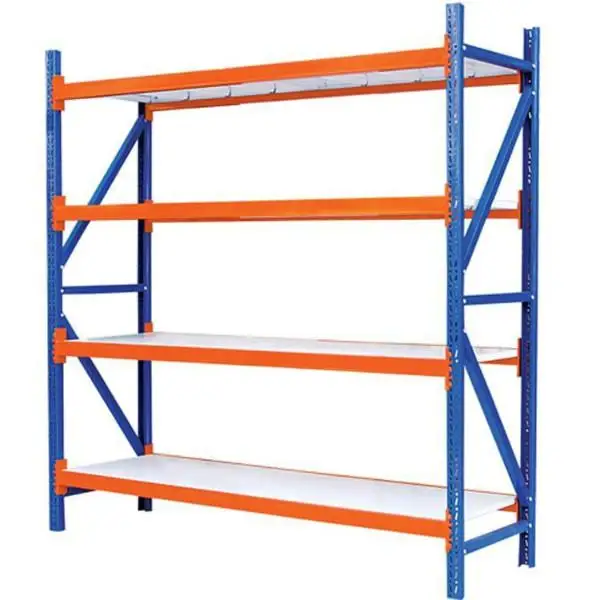
For medium-duty industrial applications, a longspan shelving rack system bridges the gap between a light-duty shelf and a full heavy-duty pallet rack system. This rack system is designed to hold boxes, totes, and smaller pallets that do not require full pallet rack capacity. A longspan shelving rack system is common in spare parts rooms, maintenance workshops, automotive parts departments, and distribution centers handling mixed-weight inventory. Its modular construction makes a longspan shelving rack system easy to adjust in height and beam span, allowing operators to fine-tune each level to the exact load dimensions in use.
FAQ
Which rack system type offers the best storage density for industrial warehouses?
A drive-in rack system or a pallet flow rack system typically offers the highest storage density among industrial rack system options. Drive-in configurations eliminate most aisles, while a pallet flow rack system maximizes vertical and horizontal cube utilization through gravity-fed lanes. The best choice depends on your SKU count, inventory rotation requirements, and forklift type.
Can a single rack system design work across multiple industrial applications?
A selective rack system is the most versatile rack system and can support a wide range of industrial applications due to its direct pallet access and modular flexibility. However, high-density or specialized environments often require a different rack system type, such as a cantilever rack system for long goods or a push-back rack system for bulk storage. Assessing your specific load profile and operational workflow is critical before settling on one rack system design.
How do I decide between a push-back rack system and a pallet flow rack system?
The primary deciding factor is inventory rotation. A pallet flow rack system enforces first-in, first-out movement, making it the right rack system for time-sensitive goods. A push-back rack system uses last-in, first-out logic, which suits industrial operations storing durable goods where rotation is less critical. Both rack system types offer strong density, so the decision ultimately comes down to product shelf life and how strictly your operation must control stock rotation.