
 EN
EN
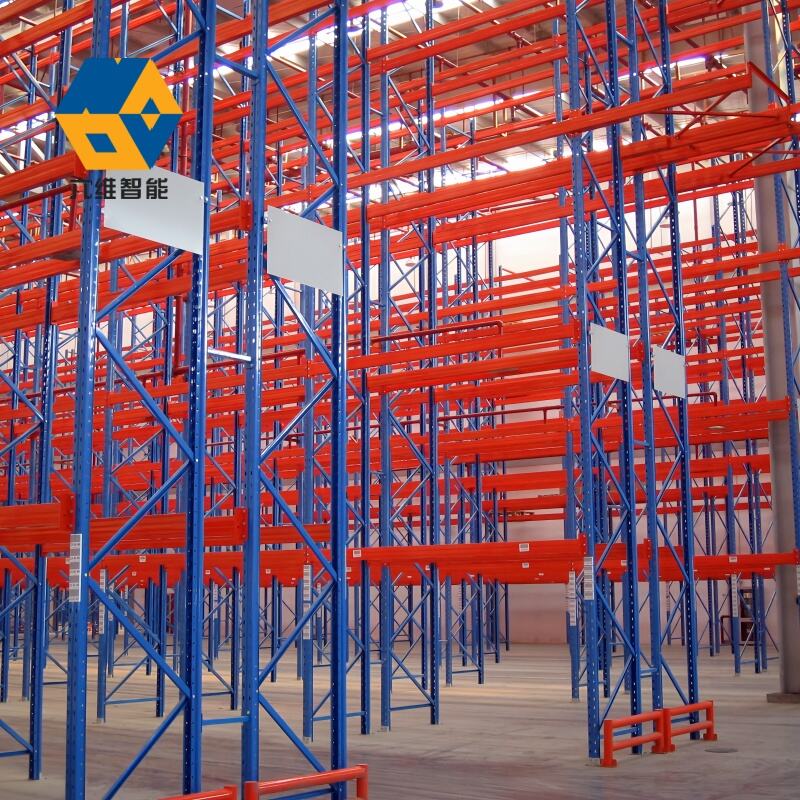
Warehouse safety is a critical operational priority for any facility that handles significant volumes of inventory, equipment, or materials. At the center of most modern warehouse safety strategies is the rack system — a structural solution that organizes storage, controls traffic flow, and minimizes hazards. When properly designed and installed, a rack system does far more than hold pallets; it actively shapes how workers, machinery, and products interact within a shared space. Understanding how a rack system contributes to safety standards is essential for warehouse managers, operations directors, and safety officers who want to build compliant, efficient, and accident-free environments.

The relationship between a rack system and warehouse safety standards is both structural and procedural. From load capacity engineering to aisle configuration and fall prevention, every aspect of a well-planned rack system plays a measurable role in reducing workplace incidents. This article explores the mechanisms through which a rack system supports safety in warehouses, the key design factors that reinforce compliance, and the practical considerations that operations teams must address when selecting, installing, and maintaining storage infrastructure.
The Structural Foundation of Warehouse Safety
How Load Capacity Engineering Prevents Structural Failure
One of the most direct ways a rack system supports warehouse safety is through its engineered load capacity. Each beam and upright in a professionally designed rack system is rated to carry specific weights, and these ratings are determined through rigorous testing and calculation. When warehouse operators respect these load limits and label each bay accordingly, the risk of structural collapse decreases dramatically. Overloading a rack system is one of the leading causes of catastrophic warehouse accidents, making capacity awareness a first-line safety measure.
A properly engineered rack system distributes weight evenly across its frame, reducing stress concentrations that could lead to beam failure or upright buckling. Engineers factor in not just static load, but also dynamic forces caused by forklift impacts, product retrieval, and environmental vibrations. This multi-factor approach ensures the rack system remains stable under real-world operating conditions rather than just theoretical test environments. Selecting a rack system with certified load ratings from a credible structural engineer provides a documented baseline for safety compliance.
Regulatory bodies in many countries require that load capacity signs be visibly posted on every rack system section. This is not merely a paperwork exercise — it ensures that workers at every level of the operation understand the physical limits of the storage infrastructure they are using. When a rack system is clearly labeled and workers are trained to read these labels, the entire facility benefits from a shared safety consciousness that reduces the likelihood of overload incidents.
Upright Frames and Their Role in Structural Integrity
The upright frames of a rack system are its backbone, and their design significantly influences how the entire structure responds to stress. High-quality uprights made from heavy-gauge steel provide the rigidity and resilience needed to withstand repeated use, minor impacts, and heavy loads over extended operational periods. Thin or poorly manufactured uprights may show early signs of deformation, which compromises the entire rack system and creates hidden dangers for workers operating nearby.
A rack system with properly anchored uprights is also more resistant to tipping or toppling during seismic activity or accidental forklift contact. Many safety standards require that rack systems be anchored to the warehouse floor using approved fastening systems, preventing the kind of sudden collapse that can cause serious injuries. The connection between the upright and the floor is a critical junction point, and even a single improperly anchored upright can compromise the stability of an entire rack bay.
Aisle Design and Traffic Management Through Rack Configuration
How Rack Layout Guides Safe Movement in Warehouses
The configuration of a rack system directly determines how aisles are formed, how wide they are, and how workers and equipment navigate the warehouse floor. Thoughtfully planned rack system layouts create clear, unobstructed pathways that reduce the chance of collisions between forklifts and pedestrians. Wide pick aisles, clearly marked traffic lanes, and strategically placed end-of-aisle barriers are all features that emerge from deliberate rack system design rather than afterthought safety additions.
In facilities where both pedestrian workers and powered industrial trucks operate in proximity, the rack system layout must account for sight lines, turning radii, and emergency egress routes. A well-configured rack system uses its physical structure to guide traffic naturally, reducing the need for excessive signage or barriers. When rack rows are aligned with traffic flow and aisles are consistent in width, workers can develop habitual movement patterns that reduce distraction-related accidents.
The end caps and row ends of a rack system are particularly vulnerable zones where forklift accidents most commonly occur. Installing column guards, end-of-row protectors, and safety mesh netting at these critical points transforms the rack system from a passive storage tool into an active safety feature. These additions are inexpensive relative to the cost of repairs or injury claims, and they significantly extend the service life of the rack system by absorbing impact before it reaches the primary structure.
Rack System Configuration and Emergency Accessibility
Emergency preparedness is a core component of warehouse safety standards, and the rack system layout must support, not obstruct, emergency response. Fire suppression systems, sprinklers, and emergency lighting must be compatible with the rack system's height and positioning. Warehouses that install rack systems without coordinating with fire safety planners may inadvertently block sprinkler coverage or emergency exit paths, creating compliance violations and genuine hazards.
Access routes for emergency personnel must remain unobstructed even in a fully loaded warehouse, and this requirement must be built into the rack system floor plan from the outset. End-of-aisle clearances, cross-aisle breaks, and emergency signage integration are all design decisions that affect both daily operations and emergency response capability. A rack system that accounts for emergency accessibility demonstrates a holistic approach to safety rather than a narrowly focused one.
Fall Prevention and Product Containment Features
Back Guards, Safety Nets, and Decking Options
One of the most significant hazards in any warehouse is the risk of products or pallets falling from elevated rack system levels. A rack system equipped with rear safety bars, back guards, and wire mesh decking dramatically reduces the likelihood of products migrating between bays and falling onto workers or equipment below. These containment features are especially important in high-traffic areas and in warehouses where products are stored in non-standard packaging that may not sit evenly on beams.
Wire mesh decking is one of the most widely adopted safety accessories for a rack system because it provides a solid surface for pallets while also allowing sprinkler water to pass through during a fire emergency. This dual function makes wire decking an ideal choice for facilities that must balance fire suppression compliance with fall prevention. Solid decking panels are an alternative for warehouses storing smaller items, though they must be paired with sprinkler system modifications to maintain fire safety compliance.
In multi-level rack system configurations, safety netting and anti-collapse mesh serve as a critical last line of defense against falling objects. These nets are anchored to the rack system frame and span the full bay width, catching products that may have been improperly placed or dislodged by vibration. Their presence not only protects workers below but also reduces product damage, delivering a safety and operational efficiency benefit simultaneously.
Seismic and Lateral Stability in the Rack System
In regions prone to seismic activity or in warehouses with high-vibration production environments, lateral stability of the rack system becomes a heightened safety concern. Cross-bracing panels, spine bracing, and row spacers are structural components that prevent lateral racking of the structure under horizontal load conditions. Without these stabilizers, even a well-built rack system can begin to lean or deform over time, especially when subjected to repeated minor impacts from forklifts or ground vibrations from nearby heavy machinery.
Properly braced rack system structures spread horizontal forces across a wider footprint, preventing localized failure in any single joint or weld point. This is particularly important in tall rack system configurations where the leverage effect of a small base displacement is amplified over height. Seismic ratings for rack systems are available in many markets, and selecting a system that meets the applicable seismic zone requirements is both a regulatory and a practical safety imperative.
Inspection, Maintenance, and Compliance Protocols
Regular Inspections as a Safety Cornerstone
A rack system does not maintain its safety performance automatically — it requires systematic inspection to identify damage, wear, and unauthorized modifications that can erode structural integrity over time. Most industry guidelines recommend a formal rack system inspection at least annually, performed by a qualified professional, in addition to informal daily or weekly checks by trained warehouse staff. Early detection of bent uprights, cracked welds, or missing safety pins allows for timely repairs before minor damage escalates into a serious hazard.
Post-incident inspections are mandatory whenever a forklift or other equipment strikes any part of the rack system, even if the impact appears minor. Internal damage to a steel upright is not always visible externally, and a compromised rack system component may support loads adequately until a secondary stress triggers sudden failure. Establishing a clear incident reporting and inspection protocol ensures that every impact on the rack system is assessed and documented, creating a safety record that also supports insurance and regulatory compliance purposes.
Staff Training and Safe Use Practices
No rack system can provide its full safety benefit if the workers who use it are not trained in proper loading practices, maximum weight limits, and damage reporting procedures. Training programs should cover how to read load capacity placards, how to identify signs of rack system damage, and when to remove a section from service pending repair. Workers who understand the structural logic of the rack system are more likely to handle inventory responsibly and report concerns proactively.
Forklift operators in particular must be trained on the specific rack system type in use at their facility, as different configurations — selective, drive-in, push-back — have different clearance requirements and operational sensitivities. A rack system that is appropriate for one type of lift truck may be unsuitable for another, and mismatched equipment use is a common source of rack damage. Ensuring operational alignment between warehouse equipment and rack system design is a foundational element of comprehensive safety management.
Documentation of training, inspection records, and repair logs for the rack system creates an auditable safety trail that satisfies regulatory requirements and demonstrates due diligence in the event of an incident investigation. Facilities that treat rack system safety as a living program — rather than a one-time installation decision — consistently achieve better safety outcomes and lower incident rates than those that take a static approach.
FAQ
What is the most important safety feature to look for in a rack system?
Load capacity certification and clearly posted weight limits are among the most critical safety features of any rack system. A certified rack system should also include column guards, proper floor anchoring, and, if applicable, wire mesh decking or rear safety bars to prevent product falls. These features collectively protect workers from the two most common rack-related hazards: structural collapse and falling objects.
How often should a rack system be inspected for safety compliance?
Industry best practices recommend a formal inspection of the rack system at least once a year by a qualified rack safety professional. In addition, warehouse staff should perform informal visual checks daily or weekly to identify obvious signs of damage such as bent uprights, missing pins, or displaced beams. Any section of the rack system involved in a forklift impact or other incident should be inspected immediately and removed from service if any damage is found.
Can a damaged rack system section continue to be used if the load looks stable?
No — a visibly or suspiciously damaged section of a rack system should never continue to be used based solely on the apparent stability of current loads. Internal damage to steel components is not always visible, and a compromised section may hold weight temporarily before failing suddenly. The correct procedure is to remove all load from the damaged rack system section, restrict access, and have it assessed by a qualified professional before returning it to service.
How does the layout of a rack system affect pedestrian safety in warehouses?
The layout of a rack system defines aisle widths, traffic flow direction, and the proximity between pedestrian zones and forklift operating areas. A well-planned rack system layout creates natural separation between foot traffic and powered equipment, reducing collision risk. Incorporating end-of-aisle protectors, clear sightlines at intersections, and defined pedestrian walkways as part of the overall rack system floor plan significantly improves pedestrian safety standards throughout the facility.