
 EN
EN
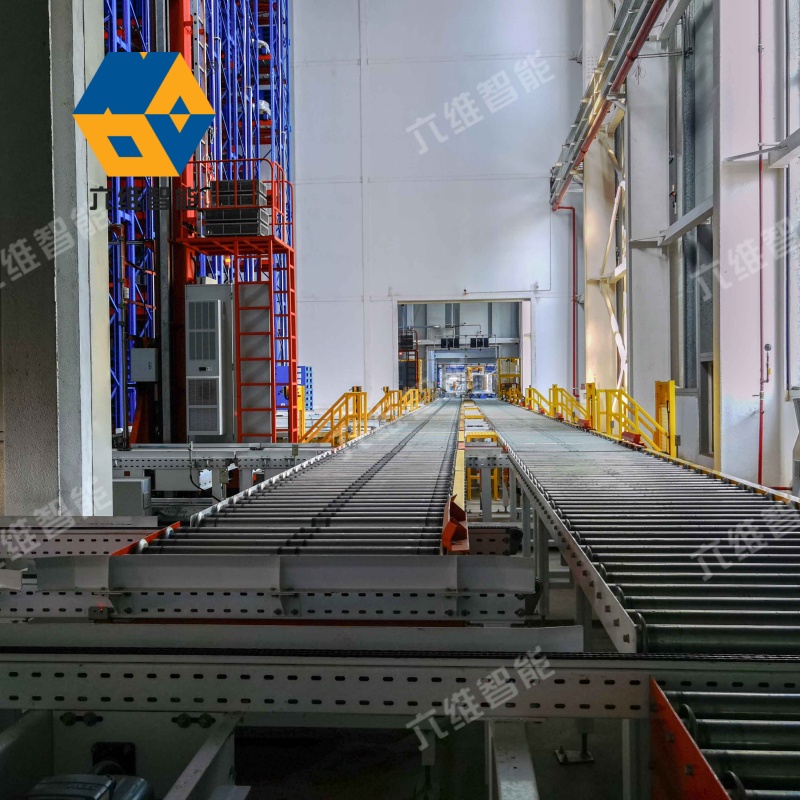
An automated warehouse represents a fundamental shift in how businesses manage inventory operations and gain real-time visibility into stock levels. Modern supply chains demand unprecedented transparency, and an automated warehouse delivers exactly that by eliminating manual tracking errors, reducing operational delays, and providing instant access to inventory data across all storage zones. When you implement an automated warehouse system, you're not just upgrading equipment—you're fundamentally transforming your ability to see, manage, and optimize your inventory at every moment.
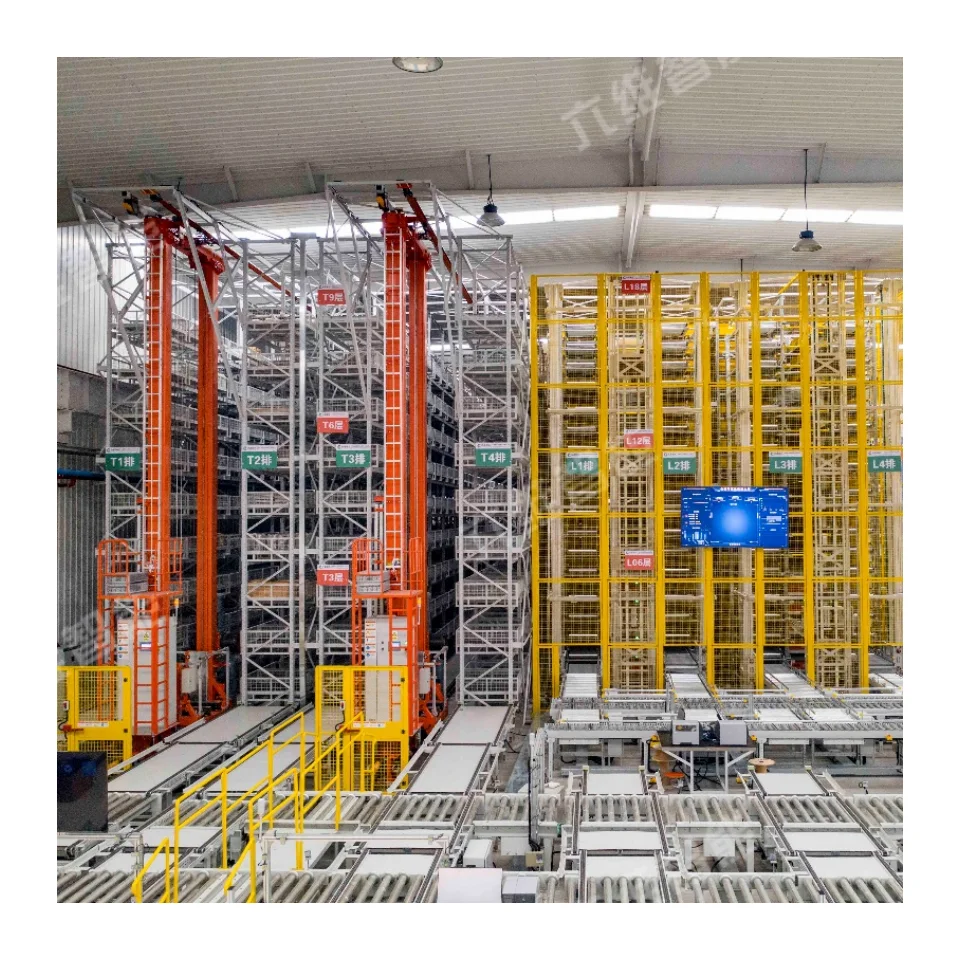
The challenge facing most warehouses today isn't storage capacity—it's visibility into where items actually are, what their condition is, and when they'll be needed. An automated warehouse solves this by connecting physical inventory movements with digital records in real time. This synchronization between physical and digital inventory creates a single source of truth that eliminates guesswork, reduces stock discrepancies, and enables faster, more accurate order fulfillment. Businesses that deploy an automated warehouse consistently report dramatic improvements in inventory accuracy, order cycle times, and customer satisfaction.
Core Benefits of Warehouse Automation for Inventory Visibility
Real-Time Data Integration Across All Operations
An automated warehouse continuously captures and reports inventory movement, eliminating the lag time between physical stock changes and system updates. Every item received, moved, or picked triggers an immediate database record, ensuring your inventory system always reflects actual stock levels. This real-time data integration means decision-makers can answer critical questions within seconds: How many units are currently in stock? Where are slow-moving items located? Which products need replenishment? An automated warehouse provides these answers automatically, transforming inventory management from reactive to proactive.
Reduction of Manual Errors and Discrepancies
Human error in warehouses typically causes inventory discrepancies ranging from 1% to 3% annually, leading to costly stock-outs or overstocking. An automated warehouse removes most manual touchpoints in the picking, placing, and counting processes. Automated systems don't misread barcodes, forget to log transactions, or misplace items due to fatigue or distraction. The result is inventory accuracy exceeding 99.5% in properly managed automated facilities. When you operate an automated warehouse, you eliminate the root causes of inventory visibility problems rather than continually battling the symptoms of inaccurate records.
How Warehouse Automation Enhances Operational Visibility
Centralized Tracking and Accessibility
An automated warehouse creates a unified control center where managers, planners, and operators access inventory data from any authorized device or location. Radio frequency identification (RFID) tags, barcode scanners, and automated storage systems feed information into a central database accessible via cloud-based dashboards. This centralization means no more scattered spreadsheets, isolated paper records, or conflicting inventory counts between departments. An automated warehouse ensures that procurement, sales, operations, and finance teams all work from identical, current information, dramatically improving coordination and reducing order-to-delivery cycle times.
Predictive Analytics and Demand Forecasting
An automated warehouse doesn't just track current inventory—it analyzes historical movement patterns to predict future demand with remarkable accuracy. Automated systems identify seasonal trends, supplier lead times, customer order patterns, and slow-moving stock automatically. This intelligence enables an automated warehouse to recommend optimal reorder points, prevent stock-outs, and minimize excess inventory. Businesses operating an automated warehouse can reduce carrying costs by 10% to 20% while simultaneously improving service levels and on-time delivery rates, creating a competitive advantage that compounds over time.
Implementation and Strategic Value of Warehouse Automation
Integration with Supply Chain Systems
Deploying an automated warehouse requires seamless integration with existing enterprise resource planning (ERP) systems, supplier networks, and customer order management platforms. An automated warehouse acts as the central hub where supply chain visibility begins, feeding accurate inventory data upstream to suppliers and downstream to customers. When properly configured, an automated warehouse enables end-to-end supply chain transparency, allowing companies to promise shorter delivery windows, reduce safety stock, and optimize working capital. The visibility gained from an automated warehouse extends beyond the warehouse walls, transforming the entire supply network into a responsive, data-driven operation.
Scalability and Future-Ready Operations
An automated warehouse is inherently scalable, accommodating business growth without proportional increases in inventory errors or operational complexity. As your business expands, an automated warehouse continues delivering consistent visibility without requiring exponential growth in headcount or manual processes. This scalability means an automated warehouse protects your competitive position as you grow, ensuring that faster volume doesn't compromise inventory accuracy or delivery performance. Companies recognize that investing in an automated warehouse today positions them to scale efficiently tomorrow while maintaining the inventory visibility that modern customers and supply chains increasingly demand.
FAQ
What specific improvements in inventory accuracy can we expect from an automated warehouse?
Most facilities implementing an automated warehouse achieve inventory accuracy improvements from current levels of 95-97% to above 99.5% within six months. These gains result from eliminating manual picking errors, preventing misplaced inventory, and ensuring every transaction is recorded electronically. An automated warehouse also enables cycle counting to occur continuously rather than requiring full physical inventory shutdowns, catching discrepancies before they impact operations.
How does an automated warehouse improve order fulfillment speed?
An automated warehouse reduces order picking times by 40% to 60% compared to manual operations by eliminating search time, travel distances, and verification delays. Real-time inventory visibility means the system immediately confirms stock availability, preventing delayed orders due to inaccurate records. An automated warehouse can also optimize picking routes and consolidate orders more efficiently, enabling many facilities to reduce order-to-shipment time from days to hours.
What is the typical ROI timeline for implementing an automated warehouse?
An automated warehouse typically generates positive return on investment within 18 to 36 months through labor savings, reduced inventory carrying costs, improved accuracy, and faster order fulfillment. An automated warehouse also prevents costly errors and stock-outs that directly impact revenue. The exact payback period for an automated warehouse depends on facility size, current inefficiencies, and product mix, but businesses consistently report that initial investment costs are recovered through operational improvements and working capital optimization.