
 EN
EN
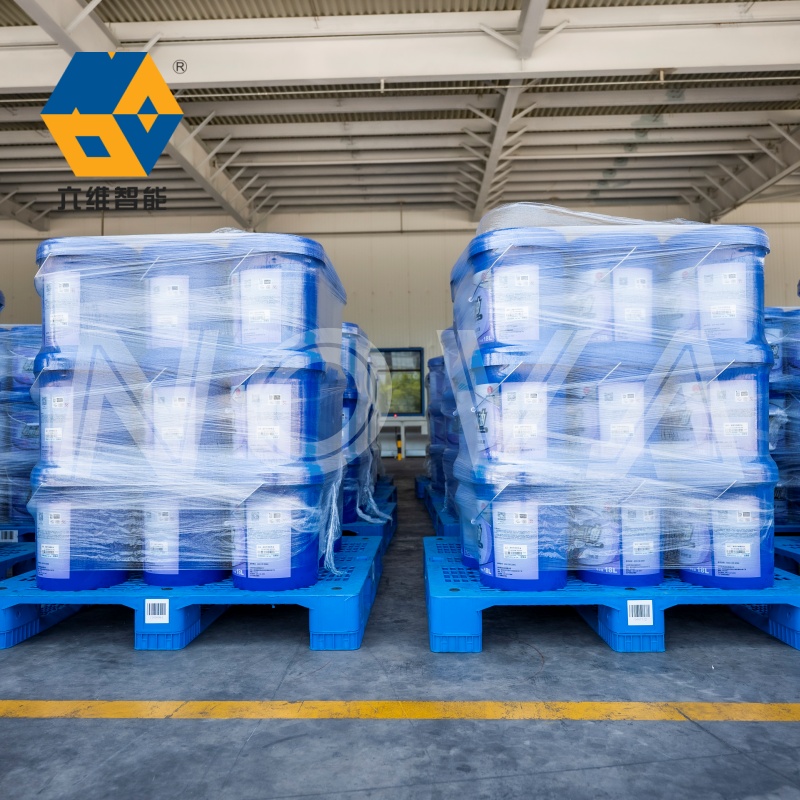
Inventory control is one of the most critical operational challenges facing modern warehouses, distribution centers, and manufacturing facilities. When inventory becomes difficult to track, locate, or manage accurately, the ripple effects are costly — from stockouts and overstocking to fulfillment delays and audit failures. An automated storage and retrieval system addresses these challenges at the operational core, replacing manual, error-prone workflows with precision-driven automation that transforms how inventory is stored, accessed, and monitored.
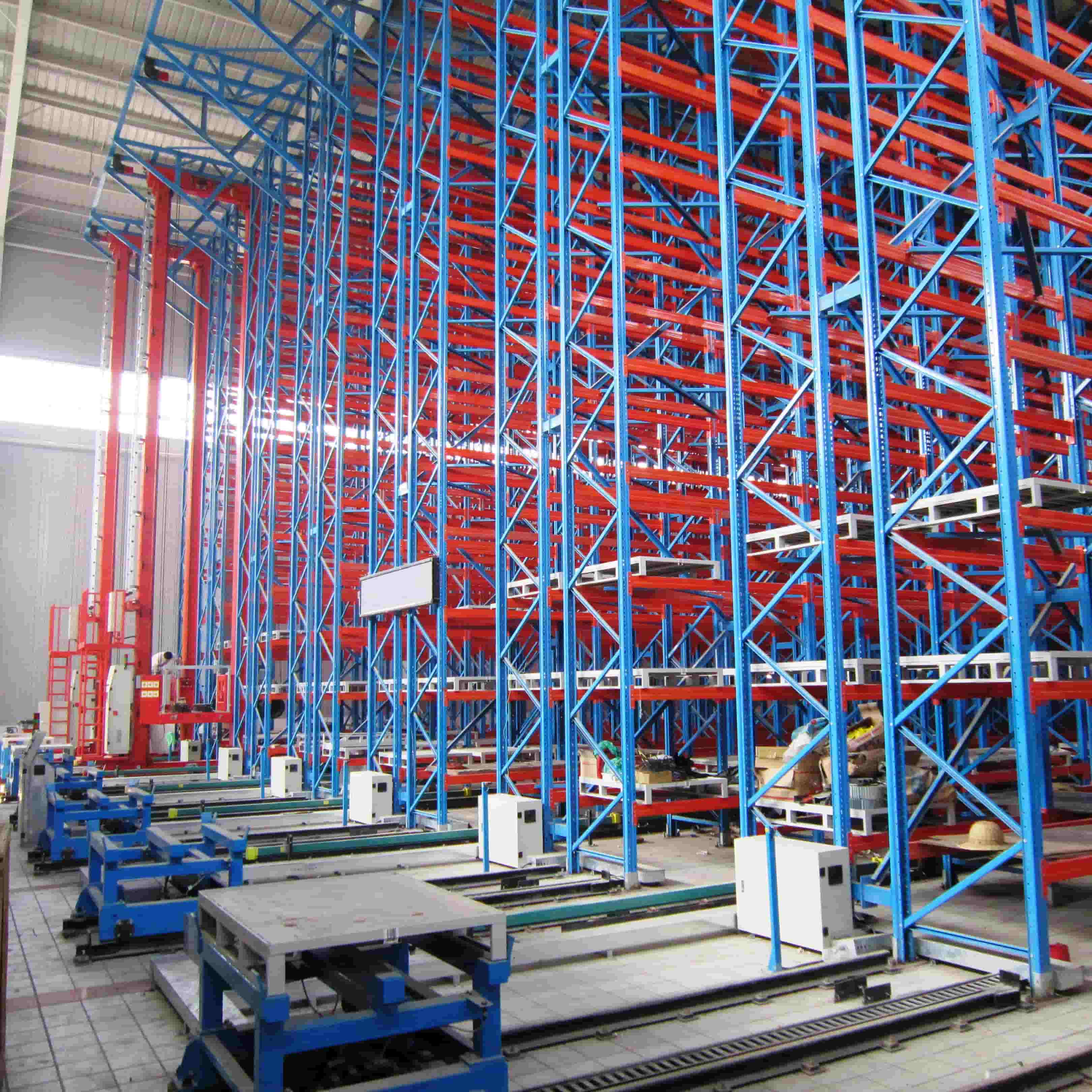
Understanding how an automated storage and retrieval system improves inventory control requires looking beyond the hardware itself. It is not simply about moving pallets or containers automatically — it is about creating a closed-loop information environment where every item stored has a precise location, a defined movement record, and a real-time status that feeds directly into warehouse management systems. This article breaks down the specific mechanisms through which an automated storage and retrieval system elevates inventory control accuracy, operational efficiency, and long-term supply chain reliability.
The Connection Between Automation and Inventory Accuracy
Eliminating Human Error in Put-Away and Retrieval
In traditional warehouse environments, human operators make put-away and retrieval decisions based on visual cues, paper-based records, or outdated digital entries. This creates constant opportunities for misplacement, mislabeling, and unrecorded movements. An automated storage and retrieval system eliminates this variability by assigning every SKU a specific location that is tracked and confirmed automatically during every transaction.
When a pallet or tote enters the system, the automated storage and retrieval system records its identity, weight, dimensions, and destination location without manual input. When that item is retrieved, the system confirms the correct unit is being moved before the retrieval cycle completes. This dual-confirmation logic drastically reduces the frequency of inventory discrepancies that accumulate over time in manual operations.
The downstream benefit is a dramatically higher inventory accuracy rate — often exceeding 99.9% in well-integrated deployments. This level of precision transforms how procurement and replenishment decisions are made, since planners can trust the data they are working with rather than adding safety buffers to compensate for unreliable records.
Real-Time Inventory Visibility Across All Storage Locations
One of the defining advantages of an automated storage and retrieval system is the continuous, real-time visibility it provides into inventory status. Unlike static snapshots produced by periodic cycle counts, the system updates inventory records dynamically as every put-away, retrieval, and transfer event occurs. This means that the inventory picture at any moment is genuinely current.
This real-time data feeds into warehouse management systems, ERP platforms, and production scheduling tools simultaneously, enabling every downstream function to make decisions based on live inventory positions rather than historical estimates. For businesses managing perishable goods, time-sensitive components, or seasonal inventory, this kind of visibility is not a luxury — it is a fundamental operational requirement.
The automated storage and retrieval system essentially functions as a continuous inventory audit engine, maintaining an unbroken data trail of every item's location and movement history. This simplifies compliance reporting, reduces shrinkage, and provides the forensic detail needed to investigate discrepancies when they do arise.
How an Automated Storage and Retrieval System Improves Space Utilization and Inventory Organization
Maximizing Vertical Storage Density
Effective inventory control is not just about knowing where items are — it is also about organizing them in a way that supports efficient access and minimizes retrieval time. An automated storage and retrieval system is engineered to use vertical space far more effectively than conventional rack-and-aisle configurations. By stacking inventory to heights that human operators cannot safely or efficiently reach, the system dramatically increases storage density within the same footprint.
Higher storage density has a direct inventory control benefit: when all storage is within a single automated system, there are no overflow areas, temporary staging zones, or ad-hoc storage locations that fall outside the inventory tracking perimeter. Every unit is accounted for within the system's controlled environment, which removes one of the most common sources of inventory discrepancy — items placed outside their designated tracking zones.
The stacker crane technology commonly integrated with an automated storage and retrieval system allows precise placement and retrieval at any rack level, maintaining consistent operational performance regardless of storage height. This mechanical consistency is part of what makes the system so reliable for inventory control purposes — the physical act of storing and retrieving is just as disciplined at row 50 as it is at row one.
Systematic Inventory Rotation and FIFO or LIFO Compliance
Inventory control policies such as first-in-first-out (FIFO) and last-in-first-out (LIFO) are notoriously difficult to enforce in manual warehouse environments. Operators under time pressure frequently retrieve whatever is most accessible rather than following the correct rotation logic. An automated storage and retrieval system enforces rotation rules systematically, without relying on human discipline or memory.
The system's control software assigns retrieval sequences based on the inventory control rule configured for each product class. When a FIFO retrieval is required, the system automatically selects the oldest unit in inventory without any operator intervention or override risk. This is particularly valuable for industries handling perishable products, pharmaceuticals, food ingredients, or any material with shelf-life or compliance requirements.
Consistent rotation enforcement also reduces waste and obsolescence, which are hidden costs that erode inventory control performance even when quantity records appear accurate. An automated storage and retrieval system ensures that what is being counted accurately reflects what can actually be used, not just what physically exists in storage.
Integration with Warehouse Management Systems for Deeper Inventory Intelligence
Closed-Loop Data Between the AS/RS and WMS
The inventory control improvements delivered by an automated storage and retrieval system are amplified significantly when the system is tightly integrated with a warehouse management system (WMS). The AS/RS provides granular, real-time transaction data that the WMS translates into actionable inventory intelligence — demand forecasting inputs, reorder alerts, space optimization recommendations, and fulfillment sequencing logic.
This closed-loop integration means that inventory adjustments triggered by inbound receipts, outbound shipments, or internal transfers are instantly reflected in both systems simultaneously. There is no batch reconciliation lag, no manual data entry step, and no window during which inventory records are temporarily unreliable. The automated storage and retrieval system and WMS operate as a unified information environment rather than two separate systems requiring periodic synchronization.
From an inventory control standpoint, this integration also enables exception-based management. Rather than reviewing entire inventory lists, managers receive alerts when specific conditions are met — when stock falls below reorder thresholds, when items approach expiration dates, or when a storage location exceeds its capacity parameters. This shifts inventory management from reactive firefighting to proactive control.
Supporting Demand-Driven Replenishment and Stock Optimization
An automated storage and retrieval system provides the data foundation needed to move inventory control from static safety stock models to dynamic, demand-driven replenishment strategies. Because the system maintains accurate, real-time records of what is in storage and how quickly different SKUs are turning over, planners have access to the granular consumption data needed to calibrate replenishment timing and quantities more precisely.
This reduces the tendency to hold excessive safety stock as a hedge against inventory uncertainty. When the inventory data is trustworthy and current, procurement teams can reduce buffer quantities without increasing stockout risk, freeing up working capital that would otherwise be tied up in inventory that sits unused for extended periods.
The automated storage and retrieval system essentially improves inventory control at the strategic level, not just the operational one. It transforms inventory from a difficult-to-manage asset into a precisely calibrated resource that can be aligned with actual demand signals rather than historical guesses or worst-case planning assumptions.
Operational Reliability and Audit Readiness
Continuous Cycle Counting Without Operational Disruption
Traditional cycle counting requires warehouse operations to pause while staff physically verify inventory quantities. This is time-consuming, disruptive, and still subject to the same human counting errors that create inventory discrepancies in the first place. An automated storage and retrieval system enables continuous inventory verification as a background function, running simultaneously with normal put-away and retrieval operations.
Every movement event in the system serves as an implicit cycle count confirmation. When an item is retrieved and its identity confirmed, the system simultaneously validates that the item was present in the expected location, in the expected quantity. Over time, this creates a comprehensive, continuously refreshed inventory verification record without any dedicated counting downtime.
For operations that face regulatory audit requirements, customer verification demands, or internal compliance standards, the automated storage and retrieval system's built-in audit trail provides the documentation depth needed to demonstrate inventory control rigor. Every transaction is timestamped, operator-attributed, and stored in the system log, making audit preparation significantly less burdensome.
Reducing Shrinkage and Unauthorized Access
Physical access control is a fundamental dimension of inventory security, and an automated storage and retrieval system is inherently restrictive in how inventory can be accessed. Because items are stored within enclosed automated racking structures and retrieved only through system-controlled mechanisms, unauthorized manual access is structurally prevented. This reduces both opportunistic theft and the well-intentioned but unrecorded ad-hoc retrievals that create inventory reconciliation headaches.
Every retrieval event requires a system transaction to initiate, which means every inventory movement is logged by default. There are no informal handoffs, no unofficial retrieval lanes, and no manual workarounds that fall outside the tracking perimeter. The automated storage and retrieval system creates a controlled inventory environment where access governance is embedded in the physical architecture of the system itself.
This structural access control is particularly valuable in high-value inventory environments — electronics components, pharmaceutical products, precision engineering parts, and other categories where even small quantities of shrinkage represent significant financial exposure. The automated storage and retrieval system makes inventory security a systemic property rather than a policy-dependent one.
FAQ
What types of inventory are best suited for an automated storage and retrieval system?
An automated storage and retrieval system performs well across a wide range of inventory types, including palletized goods, totes, cartons, and individual bins. It is particularly well-suited for high-SKU environments where inventory variety is large, for operations requiring strict rotation compliance, and for facilities managing high-throughput order fulfillment. Industries such as e-commerce, automotive parts distribution, cold chain logistics, and pharmaceutical warehousing are among the most common adopters because their inventory control requirements are demanding and the cost of inaccuracy is high.
How does an automated storage and retrieval system handle inventory discrepancies when they are detected?
When an automated storage and retrieval system detects a discrepancy — such as a weight mismatch, an unexpected empty location, or a barcode that does not match the expected SKU — it flags the exception for human review rather than completing the transaction automatically. This exception-handling logic prevents discrepancies from propagating through the inventory record. The system's transaction log provides detailed context for investigating the root cause, whether it was a receiving error, a labeling issue, or a prior unrecorded movement.
Can an automated storage and retrieval system integrate with existing ERP or WMS platforms?
Yes, most modern automated storage and retrieval system solutions are designed with open integration architecture that supports communication with major ERP and WMS platforms via standard protocols. The integration typically enables bidirectional data exchange, meaning inventory updates from the AS/RS are reflected in the ERP in real time, and replenishment or fulfillment orders generated in the ERP trigger retrieval sequences in the automated storage and retrieval system automatically. The specific integration complexity depends on the platforms involved and the degree of workflow automation required.
How long does it take to see inventory control improvements after implementing an automated storage and retrieval system?
Inventory accuracy improvements are typically visible within the first few weeks of full system operation, as the elimination of manual put-away and retrieval errors takes effect almost immediately. More strategic benefits — such as optimized safety stock levels, improved demand forecasting accuracy, and reduced shrinkage rates — generally become measurable within three to six months as the system accumulates sufficient operational history to inform data-driven adjustments. The timeline also depends on how thoroughly the automated storage and retrieval system is integrated with the broader warehouse and ERP ecosystem.
Table of Contents
- The Connection Between Automation and Inventory Accuracy
- How an Automated Storage and Retrieval System Improves Space Utilization and Inventory Organization
- Integration with Warehouse Management Systems for Deeper Inventory Intelligence
- Operational Reliability and Audit Readiness
-
FAQ
- What types of inventory are best suited for an automated storage and retrieval system?
- How does an automated storage and retrieval system handle inventory discrepancies when they are detected?
- Can an automated storage and retrieval system integrate with existing ERP or WMS platforms?
- How long does it take to see inventory control improvements after implementing an automated storage and retrieval system?