
 EN
EN
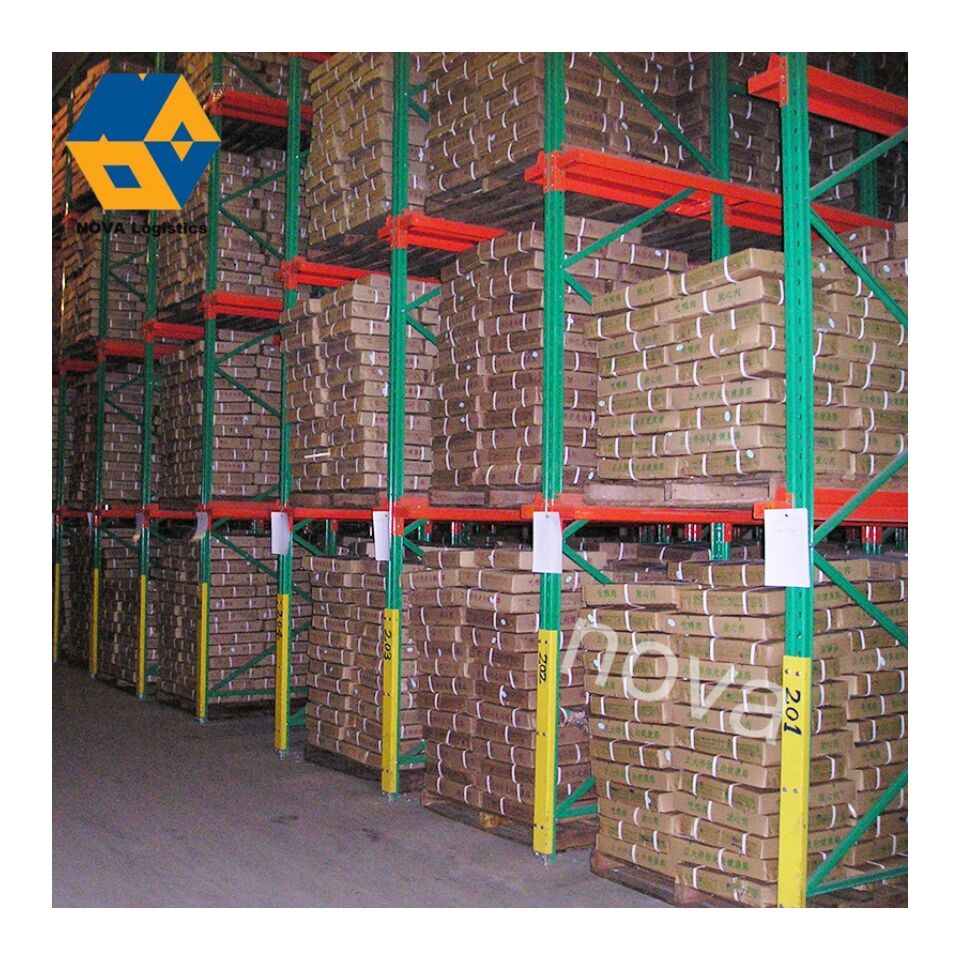
When warehouse managers face the challenge of storing large quantities of homogeneous products with limited floor space, the question of how to maximize every cubic meter becomes critical. drive in pallet racking has emerged as one of the most effective structural solutions for exactly this scenario. By eliminating the conventional aisle-per-row design that standard selective racking requires, this system fundamentally restructures how bulk inventory occupies warehouse space, enabling businesses to store significantly more product within the same four walls.
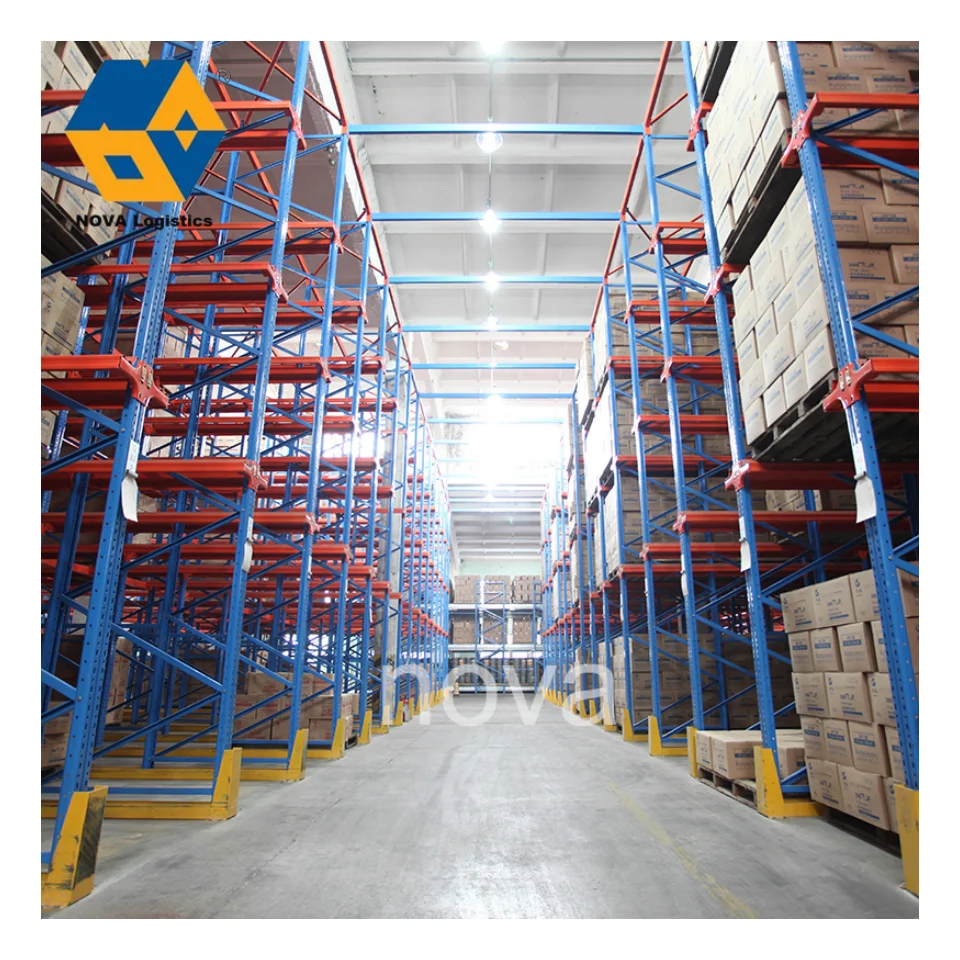
Understanding how drive in pallet racking improves bulk storage capacity requires looking at the mechanics of how the system is designed, how forklifts interact with it, and which specific operational conditions allow it to deliver its full potential. This article walks through the structural principles, capacity gains, operational considerations, and ideal use scenarios so that procurement managers, logistics planners, and warehouse operators can make well-informed decisions about whether this racking solution aligns with their storage goals.
The Structural Logic Behind Drive In Pallet Racking
How the Design Eliminates Wasted Aisle Space
Traditional selective pallet racking requires a dedicated access aisle for every single row, which means a large portion of the warehouse floor is devoted to movement rather than storage. Drive in pallet racking takes a fundamentally different approach by creating deep storage lanes into which forklifts physically drive to deposit or retrieve pallets. Instead of one pallet deep per side, each lane can hold anywhere from two to ten or more pallet positions in depth, depending on the warehouse layout and product requirements.
This depth-first design compresses multiple rows into a single structural block, requiring only one access point per lane rather than one aisle per row. The result is a dramatic reduction in the percentage of floor space lost to forklift travel. In many warehouse configurations, drive in pallet racking can reduce aisle requirements by up to 60% compared to selective racking, which directly translates into more positions available for actual inventory.
The system uses a series of rail guides mounted within each lane to support pallets on both sides, allowing the forklift to travel along the center of the lane without needing floor-level shelf beams blocking its path. This engineering choice is what makes the drive-in concept physically possible and structurally stable at the same time.
Vertical Space Utilization in Drive In Pallet Racking
Beyond the horizontal floor space savings, drive in pallet racking also improves how vertical height is used in a warehouse. Because the system is built as a continuous structural block with upright frames running the full height of the racking, it can be engineered to reach significant ceiling clearances. Many industrial installations use drive in pallet racking that extends to six meters, eight meters, or even higher, depending on the forklift capacity available on-site.
Each additional tier of storage within the same footprint represents a multiplier effect on total pallet positions. When you combine the reduction in aisle space with an increase in vertical tiers, the cumulative improvement in bulk storage capacity becomes substantial. A warehouse that previously housed 500 pallet positions with selective racking might accommodate 700 to 900 positions using a well-configured drive in pallet racking layout across the same square footage.
The structural framework of drive in pallet racking is engineered to handle the dynamic loads created when forklifts enter and exit the lanes, making it possible to safely build taller systems without compromising the integrity of the stored inventory above.
Capacity Gains in Real Warehouse Environments
Measuring the Actual Storage Density Improvement
The storage density improvement delivered by drive in pallet racking is not a theoretical figure — it reflects tangible changes in how many pallets a given building can physically hold. In bulk storage environments where SKU variety is low and volume per SKU is high, this system consistently outperforms alternatives in terms of pallets stored per square meter. Warehouses dealing with beverages, building materials, frozen goods, seasonal products, and paper goods are among those that regularly report the most pronounced capacity gains.
A practical way to understand the density improvement is to compare aisle-to-storage ratios. With standard selective racking, it is common for 40% to 50% of the warehouse floor to be devoted to forklift aisles. With drive in pallet racking, that ratio can drop to 20% or lower, meaning a far greater proportion of the building is actively storing product. This reallocation of floor space is one of the most direct ways the system improves bulk storage capacity.
The actual improvement varies based on lane depth, product weight, pallet dimensions, and forklift specifications, but even conservatively configured systems typically deliver a 30% to 50% increase in pallet positions over equivalent selective racking layouts. For high-volume distribution centers, that margin represents a meaningful reduction in the need for expanded facilities or external overflow storage.
Accommodating High-Volume SKU Replenishment Cycles
Drive in pallet racking is particularly effective in environments where large quantities of the same SKU arrive together and need to be stored in a compact block before fulfillment. Cold storage facilities, for example, often receive truckloads of a single frozen product that must be consolidated quickly and held at consistent temperatures. The deep-lane structure of drive in pallet racking allows entire shipments of the same item to fill one or several lanes completely, making replenishment cycles efficient and space use predictable.
Similarly, manufacturing facilities that batch-produce seasonal goods benefit from the block storage model that drive in pallet racking enables. Rather than spreading finished goods across multiple rows in a selective system, the deep lanes allow the product to be consolidated in a dedicated storage block that keeps inventory organized by production run, expiry date, or shipment batch.
This alignment between the storage system design and the replenishment cycle logic is what makes drive in pallet racking so effective for improving bulk storage capacity in practice, rather than just in theory.
Operational Considerations That Affect Capacity Outcomes
LIFO Inventory Flow and Its Impact on Lane Management
Drive in pallet racking operates on a last-in, first-out inventory flow model, which means the most recently stored pallet in a lane is the first one retrieved. For products where rotation sequence is not critical — such as non-perishable goods, construction materials, or items with long shelf lives — this flow model creates no operational difficulty and allows the system to operate at maximum capacity with minimal management overhead.
However, for products requiring strict first-in, first-out rotation, the basic drive in pallet racking design requires careful lane management to avoid rotation errors. Operators in such environments often address this by dedicating separate lanes to separate production or receipt dates, allowing the physical structure of the racking to support the inventory rotation logic even within the LIFO constraint.
Understanding this distinction helps warehouse planners decide how deep their lanes should be and how many lanes to allocate per SKU. Matching the inventory flow requirements to the lane depth is one of the most important operational decisions that determines whether drive in pallet racking delivers its full capacity potential on a day-to-day basis.
Forklift Compatibility and Aisle-Free Navigation
The performance of drive in pallet racking depends significantly on having the right forklift equipment to work within its lane structure. Counterbalance forklifts are the most common choice for drive-in systems because they can carry a pallet load while traveling forward into a lane without requiring side-shifting equipment. The width of the forklift mast must be compatible with the lane width to ensure smooth entry and exit without damaging the rail guides or uprights.
Lane width in a drive in pallet racking system is typically designed around the forklift's turning radius and mast clearance, which means the racking configuration and the forklift specification must be determined together during the planning phase. Using the correct forklift not only protects the structural integrity of the rack but also improves throughput speed, which directly supports the system's ability to handle bulk storage turnover efficiently.
Warehouse operators who integrate forklift training into their drive in pallet racking deployment consistently report fewer incidents of rack damage and higher utilization rates across their lanes, which contributes directly to the sustained capacity performance of the system over time.
Industries and Applications Where Drive In Pallet Racking Excels
Cold Storage and Temperature-Controlled Warehousing
One of the most compelling applications for drive in pallet racking is cold storage, where the cost of refrigerated or frozen space is significantly higher than ambient warehouse space. In these environments, every additional pallet position created by switching to a drive in pallet racking system translates directly into a reduction in the cost per pallet stored. The improved density that the system provides allows cold room facilities to be built smaller or to hold more product within existing refrigeration envelopes.
Cold chain logistics operations handling beverages, dairy products, frozen foods, and pharmaceutical goods have widely adopted drive in pallet racking precisely because the system's structural efficiency aligns so well with the economics of temperature-controlled storage. The ability to store a full pallet lane of the same frozen SKU without any intervening aisles also reduces the frequency of cold room door openings, which supports energy efficiency goals.
The system's steel construction is compatible with low-temperature environments and can be treated with appropriate coatings to resist condensation and corrosion, making drive in pallet racking a durable long-term investment for cold chain operators.
Seasonal and Buffer Stock Management
Retailers, distributors, and manufacturers that deal with significant seasonal demand fluctuations often struggle to manage inventory peaks within their permanent storage footprint. Drive in pallet racking provides an efficient solution by allowing large volumes of a single product — holiday merchandise, agricultural inputs, back-to-school supplies — to be stored in dense block configurations that make full use of available warehouse height and floor space during peak periods.
Because drive in pallet racking lanes can be filled completely during peak intake and then emptied systematically as product ships out, the system accommodates the natural cycle of bulk inventory builds and drawdowns without creating organizational complexity. This predictability makes it easier for warehouse managers to plan their space usage and maintain accurate inventory visibility even during high-velocity periods.
For businesses that rely on buffer stock strategies to protect against supply chain disruption, drive in pallet racking provides the physical density needed to maintain larger safety stock quantities without leasing additional space. This resilience value adds another dimension to the capacity argument beyond simple pallet count.
Planning and Configuring Drive In Pallet Racking for Maximum Capacity
Lane Depth, Block Size, and Layout Planning
Maximizing the capacity improvement from drive in pallet racking begins at the design stage with careful decisions about lane depth and block configuration. Longer lanes hold more pallets per entry point but require more time per retrieval cycle and increase the operational discipline required to manage inventory rotation. Shorter lanes improve access speed and rotation flexibility but reduce the storage density advantage compared to deeper configurations.
Most industrial warehouses achieve a practical balance with lane depths of four to eight pallets, though specific requirements vary by product type, throughput rate, and forklift capability. The block width — meaning how many lanes sit side by side in a single racking block — also affects both capacity and operational flow. Wider blocks increase storage density but require thoughtful lane assignment to avoid creating dead zones where product becomes difficult to access.
A detailed warehouse layout analysis, including ceiling height, column grid positions, dock door locations, and product mix data, should inform every drive in pallet racking configuration before installation begins. Investing in proper planning at this stage ensures that the system delivers the maximum possible capacity gain rather than underperforming due to avoidable layout constraints.
Structural Specifications and Load Ratings
The load-bearing capacity of drive in pallet racking must be matched precisely to the weight of the pallets being stored. Each upright frame, rail beam, and column protector must be specified to handle not only the static weight of stored inventory but also the dynamic loads introduced when forklifts move within the lanes. Undersized components create safety risks and structural degradation over time, while appropriately specified components ensure years of reliable, high-capacity operation.
Column protectors and entry guides at the front of each lane are essential components that protect the racking structure from forklift contact during daily operations. These protective elements help maintain the structural integrity of the system under real-world operating conditions, which is critical for sustaining the capacity performance that the installation was designed to deliver.
Working with a supplier who provides engineering drawings, load calculations, and installation support ensures that the drive in pallet racking system is correctly specified from the outset, reducing the risk of costly retrofits or safety incidents after commissioning.
FAQ
How much can drive in pallet racking increase storage capacity compared to selective racking?
Drive in pallet racking typically increases usable pallet positions by 30% to 50% or more compared to selective racking within the same warehouse footprint. The exact improvement depends on lane depth, ceiling height, aisle reduction achieved, and the specific layout configuration. In high-ceiling facilities with low SKU variety, the gains can be even more pronounced.
Is drive in pallet racking suitable for products with expiry dates or strict rotation requirements?
Drive in pallet racking operates on a last-in, first-out basis, which presents challenges for strict first-in, first-out rotation. Operators typically manage this by dedicating individual lanes to single production batches or receipt dates, ensuring that each lane is fully emptied before refilling. For applications where FIFO is non-negotiable and product volumes are very high, a drive-through configuration with entry and exit at opposite ends of the lane is an alternative worth evaluating.
What type of forklift works best with drive in pallet racking?
Counterbalance forklifts are the most commonly used equipment for drive in pallet racking because they can carry loads while traveling forward into and out of lanes. The forklift's mast width, lift height, and turning radius must be compatible with the lane dimensions of the specific racking system. It is important to finalize forklift specifications before or during the racking design phase to ensure proper lane clearances.
Can drive in pallet racking be installed in cold storage facilities?
Yes, drive in pallet racking is widely used in cold storage and freezer warehouse environments. The steel construction is compatible with low-temperature conditions, and appropriate surface treatments can be applied to manage condensation and corrosion. Cold storage is actually one of the most economically compelling applications for drive in pallet racking because the higher cost per square meter of refrigerated space makes every additional pallet position created by improved density particularly valuable.
Table of Contents
- The Structural Logic Behind Drive In Pallet Racking
- Capacity Gains in Real Warehouse Environments
- Operational Considerations That Affect Capacity Outcomes
- Industries and Applications Where Drive In Pallet Racking Excels
- Planning and Configuring Drive In Pallet Racking for Maximum Capacity
-
FAQ
- How much can drive in pallet racking increase storage capacity compared to selective racking?
- Is drive in pallet racking suitable for products with expiry dates or strict rotation requirements?
- What type of forklift works best with drive in pallet racking?
- Can drive in pallet racking be installed in cold storage facilities?