
 EN
EN
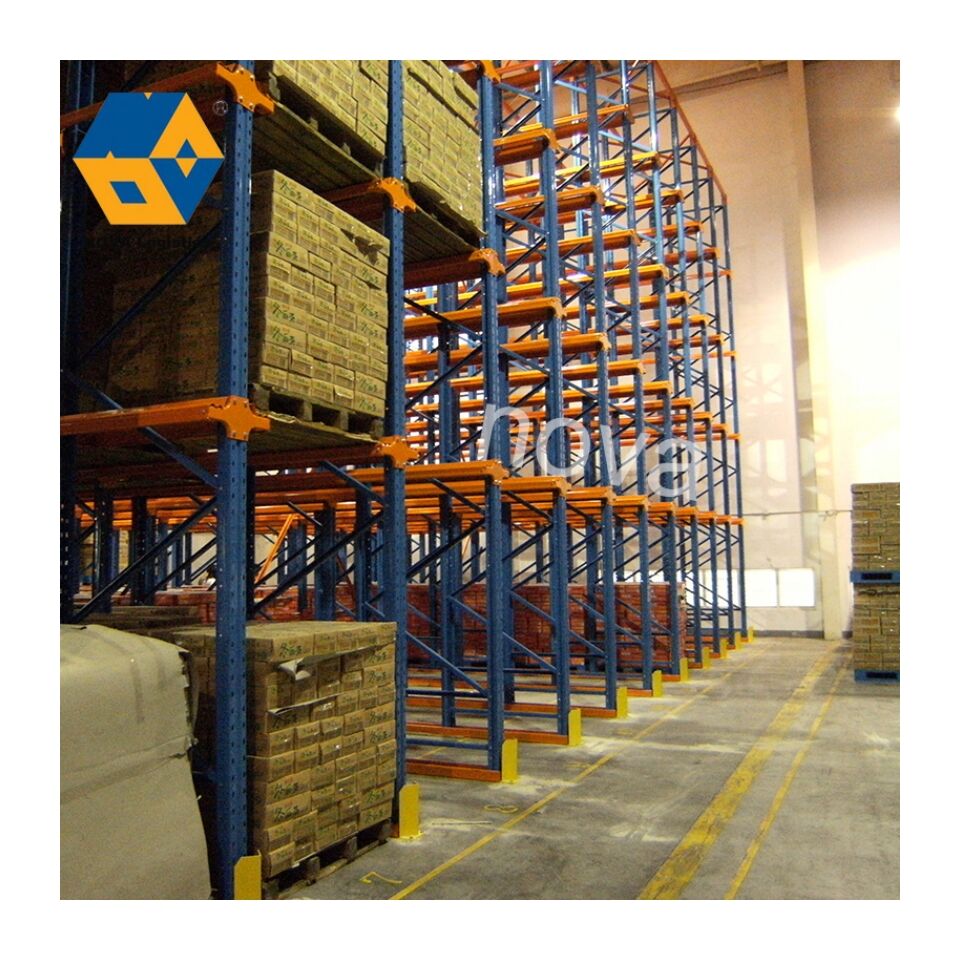
In any high-density warehouse operation, the structural integrity of your storage system is non-negotiable. Drive in pallet racking is one of the most space-efficient storage solutions available for facilities handling large quantities of homogeneous products, but its design also makes it particularly susceptible to damage from forklift impacts and accumulated wear. Unlike selective racking where each bay is easily accessible from the front, drive in pallet racking requires forklifts to physically enter the rack structure, creating repeated contact points that can degrade components over time. Understanding what maintenance practices genuinely extend the lifespan of this system is essential for any warehouse manager serious about operational safety and return on investment.
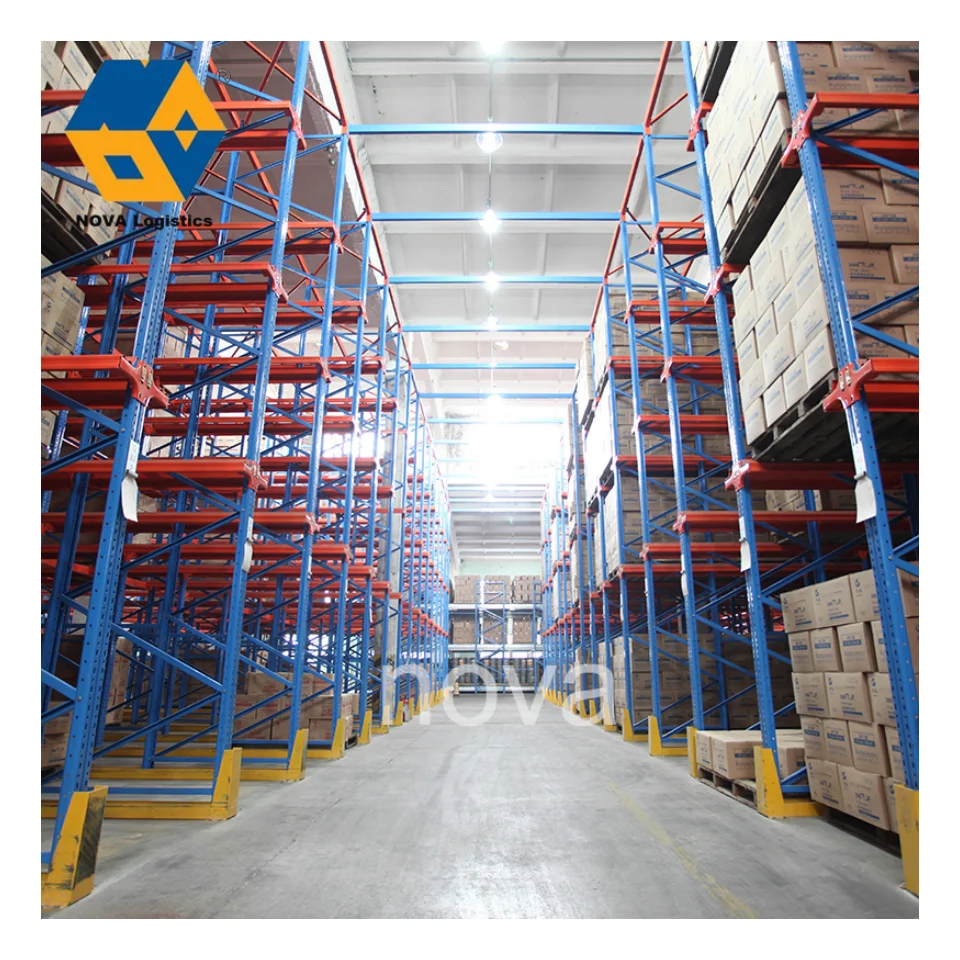
The lifespan of a drive in pallet racking system is not determined solely by the quality of steel used in its construction. It is equally shaped by how consistently the system is inspected, how quickly damage is identified and repaired, and how well operators are trained to interact with the structure. A well-maintained drive in pallet racking system can serve a warehouse reliably for decades, while a neglected one may develop dangerous structural compromise within just a few years. The following maintenance guidance addresses the most critical areas that determine how long your system will perform safely and effectively.
Routine Inspection Practices for Drive In Pallet Racking
Establishing a Regular Inspection Schedule
One of the most impactful maintenance decisions a warehouse operator can make is committing to a structured inspection schedule for their drive in pallet racking. Unlike open-frame racking systems, drive in configurations have internal structural members that can sustain damage deep within the bays where it may go unnoticed during casual walkthroughs. A formal inspection regime should include daily visual checks by floor staff, weekly reviews by supervisors, and comprehensive formal inspections by a qualified person at least once per year. Each tier of inspection should have a documented checklist specific to the components of drive in pallet racking, including upright frames, rail beams, bracing, and floor anchors.
During daily checks, staff should look for obvious signs of impact such as bent uprights, displaced rail supports, or leaning frame columns. Even minor deformations in drive in pallet racking components can signal structural weakness that may compound under load. The forklift entry and exit zones at the front of each bay lane deserve particular attention because these are the highest-contact areas. Supervisors performing weekly checks should look beyond surface damage to assess anchor bolt integrity, the condition of protective guards at column bases, and whether any components show signs of ongoing corrosion. Keeping records of every inspection creates a traceable history that helps identify recurring problem zones within the rack layout.
Identifying and Classifying Damage Correctly
Not all damage to drive in pallet racking carries the same risk level, which is why correct damage classification is a critical part of any maintenance program. Most established racking safety standards use a traffic-light classification system: green for acceptable minor damage, amber for damage requiring monitoring and scheduled repair, and red for damage requiring immediate unloading and repair before continued use. Applying this framework consistently across your drive in pallet racking system ensures that decision-making is objective rather than based on guesswork or operational pressure to keep bays in use.
Upright columns are among the most structurally sensitive components in drive in pallet racking because they bear the cumulative vertical load of all pallets stored above. A bend or dent on an upright that exceeds the manufacturer's specified tolerance should immediately be flagged as red-level damage and the affected bay taken out of service. Rail beams within the structure are also prone to displacement from forklift contact during loading and unloading cycles. If a rail beam has shifted from its designed position, even slightly, it changes load distribution across the entire bay and can create a cascading risk. Accurate damage classification helps prioritize repairs without unnecessarily halting operations across unaffected areas of the warehouse.
Protective Measures That Reduce Damage Accumulation
Installing and Maintaining Physical Protection Devices
Prevention is far more cost-effective than repair when it comes to drive in pallet racking maintenance. Physical protection accessories are specifically designed to absorb or deflect the impact energy that would otherwise transfer directly to structural steel components. Column guards, also known as upright protectors, are installed at the base of each frame column and are the single most impactful protective device you can add to a drive in pallet racking system. These guards are typically made from high-density polyethylene or steel and are designed to be sacrificial — meaning they absorb impact and can be replaced far more cheaply than an upright column.
End-of-aisle guards and bay entry guides are equally important for drive in pallet racking because the front opening of each bay lane is where forklifts make their most frequent approach movements. Guide rails installed along the floor within the drive-in lane help forklift operators maintain alignment as they travel deep into the bay, significantly reducing the chance of sidewall contact. These guides should be inspected regularly to ensure they remain securely anchored and have not themselves been bent out of alignment by repeated contact. Maintaining protection devices in good condition is just as important as having them installed — a damaged guard that has shifted from its original position may no longer intercept the impact zone it was designed to cover.
Floor Surface and Anchor Integrity Maintenance
The floor is the foundation of every drive in pallet racking system, and its condition directly affects both the structural performance of the rack and the safety of forklift operations within it. Cracked, uneven, or deteriorated concrete floors can cause upright columns to shift slightly from their anchored positions under load, which in turn compromises the load-bearing alignment of the entire system. Regular inspection of floor surfaces beneath and around drive in pallet racking installations should be part of every maintenance cycle, with any surface damage near anchor points being a priority repair.
Anchor bolts are what connect the drive in pallet racking uprights to the warehouse floor, and their condition is fundamental to system stability. Over time, repeated impacts and vibration from forklift movement can cause anchor bolts to loosen. A maintenance check should include physically testing anchor bolt tightness using a torque wrench and comparing the readings against the manufacturer's specified torque values. If bolts are found loose, they must be re-torqued immediately, and if the surrounding concrete shows signs of cracking around the anchor point, a structural assessment may be needed before the bay is returned to service. Neglecting anchor integrity is one of the most dangerous oversight failures in drive in pallet racking maintenance.
Load Management and Operational Discipline
Respecting System Load Ratings at All Times
Every drive in pallet racking system is engineered to a specific load capacity, and consistently operating within those limits is one of the most straightforward ways to extend system lifespan. Overloading does not just create immediate collapse risk — it also introduces sustained stress on structural members that accelerates metal fatigue, deforms connection points, and compromises the long-term integrity of weld joints. Load rating plaques should be clearly displayed on every bay of the drive in pallet racking system, and warehouse supervisors should have processes in place to verify that pallet weights are within the approved limits before loads are entered.
In drive in pallet racking configurations, load distribution across the depth of a bay is particularly important because pallets are stored on continuous rail beams that span the entire depth of the lane. If the heaviest pallets are consistently stored at the back of a bay while the front positions carry lighter loads, the rail beam loading becomes uneven and may cause differential deflection that stresses connection hardware over time. Warehouse managers should establish clear load placement protocols that distribute weight evenly across bay depths and regularly audit whether those protocols are being followed during daily operations.
Forklift Operator Training and Operating Procedures
The behavior of forklift operators is one of the most significant factors determining how much wear and damage accumulates on a drive in pallet racking system over its operational life. Drive-in operations require operators to navigate a tight enclosed lane at low speed with precision, and even well-intentioned operators can cause structural damage if they have not been specifically trained on the correct procedures for this type of rack. Training programs should include instruction on approach speed, lane alignment, load height clearance, and the correct procedure for backing out of a bay without contact.
Refresher training is just as important as initial training for operators who regularly work with drive in pallet racking. Familiarity can breed complacency, leading experienced operators to rush movements that require careful precision. Implementing a policy that requires operators to report any contact with racking immediately — without fear of penalty — creates a culture of transparency that helps maintenance teams catch damage early. When operators know that reporting a minor impact protects both their colleagues and the business, they are far more likely to flag incidents that might otherwise go unnoticed until the damage becomes serious.
Repair Protocols and Component Replacement Standards
When to Repair Versus When to Replace Components
A clear protocol for deciding when a damaged component can be repaired in place versus when it must be fully replaced is essential for maintaining a safe drive in pallet racking system. The general principle across most racking safety standards is that structural members — particularly upright columns — should never be straightened or welded in place as a repair method after impact damage. Steel that has been bent loses a portion of its original yield strength even after straightening, meaning a repaired upright will not perform identically to an undamaged one under the same load. For drive in pallet racking specifically, where columns bear the full vertical load stack of a deep storage lane, compromised uprights represent an unacceptable risk.
Component replacement should always use parts specified by the original rack manufacturer or a supplier that can confirm compatibility with the existing system's engineering specifications. Mixing components from different manufacturers within the same drive in pallet racking bay can create dimensional mismatches that affect load transfer paths and connection security. Always obtain written confirmation that replacement parts meet the structural requirements of the installed system, and document all replacements for the rack's maintenance record. Keeping a spare parts inventory of commonly damaged items such as column guards, rail supports, and safety pins reduces downtime when repairs are needed.
Post-Repair Inspection and Load Testing
After any structural repair or component replacement on a drive in pallet racking system, the affected bay should undergo a formal post-repair inspection before being returned to full operational use. This inspection should verify that all replaced components are correctly installed, that connections are fully secured, that protective devices have been reinstated, and that the repaired area is visually plumb and level. A qualified person — someone with documented knowledge of racking safety standards — should sign off on the inspection before loads are re-introduced to the repaired section.
For significant structural repairs involving uprights or bay frames, a phased return to service may be appropriate. This means initially loading the repaired bay to a reduced capacity and monitoring it over several operational cycles before allowing full load reinstatement. This cautious approach is particularly relevant for drive in pallet racking bays that are deep and carry multiple pallet positions per lane, where any residual structural weakness will be exposed to sustained high loading almost immediately upon return to service. Documenting the post-repair inspection and the return-to-service process creates a defensible maintenance record that supports safety compliance and insurance requirements.
Long-Term Maintenance Planning for Drive In Pallet Racking
Creating a Proactive Maintenance Calendar
Moving from reactive maintenance — fixing things only after damage is found — to proactive maintenance is a major step toward extending the service life of drive in pallet racking infrastructure. A proactive maintenance calendar integrates inspection cycles, protective device replacement schedules, operator training refreshers, and annual professional assessments into a single coordinated plan. This approach ensures that no aspect of racking upkeep is left to chance or overlooked during busy operational periods. For warehouse managers overseeing large drive in pallet racking installations, a digitized maintenance tracking system can simplify scheduling, generate reminders, and store inspection records in a searchable format.
The maintenance calendar should also account for the operational intensity of the facility. A warehouse running two shifts per day with heavy forklift activity will accumulate wear on its drive in pallet racking far more quickly than a facility with lighter usage patterns. Calibrating inspection frequency to actual operational intensity — rather than using a generic annual schedule — ensures that high-use bays receive the additional attention they need. Tracking which bays show the highest frequency of damage reports over time also helps facilities management make informed decisions about whether the bay layout, pallet flow design, or forklift routing needs to be adjusted to reduce recurring structural stress.
Engaging Qualified Professionals for Periodic Assessments
While in-house inspection routines form the backbone of ongoing drive in pallet racking maintenance, periodic formal assessments by external qualified racking inspectors provide an independent perspective that internal teams may not be able to deliver objectively. External assessors bring familiarity with current safety standards, experience across multiple facility types, and no operational bias toward keeping bays in service when they should be taken out of use. Scheduling an external assessment annually — or after any significant incident such as a forklift collision or partial structural failure — is a widely accepted best practice in warehouse safety management.
The outcome of a formal external assessment for drive in pallet racking should be a written report that classifies all identified damage, recommends specific remedial actions with priority ratings, and provides guidance on whether any bays should remain out of service pending repairs. This report becomes a key document in the facility's safety file and can be referenced during insurance reviews, regulatory audits, and internal risk assessments. Acting promptly on the recommendations of a qualified inspector — rather than deferring repairs until the next budget cycle — is one of the most concrete ways that warehouse operators demonstrate their commitment to both employee safety and the long-term performance of their storage infrastructure.
FAQ
How often should drive in pallet racking be formally inspected?
Most racking safety guidance recommends a minimum of one formal inspection per year conducted by a qualified person, supplemented by regular in-house visual checks. High-traffic facilities or those with a history of forklift incidents should consider more frequent formal reviews. Daily visual checks by floor staff and weekly checks by supervisors form the foundation of an effective ongoing inspection routine for drive in pallet racking.
What are the most common causes of damage to drive in pallet racking?
The most frequent causes of structural damage to drive in pallet racking are forklift contact with upright columns during lane entry and exit, overloading beyond the system's rated capacity, and the use of incorrectly sized pallets that make contact with rail beams. Anchor bolt loosening due to vibration and corrosion from poor environmental conditions are also common issues that can compromise the system's structural performance over time.
Can damaged upright columns in drive in pallet racking be repaired by straightening?
No. Standard industry guidance consistently advises against straightening bent upright columns as a repair method for drive in pallet racking. Once steel has been deformed by impact, it loses a portion of its original structural integrity even after straightening. Damaged uprights should be replaced with manufacturer-specified components, and the affected bay should be taken out of service until the replacement is complete and a post-repair inspection has been carried out.
Does forklift operator behavior really affect drive in pallet racking lifespan significantly?
Yes, forklift operator behavior is one of the most influential factors in determining how quickly drive in pallet racking sustains wear and damage. Precise, trained operators who approach lanes slowly, maintain correct alignment, and report minor impacts promptly contribute substantially to extended rack lifespan. Facilities that invest in regular operator training and create open incident-reporting cultures typically see lower rates of structural damage and reduced maintenance costs across their drive in pallet racking installations over time.
Table of Contents
- Routine Inspection Practices for Drive In Pallet Racking
- Protective Measures That Reduce Damage Accumulation
- Load Management and Operational Discipline
- Repair Protocols and Component Replacement Standards
- Long-Term Maintenance Planning for Drive In Pallet Racking
-
FAQ
- How often should drive in pallet racking be formally inspected?
- What are the most common causes of damage to drive in pallet racking?
- Can damaged upright columns in drive in pallet racking be repaired by straightening?
- Does forklift operator behavior really affect drive in pallet racking lifespan significantly?