
 EN
EN
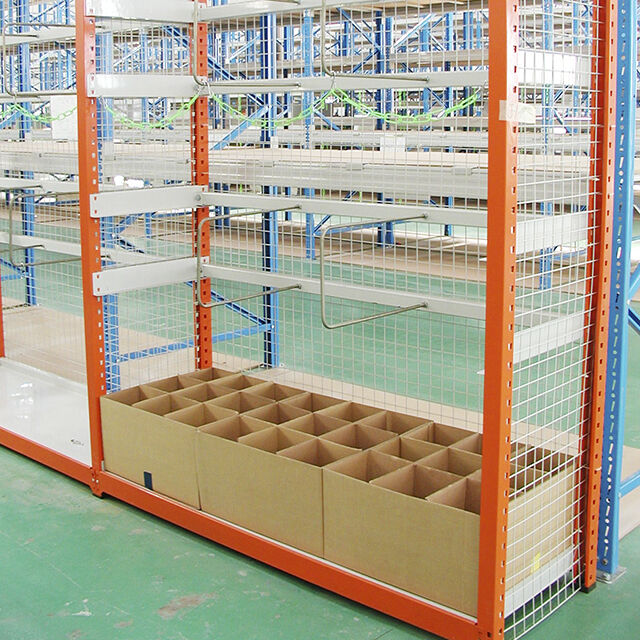
A well-maintained rack shelf is the backbone of any efficient warehouse or industrial storage environment. Whether you are running a high-density distribution center, a manufacturing facility, or a spare parts depot, the structural integrity of your rack shelf system directly affects operational safety, inventory accuracy, and long-term cost control. Instability in storage racks is rarely sudden — it typically develops gradually through daily operational wear, impact damage, improper loading, and neglected inspections. Understanding the maintenance strategies that keep your rack shelf stable is therefore not optional; it is a core responsibility for facility managers and warehouse supervisors.
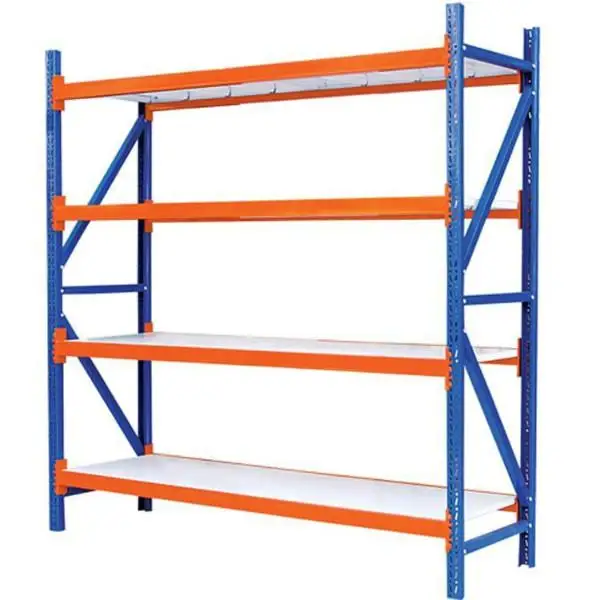
The question of what maintenance strategies actually improve rack shelf stability is both practical and multidimensional. It covers everything from routine visual inspections and load management to professional damage assessments and component replacement cycles. In this article, we explore the most effective, evidence-based approaches that warehouse operators use to extend the service life of their rack shelf systems, reduce unplanned downtime, and maintain a safe working environment for personnel at all times.
Understanding the Root Causes of Rack Shelf Instability
Structural Wear from Daily Operations
Every rack shelf in an active warehouse is subject to repeated stress from loading, unloading, and forklift maneuvering. Over time, this cyclical stress introduces micro-deformations in the steel frame that are not always visible to the naked eye. Beams may begin to bow slightly, and upright columns can develop minor lean angles that accumulate into significant instability if left unaddressed. Recognizing that operational wear is a constant force allows facility managers to build proactive maintenance schedules rather than waiting for visible damage to appear.
The weight distribution on a rack shelf also plays a critical role. Consistently overloading one side of a shelf or concentrating weight at the center of a beam rather than distributing it evenly accelerates deformation. Industrial metal shelving, including medium-duty longspan systems commonly used in spare parts and auto parts storage, is designed for specific load ratings per shelf level. Exceeding these ratings — even intermittently — weakens the structural connection points between beams and uprights, compromising the entire bay's stability over time.
Impact Damage and Forklift Collisions
Forklift impact is one of the leading causes of rack shelf instability in warehouses worldwide. Even low-speed collisions with upright columns can deform the steel in ways that compromise load-bearing capacity significantly. A column that appears structurally sound after impact may have lost a substantial portion of its rated load capacity, creating a hidden hazard that could lead to collapse under normal operating loads. This is why impact damage must be treated as an urgent maintenance trigger rather than a cosmetic issue.
Post-collision inspection protocols should be standard in any warehouse that operates powered industrial trucks. After any confirmed impact with a rack shelf structure, the affected bay should be immediately off-loaded and assessed by a qualified person before returning to service. Column protectors and end-of-aisle guards are effective preventive investments, but they complement rather than replace rigorous inspection and response protocols.
Routine Inspection Protocols That Protect Rack Shelf Systems
Establishing a Consistent Inspection Schedule
A consistent inspection schedule is the foundation of any maintenance strategy aimed at preserving rack shelf stability. Inspections should occur at multiple intervals: brief daily visual checks by warehouse floor staff, weekly supervisory walkthroughs, and formal quarterly or annual professional assessments. Each level of inspection serves a different purpose and catches different categories of defects, together forming a comprehensive monitoring system. The daily check, even if only a few minutes per aisle, creates the real-time awareness that allows early intervention before minor issues become structural failures.
During formal inspections, assessors should examine upright columns for bending, twisting, or perforation damage; horizontal beams for deflection or connector lock failure; base plates for secure anchoring to the floor; and shelf decking for signs of overloading or material fatigue. Any rack shelf component showing damage beyond acceptable tolerance levels should be tagged, de-loaded, and scheduled for replacement. Industry safety guidelines generally provide tolerance tables for column deformation, and these should be referenced during every formal assessment cycle.
Documentation and Damage Reporting Systems
Effective maintenance of a rack shelf system requires not just inspection but systematic documentation. Without a clear record of when damage was first observed, what corrective action was taken, and when repairs were completed, patterns of recurring damage go unnoticed and structural risks are underestimated. A simple digital log — or even a structured paper-based system — that records every inspection finding, damage report, and repair action provides the data needed to make better decisions about maintenance intensity, replacement timing, and operational adjustments.
Documentation also supports accountability at multiple levels of the organization. When front-line staff know their inspection findings are being recorded and acted upon, they are more likely to report damage honestly and promptly. When managers can review historical damage records for a specific rack shelf bay, they can identify whether repeated damage in the same location signals a need for operational change — such as adjusting traffic lanes or modifying loading procedures — rather than just another repair cycle.
Load Management as a Stability Strategy
Adhering to Manufacturer Load Ratings
Every rack shelf system is engineered with specific load ratings per beam level and per bay. These ratings are not conservative suggestions — they are structural limits derived from tested material performance and connection geometry. Exceeding load ratings, even with dense but individually light items, introduces cumulative stress that degrades the system over time. For medium-duty industrial racking used in auto parts storage or longspan shelving configurations, proper load management is especially important because operators often store items of irregular shape and variable weight, making it easy to misjudge actual loads.
Load rating placards should be clearly displayed on every rack shelf bay and updated whenever the configuration is modified. Staff who load shelves must be trained to understand these limits and to distribute weight evenly across the full depth and width of each shelf level. When storage needs evolve and existing racks begin operating near their limits consistently, it is more cost-effective and safer to expand the system than to compromise structural margins.
Weight Distribution Practices That Reduce Beam Stress
Even within rated load limits, poor weight distribution is a common source of premature rack shelf degradation. Placing all heavy items in the center of a beam concentrates bending stress at its weakest point, while distributing the same weight evenly across the beam length reduces peak stress significantly. Industrial shelving systems, including longspan configurations used for bulky spare parts storage, are designed with this principle in mind, but the design only works as intended when loading practices align with it.
Operators should also pay attention to vertical load distribution within a bay. Heavier items should always be stored on lower shelf levels, reducing the height of the system's center of gravity and improving overall stability. This is particularly relevant in tall rack shelf systems where top-heavy loading increases the risk of tipping during seismic events or accidental lateral impacts. Training warehouse staff on these distribution principles as part of standard operating procedures is a low-cost, high-impact maintenance strategy.
Component Replacement and Preventive Upgrades
Identifying When Components Need Replacement
Even with excellent load management and regular inspections, individual components of a rack shelf system will eventually reach the end of their service life. Uprights, beams, connectors, and shelf decking all have finite fatigue cycles, and recognizing the replacement threshold for each is a key maintenance competency. Visible deformation beyond published tolerance limits, corrosion that has compromised cross-section thickness, and connector lock mechanisms that no longer engage reliably are all clear indicators that replacement is necessary rather than optional.
Replacement components for a rack shelf system should always match or exceed the original specifications in terms of material grade, dimension, and load rating. Substituting components from different system families or using fabricated repairs on structural members is a dangerous practice that can create unpredictable failure modes. When sourcing replacement parts, operators should work with suppliers who can confirm compatibility with their existing rack configuration and provide documentation of component load ratings.
Preventive Upgrades That Extend System Life
Beyond reactive replacement, there are several preventive upgrades that meaningfully improve long-term rack shelf stability. Column protectors installed at the base of uprights in high-traffic aisles absorb and redirect forklift impact energy before it reaches the structural column. Row spacers and aisle-end barriers help control forklift approach angles and reduce the frequency of accidental impacts. Anti-collapse mesh panels installed on the rear and sides of rack bays prevent stored items from falling through the structure in the event of an incident, adding a secondary layer of protection for personnel.
Anchoring systems are another often-overlooked upgrade area. Base plates on a rack shelf system must be firmly anchored to the floor, and the anchor bolts should be checked periodically for looseness, especially in facilities where floor vibration from heavy equipment is common. In some installations, upgrading to heavier-duty anchor systems or epoxy-set fasteners significantly improves the system's resistance to lateral forces and contributes to overall stability under dynamic loading conditions.
Training and Operational Culture as a Maintenance Driver
Building Awareness Among Warehouse Staff
The most technically sophisticated inspection protocol will fail if the people working around a rack shelf system every day are not engaged in its care. Warehouse operators who understand why rack stability matters — in terms of their own safety, operational continuity, and the value of inventory at risk — are more likely to report damage promptly, handle stored goods carefully, and operate equipment with appropriate caution near racking systems. Staff awareness training should be part of onboarding for new hires and refreshed regularly for all personnel.
Training content should cover how to recognize common signs of rack shelf damage, the correct procedure for reporting damage, what actions are prohibited near damaged racking, and the reasoning behind load limits and distribution rules. When staff understand the engineering logic behind the rules, rather than just the rules themselves, compliance tends to be more consistent and motivated. This human layer of maintenance is often the most cost-effective intervention available to a warehouse manager.
Integrating Rack Maintenance Into Broader Facility Management
Rack shelf maintenance should not exist in isolation from the broader facility maintenance program. Integrating rack inspection schedules with floor maintenance, forklift service cycles, and lighting replacement ensures that conditions affecting rack stability — such as uneven floors, low-visibility aisles, or poorly maintained equipment — are addressed systematically. A rack shelf system in a facility with smooth, clearly marked floors and well-maintained handling equipment will naturally sustain less incidental damage than one in a poorly managed environment.
Leadership commitment is essential to making this integration real. When facility managers visibly prioritize rack shelf maintenance — allocating budget, reviewing inspection reports, and acting on findings — the organizational culture shifts toward treating storage infrastructure as the critical asset it truly is. This commitment pays dividends not just in reduced structural incidents but in lower long-term replacement costs, better insurance positioning, and a safer, more productive workplace overall.
FAQ
How often should a rack shelf system be formally inspected?
A formal rack shelf inspection should be conducted at least annually by a qualified assessor, with additional in-house supervisory checks on a weekly basis and brief visual checks by floor staff on a daily basis. High-intensity warehouses with frequent forklift activity or heavy throughput may benefit from quarterly professional assessments to catch damage before it reaches critical thresholds.
What are the most common signs of rack shelf instability to look for?
The most common warning signs include visibly bent or twisted upright columns, horizontal beams with noticeable deflection under load, connector locks that appear loose or disengaged, base plates that are not flush with the floor or show signs of anchor bolt failure, and shelf decking that shows bowing or cracking. Any of these signs on a rack shelf system should trigger immediate load removal and assessment.
Can a damaged rack shelf component be repaired rather than replaced?
As a general rule, structural components of a rack shelf system that have been deformed by impact or overloading should be replaced rather than repaired. Field welding or mechanical straightening of bent uprights and beams does not reliably restore original load capacity and can create new failure points. Only cosmetic damage to non-structural elements — such as minor surface corrosion on shelf decking — may be addressed with treatment rather than full replacement.
How does floor condition affect rack shelf stability?
Floor condition has a direct impact on rack shelf stability. Uneven, cracked, or soft floors can cause base plates to sit at irregular angles, introducing lateral stress into the upright columns from the bottom up. Over time, this misalignment amplifies the effect of operational loads and can lead to progressive lean or buckling. Regular floor inspections and prompt repair of surface deterioration beneath and around rack systems are an underappreciated but important component of overall rack maintenance strategy.