
 EN
EN
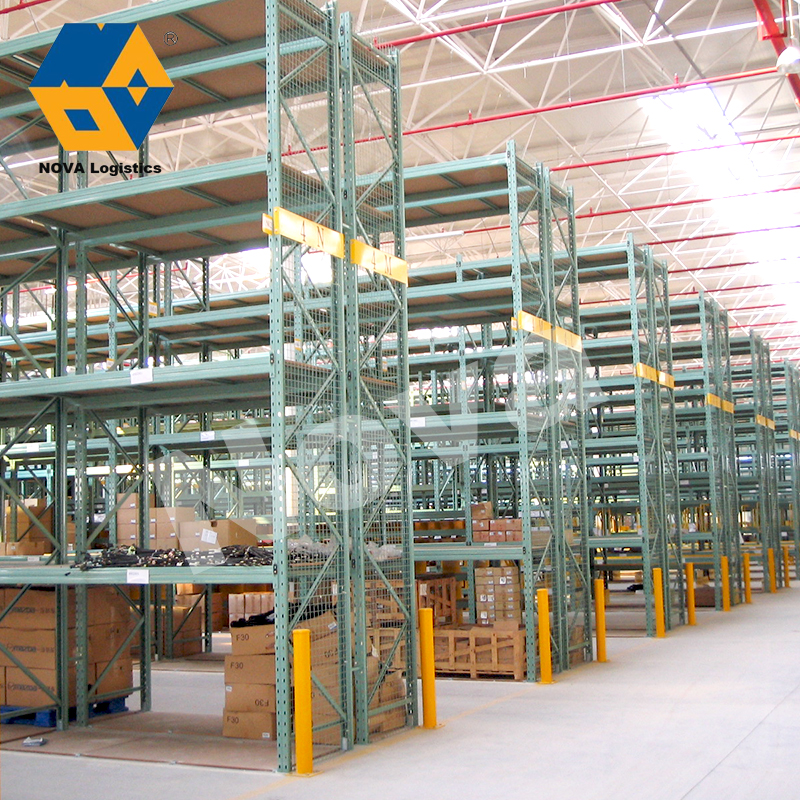
When industrial operations involve large, dense, or oversized loads, the choice of storage infrastructure becomes critical. A heavy duty rack is specifically engineered to bear substantial weight per level, resist structural deformation, and support continuous industrial use. Unlike standard shelving units, a heavy duty rack is built with reinforced steel frames, thick-gauge beams, and precision-welded joints that collectively allow it to perform under extreme load conditions without compromising safety or accessibility.
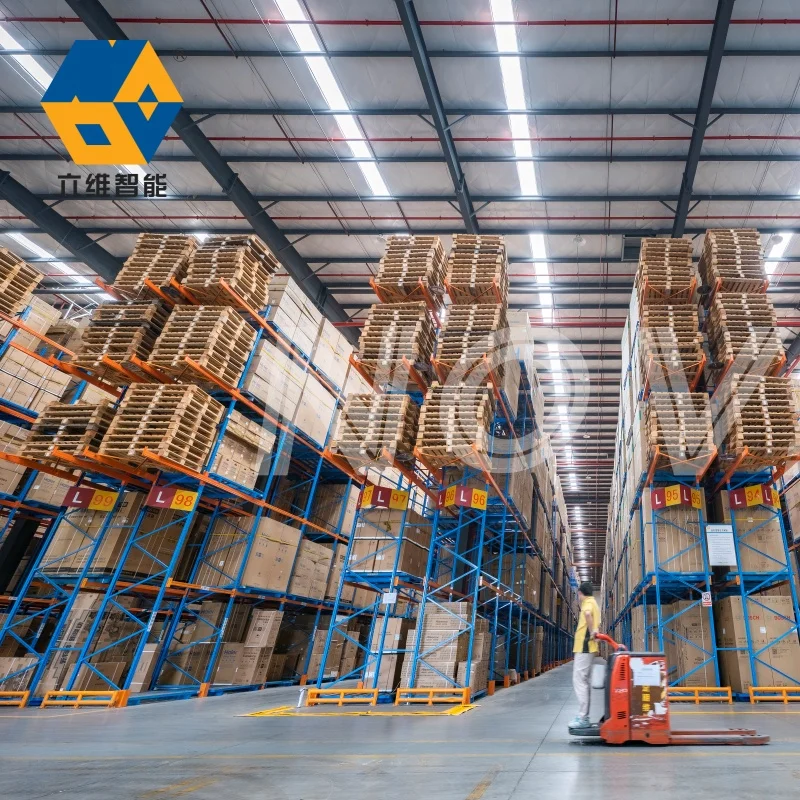
Industries including automotive manufacturing, cold storage, distribution logistics, and heavy equipment supply all rely on the heavy duty rack as a foundational warehouse element. Understanding how a heavy duty rack manages large industrial loads requires examining its structural design, load distribution mechanics, and configuration flexibility. Each of these factors plays a direct role in determining whether a heavy duty rack can perform safely in a specific facility layout and operational context.
Structural Engineering Behind a Heavy Duty Rack
Frame and Beam Construction
The performance of any heavy duty rack starts with the quality of its core components. Upright frames in a heavy duty rack are typically manufactured from cold-rolled steel with a high-gauge thickness, providing the vertical compression strength necessary to support multi-level stacking. Horizontal beams in a heavy duty rack are designed with a step or box profile, which distributes the weight of loaded pallets evenly across the beam span. This prevents localized stress concentrations that could lead to bending or failure under peak loads.
A well-designed heavy duty rack also incorporates bracing patterns within the frame panels. Diagonal braces in a heavy duty rack reduce lateral sway during forklift operations and seismic activity. The combination of vertical, horizontal, and diagonal structural members gives a heavy duty rack its ability to maintain rigidity even when all levels are loaded to capacity simultaneously. Proper bracing is not optional in a heavy duty rack intended for industrial use — it is a core safety requirement.
Surface Treatment and Material Durability
A heavy duty rack operating in industrial environments must also resist corrosion, impact damage, and surface degradation. Most industrial-grade heavy duty rack systems receive an electrostatic powder coating that bonds tightly to the steel surface, providing resistance to moisture, chemicals, and mechanical abrasion. In cold storage facilities, a heavy duty rack may require additional galvanized treatment to handle consistent exposure to low temperatures and condensation. Selecting a heavy duty rack with proper surface treatment ensures a longer operational lifespan and reduces maintenance frequency significantly.
Load Distribution and Weight Capacity in a Heavy Duty Rack
Understanding Load Ratings Per Level
One of the most important specifications of a heavy duty rack is its rated capacity per beam level. Premium heavy duty rack configurations can support 2000 kg or more per layer, making them suitable for dense pallets carrying raw materials, finished goods, or mechanical components. The load rating of a heavy duty rack is determined by the beam cross-section, the span between uprights, and the connection mechanism between beam and frame. Each heavy duty rack component must be matched correctly to achieve the stated capacity safely.
It is essential that warehouse managers do not exceed the rated capacity of a heavy duty rack. Overloading a heavy duty rack, even temporarily, can cause progressive deformation in beams and connectors, which compromises the entire structure over time. All loads placed on a heavy duty rack should be distributed evenly across the beam width, and pallets must be in good condition to prevent point loads that concentrate stress. A properly loaded heavy duty rack maintains its structural integrity throughout its full service life.
Forklift Compatibility and Accessibility
A heavy duty rack must be designed with operational access in mind. Aisle widths around a heavy duty rack must accommodate the turning radius of the forklifts used in the facility. Beam heights within a heavy duty rack system are typically adjustable in increments, allowing operators to customize each level based on the actual height of loads being stored. This flexibility makes a heavy duty rack more versatile than fixed shelving and ensures that vertical space in the warehouse is used efficiently rather than wasted on oversized gaps between levels.
Configuration Options for Heavy Duty Rack Systems
Selective and Drive-In Rack Layouts
The heavy duty rack category includes several distinct layout configurations, each suited to different inventory management strategies. A selective heavy duty rack provides direct access to every pallet position and is ideal when a warehouse handles a wide variety of SKUs requiring frequent rotation. A drive-in heavy duty rack, by contrast, allows forklifts to enter the rack structure itself, enabling high-density storage of homogeneous products. Choosing between these configurations for a heavy duty rack depends on the balance between storage density and picking frequency in the specific operation.
For operations with very high volume and consistent product lines, a drive-in heavy duty rack maximizes floor space utilization by eliminating multiple access aisles. However, a selective heavy duty rack remains the most widely used format because it supports first-in, first-out inventory rotation and allows damage inspection of individual pallets without disturbing adjacent stock. Understanding the operational requirements of the warehouse is the most reliable way to identify which heavy duty rack layout delivers the best return on investment.
Modular Expansion and Scalability
A key advantage of modern heavy duty rack systems is their modular design. A heavy duty rack can be expanded by adding additional bays or extra levels as warehouse needs grow, without requiring a full reinstallation. This scalability makes a heavy duty rack a long-term infrastructure investment rather than a fixed asset. Facilities that anticipate growth in inventory volume or product weight can plan their heavy duty rack installation with expansion in mind, ensuring that the existing structure can be extended cost-effectively when the time comes.
FAQ
What weight capacity can a heavy duty rack typically support per level?
A standard industrial heavy duty rack can support between 1000 kg and 2000 kg per beam level, depending on beam span and upright gauge. High-specification heavy duty rack systems designed for dense industrial loads can reach or exceed 2000 kg per layer, making them suitable for warehouses handling raw materials or heavy manufactured goods.
How do I know if a heavy duty rack is appropriate for my warehouse floor?
Before installing a heavy duty rack, a floor load assessment should be completed by a structural engineer. The total weight of the heavy duty rack, including all stored loads, must not exceed the floor's rated bearing capacity. A heavy duty rack installer can provide load diagrams that indicate the point loads transferred to the floor through each upright base plate.
Can a heavy duty rack be reconfigured after installation?
Yes, most heavy duty rack systems are designed for reconfiguration. Beam heights in a heavy duty rack can be adjusted in standard increments, and additional bays can be attached to an existing heavy duty rack frame. Any reconfiguration of a heavy duty rack should be performed by trained personnel to ensure that the load ratings and structural integrity of the system are maintained throughout the process.