
 EN
EN
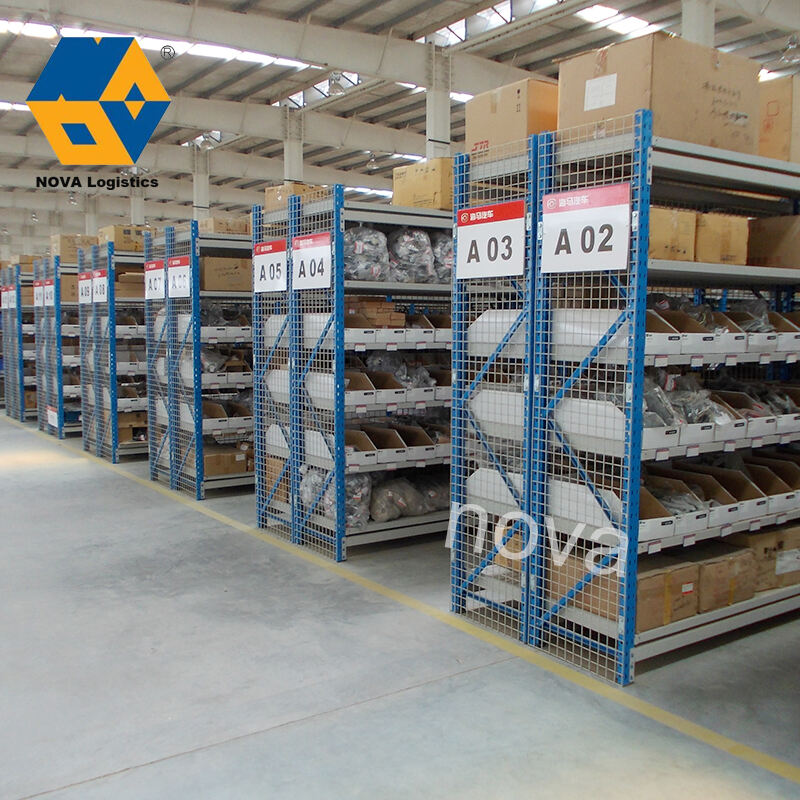
Modern warehouses face constant challenges in adapting their storage systems to accommodate varying inventory types and fluctuating stock levels. A longspan rack system offers the versatility and adaptability needed to handle these dynamic requirements while maximizing storage efficiency and operational productivity. Understanding how to select the appropriate longspan rack configuration for your specific inventory changes can significantly impact your warehouse's overall performance and cost-effectiveness.
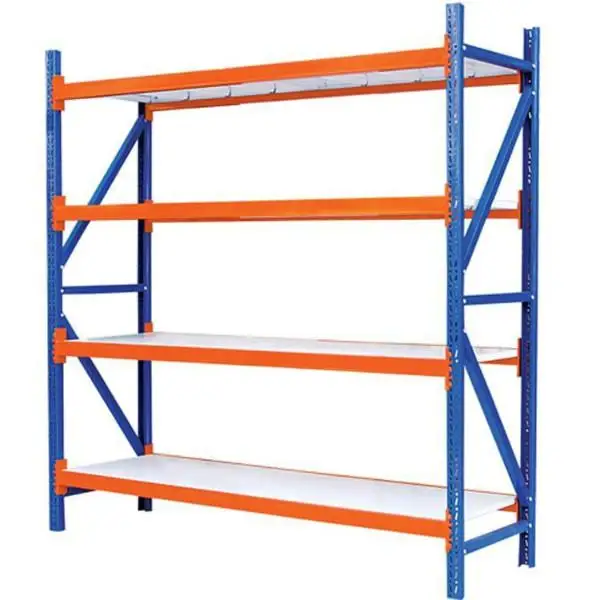
The key to successful longspan rack selection lies in analyzing your current inventory patterns, anticipating future storage needs, and implementing a flexible system that can evolve with your business requirements. This comprehensive approach ensures your storage investment delivers long-term value while maintaining operational efficiency across different product categories and seasonal variations.
Understanding Longspan Rack Fundamentals
Core Components and Design Principles
A longspan rack system consists of vertical uprights, horizontal beams, and decking materials that create adjustable storage levels for medium-duty applications. The modular design allows for easy reconfiguration as inventory requirements change, making it an ideal solution for warehouses handling diverse product ranges. Each longspan rack component is engineered to work together seamlessly, providing structural integrity while maintaining flexibility.
The beam-and-upright connection system enables quick adjustments without requiring specialized tools or extensive downtime. This feature becomes particularly valuable when dealing with seasonal inventory fluctuations or introducing new product lines that require different storage configurations. The standardized components ensure compatibility across different rack heights and depths, simplifying future expansions or modifications.
Load Capacity Considerations
Understanding weight distribution and load capacity is crucial when selecting a longspan rack system for variable inventory types. Each shelf level must be capable of supporting the maximum anticipated load while maintaining safety margins for dynamic loading conditions. The distributed weight capacity across multiple levels allows for efficient utilization of vertical space without compromising structural integrity.
Different inventory types present unique loading challenges that must be addressed during the selection process. Heavy automotive parts require different support configurations than lightweight electronic components, and the longspan rack system must accommodate these variations without requiring complete reconfiguration. Proper load calculation includes both static and dynamic forces to ensure safe operation under all conditions.
Inventory Analysis and Classification
Product Categorization Strategies
Effective longspan rack selection begins with comprehensive inventory analysis that categorizes products based on size, weight, turnover frequency, and handling requirements. This classification system helps identify storage patterns and determines the optimal rack configuration for current and anticipated inventory types. Understanding product characteristics enables better decision-making regarding shelf spacing, depth requirements, and accessibility needs.
Seasonal variations and promotional activities can significantly impact inventory composition, requiring flexible storage solutions that adapt to changing product mixes. A well-designed longspan rack system accommodates these fluctuations through adjustable shelf heights and modular expansion capabilities. The classification process should also consider future product introductions and market trends that might influence storage requirements.
Space Utilization Optimization
Maximizing cubic space utilization requires careful analysis of product dimensions and stacking characteristics within the longspan rack framework. Different inventory types have varying space requirements, and the rack configuration must balance storage density with accessibility and safety considerations. Vertical space optimization becomes particularly important when dealing with mixed inventory that includes both tall and short items.
The adjustable nature of longspan rack systems allows for dynamic space allocation based on current inventory levels and seasonal demands. This flexibility enables warehouses to maintain optimal storage density while accommodating changing product portfolios without requiring major infrastructure investments. Strategic planning of shelf layouts can significantly improve picking efficiency and reduce handling costs.
Adaptability and Reconfiguration Options
Modular Design Benefits
The modular construction of longspan rack systems provides unparalleled flexibility for adapting to changing inventory requirements without disrupting ongoing operations. Standard components can be recombined in different configurations to create storage solutions tailored to specific product types or operational changes. This modularity reduces the need for complete system replacements when inventory characteristics evolve.
Component standardization across different longspan rack models ensures compatibility and simplifies future modifications or expansions. This standardization also reduces inventory requirements for spare parts and maintenance components, lowering long-term operational costs. The ability to reconfigure existing systems rather than purchasing entirely new equipment provides significant cost advantages for growing businesses.
Quick Adjustment Mechanisms
Modern longspan rack systems incorporate tool-free adjustment mechanisms that enable rapid reconfiguration to accommodate changing inventory types. These mechanisms allow warehouse staff to modify shelf heights and configurations without requiring specialized equipment or extensive training. The speed of adjustment becomes critical when dealing with time-sensitive inventory changes or seasonal transitions.
The ease of reconfiguration directly impacts operational efficiency by minimizing downtime during system modifications. Quick adjustment capabilities enable warehouses to respond rapidly to market demands and inventory fluctuations without compromising storage capacity or operational continuity. This responsiveness provides competitive advantages in dynamic market environments where flexibility determines success.
Material Handling Integration
Equipment Compatibility
Successful longspan rack implementation requires consideration of existing material handling equipment and operational procedures. The rack design must accommodate forklifts, picking equipment, and automated systems while providing safe and efficient access to stored products. Aisle widths, turning radii, and vertical clearances must be optimized for the specific equipment used in daily operations.
Different inventory types may require different handling approaches, and the longspan rack configuration should support various picking and replenishment methods. Manual picking operations have different space requirements than mechanized systems, and the rack layout must accommodate these operational differences. Integration with warehouse management systems and tracking technologies should also be considered during the selection process.
Accessibility and Safety Features
Safety considerations become paramount when designing longspan rack systems for diverse inventory types with varying handling requirements. Each configuration must provide safe access for personnel while maintaining structural integrity under different loading conditions. Safety features such as load stops, safety pins, and proper labeling become essential components of the overall system design.
Ergonomic considerations play a crucial role in longspan rack selection, particularly when dealing with frequently accessed inventory items. Shelf heights should be optimized for comfortable reaching and lifting operations while minimizing worker fatigue and injury risk. The rack configuration should also provide adequate lighting access and maintain clear sightlines for inventory management and safety monitoring.
Cost-Effectiveness and ROI Analysis
Initial Investment Considerations
Evaluating the initial investment in a longspan rack system requires comprehensive analysis of both direct costs and indirect benefits. The upfront expense must be weighed against improved storage efficiency, reduced handling costs, and increased operational flexibility. A properly selected longspan rack system can significantly improve warehouse productivity while reducing long-term operational expenses.
The modularity and adaptability of longspan rack systems provide additional value through extended system life and reduced replacement costs. Unlike fixed storage solutions, these systems can evolve with changing business requirements, protecting the initial investment while accommodating growth and operational changes. This adaptability translates into improved return on investment over the system's operational lifetime.
Long-term Value Proposition
The true value of a longspan rack system becomes apparent through its ability to adapt to changing business conditions without requiring complete replacement. This adaptability provides ongoing cost savings by eliminating the need for new storage systems as inventory requirements evolve. The system's flexibility also enables optimization of warehouse operations, resulting in improved productivity and reduced operational costs.
Maintenance costs and system longevity are important factors in the overall value proposition of longspan rack systems. Quality construction and standardized components contribute to reduced maintenance requirements and extended operational life. The ability to replace individual components rather than entire sections further reduces long-term ownership costs while maintaining system performance.
Implementation and Future Planning
Phased Installation Strategies
Implementing a longspan rack system for changing inventory types often requires careful planning to minimize operational disruption while maximizing immediate benefits. Phased installation approaches allow warehouses to gradually transition from existing systems while maintaining operational continuity. This strategy enables testing and optimization of configurations before full-scale implementation.
The modular nature of longspan rack systems supports phased implementation by allowing incremental additions and modifications. Initial installations can focus on high-priority areas or specific product categories, with expansion occurring as operational benefits become apparent. This approach reduces financial risk while providing opportunities to refine system configurations based on actual operational experience.
Scalability and Growth Planning
Future-proofing a longspan rack installation requires consideration of anticipated business growth and potential changes in inventory characteristics. The system design should accommodate both vertical and horizontal expansion possibilities while maintaining compatibility with existing components. Planning for scalability from the initial installation reduces future modification costs and operational disruptions.
Technology integration capabilities should be considered during the planning phase to ensure the longspan rack system can accommodate future automation and tracking systems. Provisions for lighting, power distribution, and data connectivity can be incorporated into the initial design, reducing retrofit costs and complexity. This forward-thinking approach ensures the storage system remains relevant and efficient as operational requirements evolve.
FAQ
How often should longspan rack configurations be evaluated for changing inventory needs
Longspan rack configurations should be evaluated quarterly or whenever significant inventory changes occur, such as new product introductions or seasonal transitions. Regular assessment ensures optimal space utilization and identifies opportunities for configuration improvements that enhance operational efficiency.
What factors determine the maximum weight capacity for different longspan rack configurations
Maximum weight capacity depends on beam span length, upright spacing, decking type, and load distribution patterns. Each longspan rack component has specific capacity ratings that must be considered together to determine safe working loads for different inventory types and storage configurations.
Can existing longspan rack systems be modified to accommodate completely different product types
Yes, the modular design of longspan rack systems allows extensive modification to accommodate different product types. Shelf heights can be adjusted, decking can be changed, and additional components can be added without replacing the entire system structure, providing flexibility for evolving inventory requirements.
What safety considerations are most important when reconfiguring longspan racks for new inventory types
Key safety considerations include verifying load capacity compliance, ensuring proper beam engagement, maintaining adequate aisle clearances, and updating safety documentation. All reconfigurations should be performed according to manufacturer specifications and may require engineering approval for significant modifications to ensure continued safe operation.
Table of Contents
- Understanding Longspan Rack Fundamentals
- Inventory Analysis and Classification
- Adaptability and Reconfiguration Options
- Material Handling Integration
- Cost-Effectiveness and ROI Analysis
- Implementation and Future Planning
-
FAQ
- How often should longspan rack configurations be evaluated for changing inventory needs
- What factors determine the maximum weight capacity for different longspan rack configurations
- Can existing longspan rack systems be modified to accommodate completely different product types
- What safety considerations are most important when reconfiguring longspan racks for new inventory types