
 EN
EN
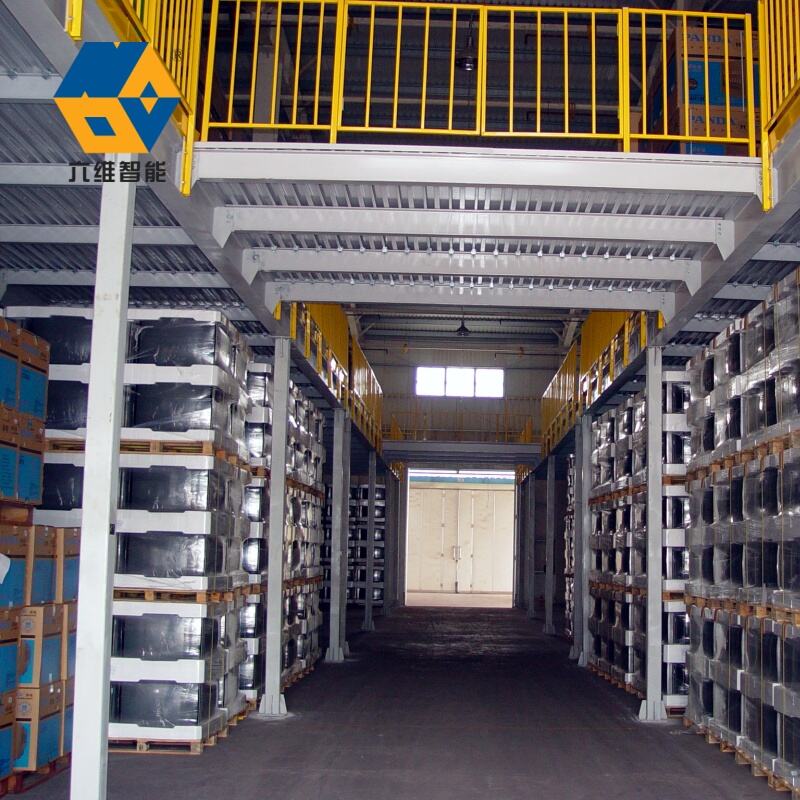
Modern warehouse operations face mounting pressure to maximize storage capacity without expanding their physical footprint. A warehouse mezzanine represents one of the most effective solutions for increasing storage density while maintaining operational efficiency. This intermediate floor structure transforms underutilized vertical space into valuable storage real estate, offering businesses a cost-effective alternative to facility relocation or costly building expansions. Understanding how a warehouse mezzanine system works and its implementation benefits can revolutionize your storage strategy and dramatically improve your facility's capacity utilization.
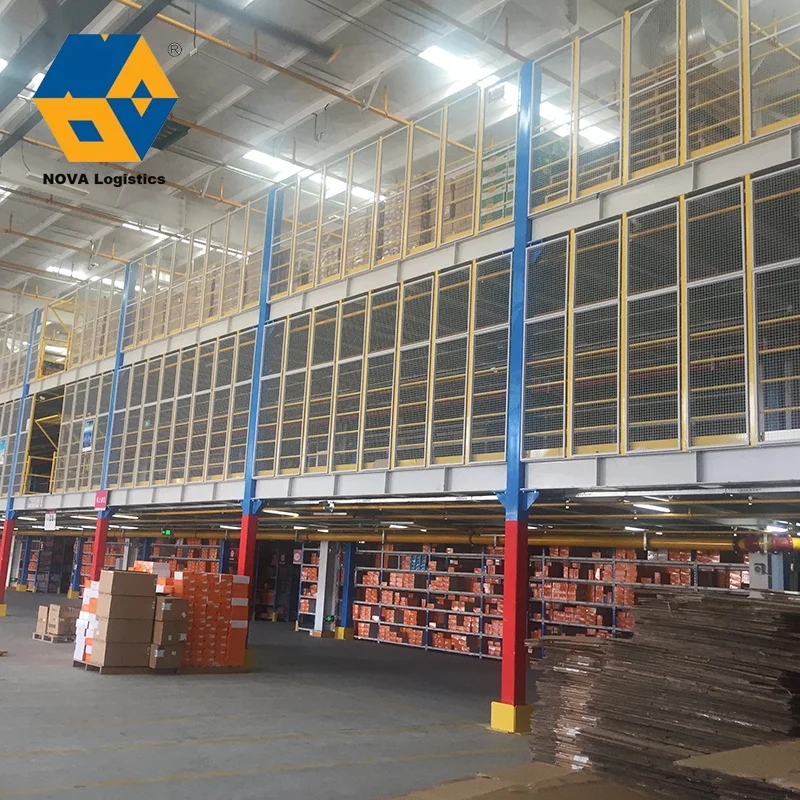
Understanding Warehouse Mezzanine Systems
Structural Design and Engineering
A warehouse mezzanine consists of an elevated platform supported by structural columns and beams, creating an additional level within existing warehouse space. These systems are engineered to support substantial loads while integrating seamlessly with existing building infrastructure. The structural framework typically utilizes high-grade steel components designed to meet specific load requirements, ensuring safety and durability. Professional engineers calculate load distributions, considering factors such as inventory weight, personnel traffic, and equipment operations to guarantee structural integrity.
The modular nature of modern warehouse mezzanine designs allows for customization based on specific operational requirements. Support columns are strategically positioned to minimize interference with ground-level operations while providing adequate structural support. The platform surface can accommodate various flooring materials, from standard steel decking to specialized surfaces designed for specific applications. This flexibility enables businesses to create tailored solutions that align perfectly with their operational workflows and storage needs.
Load Capacity and Safety Standards
Safety remains paramount in warehouse mezzanine design, with systems engineered to exceed industry load requirements. Typical load capacities range from 50 to 250 pounds per square foot, depending on the specific application and structural design. These specifications ensure that the warehouse mezzanine can safely support heavy inventory, equipment, and personnel movement without compromising structural integrity. Regular safety inspections and compliance with local building codes maintain operational safety standards throughout the system's lifespan.
Advanced engineering calculations account for dynamic loads, including material handling equipment, personnel movement, and seismic considerations. The warehouse mezzanine structure incorporates safety features such as guardrails, safety gates, and emergency egress systems to protect personnel and comply with occupational safety regulations. These comprehensive safety measures ensure that the elevated storage platform operates as a secure extension of the main warehouse floor.
Maximizing Storage Capacity Through Vertical Expansion
Spatial Efficiency Optimization
The primary advantage of implementing a warehouse mezzanine lies in its ability to double or even triple available storage space without expanding the building's footprint. By utilizing previously unused vertical space, businesses can dramatically increase their storage density while maintaining existing operational patterns. This vertical expansion strategy proves particularly valuable in urban environments where land costs make horizontal expansion economically unfeasible.
Strategic placement of the warehouse mezzanine optimizes traffic flow and operational efficiency throughout the facility. The elevated platform can accommodate various storage configurations, from traditional rack systems to specialized storage solutions. This flexibility allows businesses to adapt their storage strategy based on inventory characteristics and operational requirements, maximizing both capacity and accessibility.
Integration with Existing Systems
Modern warehouse mezzanine installations integrate seamlessly with existing material handling systems, including conveyor networks, automated storage systems, and warehouse management software. This integration ensures that the additional storage capacity enhances rather than disrupts established operational workflows. The elevated platform can incorporate material handling equipment such as conveyors, lifts, and automated guided vehicles to facilitate efficient inventory movement between levels.
The warehouse mezzanine design accommodates various access methods, including staircases, lifts, and conveyor systems, ensuring smooth material flow and personnel movement. These access solutions are engineered to handle anticipated traffic volumes while maintaining safety standards and operational efficiency. The result is a cohesive storage system that leverages vertical space to maximize capacity without compromising accessibility or workflow continuity.
Cost-Effectiveness and Return on Investment
Financial Benefits Analysis
Implementing a warehouse mezzanine represents a significantly more cost-effective solution compared to building expansion or facility relocation. The investment typically pays for itself within 18 to 36 months through increased storage capacity and improved operational efficiency. This rapid return on investment stems from the ability to house more inventory within the same facility, reducing per-unit storage costs and potentially eliminating the need for additional warehouse space.
The warehouse mezzanine installation avoids many costs associated with building expansion, including permits, site preparation, and extended construction timelines. Additionally, businesses maintain their existing location, preserving established logistics networks and supplier relationships. This financial advantage makes the warehouse mezzanine an attractive option for companies seeking to expand storage capacity while controlling capital expenditures.
Long-term Value Creation
Beyond immediate capacity gains, a warehouse mezzanine adds permanent value to the facility while providing operational flexibility for future needs. The modular design allows for modifications and expansions as business requirements evolve, ensuring long-term utility and return on investment. This adaptability proves particularly valuable in dynamic business environments where storage needs fluctuate based on market conditions and growth patterns.
The warehouse mezzanine system contributes to overall facility efficiency by enabling better organization and inventory management practices. The additional storage level facilitates improved inventory segregation, enhancing picking accuracy and reducing handling times. These operational improvements compound over time, creating sustained value that extends well beyond the initial capacity increase.
Installation Process and Timeline Considerations
Project Planning and Design Phase
Successful warehouse mezzanine implementation begins with comprehensive project planning that addresses structural requirements, operational needs, and regulatory compliance. The design phase involves detailed facility assessment, including ceiling height analysis, structural capacity evaluation, and integration planning with existing systems. Professional engineers conduct thorough site surveys to ensure optimal placement and configuration of the warehouse mezzanine structure.
The planning process includes permit acquisition, safety planning, and coordination with ongoing warehouse operations to minimize disruption during installation. Detailed project timelines account for manufacturing lead times, delivery logistics, and installation scheduling to ensure efficient project completion. This comprehensive approach ensures that the warehouse mezzanine installation proceeds smoothly and meets all performance expectations.
Installation and Commissioning
The installation process typically requires minimal disruption to ongoing warehouse operations, with most systems installed during off-peak hours or designated downtime periods. Professional installation teams utilize specialized equipment and techniques to ensure accurate positioning and secure attachment of all structural components. The modular nature of modern warehouse mezzanine systems enables efficient assembly while maintaining strict quality and safety standards.
Commissioning procedures include comprehensive safety inspections, load testing, and operational verification to ensure the warehouse mezzanine meets all specifications and safety requirements. Final inspections verify compliance with local building codes and safety regulations before the system becomes operational. This thorough commissioning process guarantees that the installation delivers the expected performance and safety standards from day one.
Operational Applications and Use Cases
Inventory Management Enhancement
A warehouse mezzanine provides exceptional opportunities for improved inventory organization and management practices. The elevated platform enables strategic inventory placement based on factors such as product velocity, seasonal demand patterns, and handling requirements. Fast-moving items can be positioned for optimal accessibility, while slower-moving inventory utilizes the additional space created by the warehouse mezzanine installation.
The multi-level storage approach facilitates better inventory segregation, reducing picking errors and improving order fulfillment accuracy. Different product categories can be assigned to specific levels, creating logical organization systems that enhance warehouse productivity. This improved organization directly translates to reduced labor costs and faster order processing times, maximizing the operational benefits of the warehouse mezzanine investment.
Specialized Storage Solutions
The warehouse mezzanine platform accommodates various specialized storage applications, from temperature-controlled environments to hazardous material storage. The elevated level can be equipped with specialized flooring, climate control systems, and safety equipment to meet specific storage requirements. This flexibility enables businesses to optimize their storage strategy for diverse product portfolios while maintaining operational efficiency.
Office space integration represents another valuable application for warehouse mezzanine systems, creating administrative areas within the warehouse environment. This integration improves supervision capabilities and reduces travel time between operational areas and administrative functions. The warehouse mezzanine can also accommodate quality control stations, packaging areas, and other value-added services that enhance overall operational efficiency.
Maintenance and Long-term Performance
Preventive Maintenance Programs
Maintaining optimal performance of a warehouse mezzanine requires establishing comprehensive preventive maintenance programs that address structural integrity, safety systems, and operational components. Regular inspections focus on critical connection points, support structures, and safety features to ensure continued safe operation. These maintenance protocols help identify potential issues before they impact operations or compromise safety standards.
Professional maintenance teams conduct periodic load assessments and structural evaluations to verify that the warehouse mezzanine continues to meet performance specifications. Documentation of maintenance activities and inspection results provides valuable data for optimizing maintenance schedules and identifying potential upgrade opportunities. This proactive approach ensures maximum return on investment while maintaining operational safety and efficiency.
Performance Optimization Strategies
Ongoing performance optimization involves analyzing operational data to identify improvement opportunities within the warehouse mezzanine system. Material flow analysis helps optimize inventory placement and access patterns to maximize efficiency gains. Regular performance reviews assess capacity utilization, operational workflows, and integration effectiveness to ensure the warehouse mezzanine continues delivering expected benefits.
Technology integration opportunities, such as warehouse management system enhancements and automated material handling equipment, can further optimize warehouse mezzanine performance. These technological improvements help businesses adapt to changing operational requirements while maximizing the value of their storage infrastructure investment. Continuous improvement approaches ensure that the warehouse mezzanine system evolves with business needs and maintains competitive advantages.
FAQ
What weight capacity can a typical warehouse mezzanine support?
Most warehouse mezzanine systems are engineered to support between 50 to 250 pounds per square foot, depending on the specific design requirements and intended use. Heavy-duty applications may require higher load capacities, while standard storage applications typically utilize the lower end of this range. Professional engineering analysis determines the optimal load capacity based on your specific inventory characteristics and operational requirements.
How long does warehouse mezzanine installation typically take?
Installation timelines vary based on system size and complexity, but most warehouse mezzanine projects are completed within 2-6 weeks from delivery to commissioning. Smaller systems may be installed in just a few days, while larger, more complex installations require additional time for assembly and testing. The modular design of modern systems enables efficient installation with minimal disruption to ongoing operations.
Can a warehouse mezzanine be relocated or expanded in the future?
Yes, most modern warehouse mezzanine systems feature modular designs that allow for relocation, expansion, or reconfiguration as business needs evolve. The bolt-together construction enables disassembly and reinstallation in different configurations or locations. This flexibility provides excellent long-term value and adaptability for changing operational requirements.
What safety features are required for warehouse mezzanine installations?
Safety requirements include guardrails, safety gates, proper egress systems, and compliance with local building codes and OSHA regulations. The warehouse mezzanine must incorporate appropriate fall protection systems, adequate lighting, and emergency evacuation procedures. Professional installation ensures all safety requirements are met and maintained throughout the system's operational life.