
 EN
EN
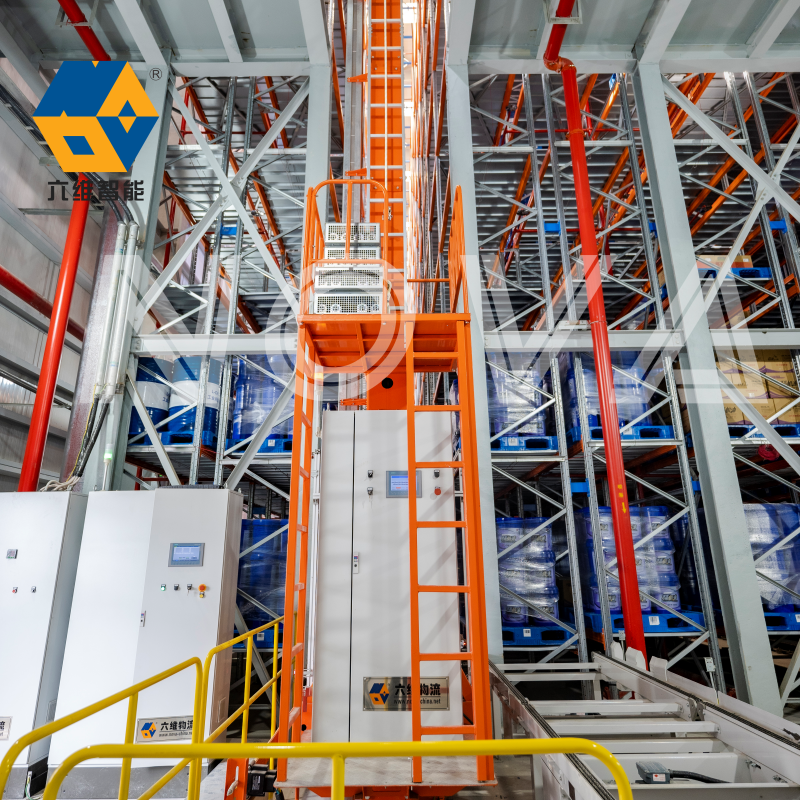
Modern warehouses face unprecedented challenges in maintaining accurate inventory levels while managing increasing order volumes and customer expectations. Traditional manual tracking methods have become insufficient for businesses seeking competitive advantages in today's fast-paced logistics environment. An automated storage and retrieval system represents a revolutionary approach to warehouse management, combining advanced technology with precision engineering to eliminate human error and dramatically improve inventory accuracy. These sophisticated systems integrate seamlessly with existing warehouse management software, providing real-time visibility into stock levels, locations, and movement patterns that enable businesses to make informed decisions about their inventory management strategies.
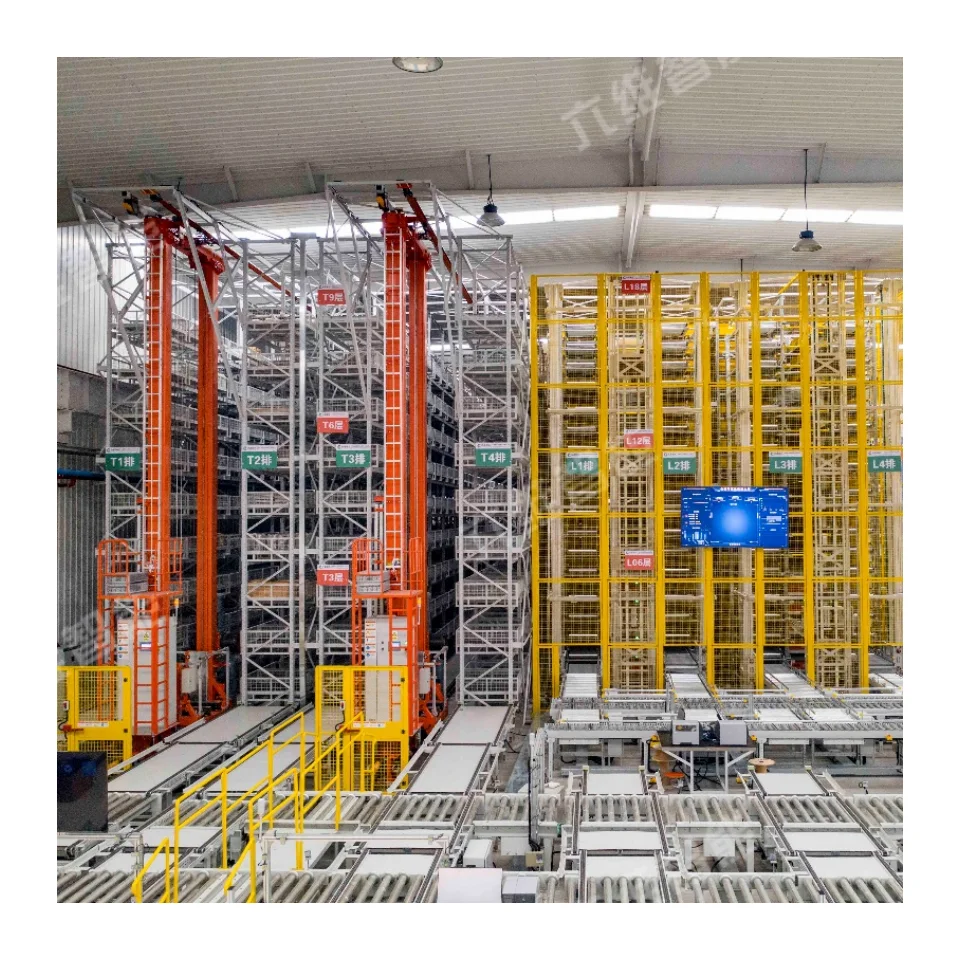
Understanding Automated Storage and Retrieval Technology
Core Components and Architecture
An automated storage and retrieval system consists of several interconnected components working together to create a seamless inventory management solution. The primary structure includes high-density storage racks that maximize vertical space utilization while maintaining accessibility to every stored item. Computer-controlled stacker cranes move along predetermined paths with millimeter precision, ensuring accurate placement and retrieval of inventory items without human intervention. Advanced warehouse control systems coordinate all movements and transactions, maintaining real-time databases of inventory locations and quantities.
The integration of barcode scanning technology and radio frequency identification systems within an automated storage and retrieval system provides multiple layers of verification for every inventory transaction. These technologies work continuously to validate item identities, quantities, and storage locations, creating an audit trail that ensures complete traceability throughout the supply chain. The sophisticated software algorithms optimize storage strategies based on product characteristics, demand patterns, and operational requirements.
Technological Integration Capabilities
Modern automated storage and retrieval system implementations leverage artificial intelligence and machine learning algorithms to continuously improve performance and accuracy. These systems analyze historical data patterns to predict optimal storage locations, anticipate maintenance requirements, and identify potential bottlenecks before they impact operations. The integration with enterprise resource planning systems enables seamless communication between inventory management, order processing, and financial reporting functions.
Cloud-based monitoring platforms provide remote access to system performance metrics, enabling facility managers to oversee operations from any location. Real-time dashboards display key performance indicators including inventory accuracy rates, system utilization levels, and transaction processing speeds, empowering management teams to make data-driven decisions about warehouse operations and capacity planning.
Inventory Accuracy Enhancement Mechanisms
Real-Time Tracking and Verification
The implementation of an automated storage and retrieval system eliminates the human errors that commonly plague manual inventory management processes. Every item movement is precisely tracked and recorded, creating an unbreakable chain of custody that ensures inventory records remain synchronized with physical stock levels. The system's ability to conduct continuous cycle counting without disrupting normal operations maintains accuracy rates exceeding ninety-nine percent in most implementations.
Automated verification processes occur at multiple points throughout each transaction, including receipt confirmation, storage location validation, and retrieval accuracy checks. These redundant verification mechanisms prevent discrepancies from occurring and immediately flag any anomalies for investigation, ensuring that inventory records remain accurate and reliable for business decision-making processes.
Error Prevention and Correction Protocols
Sophisticated error detection algorithms continuously monitor system operations to identify potential issues before they impact inventory accuracy. When discrepancies are detected, automated storage and retrieval system software immediately initiates correction protocols that may include re-scanning items, verifying storage locations, or triggering manual audits of specific areas. These proactive measures prevent minor discrepancies from escalating into significant inventory management problems.
The system's ability to maintain detailed transaction logs enables rapid investigation and resolution of any inventory discrepancies that do occur. Historical data analysis helps identify patterns that might indicate systematic issues, allowing facility managers to implement preventive measures that address root causes rather than merely treating symptoms.
Operational Efficiency and Performance Benefits
Throughput Optimization Strategies
An automated storage and retrieval system significantly improves warehouse throughput by eliminating the time-consuming manual processes associated with traditional inventory management methods. The system's ability to operate continuously without breaks, shifts, or fatigue ensures consistent performance levels that exceed human capabilities. Simultaneous processing of multiple orders reduces fulfillment times while maintaining accuracy standards that would be impossible to achieve with manual operations.
Advanced scheduling algorithms optimize the sequence of storage and retrieval operations to minimize travel times and maximize equipment utilization. The system considers factors such as item weights, storage locations, order priorities, and equipment availability to create efficient operation sequences that reduce energy consumption while improving overall productivity.
Space Utilization and Capacity Management
The vertical storage capabilities of an automated storage and retrieval system enable warehouses to achieve storage densities that would be impossible with traditional racking systems. By utilizing the full height of available warehouse space and eliminating the wide aisles required for manual equipment operation, these systems can increase storage capacity by up to seventy percent within the same floor area.
Dynamic space allocation algorithms continuously optimize storage locations based on product characteristics, demand patterns, and seasonal variations. Fast-moving items are positioned in easily accessible locations, while slower-moving inventory is stored in higher or more remote positions, ensuring that the most frequently accessed items can be retrieved quickly without compromising overall system efficiency.
Integration with Warehouse Management Systems
Data Synchronization and Communication Protocols
Seamless integration between an automated storage and retrieval system and existing warehouse management software creates a unified platform for inventory control and order fulfillment operations. Real-time data synchronization ensures that inventory levels, location information, and transaction records remain consistent across all systems, eliminating the discrepancies that often occur when multiple systems operate independently.
Standardized communication protocols enable the automated storage and retrieval system to exchange information with various enterprise software applications including order management systems, transportation management platforms, and customer relationship management databases. This comprehensive integration provides complete visibility into supply chain operations from initial order placement through final delivery confirmation.
Reporting and Analytics Capabilities
Advanced reporting functions within an automated storage and retrieval system provide detailed insights into inventory performance, operational efficiency, and cost management opportunities. Customizable dashboards display key metrics in real-time, enabling facility managers to monitor performance indicators and identify trends that inform strategic decision-making processes.
Predictive analytics capabilities analyze historical data patterns to forecast future inventory requirements, maintenance needs, and capacity planning scenarios. These insights enable proactive management strategies that prevent stockouts, optimize inventory investment, and ensure adequate system capacity to meet projected demand levels.
Return on Investment and Cost Considerations
Financial Impact Analysis
The implementation of an automated storage and retrieval system requires significant initial capital investment but delivers substantial long-term financial benefits through reduced labor costs, improved inventory accuracy, and increased operational efficiency. Labor savings alone often justify the investment within three to five years, while additional benefits from reduced inventory carrying costs and improved customer satisfaction contribute to ongoing profitability improvements.
Accurate inventory management eliminates the costs associated with stockouts, overstocking, and expedited shipping charges that result from inventory discrepancies. The system's ability to maintain precise inventory records reduces safety stock requirements while ensuring adequate product availability to meet customer demand consistently.
Implementation Timeline and Planning
Successful automated storage and retrieval system implementation requires careful planning and coordination to minimize disruption to ongoing warehouse operations. Project timelines typically range from twelve to eighteen months depending on system complexity, facility size, and integration requirements. Phased implementation approaches allow businesses to maintain operations while gradually transitioning to automated processes.
Training programs ensure that warehouse staff understand how to work effectively with the new automated storage and retrieval system, focusing on monitoring functions, exception handling procedures, and maintenance protocols. Comprehensive change management strategies help organizations adapt to new operational processes while maximizing the benefits of automated inventory management capabilities.
FAQ
What level of inventory accuracy can be expected from an automated storage and retrieval system
Most automated storage and retrieval system implementations achieve inventory accuracy rates exceeding 99.5 percent, with many systems reaching 99.9 percent accuracy or higher. This dramatic improvement over manual inventory management systems results from the elimination of human error, continuous verification processes, and real-time tracking of all inventory movements. The system's ability to conduct perpetual inventory counts without disrupting operations ensures that accuracy levels remain consistently high over time.
How does an automated storage and retrieval system handle different product types and sizes
Modern automated storage and retrieval system designs accommodate a wide variety of product types, sizes, and weights through configurable storage modules and adjustable handling equipment. The system software maintains detailed product specifications for each item, including dimensions, weight, and special handling requirements, ensuring appropriate storage locations and handling procedures for every product. Specialized attachments and variable-height storage positions enable the system to manage everything from small electronic components to large industrial equipment within the same facility.
What maintenance requirements are associated with automated storage and retrieval systems
Automated storage and retrieval system maintenance requirements are typically minimal due to robust engineering designs and predictive maintenance capabilities built into modern systems. Routine maintenance tasks include periodic lubrication of mechanical components, cleaning of sensors and scanning equipment, and software updates to ensure optimal performance. The system's monitoring capabilities provide advance warning of potential issues, enabling scheduled maintenance during planned downtime periods rather than unexpected equipment failures that could disrupt operations.
Can existing warehouse facilities be retrofitted with automated storage and retrieval systems
Most existing warehouse facilities can be successfully retrofitted with automated storage and retrieval system technology, although the specific implementation approach depends on factors such as ceiling height, floor load capacity, and available space for equipment installation. Professional engineering assessments evaluate facility characteristics to determine optimal system configurations that maximize benefits while working within existing structural constraints. Modular system designs enable phased implementations that allow continued operations during installation and commissioning processes.
Table of Contents
- Understanding Automated Storage and Retrieval Technology
- Inventory Accuracy Enhancement Mechanisms
- Operational Efficiency and Performance Benefits
- Integration with Warehouse Management Systems
- Return on Investment and Cost Considerations
-
FAQ
- What level of inventory accuracy can be expected from an automated storage and retrieval system
- How does an automated storage and retrieval system handle different product types and sizes
- What maintenance requirements are associated with automated storage and retrieval systems
- Can existing warehouse facilities be retrofitted with automated storage and retrieval systems