
 EN
EN
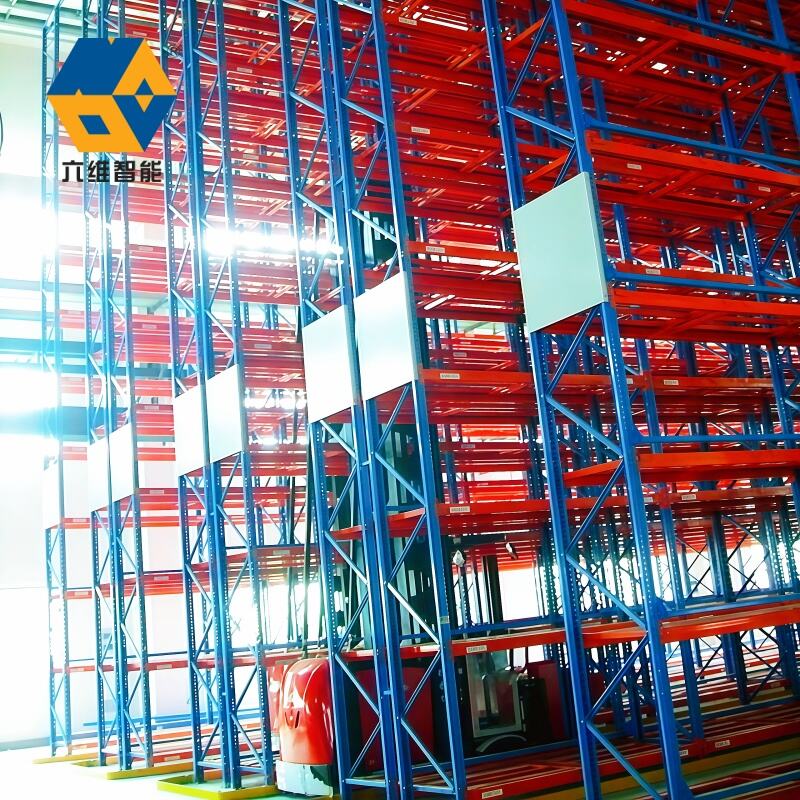
Warehouse safety is not a matter of chance — it is the direct result of deliberate infrastructure decisions. One of the most consequential choices a warehouse manager can make is selecting the right industrial rack system. When storage structures are properly designed, installed, and maintained, they create an environment where workers can navigate confidently, goods remain stable, and operational workflows proceed without unnecessary risk. The relationship between a well-chosen industrial rack and a safe warehouse is not incidental — it is foundational.
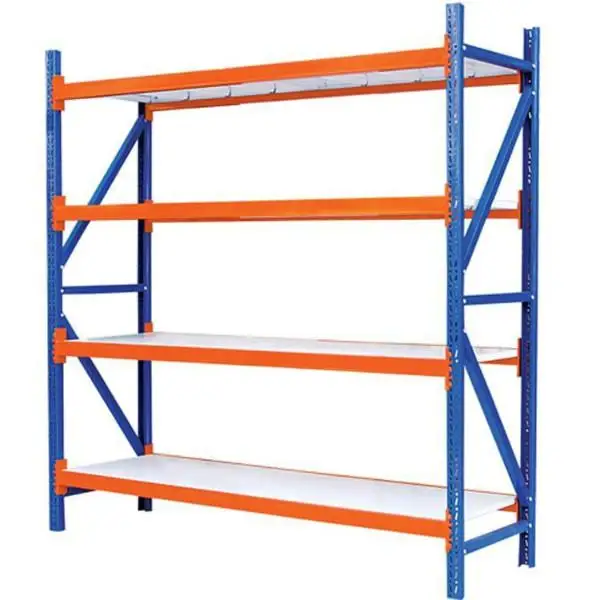
Industrial facilities handling high volumes of inventory face constant pressure to maximize throughput without compromising personnel safety. An industrial rack that is engineered to appropriate load capacities, configured for the specific warehouse layout, and regularly inspected becomes a proactive safety asset rather than a passive storage solution. This article explores exactly how an industrial rack contributes to safer warehouse operations — from structural integrity and space management to compliance readiness and long-term risk reduction.
Structural Integrity as the First Line of Safety
Load Capacity and Weight Distribution
The most fundamental way an industrial rack supports warehouse safety is through its ability to bear loads reliably. Every industrial rack system is rated for specific load capacities — both per-shelf and per-bay — and these ratings exist for critical safety reasons. When inventory is stored within rated limits, the risk of structural deformation, beam failure, or complete collapse is dramatically reduced. Exceeding these limits, even temporarily, introduces stress fractures and micro-deformations that may not be immediately visible but compound over time into serious hazards.
Proper weight distribution across an industrial rack is equally important. Placing heavier items on lower shelves lowers the center of gravity, which reduces the risk of tipping during forklift operations or seismic activity. Warehouse teams that are trained to understand and respect the load distribution logic of their industrial rack systems contribute meaningfully to accident prevention. The physical design of the rack — including its column gauge, beam thickness, and connector type — is engineered to support this safe distribution of weight.
When selecting an industrial rack, buyers must request detailed load capacity documentation and ensure the specification matches the heaviest anticipated inventory units. Overloading is one of the most common causes of rack-related warehouse incidents globally, and it is entirely preventable through informed purchasing and disciplined inventory management.
Material Quality and Frame Durability
The material construction of an industrial rack directly determines how well it withstands the physical demands of a warehouse environment. High-quality steel frames with appropriate surface treatments — such as powder coating or galvanization — resist corrosion, mechanical wear, and impact damage. In cold storage or humid environments, corrosion resistance is not merely a product quality concern but a safety necessity, as corroded uprights and beams lose structural integrity at accelerated rates.
Durable frame construction also means the industrial rack remains stable after repeated contact with forklifts, pallet jacks, and other material handling equipment. Minor collisions are common in busy warehouses, and a rack system built with impact-resistant materials absorbs these forces without sustaining damage that could compromise its load-bearing capacity. Some industrial rack systems incorporate reinforced base plates and foot anchors specifically to prevent lateral movement after low-speed impacts.
Investing in a robustly constructed industrial rack is not simply a quality preference — it is a long-term safety investment. Inferior materials may appear cost-effective initially but introduce hidden risks that generate accident liability, regulatory non-compliance, and costly downtime when structural failures occur.
Space Organization and Safe Traffic Flow
Aisle Width and Forklift Navigation
An industrial rack system does not exist in isolation — it shapes the entire spatial logic of a warehouse floor. The configuration of an industrial rack directly determines aisle width, which in turn governs how safely forklift operators can navigate the facility. Well-planned rack layouts maintain adequate clearance between rack rows to accommodate the turning radius of the forklifts in use, reducing the frequency of rack collisions and near-miss incidents that are among the most common warehouse safety events.
Clear aisle markings, combined with a properly configured industrial rack layout, help separate pedestrian pathways from forklift traffic zones. This spatial separation is a critical safety protocol in warehouses with high foot traffic. When an industrial rack system is installed with aisle safety in mind — including end-of-aisle safety barriers and column protectors — the risk of personnel being struck by moving equipment decreases substantially.
Warehouse managers planning an industrial rack installation should work with layout specialists to model traffic flow before finalizing the racking configuration. The goal is to balance storage density with safe operational clearances, ensuring that space efficiency does not come at the expense of personnel safety or efficient emergency egress.
Vertical Space Utilization and Stability
One of the defining advantages of an industrial rack system is its ability to utilize vertical space that would otherwise remain idle. By stacking inventory vertically rather than spreading it across floor space, an industrial rack reduces clutter on the warehouse floor — which is itself a significant safety improvement. Cluttered floors contribute to trip hazards, obstruct emergency exits, and interfere with the safe operation of material handling equipment.
However, vertical storage must be managed thoughtfully. An industrial rack that extends to significant heights must be anchored properly to the floor and, where required, to the building structure. Anchor bolts, cross-bracing, and row spacers all contribute to the lateral stability of tall rack configurations. Without these engineering safeguards, a tall industrial rack becomes more susceptible to sway and tipping — particularly in earthquake-prone regions or areas subject to significant mechanical vibration.
The stability engineering built into a quality industrial rack is the reason vertical storage is safe rather than hazardous. Choosing an industrial rack that is specifically rated for the intended storage height, configured with appropriate bracing, and anchored according to manufacturer specifications ensures that height is an advantage rather than a liability.
Reducing Workplace Accidents Through Thoughtful Design
Anti-Collapse and Safety Retention Features
Modern industrial rack systems are designed with several features specifically intended to prevent accidents caused by goods falling from storage positions. Safety pins and locking clips secure beams to uprights, preventing accidental dislodgement during loading and unloading operations. Pallet stops and back guards prevent pallets from being pushed too far and falling off the rear of the industrial rack into adjacent aisles or personnel areas.
Wire mesh decking and solid steel decking options are available for industrial rack systems to prevent smaller items from falling through open beam levels. In a busy warehouse where a variety of product sizes and packaging types are stored, these safety features are especially critical. A falling item from even a moderate height can cause serious injury, and the preventive design of the industrial rack plays a direct role in avoiding such incidents.
Safety netting and side guards can be added to industrial rack bays housing irregularly shaped or unstable loads. These accessories transform the industrial rack from a basic storage structure into an actively protective safety system. Evaluating the safety accessory options available for a given industrial rack system should be part of every procurement decision.
Visibility and Signage Integration
Clearly labeled industrial rack sections help workers identify weight limits, hazardous material storage zones, and restricted access areas without needing to consult external documentation. When load capacity placards are affixed directly to the industrial rack uprights, they provide an immediate visual reminder at the point of use — which is where safety behavior actually needs to occur.
High-visibility rack end-panels and reflective tape improve visibility in dimly lit warehouse sections, reducing forklift navigation errors. An industrial rack system that integrates signage compatibility — including standardized bracket mounting points for labels and safety notices — supports a culture of awareness and accountability across the workforce.
Color coding industrial rack sections by product category or hazard class is another strategy that improves operational awareness. While this is primarily an organizational practice, its contribution to safety is measurable — workers who can quickly identify what is stored where are less likely to make handling errors that result in accidents.
Maintenance, Inspection, and Regulatory Compliance
Routine Inspection Protocols
A safe industrial rack is not just a matter of initial installation quality — it requires ongoing attention. Regularly scheduled inspections are essential to identify damage, deformation, or deterioration before it progresses to structural failure. Qualified personnel should conduct weekly visual inspections and more comprehensive technical assessments at periodic intervals, checking upright plumb alignment, beam connector integrity, and anchor bolt security.
Any industrial rack component that shows signs of significant deformation — bent uprights, cracked welds, or visibly bowed beams — should be unloaded and taken out of service immediately pending professional assessment. Attempting to continue operating a damaged industrial rack under load is one of the most serious safety lapses possible in a warehouse setting. Replacement components must meet the original specification to maintain the rated capacity and safety profile of the system.
Maintaining a damage log for the industrial rack system is a best practice that enables pattern recognition. If the same rack section is being repeatedly damaged, it suggests a systemic traffic flow problem or operator behavior issue that should be addressed through layout modification or training — not simply by repeatedly replacing components.
Compliance with Storage Safety Standards
Industrial rack systems are governed by a range of national and international standards that set minimum requirements for design, load rating, installation, and inspection. Compliance with these standards is not only a legal obligation in many jurisdictions — it is also a direct measure of whether the industrial rack delivers the safety performance it was engineered to provide. Purchasing an industrial rack from a supplier that documents compliance with recognized standards provides assurance that the product meets baseline safety criteria.
Regulatory bodies and workplace safety authorities in most countries require that warehouses demonstrate they are using appropriately rated storage equipment and that it is being maintained correctly. An industrial rack system that comes with full technical documentation — including load rating certificates, installation instructions, and component specifications — simplifies compliance management and supports audit readiness.
Building safety compliance into the procurement decision for an industrial rack is far more efficient than attempting to retrofit documentation after installation. It also protects the business from liability in the event of an incident, demonstrating that due diligence was exercised in selecting and maintaining the storage infrastructure.
Long-Term Safety Value of the Right Industrial Rack Investment
Reducing the Total Cost of Unsafe Storage
The financial argument for investing in a high-quality industrial rack is closely linked to the safety argument. Workplace accidents involving storage equipment generate direct costs — medical expenses, equipment replacement, legal liability — as well as indirect costs including operational downtime, insurance premium increases, and reputational damage. A well-engineered industrial rack reduces the frequency and severity of these incidents, producing a measurable return on the safety-oriented investment.
The durability of a quality industrial rack also reduces replacement frequency, meaning that the safety properties of the system are maintained over a longer operational lifespan. Cheap rack systems that degrade quickly may create a false economy — their initial cost savings are eroded by frequent replacement, ongoing repair costs, and the elevated accident risk associated with deteriorating structural integrity.
Understanding the total cost of ownership for an industrial rack — including its safety contribution over its full service life — positions procurement teams to make decisions that benefit the organization financially while protecting the workforce operationally.
Scalability Without Compromising Safety
As warehouses grow, storage requirements evolve. An industrial rack system that is designed for modular expansion allows the facility to scale its storage capacity without rebuilding from scratch. The key safety consideration during expansion is that any additions to the existing industrial rack must be compatible with the original system's specifications and must not alter the load-bearing logic of adjacent sections.
Before expanding an industrial rack installation, a structural review should confirm that the existing floor anchoring, aisle configuration, and sprinkler clearance specifications remain compliant with safety standards after the addition. Growth that is planned with safety as an explicit criterion produces facilities that remain safe at scale, rather than accumulating risk as capacity increases.
A well-selected industrial rack system supports not just today's operations but the safety requirements of tomorrow's warehouse — making it a strategic asset for operations that expect to grow and evolve over time.
FAQ
How does an industrial rack prevent goods from falling and injuring workers?
An industrial rack reduces the risk of falling goods through several integrated safety features. Beam locking pins prevent accidental beam dislodgement during pallet placement. Back guards and pallet stops prevent items from being pushed off the rear of the rack. Optional wire mesh decking or solid decking eliminates gaps through which smaller items could fall. Together, these features form a physical barrier system that keeps stored goods secure throughout the handling process.
How often should an industrial rack be inspected for safety?
Industry best practice recommends weekly visual inspections by trained warehouse personnel and formal technical inspections at least annually by qualified racking assessors. After any significant forklift impact or unusual loading event, an immediate post-incident inspection should be conducted. Any component showing visible deformation, cracking, or corrosion should be removed from service and assessed by a professional before reloading.
What role does industrial rack configuration play in forklift safety?
The physical configuration of an industrial rack directly determines aisle widths, turning clearances, and traffic flow patterns within the warehouse. Racks configured with insufficient aisle space relative to the forklifts in use create conditions where collisions are more likely. Properly planned industrial rack layouts separate pedestrian zones from forklift traffic, use safety barriers at aisle ends, and provide enough clearance for safe maneuvering — all of which are critical components of a comprehensive forklift safety program.
Does an industrial rack need to be anchored to the floor?
Yes, in virtually all commercial and industrial warehouse applications, an industrial rack must be anchored to the floor using appropriate anchor bolts and base plates. Floor anchoring prevents lateral movement and tipping under load, during seismic events, or after impacts from material handling equipment. The specific anchoring requirements depend on the rack height, load weight, and local building codes. Always follow the manufacturer's installation specifications and consult a structural engineer for tall or heavily loaded configurations.