
 EN
EN
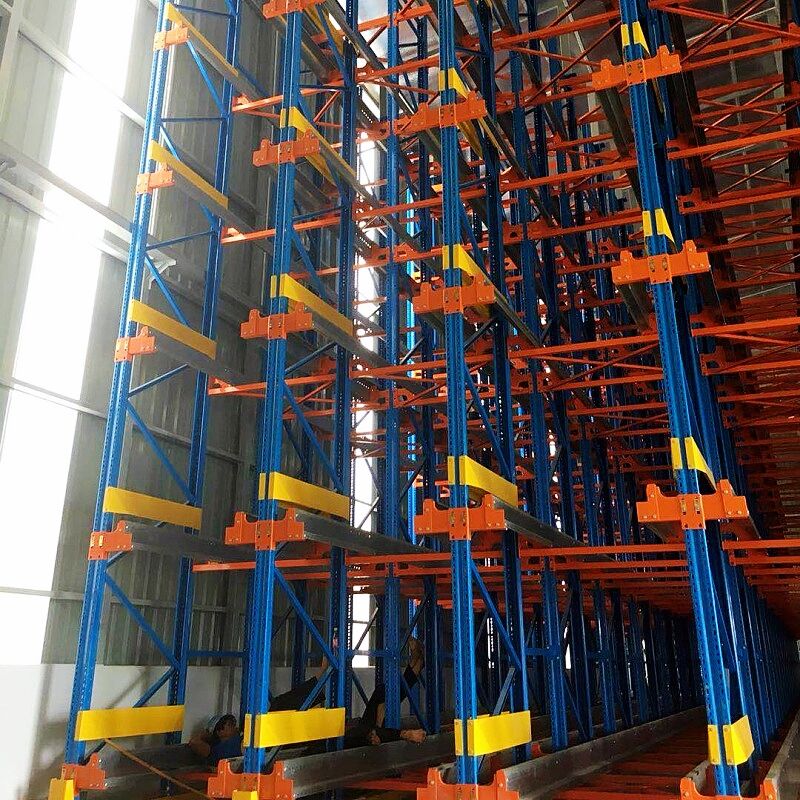
In any busy distribution center or manufacturing facility, warehouse storage racks are the backbone of day-to-day operations. They hold inventory, enable efficient picking workflows, and define the overall spatial logic of your storage environment. Yet despite their central role, these structures are frequently overlooked when maintenance schedules are drawn up. Many operators assume that because warehouse storage racks are made of heavy-gauge steel and designed for demanding loads, they will simply take care of themselves. That assumption is a costly one.
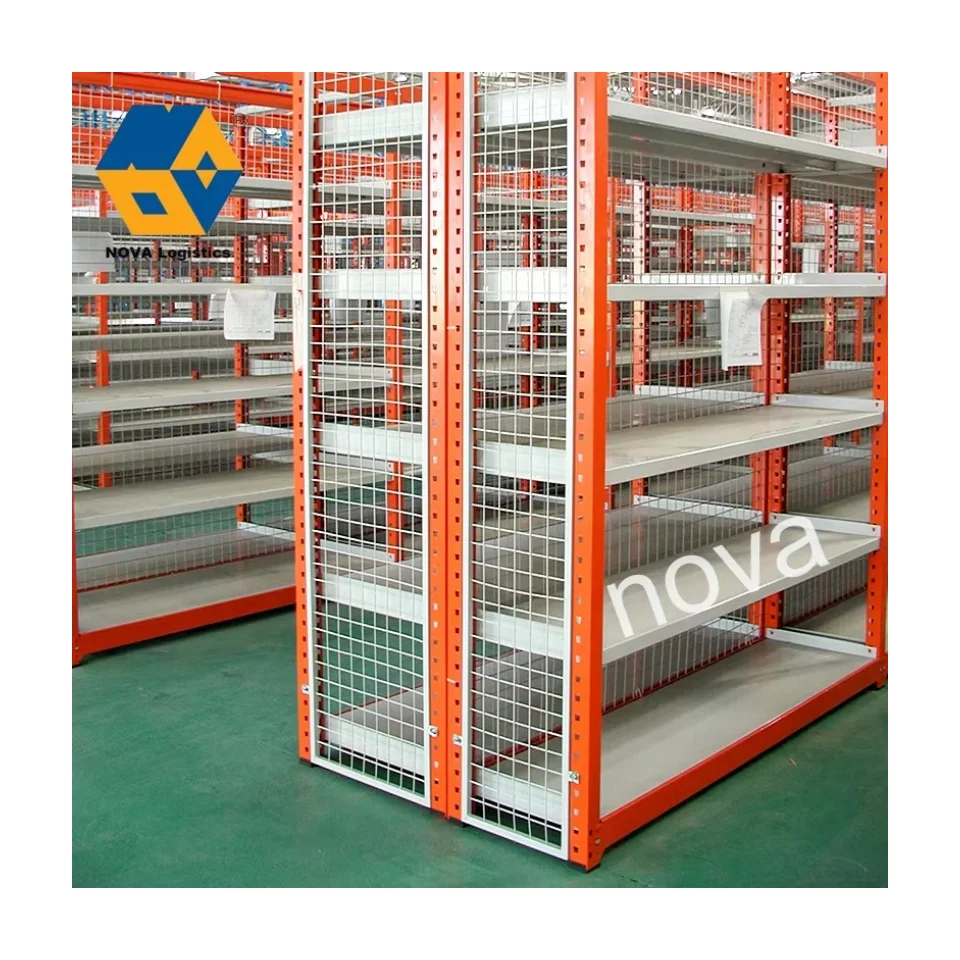
The reality is that warehouse storage racks are subject to daily mechanical stress, forklift impact, load shifting, humidity, and environmental wear that gradually compromise their structural integrity. A disciplined, documented maintenance program is not just good practice — it is a critical investment in safety, operational continuity, and long-term capital protection. This article outlines the specific maintenance practices that meaningfully extend the durability of warehouse storage racks and reduce the risk of costly failure.
Understanding How Warehouse Storage Racks Deteriorate Over Time
The Cumulative Nature of Structural Stress
Warehouse storage racks do not fail suddenly without warning in most cases. Deterioration is typically a gradual process driven by the accumulation of small stresses over time. Each forklift impact, even a minor one, can slightly deform an upright column or bend a beam connector. Repeated over months and years, these micro-damages add up to significant structural compromise that is invisible until a critical threshold is crossed.
Load cycles also contribute to metal fatigue, particularly in high-turnover warehouses where shelves are loaded and unloaded multiple times per shift. The continuous flexing of beam connectors and frame joints gradually weakens the components at their stress points. Understanding this cumulative pattern is the first step toward designing a maintenance program that catches problems before they become failures in your warehouse storage racks.
Environmental factors further accelerate deterioration. Facilities with high humidity, temperature fluctuations, or exposure to corrosive cleaning agents see accelerated surface rust, coating degradation, and connector corrosion. These conditions demand more frequent inspection intervals and specific protective measures to preserve the service life of warehouse storage racks.
Common Failure Points in Rack Systems
The uprights — also called columns or frames — are the primary load-bearing elements of any warehouse storage racks system. They transfer the weight of loaded beams directly to the floor, which means any damage to an upright has disproportionate structural consequences. Dents, bends, and base-plate damage to uprights are among the most dangerous conditions found during rack inspections.
Beam connectors and safety locks are another critical failure zone. These small components secure beams to uprights and prevent accidental dislodgement. When connectors are damaged or safety locks are missing, the entire beam can disengage under dynamic load — a scenario that leads to catastrophic cascading collapse. Regular checks of these components should be a non-negotiable part of any warehouse storage racks maintenance routine.
Floor anchoring is often underappreciated as a failure point. Over time, anchor bolts can loosen due to floor vibration, seismic activity, or mechanical stress. Unanchored or inadequately anchored rack frames are at significant risk of toppling, particularly in facilities that experience forklift traffic near rack ends. Checking anchor bolt torque and floor plate condition is a simple but critical maintenance step.
Routine Inspection Practices That Preserve Rack Integrity
Establishing a Structured Inspection Schedule
A structured inspection schedule is the foundation of any effective maintenance program for warehouse storage racks. Inspections should occur at three levels: daily visual checks by floor staff, monthly systematic inspections by a designated rack safety officer, and annual professional structural assessments. Each level serves a different purpose and catches different categories of damage.
Daily visual checks are informal but valuable. Staff working in the aisles are best positioned to notice fresh impact damage, leaning frames, or displaced beam locks in real time. Empowering and training employees to report damage immediately — rather than waiting for scheduled inspections — dramatically reduces the window during which compromised warehouse storage racks remain in service under load.
Monthly inspections should follow a standardized checklist that covers uprights, beams, bracing diagonals, floor anchors, safety pins, and load notices. Documenting these inspections creates a historical record that reveals deterioration trends. If a particular section of your warehouse storage racks consistently shows new damage each month, that pattern points to an operational issue — such as an overly tight aisle or poorly trained forklift operators — that must be addressed at the source.
Damage Classification and Response Protocols
Not all damage is equal, and a professional approach to maintaining warehouse storage racks requires a clear damage classification system. Minor surface scratches or paint loss without underlying deformation are low-priority cosmetic concerns. Moderate dents or bends — typically defined as deformation exceeding a specified millimeter threshold — require the affected bay to be unloaded and marked for repair within a defined timeframe. Severe damage, including any visible buckling or structural twist, demands immediate unloading and removal from service.
Having a response protocol in place before damage is discovered prevents the natural human tendency to downplay problems and continue operating compromised equipment. When staff know exactly what classification a damaged component falls into and what action is required, the decision-making process becomes fast, consistent, and defensible. This protocol-driven approach is one of the most impactful ways to extend the safe service life of warehouse storage racks.
Component replacement should always use manufacturer-approved parts that match the original rack system's specifications. Mixing components from different rack systems — even visually similar ones — can introduce incompatibilities in load capacity and connector geometry. Maintaining a small stock of commonly damaged replacement components reduces repair downtime and removes the temptation to continue operating damaged warehouse storage racks while waiting for parts to arrive.
Load Management as a Durability Practice
Respecting Load Capacity Labels and Placement Rules
One of the most straightforward and highest-impact maintenance practices for warehouse storage racks has nothing to do with tools or inspections — it is simply following load capacity rules consistently. Every rack system is engineered with a defined Safe Working Load (SWL) that specifies the maximum weight per beam level and per bay. Exceeding these limits, even occasionally or by what seems like a small margin, accelerates structural fatigue and can lead to sudden failure.
Load notices should be clearly posted on each bay of your warehouse storage racks and updated whenever configurations are changed. When rack layouts are reconfigured — as often happens when product lines or pallet dimensions change — load ratings must be formally reassessed rather than assumed to remain constant. A beam configuration that was adequate for standard pallets may be insufficient for unusually dense product loads of the same apparent volume.
Load placement discipline also matters. Evenly distributing weight across both beam spans and between left and right sides of a shelf level reduces localized stress on connectors and uprights. Loads should be placed squarely, with no overhang beyond the beam ends that could create lever-arm forces on the connector. Training forklift operators to follow precise load placement standards is an often-overlooked component of protecting warehouse storage racks long-term.
Adapting Load Practices to Rack Configuration
warehouse storage racks come in a variety of configurations — including selective, drive-in, push-back, and long-span shelving systems — and each configuration has its own load management logic. Long-span shelving, for example, is designed for hand-loaded goods distributed across a broader surface area, not for concentrated pallet loads. Using long-span configurations for purposes outside their design intent significantly shortens component life.
Multi-level rack systems require particular attention to how loads are distributed vertically. Concentrating heavy loads on upper levels raises the center of gravity of the entire rack bay and increases the lateral forces on uprights during seismic events or accidental impacts. Best practice in multi-level warehouse storage racks is to place heavier loads on lower levels and progressively lighter loads at higher elevations — a discipline that simultaneously improves safety and reduces structural wear.
In facilities that frequently adjust beam heights to accommodate changing inventory, regular re-inspection of all beam connector positions is essential. Beam-level adjustments, particularly if performed improperly, can result in connectors that are partially engaged rather than fully locked. These partially engaged connections are a hidden structural risk in warehouse storage racks that can be eliminated with a simple post-adjustment verification check.
Protective Measures That Reduce Impact and Corrosion Damage
Physical Guards and Traffic Management
Forklift impact is the single most common cause of damage to warehouse storage racks in active warehouses. The most effective way to reduce this damage is through a combination of physical protection and operational traffic management. Column protectors — also called upright guards or post protectors — are heavy-duty plastic or steel guards that bolt to the floor at the base of rack uprights and absorb the energy of low-speed forklift collisions before it reaches the structural column.
End-of-aisle guards and barrier rails serve a similar purpose at the more exposed row ends of rack systems. These barriers redirect forklift traffic and absorb impacts that would otherwise strike the most vulnerable structural points of warehouse storage racks. The modest cost of installing end-of-aisle protection typically pays for itself with the prevention of a single upright replacement event.
Aisle width standards also play a direct role in rack durability. Aisles that are too narrow relative to the equipment operating within them create a statistical certainty of frequent impact. If inspection records show a consistent pattern of damage in a particular aisle, the root cause analysis should include a review of whether the aisle width is appropriate for the forklift models in use. Adjusting the rack layout to provide adequate clearance is a structural maintenance decision as much as an operational one.
Surface Protection and Corrosion Prevention
The protective coating on warehouse storage racks — typically a powder-coated or epoxy-painted finish — serves as the first line of defense against surface corrosion. Once this coating is breached by impact, abrasion, or chemical exposure, bare metal is exposed and rust begins to develop. Left untreated, surface rust migrates under the surrounding coating, accelerating its failure and creating the conditions for structural corrosion that weakens load-bearing members.
A practical corrosion prevention program involves cleaning bare metal spots as soon as they are identified, treating them with a rust-inhibiting primer, and applying a compatible topcoat. In high-humidity environments such as cold storage or coastal facilities, this touch-up maintenance should be performed on a scheduled basis rather than waiting for visible rust to appear on warehouse storage racks.
Cleaning practices also affect coating durability. Harsh chemical cleaners or high-pressure water directed at rack frames can strip protective coatings or force moisture into connector joints. Using pH-neutral cleaners and avoiding direct high-pressure spray at structural components helps preserve coating integrity over the long service life expected from properly maintained warehouse storage racks.
Documentation, Training, and Organizational Maintenance Culture
The Role of Maintenance Documentation
Durable warehouse storage racks do not result from good intentions alone — they result from systematic documentation that creates accountability and institutional memory. A rack maintenance log that records every inspection, every damage event, and every repair or replacement action transforms maintenance from an informal activity into a managed process. This documentation also has significant value in the event of an insurance claim or regulatory audit.
Rack configuration records — including the original manufacturer specifications, load ratings, beam height settings, and any subsequent modifications — should be kept on file and updated whenever the rack system changes. Without this baseline documentation, it becomes impossible to verify whether current configurations are within the designed safe parameters of the original warehouse storage racks system.
Digital maintenance management tools increasingly make it practical to track rack condition at the individual bay level using QR codes, asset tags, or simple spreadsheet systems. Even a basic digital record that tracks inspection dates, damage notes, and repair history for each section of warehouse storage racks provides far better visibility than relying on informal memory or paper notes filed in a binder.
Training and Building a Safety-First Operational Culture
All the inspection protocols and protective hardware in the world are limited in impact if the people working around warehouse storage racks every day do not understand why rack maintenance matters. Onboarding training for new warehouse staff should include a module on rack safety awareness — covering why racks fail, what damage looks like, and what to do when damage is found. This knowledge empowers front-line workers to act as the first layer of the maintenance system.
Forklift operator training is particularly critical. The majority of structural damage to warehouse storage racks originates from forklift operations — whether from direct impact, improper load placement, or rough handling near rack faces. Periodic refresher training that emphasizes slow speeds near rack ends, precise load placement, and mandatory damage reporting creates behavioral patterns that directly reduce the rate of structural wear.
Leadership commitment to rack maintenance culture also matters. When managers visibly prioritize rack inspections, promptly authorize repairs, and treat damage reports as valuable information rather than inconvenient problems, they signal to the entire team that warehouse storage rack safety is a genuine organizational priority. That cultural signal, consistently reinforced, is one of the most powerful durability-extending investments a warehouse operation can make.
FAQ
How often should warehouse storage racks be formally inspected?
At a minimum, warehouse storage racks should receive a comprehensive formal inspection at least once per year, conducted by a qualified rack safety professional or structural engineer. In addition to this annual assessment, a designated internal rack safety officer should conduct systematic monthly inspections using a standardized checklist. Daily visual checks by floor staff should also be incorporated into standard operating procedures, particularly after high-traffic shifts or any known impact event.
Can minor impact damage to warehouse storage racks be ignored if the rack still looks stable?
No. Apparent stability after minor impact can be misleading because internal deformation in the steel — particularly in tubular upright columns — is not always visible from the outside. Even cosmetically minor dents can significantly reduce the load-bearing capacity of an upright. All impact damage to warehouse storage racks should be formally assessed and classified before a decision is made to continue loading the affected bay. Operating damaged racks under full load based on visual judgment alone is a serious safety risk.
What is the typical service life of well-maintained warehouse storage racks?
With proper maintenance, high-quality warehouse storage racks can remain in safe service for 15 to 25 years or longer. The key factors that determine service life are the frequency and severity of impact damage, the consistency of load management practices, the quality of corrosion protection, and the timeliness of component replacement when damage is identified. Poorly maintained rack systems in high-impact environments may show significant deterioration in as little as three to five years, while well-managed systems in controlled environments regularly exceed two decades of reliable service.
Should damaged rack components be repaired or replaced?
The answer depends on the severity and type of damage. Surface coating damage without structural deformation can often be addressed through paint touch-up and corrosion treatment. However, structurally deformed components — particularly bent uprights, damaged beam connectors, or cracked welds — should always be replaced with manufacturer-approved matching parts rather than repaired in place. Field repairs such as welding or straightening deformed uprights are not considered safe practice for warehouse storage racks and can void manufacturer load ratings. When in doubt, replacement is always the safer choice.