
 EN
EN
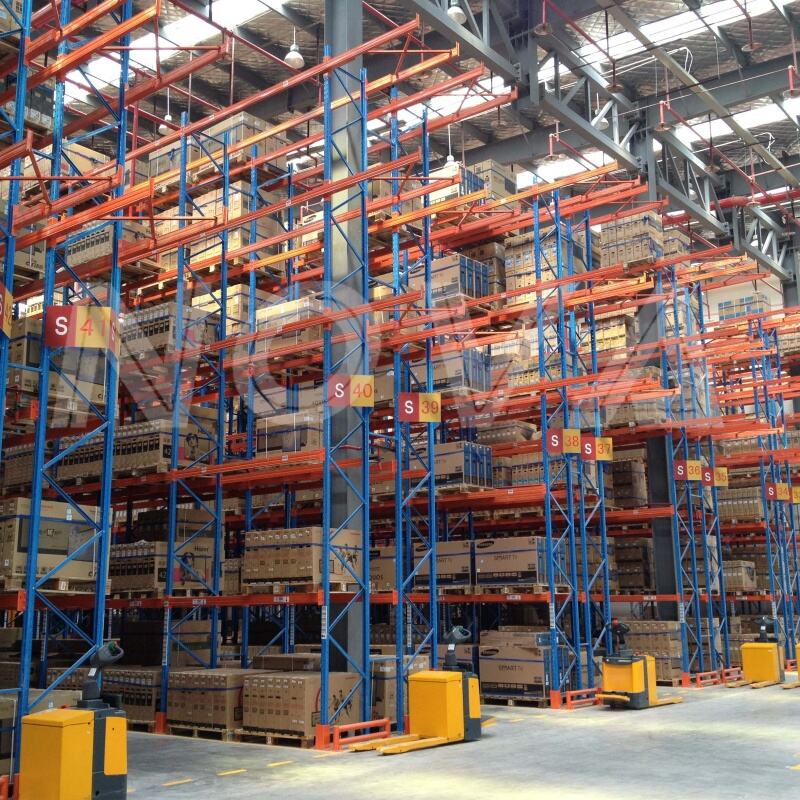
When a facility handles large volumes of goods, the question of which warehouse storage racks truly meet bulk storage requirements becomes a critical operational decision. Bulk storage is not a one-size-fits-all challenge — it involves heavy load capacities, efficient use of vertical space, fast throughput cycles, and compatibility with different material handling equipment. Choosing the wrong rack system can lead to wasted floor space, safety hazards, and significant logistical bottlenecks that directly impact profitability.
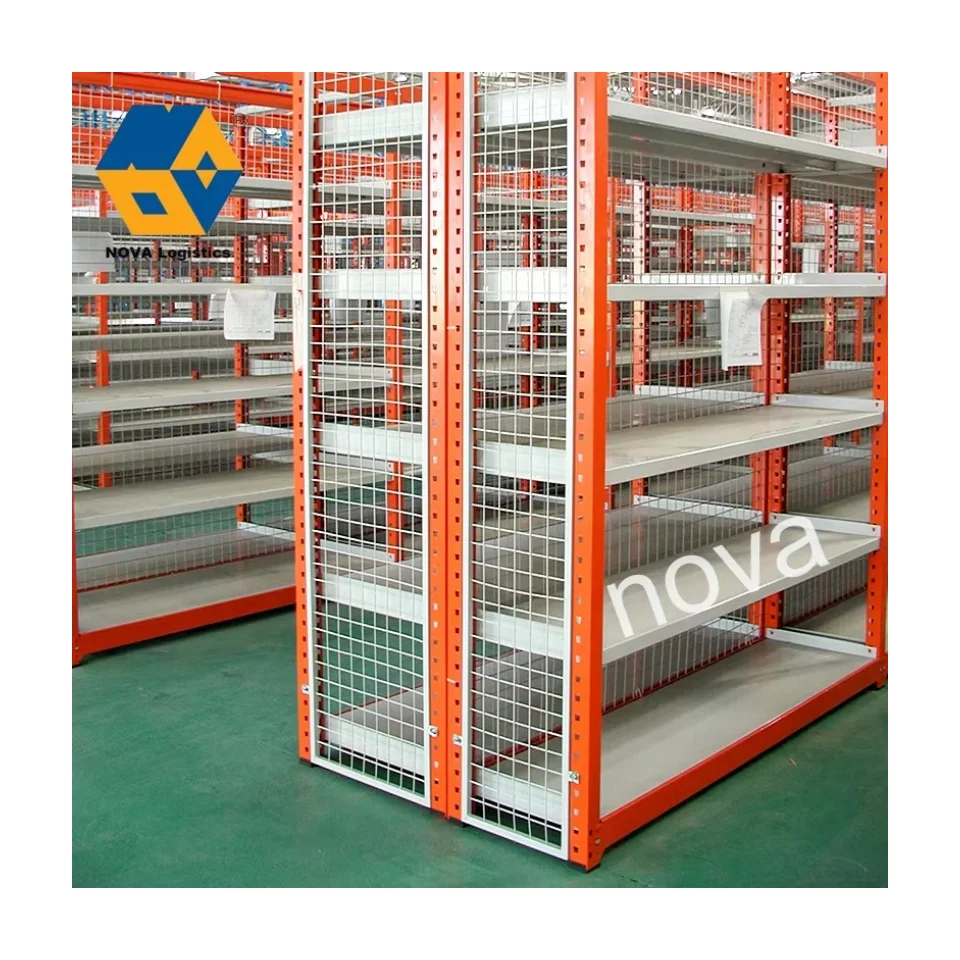
Understanding which warehouse storage racks best fit bulk storage requirements means evaluating several structural, operational, and spatial factors before making a commitment. The right system must align with your SKU profile, pallet dimensions, inventory rotation strategy, and the physical constraints of your facility. This article breaks down the core rack types suited for bulk environments, the selection criteria that matter most, and how to match rack design to specific operational realities.
Understanding Bulk Storage Requirements Before Selecting Racks
What Bulk Storage Actually Demands from a Rack System
Bulk storage, by definition, involves storing large quantities of similar goods with limited SKU diversity. This typically means high-density configurations, heavy unit loads, and a strong emphasis on maximizing cubic space utilization rather than product variety. The warehouse storage racks deployed in these environments must therefore be structurally robust, compatible with forklifts or reach trucks, and designed to minimize dead space between loads.
Key demands include the ability to bear heavy pallet loads consistently across multiple levels, straightforward accessibility for loading and unloading, and enough structural rigidity to remain stable under constant operational stress. Facilities handling commodities like building materials, beverages, paper rolls, or automotive parts routinely push rack systems to their design limits, which means engineering quality and load ratings are non-negotiable starting points.
Additionally, rack systems in bulk environments must be compatible with real-world floor conditions, column spacing, and ceiling heights. A theoretically ideal system that doesn't match the physical parameters of your warehouse will create more problems than it solves. This is why choosing warehouse storage racks for bulk applications requires both product knowledge and site-specific analysis.
The Role of Inventory Rotation in Rack Selection
One of the most decisive factors when evaluating warehouse storage racks for bulk storage is the required inventory rotation method — specifically whether your operation runs on a FIFO (first-in, first-out) or LIFO (last-in, first-out) model. FIFO rotation is essential for perishable goods, time-sensitive materials, or any product with expiry dates, while LIFO is acceptable for stable, non-perishable bulk commodities where date management is less critical.
Different rack systems inherently support different rotation methods. Deep-lane systems like drive-in racks are naturally LIFO, while push-back and flow rack systems facilitate FIFO without sacrificing density. Understanding your rotation requirement narrows the field of viable rack options considerably and prevents costly mistakes during implementation.
Rack Types That Align With Bulk Storage Environments
Selective Pallet Racking for Flexible Bulk Operations
Selective pallet racking remains the most widely deployed form of warehouse storage racks across all industries, and for good reason — it combines structural simplicity with high accessibility. In bulk storage contexts, selective racking works best when you have moderate SKU counts with high volume per SKU and need direct access to every pallet position. Its open-aisle design allows forklifts to retrieve any load without disturbing adjacent pallets.
The main trade-off with selective racking in bulk environments is aisle inefficiency. Since each bay requires its own access aisle, floor space utilization is lower compared to high-density alternatives. However, for operations where picking speed and flexibility outweigh density, selective warehouse storage racks offer an ideal blend of cost, adaptability, and ease of reconfiguration as inventory profiles change.
Modern selective pallet racking systems, including adjustable medium-duty and long-span configurations, can be tailored to specific load weights and bay widths. This flexibility makes them highly practical for bulk operations that handle varied pallet dimensions or frequently adjust storage layouts in response to seasonal demand shifts.
Drive-In and Drive-Through Racks for Maximum Density
For operations that prioritize density above all else, drive-in and drive-through racks are among the most effective warehouse storage racks available. Drive-in systems allow forklifts to enter the rack structure itself and place pallets on rails at depth, eliminating the need for individual access aisles between each lane. This can dramatically reduce the percentage of floor space dedicated to aisles and increase storage capacity within the same footprint.
Drive-in racks operate on a LIFO basis — the last pallet loaded is the first to be retrieved — making them well-suited for bulk commodities that don't require strict date rotation. Drive-through systems, by contrast, allow entry from both sides and support FIFO rotation, though they require more aisle space and careful traffic management. Both variants require specialized forklifts with sufficient mast height and entry clearance to operate safely.
The structural demands on drive-in warehouse storage racks are significant. Because forklifts operate inside the rack structure, the uprights and rails are exposed to repeated lateral contact, making high-quality steel fabrication and column protection guards essential components of a safe installation. Facilities that handle large uniform loads — such as food manufacturing or cold storage — regularly rely on these systems for their unmatched volumetric efficiency.
Long-Span and Medium-Duty Shelving for Versatile Bulk Storage
Not all bulk storage involves palletized loads. Many industrial and distribution facilities store large, irregularly shaped items — pipes, lumber, sheet goods, or heavy equipment components — that don't fit standard pallet configurations. For these applications, long-span warehouse storage racks with adjustable beam spacing offer an ideal solution. These systems are designed to handle high loads across wider bay openings without intermediate uprights, allowing for manual placement or crane loading of extended items.
Medium-duty shelving variants of long-span racks provide a versatile middle ground between light-duty shelving and full heavy-duty pallet racking. They are particularly well-suited for bulk storage of boxed goods, bundled materials, or mixed SKUs that are too heavy for standard shelving but don't require the full load capacity of pallet racking. The adjustability of beam levels makes these systems easy to reconfigure as product dimensions change.
These warehouse storage racks in long-span configurations can be built across multiple levels, integrating mezzanine decking to create additional storage tiers within the same vertical space. For facilities with high ceilings and moderate forklift availability, this multi-level approach can dramatically increase total storage capacity without expanding the building's physical footprint.
Key Selection Criteria for Matching Racks to Bulk Requirements
Load Capacity and Structural Rating
Every decision about warehouse storage racks for bulk storage must begin with a clear understanding of load requirements. This includes both the unit load per pallet position and the total bay load distributed across all levels. Manufacturers specify rack systems using both upright frame capacity (the total load a column pair can support) and beam capacity (the load per individual level), and both ratings must exceed your operational maximums with a suitable safety margin.
In bulk environments, underestimating load capacity is a dangerous and costly mistake. Overloaded racks risk catastrophic collapse, endangering both workers and inventory. Conversely, over-specifying capacity may result in unnecessary capital expenditure. Proper load analysis, ideally conducted with engineering support, ensures that the selected warehouse storage racks are appropriately rated for the actual demands they will face in daily operation.
Steel thickness, weld quality, and surface finish all contribute to structural performance over the long term. High-quality powder-coated finishes resist corrosion in humid or temperature-controlled environments, while robust cross-bracing patterns improve resistance to seismic loads and accidental impact from material handling equipment.
Spatial Efficiency and Aisle Configuration
The relationship between rack depth, aisle width, and overall floor space utilization defines the efficiency of any bulk storage system. Conventional selective warehouse storage racks use wide aisles that accommodate counterbalance forklifts, typically consuming 40–50% of floor area for travel lanes. Narrow aisle and very-narrow aisle (VNA) configurations reduce this percentage but require specialized equipment and precise floor flatness standards.
For high-density bulk storage, operators often compare the cost per pallet position — factoring in both rack investment and the floor space each position consumes. Systems that reduce aisle space through deeper storage lanes or double-deep configurations deliver more positions per square meter, lowering the effective storage cost even when the rack system itself carries a higher unit price.
Ceiling height is equally important. Vertical space is frequently underutilized in older facilities, and investing in taller warehouse storage racks that reach toward the ceiling can multiply storage capacity without any changes to the building footprint. Engineers must verify that local fire codes permit the desired rack height and that sprinkler systems are appropriately positioned for in-rack fire suppression if required.
Practical Considerations for Installing Bulk Storage Racks
Floor Strength and Anchor Requirements
The structural performance of any warehouse storage racks system depends not only on the rack itself but on the floor to which it is anchored. Concrete floor thickness, compressive strength, and the presence of post-tension cables all affect the type and placement of anchor bolts that can be safely used. A geotechnical or structural assessment of the floor slab is an important precaution before installing heavy-duty bulk storage systems, particularly in older facilities or newly constructed buildings where curing is incomplete.
Proper anchoring prevents rack movement and tipping under operational loads, particularly when forklifts apply lateral forces during loading and unloading. Rack manufacturers typically specify minimum anchor bolt specifications, but local engineers may need to verify these recommendations against site-specific floor data. Skipping this step is one of the most common installation errors that leads to premature rack failure or safety incidents.
Maintenance and Inspection Protocols for Long-Term Safety
Once installed, warehouse storage racks require a consistent maintenance and inspection regime to sustain safe performance. Bulk storage environments subject rack structures to daily forklift contact, vibration from heavy loads, and the cumulative effects of minor impacts that, over time, can compromise structural integrity. Regular visual inspections conducted by trained personnel can identify damaged uprights, bent beams, missing safety pins, and misaligned anchor bolts before they escalate into serious hazards.
Many facilities implement a formal rack inspection schedule — often monthly or quarterly — documented by dedicated safety personnel or an external rack inspection service. Damaged components should be tagged and removed from service immediately, with replacement parts sourced from the original manufacturer to ensure dimensional compatibility and matching load ratings. Mixing components from different manufacturers in bulk storage warehouse storage racks is a common but dangerous practice that voids engineering certifications and introduces unknown failure points.
Investing in column protectors, end-of-aisle guards, and anti-collapse mesh panels extends the service life of rack systems and reduces the frequency of replacement. These accessories are especially valuable in high-throughput bulk storage environments where forklift traffic is intense and the risk of accidental impact is elevated.
FAQ
What type of warehouse storage racks are best suited for very high-density bulk storage?
Drive-in and push-back rack systems are generally best for very high-density bulk storage because they minimize aisle space by allowing multiple pallets to be stored in depth within the same lane. These warehouse storage racks are particularly effective when storing large quantities of the same SKU and where density is the primary priority over individual pallet accessibility.
Can warehouse storage racks be adjusted after installation to accommodate different bulk load sizes?
Many modern warehouse storage racks, particularly selective pallet racking and long-span shelving systems, feature adjustable beam levels that can be repositioned to accommodate different load heights. However, any reconfiguration should be performed by qualified personnel following manufacturer guidelines to ensure load ratings are not compromised. Structural changes to rack configurations typically require a re-evaluation of load capacity.
How do I determine the correct load capacity for warehouse storage racks in a bulk environment?
The correct load capacity is determined by calculating the maximum unit load per pallet position, multiplying by the number of levels, and applying an appropriate safety factor. For warehouse storage racks in bulk storage applications, this calculation should include both static load (stored goods) and dynamic load (impact from forklift placement). Working with a qualified rack engineer or the manufacturer's technical team ensures accurate specification.
Are long-span warehouse storage racks suitable for storing non-palletized bulk goods?
Yes, long-span warehouse storage racks are specifically designed to accommodate non-palletized goods including pipes, sheet materials, bundled items, and heavy boxed goods. Their wider bay spans without intermediate supports allow flexible loading of irregularly shaped items. Adjustable beam configurations make them adaptable to a wide range of product dimensions, making them a practical choice for industrial bulk storage operations that handle non-standard load formats.
Table of Contents
- Understanding Bulk Storage Requirements Before Selecting Racks
- Rack Types That Align With Bulk Storage Environments
- Key Selection Criteria for Matching Racks to Bulk Requirements
- Practical Considerations for Installing Bulk Storage Racks
-
FAQ
- What type of warehouse storage racks are best suited for very high-density bulk storage?
- Can warehouse storage racks be adjusted after installation to accommodate different bulk load sizes?
- How do I determine the correct load capacity for warehouse storage racks in a bulk environment?
- Are long-span warehouse storage racks suitable for storing non-palletized bulk goods?