
 EN
EN
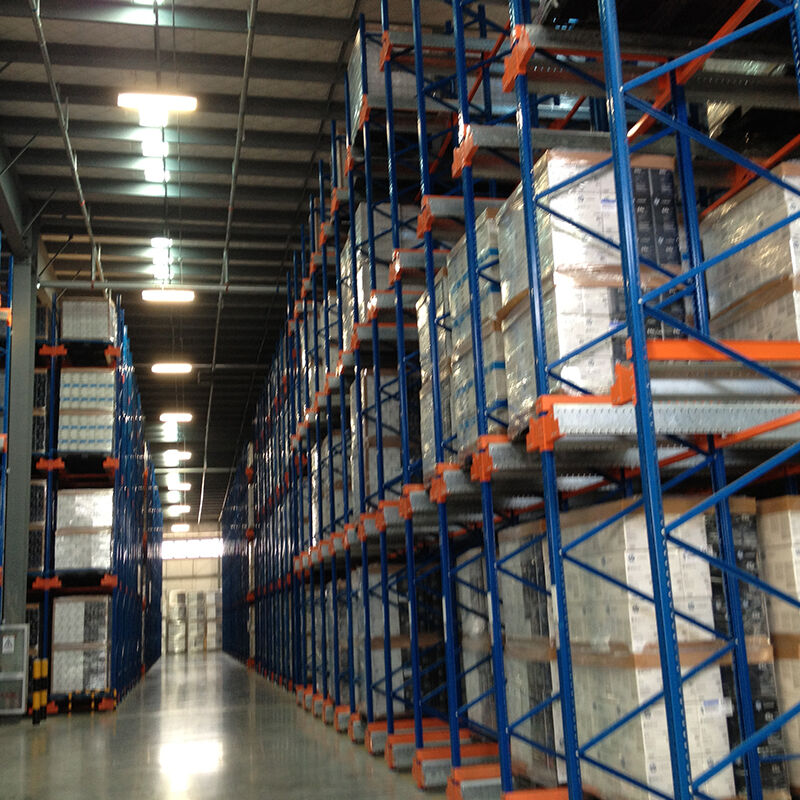
Effective warehouse organization is one of the most critical drivers of operational efficiency in any storage or distribution facility. When inventory is poorly arranged, workers spend unnecessary time locating items, picking errors increase, and safety risks multiply. warehouse storage racks are one of the most practical and proven solutions that facility managers rely on to bring order, structure, and efficiency to chaotic storage environments. From small-scale operations to large distribution centers, the right racking system fundamentally transforms how space and inventory are managed.
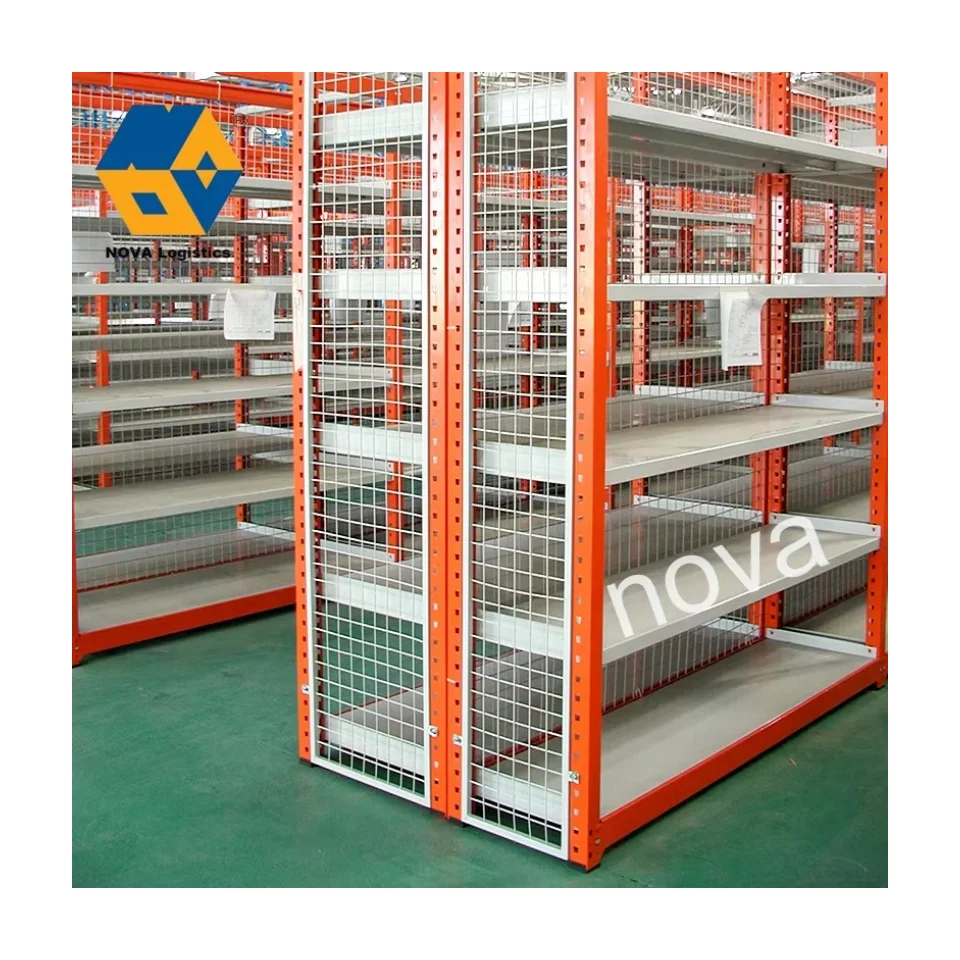
Understanding exactly how warehouse storage racks improve warehouse organization requires looking beyond the obvious visual tidiness they provide. The impact is structural, operational, and financial. Properly implemented warehouse storage racks change how products are categorized, how workers navigate the floor, how inventory is tracked, and how safely the overall operation runs. This article walks through the key mechanisms by which warehouse storage racks contribute to superior warehouse organization, helping decision-makers evaluate their options with clarity and confidence.
Creating Vertical Space Utilization and Structural Order
Maximizing Cubic Footage Instead of Floor Area
One of the most immediate and measurable ways warehouse storage racks improve organization is by enabling vertical storage. Most warehouses have significant unused vertical space above head height that remains wasted without a proper racking system. Warehouse storage racks allow facilities to stack inventory upward in organized, accessible tiers rather than spreading goods horizontally across valuable floor space.
This vertical orientation means that the same square footage of warehouse floor can hold dramatically more product. When the cubic capacity of the facility is properly utilized, the total volume of organized inventory increases without requiring building expansion. This directly reduces the pressure of overcrowding, which is one of the most common causes of disorganized warehouses.
Adjustable and multi-level warehouse storage racks are especially effective in this regard. They allow operators to configure shelf heights to match the specific dimensions of their SKUs, preventing wasted vertical gaps between shelves. Every centimeter of vertical space can be allocated intentionally rather than accidentally.
Establishing Clear Physical Zones and Pathways
Warehouse storage racks naturally divide the warehouse floor into defined lanes, bays, and zones. This physical structuring is foundational to good warehouse organization. When rows of racking are installed with planned aisle widths, workers can move through the facility in predictable, logical patterns rather than navigating a chaotic floor of stacked pallets and loose items.
Clear aisle design supported by warehouse storage racks makes it easier to assign zones for receiving, staging, fast-moving inventory, slow-moving inventory, and dispatch. Each zone becomes spatially distinct, reducing the confusion that leads to misplaced products and picking errors. The physical boundaries created by racking rows serve as the skeleton of any warehouse organization system.
This structural clarity also supports forklift and equipment traffic management. With organized rack rows defining movement paths, the risk of collisions and accidents decreases, and workers can execute tasks with greater speed and confidence. Organization is not just visual—it is embedded in the physical layout that warehouse storage racks establish.
Improving Inventory Visibility and Accessibility
Making Every SKU Findable and Reachable
A well-organized warehouse is one where any product can be located quickly and retrieved without unnecessary movement. Warehouse storage racks support this by giving every item a defined location that is visible, labeled, and consistently maintained. When goods are stored on shelves at designated positions, warehouse staff know exactly where to look without guesswork or time-consuming searches.
Warehouse storage racks with adjustable shelving are particularly valuable here because they can be configured to match the ergonomic and logistical needs of the operation. High-velocity SKUs can be placed at easy-access heights and near dispatch zones, while slower items can be assigned to higher or deeper shelf positions. This intentional placement strategy is only possible when a physical racking structure provides defined slots for each product category.
The visibility that warehouse storage racks provide also reduces the frequency of inventory inaccuracies. When stock is clearly separated by position and easily visible during cycle counts or audits, discrepancies are caught earlier and corrected faster. Inventory accuracy is a direct function of how well the physical storage environment supports visual and systematic checks.
Supporting Labeling and Location Management Systems
Modern warehouse management systems rely on physical location data to function effectively. Warehouse storage racks provide the fixed, addressable location grid that WMS software needs to assign bin codes, aisle identifiers, and level designations. Without a structured racking system, location-based inventory management becomes extremely difficult to implement accurately.
Each beam level, bay, and column of warehouse storage racks can be labeled with barcodes, QR codes, or RFID tags that integrate directly with digital inventory systems. This integration creates a seamless link between physical storage and digital records, enabling real-time tracking of stock movements, automated reorder triggers, and audit-ready inventory reports.
The organization benefit here extends well beyond physical tidiness. Warehouse storage racks effectively become the physical infrastructure of the facility's data architecture. When racks are well-planned and consistently labeled, the entire inventory management ecosystem operates with greater accuracy and less manual intervention.
Enhancing Workflow Efficiency and Picking Speed
Reducing Travel Time During Order Fulfillment
One of the most significant contributors to warehouse labor costs is the time workers spend traveling between storage locations during picking operations. Warehouse storage racks directly improve this metric by enabling logical product slotting based on pick frequency, order patterns, and product relationships. When fast-moving goods are positioned in easily accessible rack bays close to packing stations, travel time per pick drops substantially.
The structured layout that warehouse storage racks provide also makes it possible to implement batch picking, zone picking, and wave picking strategies more effectively. These fulfillment methodologies depend on clear physical boundaries and predictable product locations—both of which are established and maintained by a properly configured racking system.
When workers follow optimized pick paths through well-organized rack rows, the number of steps per order decreases, throughput increases, and labor productivity improves. This efficiency gain is not incidental; it is a direct result of the organizational structure that warehouse storage racks provide to the facility.
Reducing Product Handling Errors and Misplacement
Disorganized warehouses are environments where products are frequently misplaced, mislabeled, or stored in inconsistent locations. This creates picking errors, fulfillment delays, and customer dissatisfaction. Warehouse storage racks reduce these errors by creating a single, consistent storage address for each product that all staff members follow.
When workers return items to stock or put away new deliveries, the racking system provides clear visual guidance about where each product belongs. This reduces the chance of products ending up in random positions that are invisible to the picking team. The discipline of organized racking also makes it easier to enforce standard operating procedures, as the physical environment reinforces the intended workflow rather than working against it.
Over time, warehouse storage racks help build a culture of organizational discipline in the facility. When staff members work consistently within a well-structured storage environment, habits of order and accuracy become embedded in daily operations rather than requiring constant supervisory enforcement.
Supporting Safety, Compliance, and Long-Term Scalability
Reducing Workplace Hazards Through Structural Organization
Safety is an inseparable component of warehouse organization. A cluttered, poorly organized warehouse is not just inefficient—it is dangerous. Warehouse storage racks significantly reduce common safety hazards by eliminating the need to stack products directly on the floor, which creates tripping risks, toppling hazards, and blocked emergency exits.
When inventory is stored on structured warehouse storage racks with appropriate weight ratings and load limits, the risk of product collapse is dramatically reduced compared to freestanding floor stacks. Racks that are properly anchored and designed for the weight and dimensions of the stored goods provide a stable, predictable storage environment that protects both inventory and personnel.
Clear aisles maintained by the physical structure of warehouse storage racks also ensure that emergency egress routes remain unobstructed. Compliance with fire safety and occupational health regulations becomes easier to maintain when the facility's storage infrastructure inherently supports open pathways and organized zones rather than requiring constant manual intervention to keep them clear.
Adapting to Business Growth Without Reorganizing from Scratch
A warehouse that grows without a scalable storage infrastructure quickly becomes disorganized again even if it was well-managed previously. Warehouse storage racks, particularly adjustable and modular designs, allow facilities to scale their storage capacity and reconfigure layouts without discarding their existing infrastructure investment.
As product lines expand, order volumes increase, or operational priorities shift, adjustable warehouse storage racks can be reconfigured with different shelf heights, additional beam levels, or extended bay lengths. This flexibility means the organizational structure of the warehouse can evolve alongside the business without requiring a complete operational shutdown for reorganization.
Long-span warehouse storage racks, in particular, offer the versatility to accommodate a wide range of product sizes and weights across different business phases. Investing in adaptable racking infrastructure from the outset is one of the most cost-effective decisions a warehouse operator can make, as it preserves organizational integrity even as the facility's needs change over time.
FAQ
What types of warehouse storage racks are best for general warehouse organization?
Adjustable medium-duty and long-span warehouse storage racks are among the most versatile options for general warehouse organization. They accommodate a wide variety of product sizes and weights while allowing shelf height adjustments as inventory needs evolve. The best choice depends on load requirements, product dimensions, and the frequency of layout changes needed in the specific operation.
How do warehouse storage racks integrate with warehouse management software?
Warehouse storage racks provide the fixed physical location grid that WMS platforms use to assign bin codes, aisle designations, and level identifiers. Each position on the rack can be labeled with a barcode or RFID tag that ties directly into the digital system, enabling real-time inventory tracking, automated location assignments, and accurate stock movement records throughout the facility.
Can warehouse storage racks be adjusted after installation if storage needs change?
Yes. Most modern warehouse storage racks are designed with adjustable beam levels that can be repositioned without specialized tools or complete disassembly. This flexibility allows warehouse operators to reconfigure shelf heights, add extra levels, or extend bays as product mixes, SKU dimensions, or business volumes change, protecting the initial infrastructure investment over the long term.
How do warehouse storage racks contribute to worker safety in a facility?
Warehouse storage racks improve safety by eliminating floor-level product stacking, which reduces tripping hazards and toppling risks. They maintain clear aisle pathways for safe pedestrian and equipment movement, help ensure emergency exits remain unobstructed, and distribute stored weight in structurally engineered load paths that reduce the likelihood of product collapse or shelf failure during normal operations.
Table of Contents
- Creating Vertical Space Utilization and Structural Order
- Improving Inventory Visibility and Accessibility
- Enhancing Workflow Efficiency and Picking Speed
- Supporting Safety, Compliance, and Long-Term Scalability
-
FAQ
- What types of warehouse storage racks are best for general warehouse organization?
- How do warehouse storage racks integrate with warehouse management software?
- Can warehouse storage racks be adjusted after installation if storage needs change?
- How do warehouse storage racks contribute to worker safety in a facility?