
 EN
EN
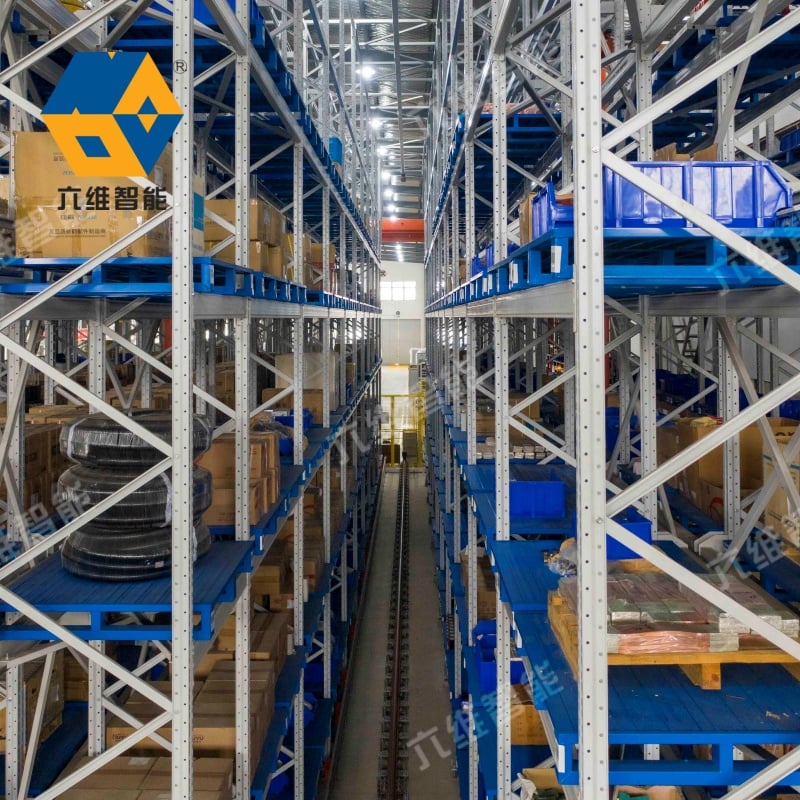
Modern logistics operations face relentless pressure to move faster, store smarter, and reduce operational costs simultaneously. An asrs warehouse addresses these demands directly by replacing traditional manual storage with fully automated systems that retrieve, store, and manage inventory with exceptional precision. As supply chains grow more complex, the asrs warehouse has emerged not as a luxury upgrade but as a foundational requirement for competitive logistics performance.
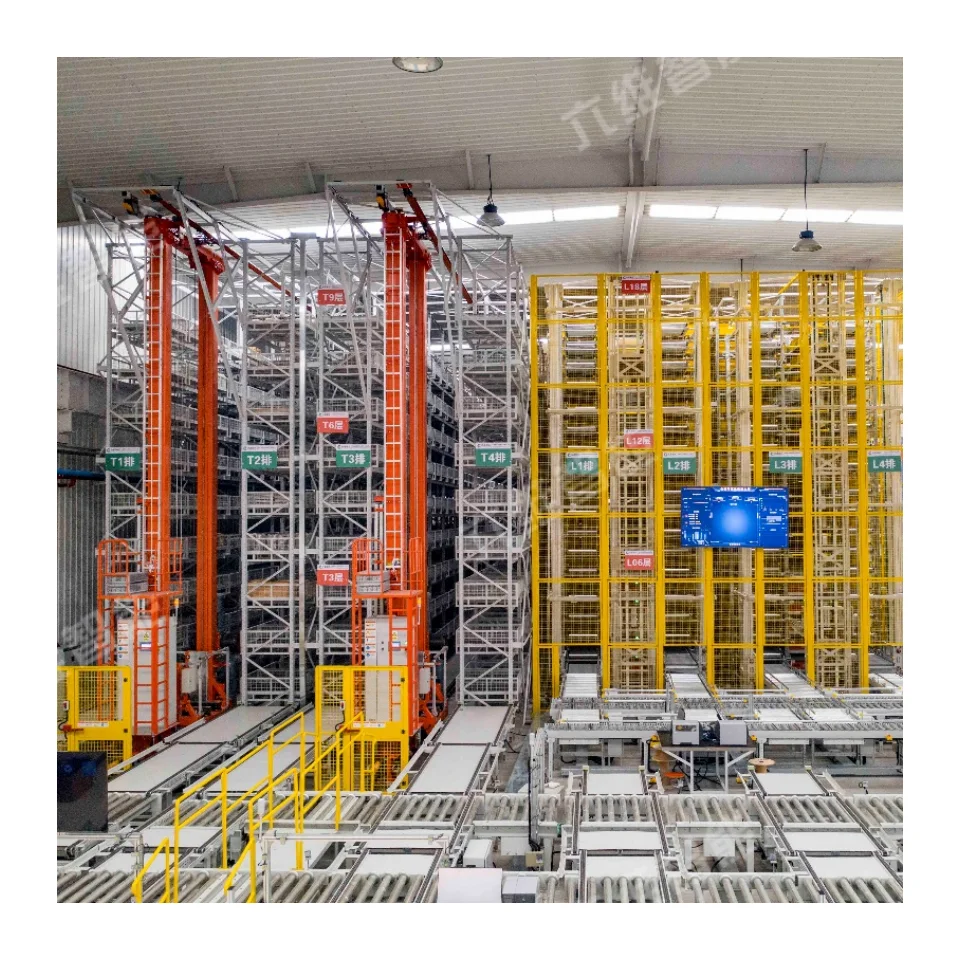
The asrs warehouse concept integrates automated racking systems, robotic shuttles, and intelligent software to create a unified storage and retrieval environment. Unlike conventional warehouses that depend heavily on manual labor and static shelving, the asrs warehouse dynamically manages inventory flow, minimizes errors, and maximizes every square meter of available space. Understanding why the asrs warehouse is critical to modern logistics upgrades requires examining its structural advantages, operational impact, and long-term strategic value.
The Structural Advantages of an ASRS Warehouse
Vertical Space Utilization and Storage Density
One of the most immediate advantages of an asrs warehouse is its ability to exploit vertical space that conventional storage systems completely ignore. Traditional warehouse layouts are constrained by the reach of human operators and forklifts, leaving enormous volumes of overhead space unused. The asrs warehouse solves this by deploying automated racking structures that extend to full building height, storing goods at elevations no manual system could practically reach. This means that an asrs warehouse can accommodate two to three times the inventory volume of a conventionally organized facility with the same floor footprint.
For logistics operations facing high land costs or facility expansion limits, the asrs warehouse offers a path to greater capacity without relocating or constructing new buildings. The asrs warehouse effectively transforms underused vertical airspace into productive, accessible storage. This structural efficiency directly supports logistics upgrades by enabling higher throughput without proportionally higher overhead costs.
Precision Layout Design for Throughput Optimization
Beyond vertical density, the asrs warehouse is engineered with throughput optimization as a core design principle. Storage locations within an asrs warehouse are assigned dynamically by software based on item turnover frequency, order patterns, and retrieval priority. High-velocity items are positioned at optimal access points, while slower-moving stock occupies deeper storage zones. This intelligent layout logic means the asrs warehouse minimizes unnecessary movement and retrieval time at the system level, not just at the individual task level. The result is a consistently faster and more predictable fulfillment cycle that manual warehouse layouts simply cannot replicate.
Operational Impact on Modern Logistics Performance
Speed, Accuracy, and Error Reduction
Speed and accuracy are the twin pillars of effective logistics performance, and the asrs warehouse directly strengthens both. In a conventional warehouse, human pickers are subject to fatigue, distraction, and the physical limitations of navigating large floor spaces. The asrs warehouse eliminates these variables by routing automated shuttles and retrieval machines directly to precise storage addresses within seconds. The asrs warehouse executes storage and retrieval tasks with consistent mechanical accuracy, drastically reducing mispicks, misplacements, and inventory discrepancies. For logistics operations handling high order volumes or sensitive goods, the error reduction delivered by an asrs warehouse translates directly into better customer satisfaction and fewer costly returns.
Furthermore, the asrs warehouse continuously logs every storage and retrieval event in real time, creating a complete and auditable inventory record. This data visibility allows logistics managers to identify bottlenecks, track inventory aging, and forecast replenishment needs with far greater confidence than a manually operated asrs warehouse alternative could provide. Real-time visibility is no longer optional in modern supply chains, and the asrs warehouse makes it a standard operational feature rather than an added complexity.
Labor Efficiency and Workforce Reallocation
Labor costs represent one of the most significant and variable expense categories in warehouse operations. The asrs warehouse dramatically reduces the labor hours required for basic storage and retrieval tasks by automating the most repetitive and physically demanding work. This does not simply mean fewer workers overall. The asrs warehouse enables organizations to redeploy existing staff toward higher-value activities such as quality control, customer coordination, and exception handling. In labor-scarce markets or during peak demand periods, the asrs warehouse provides a reliable operational capacity that does not fluctuate with workforce availability. This labor stability is a major reason why logistics planners prioritize asrs warehouse integration when planning infrastructure upgrades.
Strategic Value of ASRS Warehouse in Long-Term Logistics Planning
Scalability and Adaptability to Demand Changes
Modern logistics networks must respond to rapid shifts in order volumes, product ranges, and distribution patterns. The asrs warehouse is inherently scalable because its software-driven architecture can accommodate additional storage modules, expanded racking configurations, and upgraded retrieval systems without rebuilding core infrastructure. An asrs warehouse can be reconfigured to handle new product categories or adjusted to meet seasonal demand surges far more efficiently than a static conventional warehouse. This adaptability makes the asrs warehouse a long-term asset rather than a fixed infrastructure commitment, directly supporting the agility that modern logistics upgrades demand.
Integration with Broader Supply Chain Technologies
The asrs warehouse does not operate in isolation. It is designed to integrate seamlessly with warehouse management systems, enterprise resource planning platforms, and broader supply chain visibility tools. This connectivity means that the asrs warehouse becomes an active participant in end-to-end logistics orchestration rather than a passive storage location. Orders received at one end of the supply chain can trigger automated retrieval sequences within the asrs warehouse in real time, compressing the gap between order placement and shipment preparation. For logistics operations pursuing digital transformation, the asrs warehouse serves as a critical node where physical inventory management meets intelligent data-driven decision-making. Investing in an asrs warehouse today positions organizations to adopt emerging automation technologies with minimal disruption tomorrow.
FAQ
What types of products are best suited for an asrs warehouse environment?
An asrs warehouse is well suited for products that have consistent dimensions, high turnover volumes, or require precise inventory tracking. Industries such as pharmaceuticals, automotive parts, e-commerce fulfillment, and food distribution frequently rely on asrs warehouse systems because their goods benefit most from the accuracy, speed, and controlled environment that asrs warehouse automation provides.
How long does it typically take to implement an asrs warehouse system?
The implementation timeline for an asrs warehouse varies based on facility size, system complexity, and integration requirements. A standard asrs warehouse installation generally ranges from several months to over a year when accounting for design, construction, software configuration, and staff training. Organizations planning an asrs warehouse upgrade should engage with system providers early to develop a realistic project roadmap and minimize operational disruption during the transition period.
Is an asrs warehouse cost-effective for mid-sized logistics operations?
Yes, an asrs warehouse can deliver strong cost-effectiveness for mid-sized operations, particularly when evaluated over a five-to-ten-year horizon. The asrs warehouse reduces ongoing labor costs, minimizes inventory errors, and increases storage capacity without facility expansion. Mid-sized logistics operators often find that the asrs warehouse pays for itself through cumulative labor savings and error-reduction benefits within a few years of full deployment.