Vertical Automated Storage System Solutions: Maximize Space and Efficiency

All Categories

Get a Free Quote

Our representative will contact you soon.
Email
Name
Company Name
Message
0/1000

vertical automated storage system

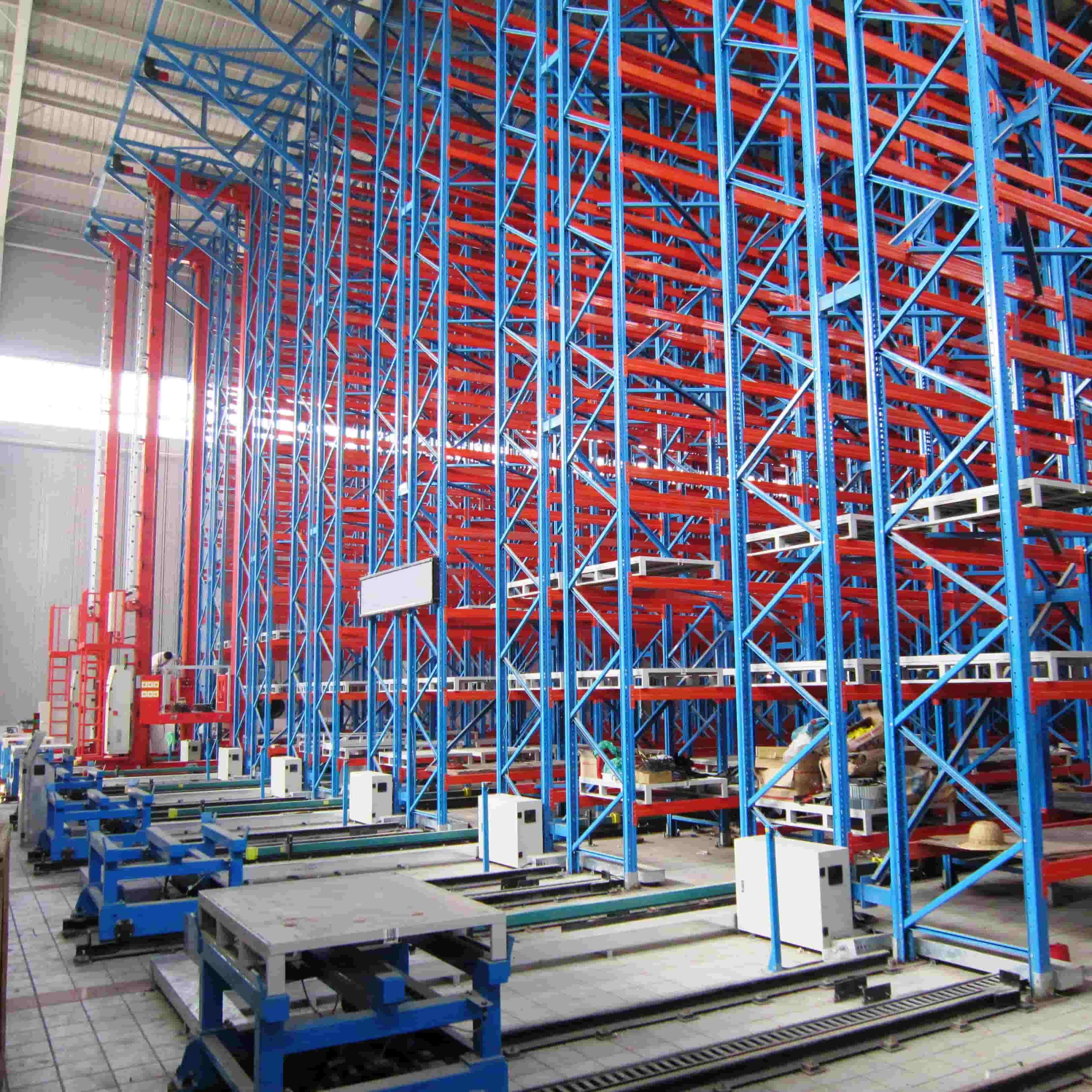
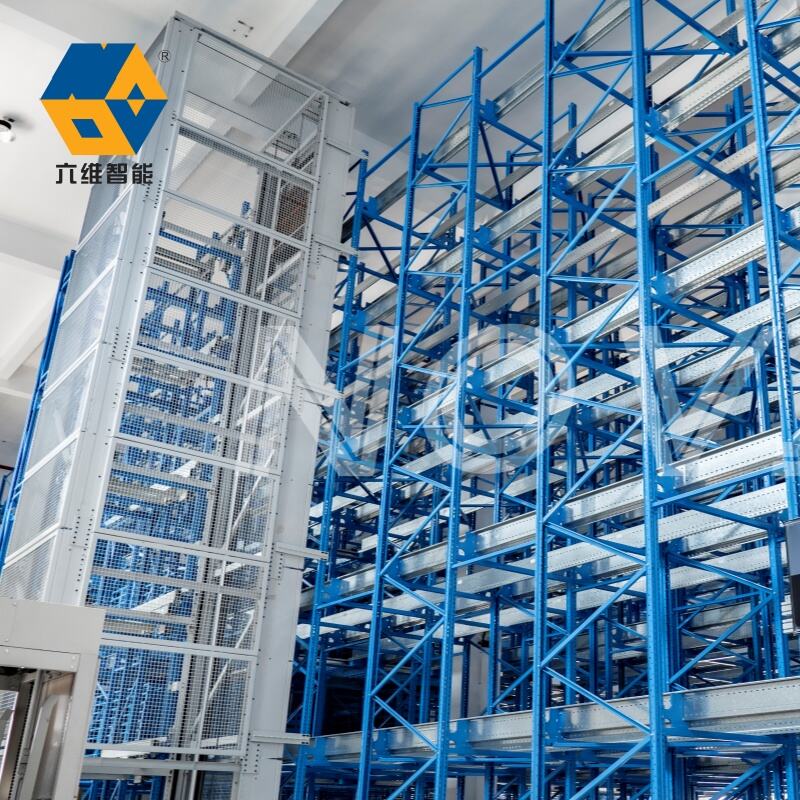
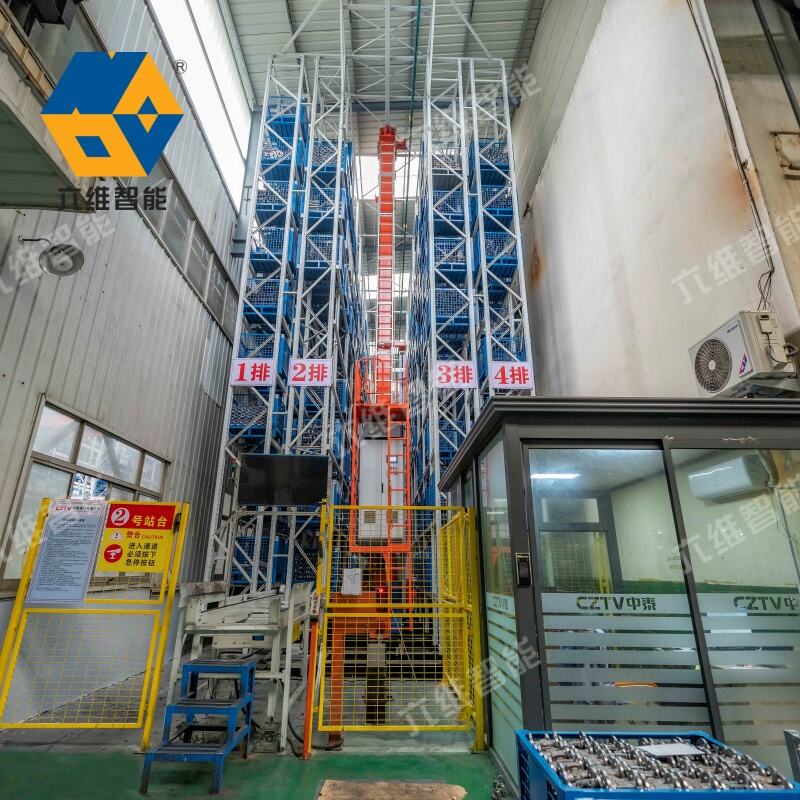
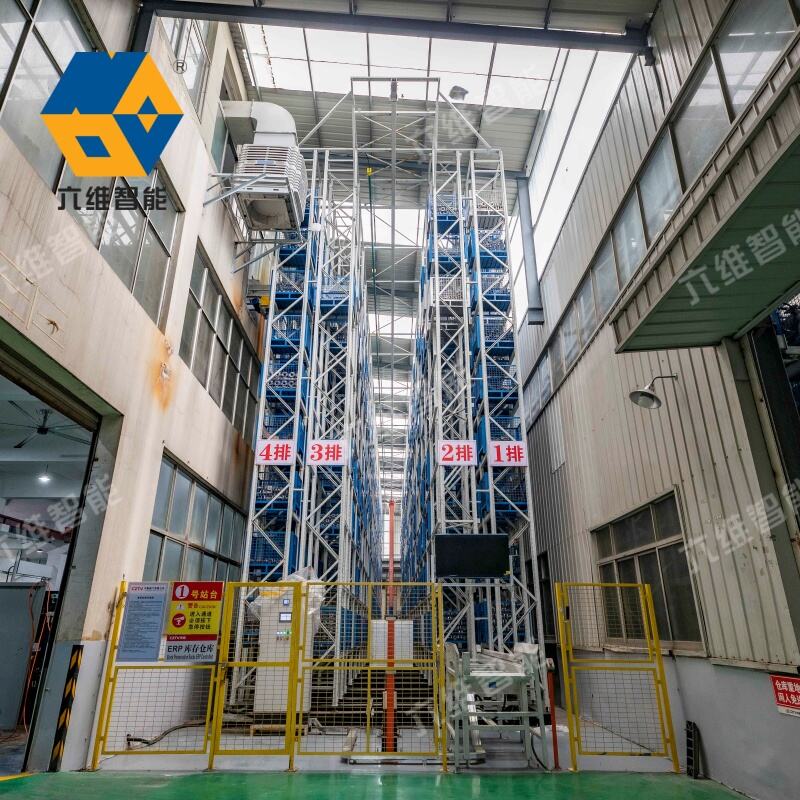
The vertical automated storage system represents a revolutionary approach to warehouse management and inventory control that maximizes available space while streamlining operations. This advanced storage solution utilizes vertical space efficiently by stacking inventory upward rather than outward, making it an ideal choice for facilities with limited floor space but adequate ceiling height. The system operates through sophisticated computer-controlled mechanisms that automatically store and retrieve items with remarkable precision and speed. At its core, the vertical automated storage system consists of multiple trays or carriers that move vertically within an enclosed structure, bringing requested items directly to an ergonomic access point where operators can safely retrieve them. The main functions include automated inventory management, rapid item retrieval, secure storage protection, and seamless integration with existing warehouse management software. Technological features encompass advanced sensors, programmable logic controllers, variable frequency drives, and intuitive touchscreen interfaces that simplify operation. The system employs laser-guided positioning technology to ensure accurate placement and retrieval of stored goods, while built-in safety mechanisms prevent accidents and equipment damage. Modern vertical automated storage system designs incorporate energy-efficient components that reduce operational costs and environmental impact. Applications span diverse industries including manufacturing, pharmaceuticals, electronics, automotive parts distribution, healthcare facilities, retail operations, and e-commerce fulfillment centers. These systems prove particularly valuable for storing small to medium-sized components, tools, spare parts, medical supplies, documents, and high-value items requiring secure access control. The modular design allows businesses to scale their storage capacity according to growing needs without requiring extensive facility modifications. Integration capabilities enable the vertical automated storage system to communicate with enterprise resource planning software, providing real-time inventory visibility and supporting just-in-time manufacturing processes. The enclosed design protects stored items from dust, moisture, and unauthorized access while maintaining optimal environmental conditions for sensitive materials.

New Product Recommendations

Businesses implementing a vertical automated storage system experience transformative improvements in their daily operations that directly impact profitability and competitiveness. The most immediate advantage comes from dramatic space savings, with companies typically reclaiming up to 85 percent of their floor space compared to traditional shelving methods. This recovered area can be repurposed for production expansion, additional workstations, or simply maintained as valuable real estate in expensive urban locations. Employees benefit from enhanced workplace safety since the system eliminates the need for ladders, forklifts, and reaching into high shelving positions that often lead to workplace injuries. Workers retrieve items at a comfortable waist height, reducing physical strain and minimizing repetition-related injuries that cost businesses thousands in lost productivity and insurance claims. The speed advantage cannot be overstated, as a vertical automated storage system delivers requested items in seconds rather than the minutes required for manual searching and retrieval. This efficiency multiplies throughout the workday, allowing staff to complete more orders with fewer resources. Accuracy improves substantially because the system tracks every item's exact location and prevents the picking errors that plague manual operations. Inventory management becomes transparent and reliable, with the system providing real-time data about stock levels, item locations, and usage patterns. This visibility helps prevent stockouts and overstock situations that tie up capital unnecessarily. Security strengthens considerably since access can be restricted to authorized personnel only, with the system maintaining detailed logs of every transaction. Valuable items, controlled substances, and proprietary components remain protected within the enclosed structure, reducing theft and unauthorized access. Energy costs decrease because the vertical automated storage system requires minimal climate control compared to large warehouse spaces, and modern systems use efficient motors that consume less power than traditional material handling equipment. Training new employees becomes faster and simpler since operating the system requires learning a straightforward interface rather than memorizing complex warehouse layouts. The system grows with your business through modular expansion options that add capacity without disrupting ongoing operations. Maintenance requirements remain minimal with predictable service schedules that prevent unexpected downtime. Product quality improves as items stay protected from environmental damage, contamination, and handling wear that occurs in open storage environments. Companies report improved customer satisfaction due to faster order fulfillment and fewer shipping errors. The return on investment typically occurs within two to four years, after which the ongoing operational savings directly enhance profit margins.

Latest News

How Does a Rack System Support Better Warehouse Safety Standards?

20

May

How Does a Rack System Support Better Warehouse Safety Standards?

Warehouse safety is a critical operational priority for any facility that handles significant volumes of inventory, equipment, or materials. At the center of most modern warehouse safety strategies is the rack system — a structural solution that orga...
View More
Why Do Retail Backrooms Prefer Longspan Racks for Flexible Storage?

13

Jan

Why Do Retail Backrooms Prefer Longspan Racks for Flexible Storage?

Retail backrooms face constant pressure to maximize storage efficiency while maintaining quick access to inventory. Modern retail operations require storage solutions that adapt to changing merchandise sizes, seasonal demands, and evolving product li...
View More
How Does a Warehouse Mezzanine Increase Storage Capacity Efficiently?

13

Jan

How Does a Warehouse Mezzanine Increase Storage Capacity Efficiently?

Modern warehouse operations face mounting pressure to maximize storage capacity without expanding their physical footprint. A warehouse mezzanine represents one of the most effective solutions for increasing storage density while maintaining operatio...
View More
How Can Automated Storage Systems Boost Supply Chain Performance?

05

Feb

How Can Automated Storage Systems Boost Supply Chain Performance?

Modern supply chains face unprecedented challenges in managing inventory, reducing costs, and maintaining operational efficiency. Companies worldwide are turning to advanced warehouse automation technologies to address these growing demands. An autom...
View More

Get a Free Quote

Our representative will contact you soon.
Email
Name
Company Name
Message
0/1000

vertical automated storage system

Maximum Space Utilization Through Intelligent Vertical Design

Maximum Space Utilization Through Intelligent Vertical Design

The vertical automated storage system transforms how businesses approach facility space management by exploiting the often-underutilized vertical dimension of buildings. Traditional storage methods spread inventory horizontally across extensive floor areas, consuming valuable square footage that could serve more productive purposes. This horizontal approach becomes increasingly expensive as real estate costs rise and available land diminishes in industrial zones. The vertical automated storage system solves this challenge by building upward, utilizing ceiling heights that typically range from 8 to 45 feet depending on facility specifications. The system's enclosed tower structure houses multiple storage levels, each containing carriers or trays that hold inventory items. These carriers move along vertical tracks guided by precision motors and control systems, creating a dynamic storage environment where every cubic inch serves a purpose. The density achieved through this vertical stacking approach means a system occupying just 150 square feet of floor space can provide storage capacity equivalent to over 1,000 square feet of conventional shelving. This space multiplication effect proves especially valuable for businesses operating in urban environments where facility expansion is prohibitively expensive or physically impossible. The reclaimed floor space opens numerous strategic possibilities: manufacturers can install additional production lines, distributors can expand their product range, and retailers can create more customer-facing areas. Beyond simple capacity, the vertical automated storage system delivers superior space efficiency through optimized internal layouts that eliminate wasted aisle space required for human navigation in traditional warehouses. The system calculates the most efficient storage configuration based on item dimensions and retrieval frequency, continuously optimizing placement to minimize access times. This intelligent space management extends to accommodating items of varying sizes within the same system through adjustable carrier configurations and dividers. Businesses appreciate the flexibility to store everything from tiny electronic components to bulky automotive parts within a single integrated vertical automated storage system. The enclosed design also protects stored items from environmental factors while requiring no additional space for climate control equipment. As companies grow, the modular nature of these systems allows vertical expansion or addition of parallel units without consuming proportionally more floor space, making it a future-proof investment that adapts to changing business needs while maintaining a minimal spatial footprint.
Dramatic Productivity Enhancement Through Automated Retrieval

Dramatic Productivity Enhancement Through Automated Retrieval

The vertical automated storage system revolutionizes workflow efficiency by eliminating the time-consuming search and retrieval processes that drain productivity in traditional storage environments. In conventional warehouses, workers spend substantial portions of their shifts walking between storage locations, climbing ladders, searching for specific items, and transporting materials back to work areas. Time studies reveal that these non-value-added activities can consume 60 to 70 percent of a warehouse worker's day, leaving minimal time for productive tasks like order fulfillment, quality control, and customer service. The vertical automated storage system inverts this productivity equation by bringing items directly to workers at an ergonomic access point, reducing retrieval time from minutes to mere seconds. Operators simply enter item numbers or descriptions into the intuitive control interface, and the system's computer instantly calculates the optimal path to retrieve the requested carrier. The vertical mechanism springs into action, silently moving carriers along their tracks until the correct one arrives at the access window positioned at comfortable working height. This goods-to-person delivery model eliminates all unnecessary motion, allowing workers to remain in a single location and focus entirely on value-generating activities. The productivity gains multiply throughout the workday, with systems capable of completing 100 to 200 retrievals per hour compared to the 20 to 30 transactions possible with manual methods. This acceleration enables businesses to process more orders with existing staff levels or reduce labor requirements while maintaining output volumes. The vertical automated storage system also standardizes retrieval times, creating predictable workflows that simplify scheduling and capacity planning. Unlike manual operations where retrieval speed varies based on item location and worker experience, automated systems deliver consistent performance regardless of where items reside within the structure. This reliability proves invaluable for operations requiring time-sensitive fulfillment or supporting just-in-time manufacturing processes where delays cascade through production schedules. The system's integration with warehouse management software creates seamless information flow, automatically updating inventory records with each transaction and eliminating the data entry tasks that introduce errors and consume administrative time. Advanced systems incorporate pick-to-light technology and barcode verification at the access point, further reducing errors and speeding order processing. The cumulative effect of these productivity enhancements translates directly to competitive advantages: faster customer response times, lower operational costs per transaction, and the ability to grow revenue without proportionally increasing workforce size.
Enhanced Inventory Accuracy and Control Through Digital Integration

Enhanced Inventory Accuracy and Control Through Digital Integration

The vertical automated storage system establishes unprecedented levels of inventory accuracy and control through comprehensive digital tracking that eliminates the guesswork and errors inherent in manual inventory management. Traditional storage methods rely on workers to record item locations, update quantities, and conduct periodic physical counts to verify system accuracy. This human-dependent process inevitably introduces errors through misidentification, incorrect data entry, misplaced items, and unrecorded transactions that cause inventory records to diverge from physical reality. These discrepancies force businesses to maintain safety stock buffers that tie up capital and occupy space, yet stockouts still occur when system records incorrectly show availability. The vertical automated storage system eliminates these chronic accuracy problems through automated tracking that monitors every item from initial storage through final retrieval. When operators place items into the system, they scan barcodes or enter identifying information that the control software permanently associates with specific storage locations. The system maintains this location data with absolute precision since carriers never deviate from their assigned positions within the structure. Each retrieval transaction automatically updates inventory quantities in real time, ensuring that system records continuously reflect actual stock levels without requiring manual counting or periodic reconciliation. This perpetual inventory accuracy enables businesses to operate with lower safety stock levels since they can trust their data when making purchasing and production decisions. The vertical automated storage system also provides granular visibility into inventory movements through detailed transaction logs that record who accessed which items at what times. This audit trail proves invaluable for regulated industries requiring strict chain-of-custody documentation, such as pharmaceutical operations tracking controlled substances or aerospace manufacturers managing certified components. The access control features built into these systems add another layer of inventory protection by restricting retrieval permissions based on user credentials, preventing unauthorized removal of valuable or sensitive items. Management gains powerful analytical capabilities through the reporting functions integrated into modern vertical automated storage system software. These tools generate insights into inventory turnover rates, identifying slow-moving items that consume space without generating revenue and fast-moving products that may require safety stock increases. The system can trigger automatic reorder alerts when quantities fall below predetermined thresholds, preventing stockouts before they disrupt operations. Integration with enterprise resource planning systems creates seamless information flow across business functions, ensuring that purchasing, production, and sales teams all work from identical real-time inventory data. This connectivity eliminates the conflicting information and delayed updates that plague businesses using disconnected systems. The accuracy and control delivered by a vertical automated storage system ultimately enhance customer satisfaction by ensuring promised items are actually available for shipment, reducing backorders and the reputational damage they cause.

Get a Free Quote

Our representative will contact you soon.
Email
Name
Company Name
Message
0/1000

Get a Free Quote

Our representative will contact you soon.
Email
Name
Company Name
Message
0/1000