Industrial Metal Racks - Heavy-Duty Storage Solutions for Warehouse and Commercial Applications

All Categories

Get a Free Quote

Our representative will contact you soon.
Email
Name
Company Name
Message
0/1000

industrial metal racks

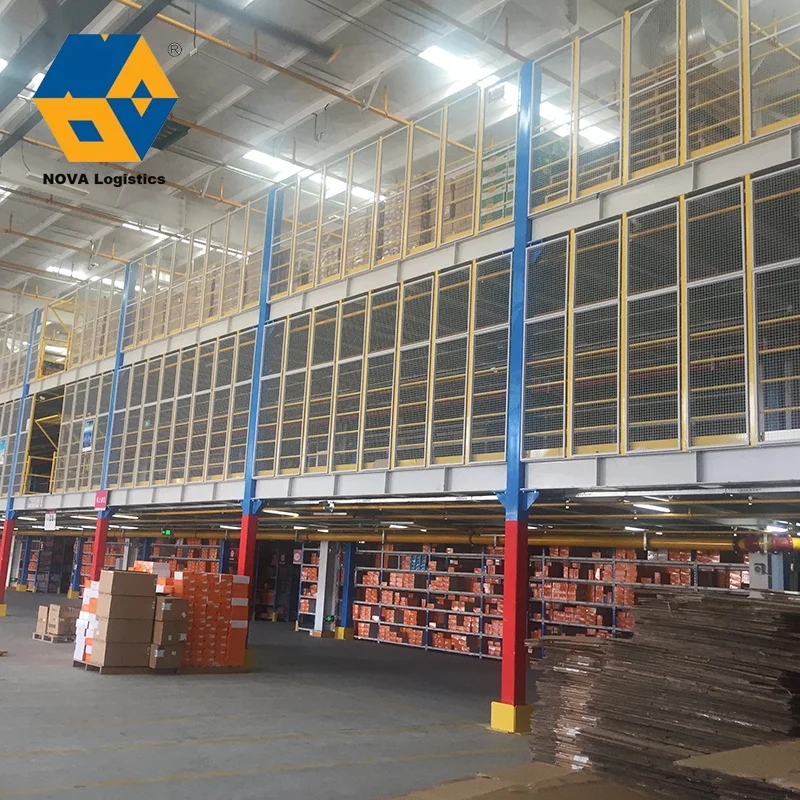
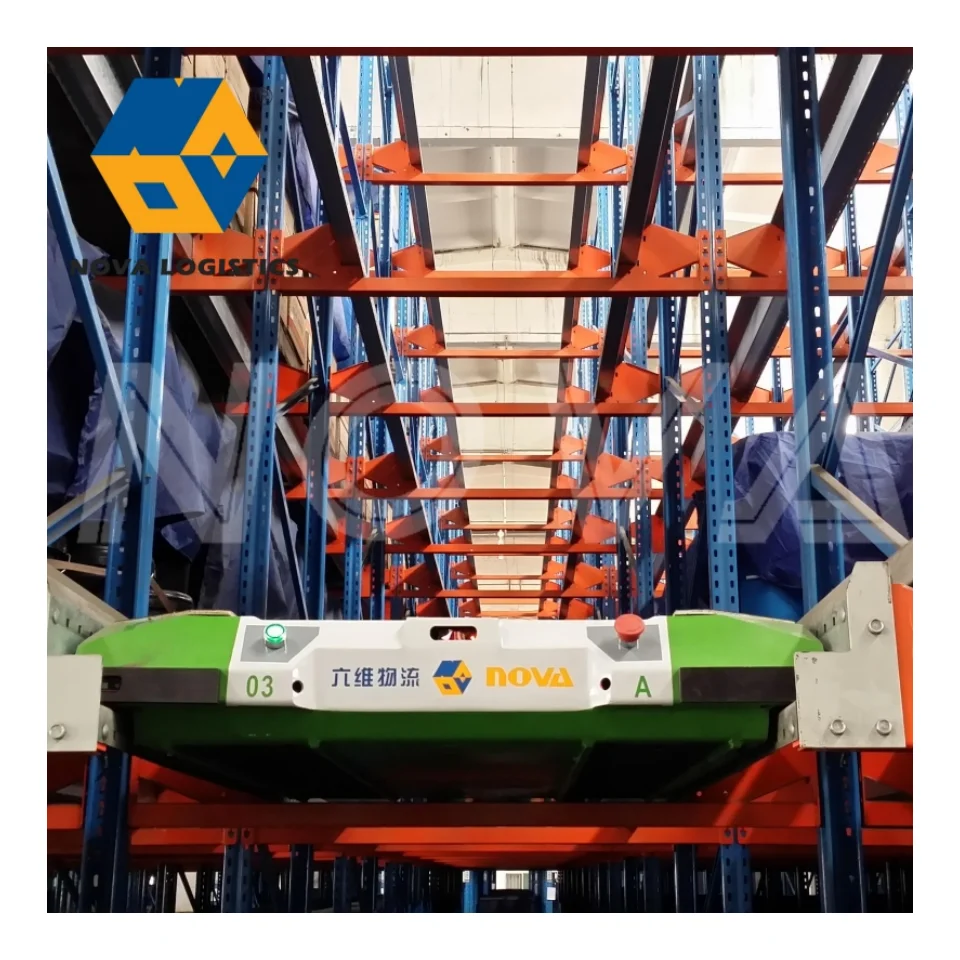
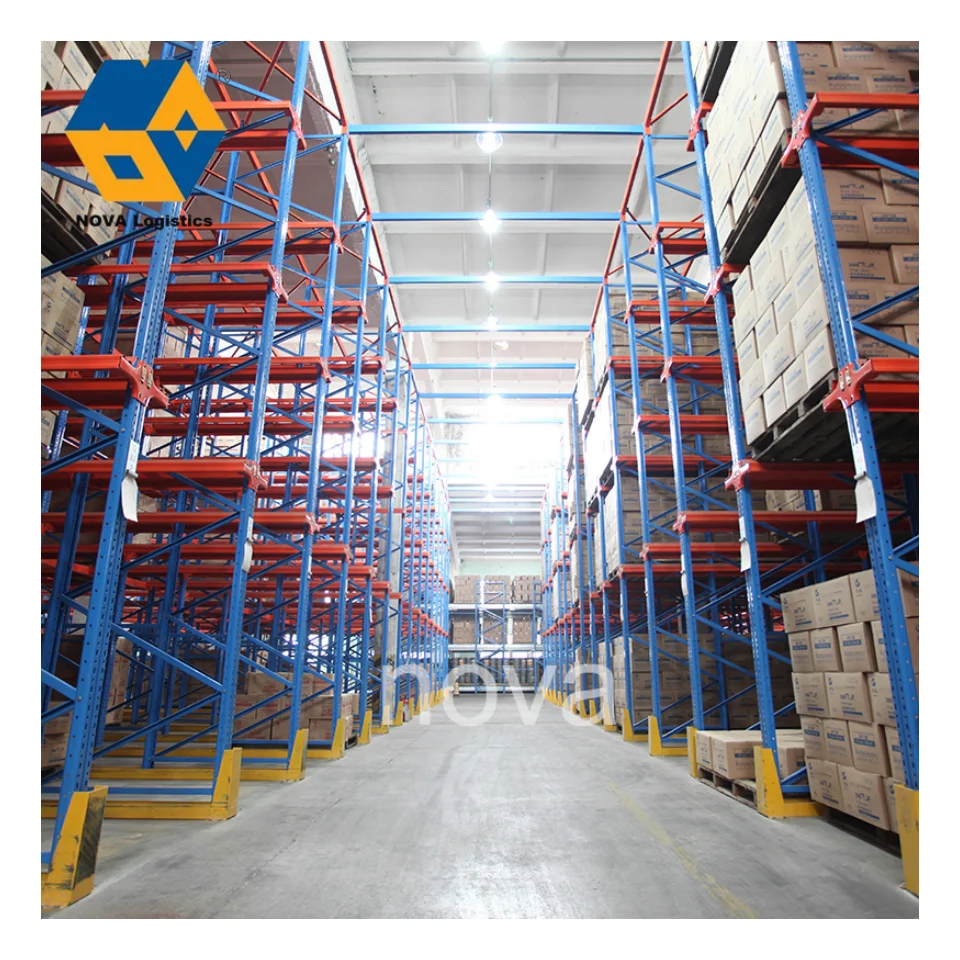
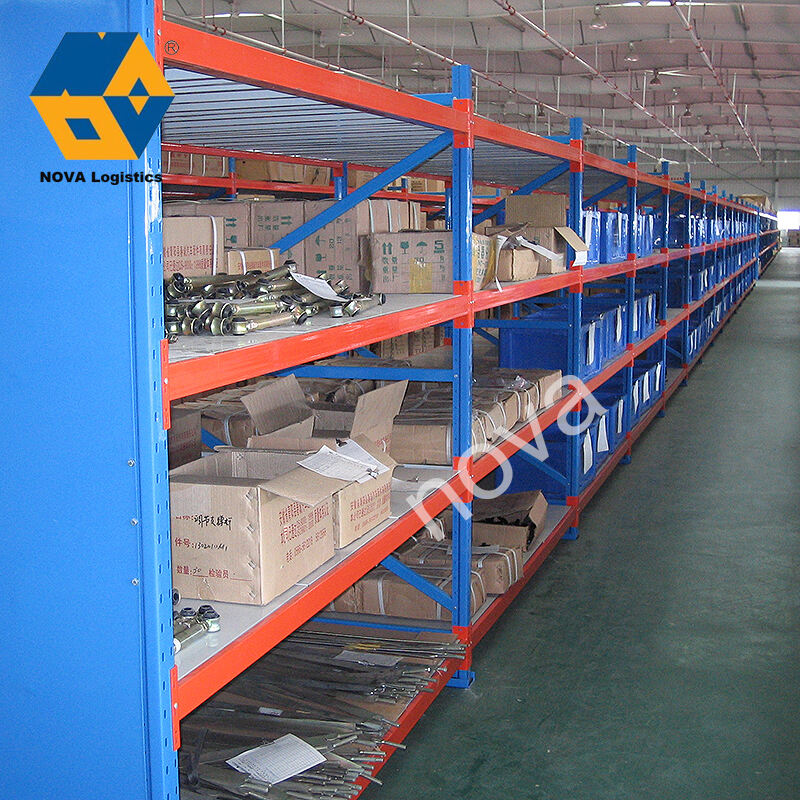
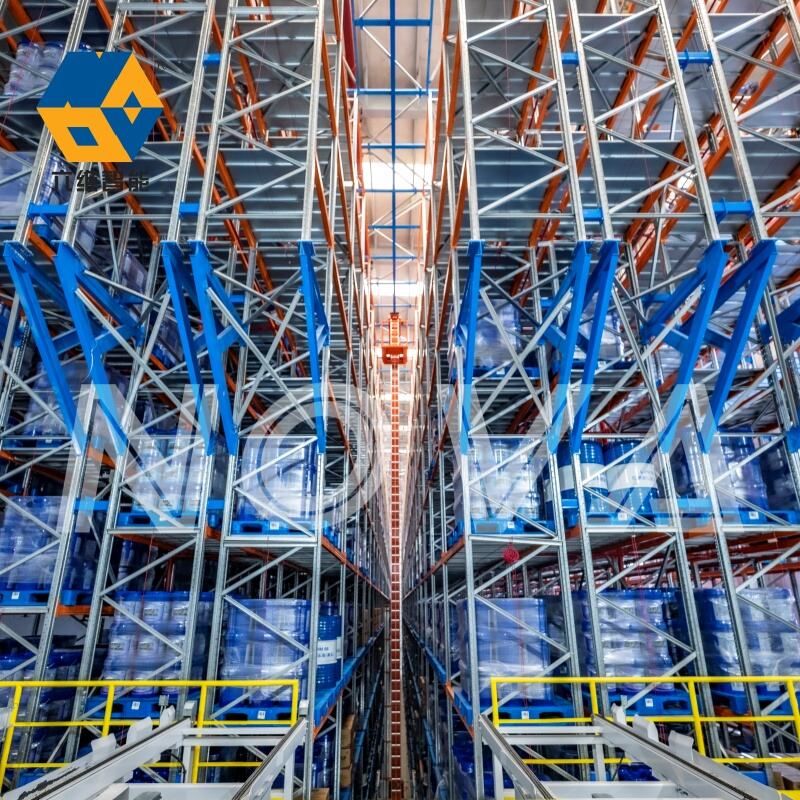
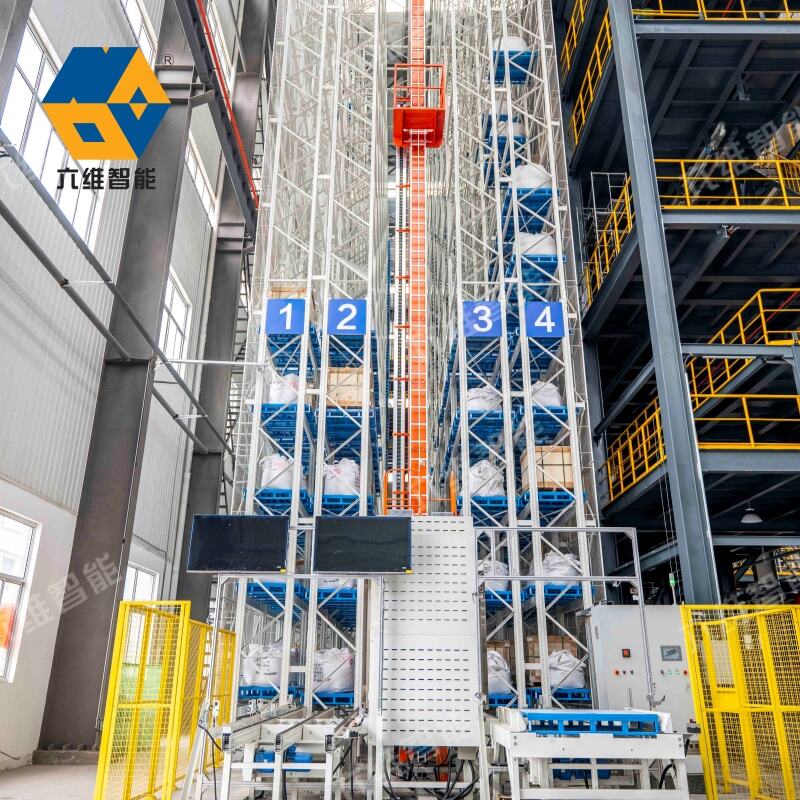
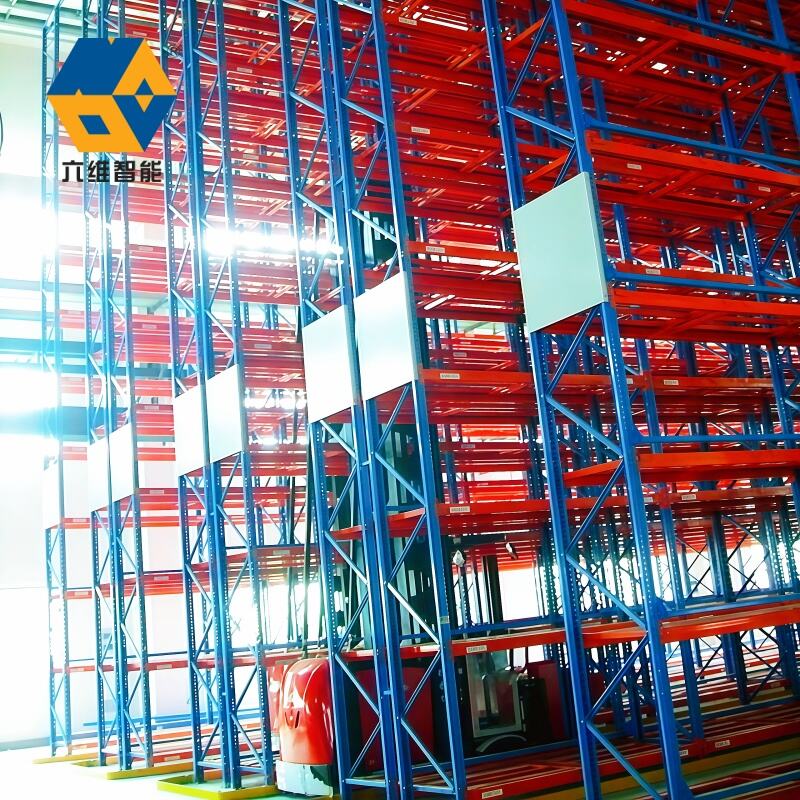
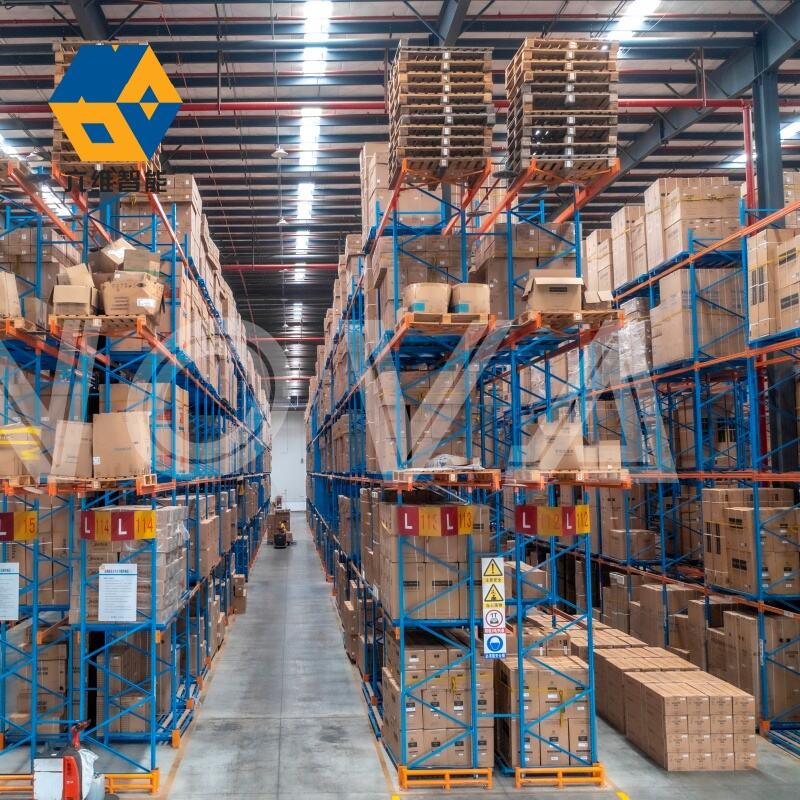
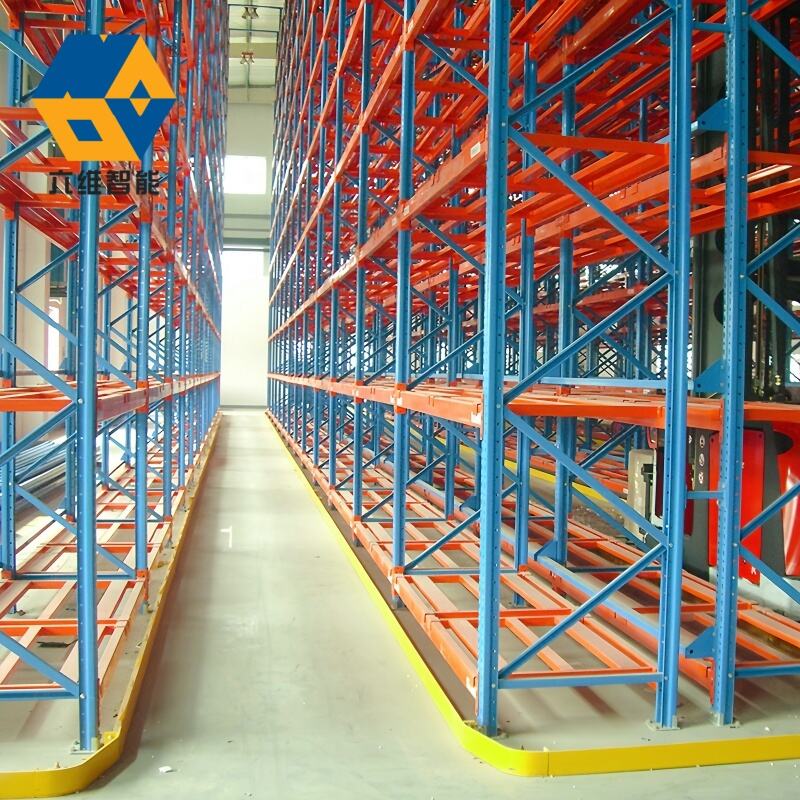
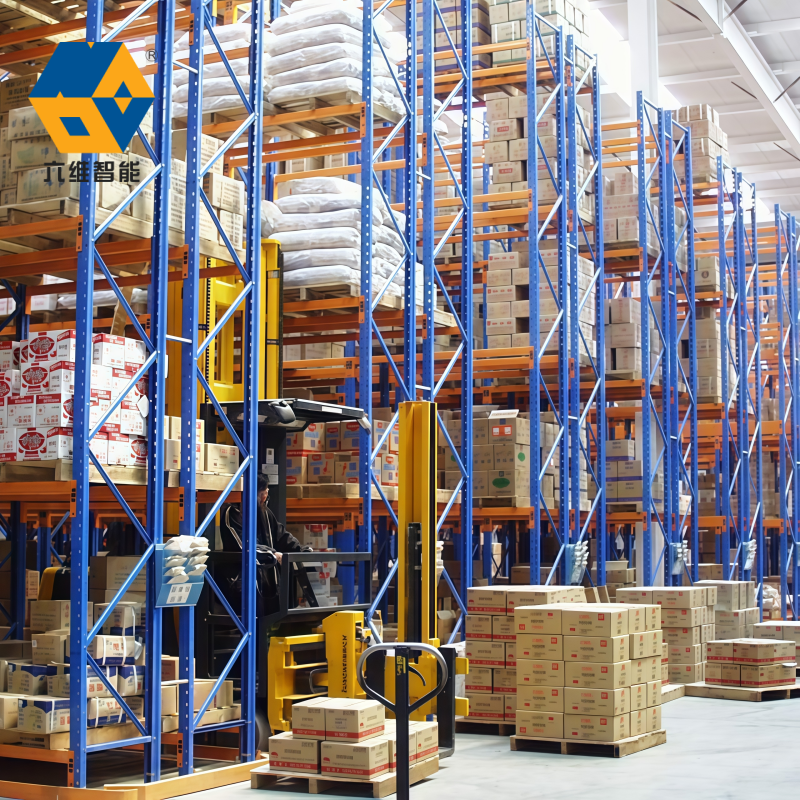
Industrial metal racks represent a cornerstone of modern warehouse and storage management, providing robust and versatile solutions for organizing materials, products, and equipment across diverse commercial environments. These engineered storage systems are manufactured from high-grade steel or metal alloys, designed to withstand substantial weight loads while maintaining structural integrity over extended operational periods. Industrial metal racks serve as the backbone of efficient inventory management, enabling businesses to maximize vertical space utilization, improve accessibility to stored items, and maintain organized workflows within their facilities. The primary functions of industrial metal racks encompass heavy-duty storage, inventory organization, space optimization, and workflow enhancement. These systems accommodate everything from raw materials and finished goods to tools, equipment, and archived documents. The technological features incorporated into modern industrial metal racks include adjustable shelving configurations, reinforced beam construction, powder-coated finishes for corrosion resistance, and modular designs that allow for customization based on specific operational requirements. Many systems integrate seamlessly with material handling equipment such as forklifts and pallet jacks, facilitating smooth loading and unloading processes. Applications for industrial metal racks span numerous sectors including manufacturing facilities, distribution centers, retail warehouses, automotive parts storage, pharmaceutical operations, food processing plants, and logistics hubs. These storage solutions prove invaluable in environments requiring high-density storage, frequent inventory rotation, or systematic organization of diverse product lines. The adaptability of industrial metal racks makes them suitable for both ambient and temperature-controlled environments, accommodating various storage needs while complying with safety regulations and industry standards. Their design prioritizes load distribution, stability, and accessibility, ensuring that stored materials remain secure while remaining readily available for retrieval when needed for production, fulfillment, or distribution activities.

New Products

Investing in industrial metal racks delivers substantial practical benefits that directly impact your bottom line and operational efficiency. These storage solutions dramatically increase your usable warehouse space by capitalizing on vertical dimensions that often remain underutilized. Rather than expanding your facility footprint, you can store significantly more inventory within your existing square footage, reducing real estate costs and avoiding expensive construction projects. The durability of metal construction means these racks withstand years of demanding use without deterioration, eliminating frequent replacement expenses associated with inferior storage options. You gain immediate improvements in workplace organization, as designated storage locations for each item type streamline inventory tracking and reduce time wasted searching for materials. Employees can quickly locate and retrieve needed items, accelerating order fulfillment and production processes while minimizing frustration and inefficiency. The robust weight capacity of industrial metal racks accommodates heavy items that would compromise weaker shelving systems, providing safe storage for bulky equipment, dense materials, and large product quantities. This strength translates to workplace safety improvements, as properly engineered racks prevent collapses and accidents that could injure workers or damage valuable inventory. The modular nature of these systems offers flexibility to reconfigure your storage layout as business needs evolve, protecting your investment against obsolescence when product lines change or operations expand. You can add components, adjust shelf heights, or reorganize rack arrangements without purchasing entirely new systems. Metal racks require minimal maintenance compared to wood or plastic alternatives, resisting moisture damage, pest infestation, and structural degradation that plague other materials. The smooth surfaces clean easily, supporting sanitation requirements in food, pharmaceutical, and medical supply storage applications. Installation proves straightforward, often requiring no specialized tools or extensive downtime, allowing you to implement storage improvements quickly without disrupting ongoing operations. The professional appearance of industrial metal racks enhances your facility presentation for client visits or regulatory inspections, demonstrating commitment to organized, efficient operations. These systems also facilitate inventory rotation practices, particularly important for perishable goods or date-sensitive materials, by providing clear visibility and access to items stored at various depths and heights. The investment in quality industrial metal racks pays dividends through reduced operational costs, improved productivity, enhanced safety, and the flexibility to adapt to changing business requirements over many years of reliable service.

Tips And Tricks

What Makes a Longspan Rack Ideal for Medium- to Heavy-Duty Storage?

13

Jan

What Makes a Longspan Rack Ideal for Medium- to Heavy-Duty Storage?

Modern warehouses and industrial facilities face increasing pressure to optimize storage capacity while maintaining efficient access to inventory. The longspan rack has emerged as a versatile solution that bridges the gap between light-duty shelving ...
View More
What Makes Automated Storage and Retrieval Systems Ideal for Modern Warehouses?

05

Feb

What Makes Automated Storage and Retrieval Systems Ideal for Modern Warehouses?

Modern warehouses face unprecedented challenges in managing inventory efficiently while meeting growing customer demands for faster delivery times. The implementation of an automated storage and retrieval system represents a transformative solution t...
View More
How Does Automation Transform Storage and Retrieval Processes?

05

Feb

How Does Automation Transform Storage and Retrieval Processes?

Modern warehouses and distribution centers are experiencing a revolutionary transformation through advanced technology solutions that streamline operations and maximize efficiency. The implementation of sophisticated automated storage and retrieval s...
View More
Maintenance Tips for Long-Lasting Heavy Duty Pallet Racks

16

Mar

Maintenance Tips for Long-Lasting Heavy Duty Pallet Racks

Industrial warehouses rely heavily on robust storage solutions to maintain efficient operations and maximize space utilization. Heavy duty pallet racks form the backbone of modern warehouse infrastructure, supporting thousands of pounds of inventory ...
View More

Get a Free Quote

Our representative will contact you soon.
Email
Name
Company Name
Message
0/1000

industrial metal racks

Superior Load-Bearing Capacity and Structural Engineering

Superior Load-Bearing Capacity and Structural Engineering

The exceptional load-bearing capacity of industrial metal racks stands as their most critical performance characteristic, setting them apart from conventional storage alternatives and making them indispensable in demanding commercial environments. These systems employ advanced structural engineering principles, utilizing high-tensile steel components that distribute weight evenly across frames, beams, and support columns. The engineering behind industrial metal racks incorporates precise calculations for stress distribution, ensuring that each component functions synergistically to support substantial loads without compromising stability or safety. Heavy-gauge steel uprights provide vertical strength, while reinforced horizontal beams resist deflection even when supporting concentrated weight loads across their spans. This robust construction enables single rack levels to accommodate loads ranging from several hundred to several thousand pounds, depending on configuration and specifications. The importance of this load capacity cannot be overstated for operations handling dense materials, bulk products, or heavy equipment that would overwhelm standard shelving systems. Manufacturers achieve this strength through multiple technological approaches, including roll-formed steel profiles that enhance rigidity, welded reinforcements at critical stress points, and carefully calculated beam-to-upright connections that lock components together securely. Many industrial metal racks feature step-beam or box-beam designs that maximize strength-to-weight ratios, providing necessary support without adding excessive material that would increase costs and installation complexity. The value this capacity brings to customers extends beyond mere weight support to encompass safety assurance, operational flexibility, and long-term reliability. Businesses can confidently store their heaviest inventory items on upper levels, maximizing vertical space utilization without safety concerns that would arise from overloading inadequate storage systems. This capability proves particularly valuable in manufacturing environments where raw materials like steel coils, casting molds, or component assemblies require secure elevated storage. Distribution centers benefit by stacking palletized goods multiple levels high, dramatically increasing storage density within existing warehouse footprints. The structural integrity of properly specified industrial metal racks remains consistent throughout their service life, as quality materials resist fatigue, deformation, and stress-related failures that compromise inferior products. Customers gain peace of mind knowing their storage infrastructure will perform reliably day after day, year after year, supporting business operations without unexpected failures that could result in inventory damage, workplace injuries, or operational disruptions. The engineering excellence embodied in industrial metal racks represents a fundamental investment in operational capability, enabling businesses to handle larger inventories, accommodate heavier products, and scale operations upward without storage limitations constraining growth potential.
Customizable Configurations for Optimal Space Utilization

Customizable Configurations for Optimal Space Utilization

The remarkable configurability of industrial metal racks empowers businesses to create storage solutions precisely tailored to their unique operational requirements, facility dimensions, and inventory characteristics. This customization capability transforms generic storage space into highly optimized systems that maximize efficiency and accessibility while accommodating specific product dimensions, handling procedures, and workflow patterns. Industrial metal racks offer adjustment options across multiple parameters, including shelf height spacing, overall rack dimensions, accessory integration, and layout configurations that align with facility architecture and operational processes. The modular design philosophy underlying these systems allows components to be mixed, matched, and reconfigured as needs evolve, protecting equipment investments against obsolescence when business circumstances change. Shelf height adjustability stands as a particularly valuable feature, enabling users to modify vertical spacing between levels to accommodate items of varying sizes without wasted space above shorter products or insufficient clearance for taller items. This adjustment capability typically utilizes simple mechanical systems like beam clips or bolt connections that allow repositioning without specialized tools or extensive labor. Businesses can dedicate lower levels to frequently accessed items for ergonomic retrieval while utilizing upper levels for slower-moving inventory, optimizing both accessibility and space efficiency. The horizontal dimensions of industrial metal racks can be specified to match product footprints, whether storing standardized pallet sizes, irregularly shaped equipment, or archived document boxes requiring specific spacing. This dimensional flexibility ensures that every cubic foot of facility space contributes to storage capacity rather than remaining empty due to mismatched equipment dimensions. The value of this configurability extends throughout the business lifecycle, as initial installations can be designed for current needs while maintaining expansion capability for future growth. Companies experiencing seasonal volume fluctuations can quickly adjust rack configurations to accommodate peak inventory periods, then reconfigure for different products during slower seasons. Manufacturing operations benefit from creating dedicated zones for raw materials, work-in-process items, and finished goods, with each area configured optimally for its specific contents and access requirements. Retail distribution centers can organize racks by product category, client account, or shipping destination, with configurations supporting efficient pick-pack-ship workflows. The ability to integrate accessories like dividers, bins, label holders, and protective backing further enhances customization possibilities, transforming basic rack structures into sophisticated storage systems addressing specific operational challenges. This flexibility also accommodates facility constraints such as ceiling heights, column spacing, doorway locations, and aisle width requirements that vary across different buildings. Businesses operating in leased facilities particularly value the reconfigurability of industrial metal racks, as systems can be disassembled and reinstalled in new locations if operations relocate, preserving equipment investment value. The customization potential of industrial metal racks essentially eliminates the compromise between storage equipment and operational needs, instead enabling businesses to create ideal storage environments that enhance productivity, reduce handling time, and support systematic inventory management practices that drive competitive advantage.
Long-Term Durability and Minimal Maintenance Requirements

Long-Term Durability and Minimal Maintenance Requirements

The exceptional durability and low maintenance demands of industrial metal racks deliver sustained value throughout decades of operational service, making them among the most cost-effective storage investments available to commercial enterprises. Unlike materials that degrade, warp, or weaken over time, properly manufactured metal racks maintain their structural integrity and performance characteristics year after year, resisting the environmental factors and physical stresses that compromise alternative storage solutions. This longevity stems from both material selection and protective treatments applied during manufacturing. High-quality industrial metal racks utilize steel alloys chosen for their strength, stability, and resistance to deformation under sustained loading. The metal construction inherently resists moisture absorption that causes wood to swell, rot, or become infested with pests, eliminating deterioration pathways that plague organic materials. Similarly, metal racks avoid the brittleness and UV degradation that eventually compromise plastic shelving systems exposed to light and temperature variations. Manufacturers enhance this inherent durability through protective coatings, most commonly powder-coating processes that apply electrostatically charged particles forming tough, uniform finishes when cured. These coatings provide corrosion resistance essential for longevity, particularly in environments with humidity, temperature fluctuations, or exposure to chemicals that would quickly rust untreated steel. The powder-coat finish also facilitates cleaning, as smooth surfaces resist dirt accumulation and wipe clean easily, supporting sanitation protocols in food storage, pharmaceutical, and healthcare applications. The practical importance of this durability becomes evident when calculating total cost of ownership over equipment lifespan. While initial investment in quality industrial metal racks may exceed cheaper alternatives, the absence of replacement costs, repair expenses, and deterioration-related inventory damage delivers superior long-term value. Businesses avoid the disruption and expense of replacing failed storage systems, maintaining operational continuity without unexpected capital expenditures for emergency equipment replacement. The minimal maintenance requirements of metal racks further reduce ongoing costs, as these systems need only periodic inspections and occasional cleaning rather than the refinishing, reinforcement, or component replacement demanded by less durable materials. This maintenance simplicity also reduces labor costs and allows facility staff to focus on productive activities rather than storage system upkeep. The structural stability of industrial metal racks persists throughout their service life, maintaining precise vertical alignment and level shelving that prevents inventory from sliding or becoming unstable. This consistency ensures that material handling equipment like forklifts can safely interact with racks without concerns about weakened structures or misaligned components creating safety hazards. The reliability of metal rack performance supports systematic inventory management practices, as storage locations remain consistent and predictable rather than shifting due to structural degradation. Environmental resilience represents another durability dimension, as metal racks function effectively across wide temperature ranges, from refrigerated warehouses to heated manufacturing facilities, without performance degradation. This versatility allows businesses to deploy consistent storage systems across diverse facility types, simplifying equipment standardization and maintenance training. The enduring value proposition of durable industrial metal racks extends beyond direct cost savings to encompass operational reliability, safety assurance, and the confidence that storage infrastructure will support business activities without becoming a limiting factor or source of unexpected problems throughout many years of demanding service.

Get a Free Quote

Our representative will contact you soon.
Email
Name
Company Name
Message
0/1000

Get a Free Quote

Our representative will contact you soon.
Email
Name
Company Name
Message
0/1000