Industrial Warehouse Racking Systems: Maximize Storage Capacity and Efficiency

All Categories

Get a Free Quote

Our representative will contact you soon.
Email
Name
Company Name
Message
0/1000

industrial warehouse racking systems

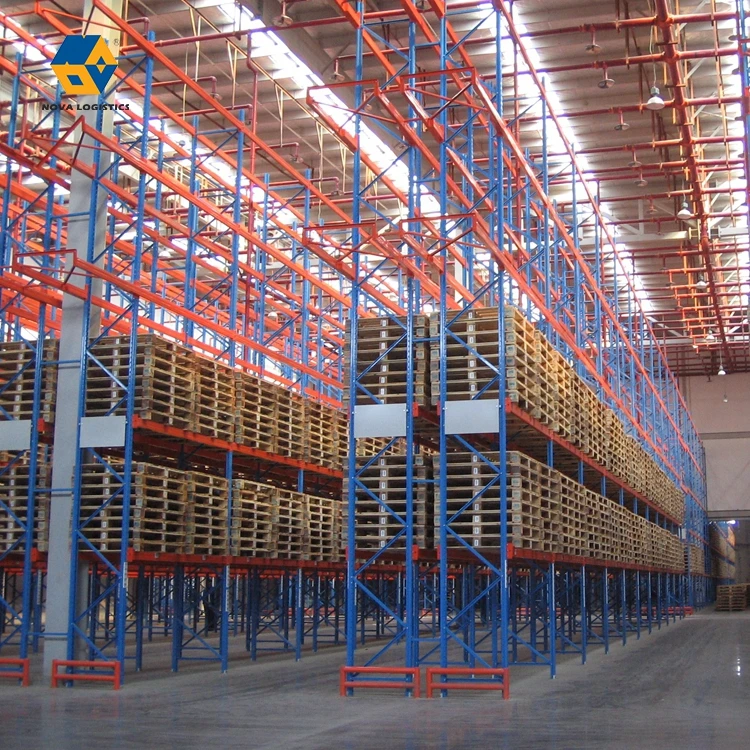
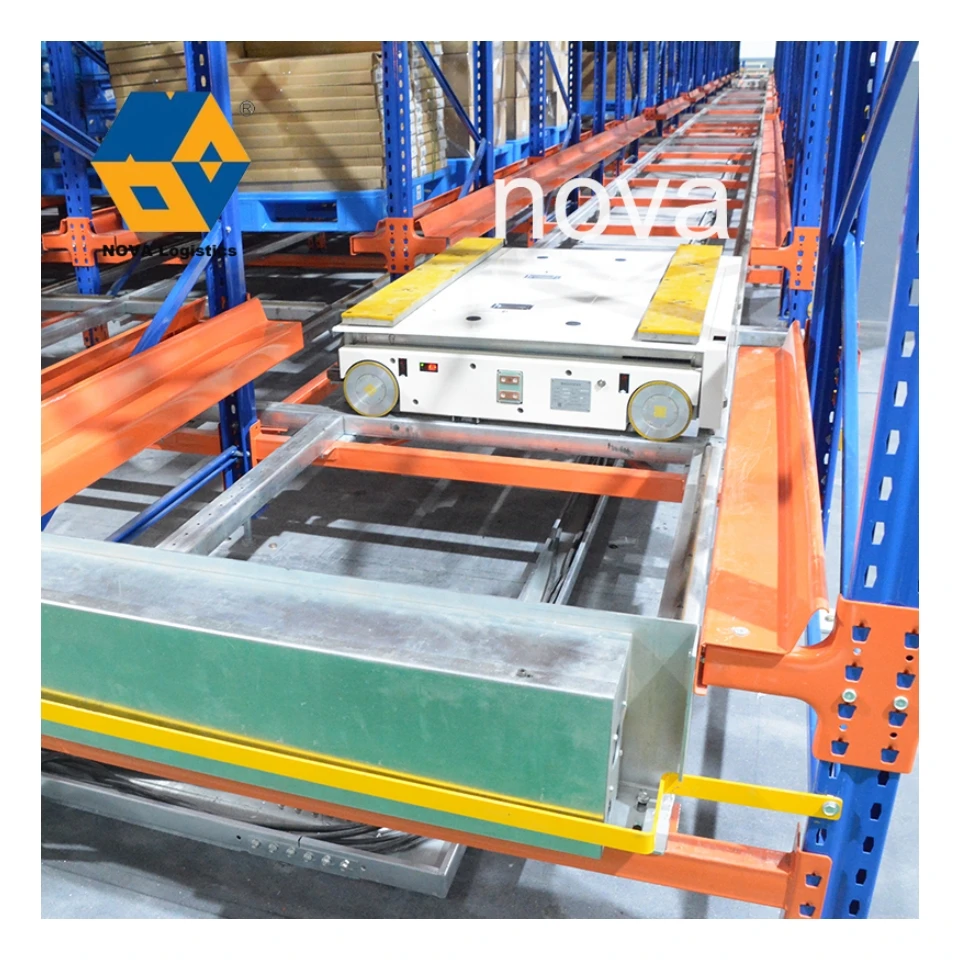
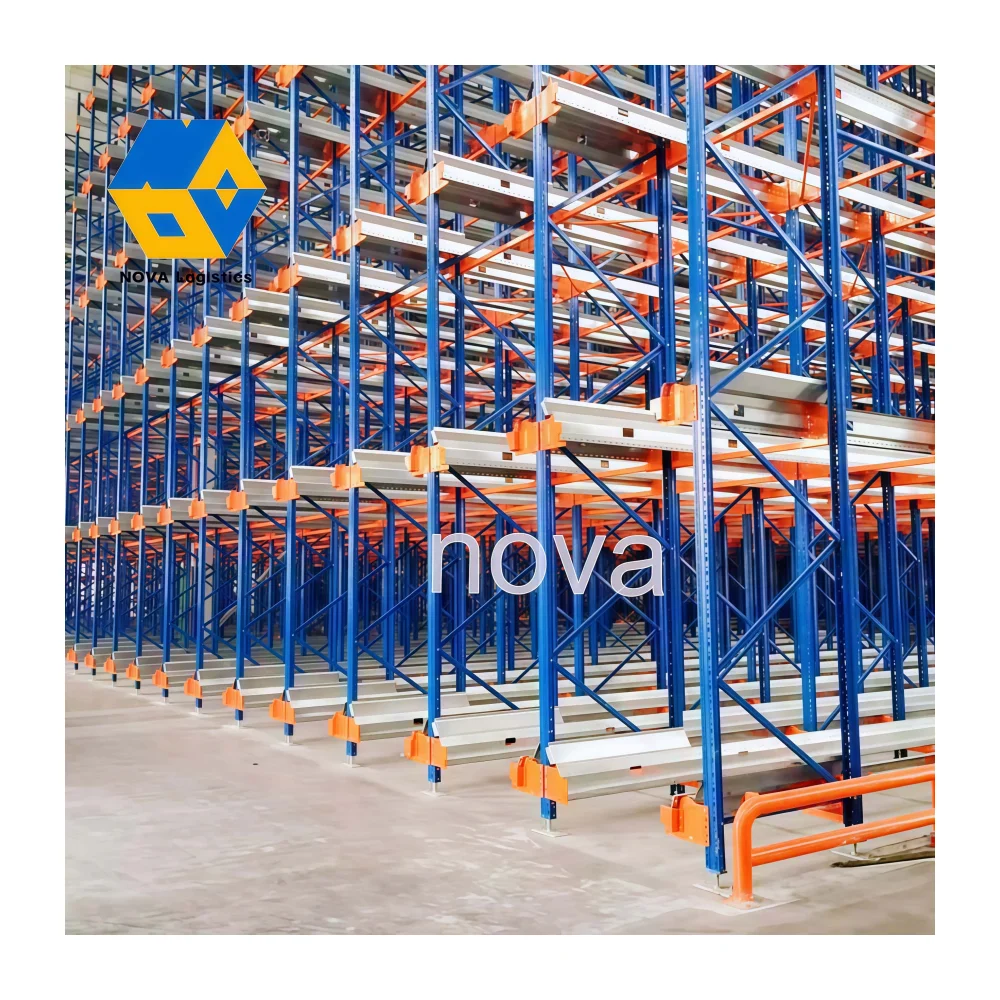
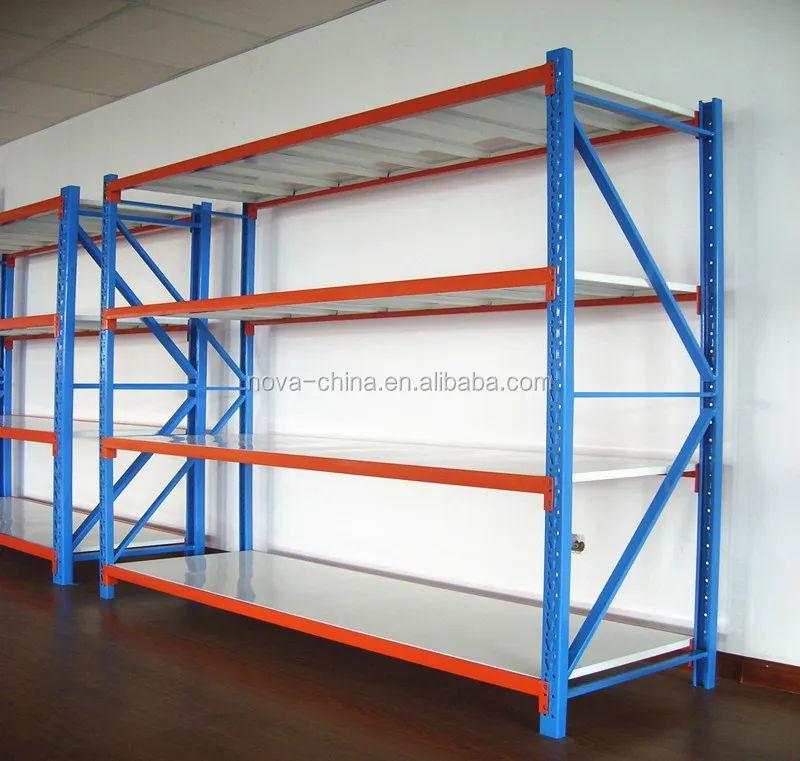
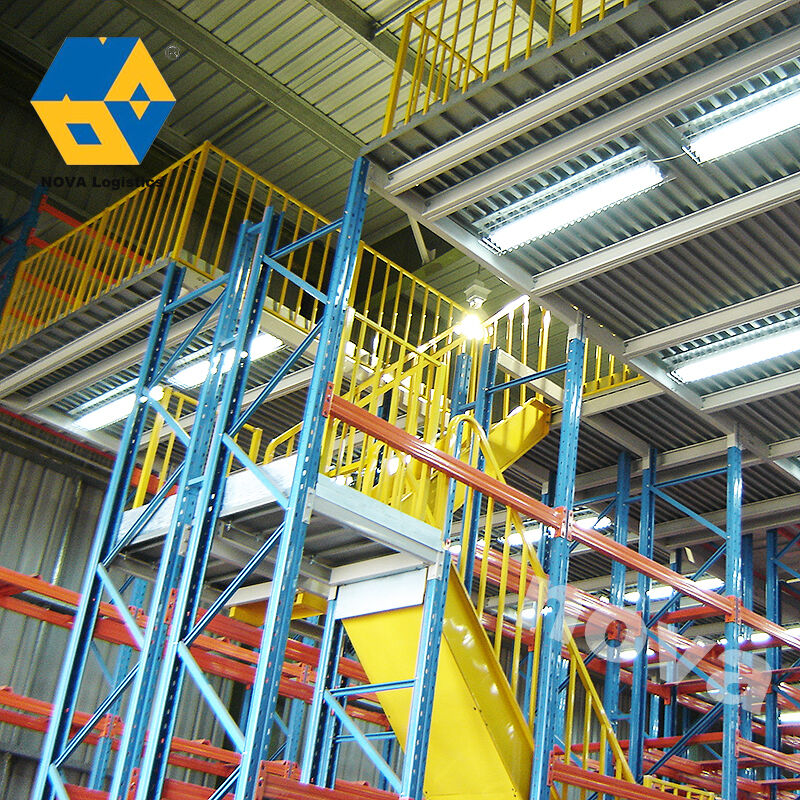
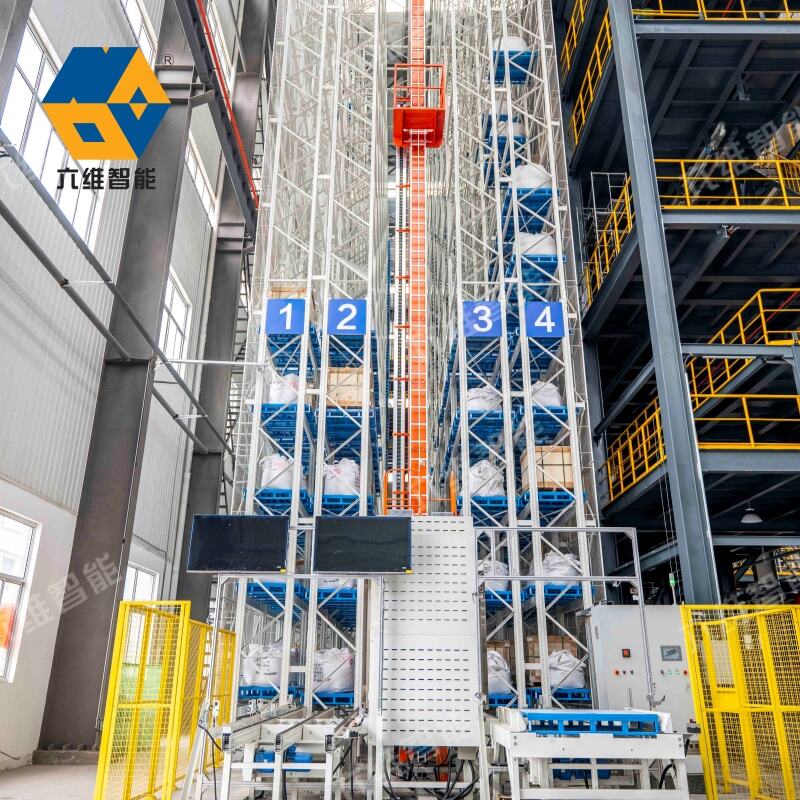
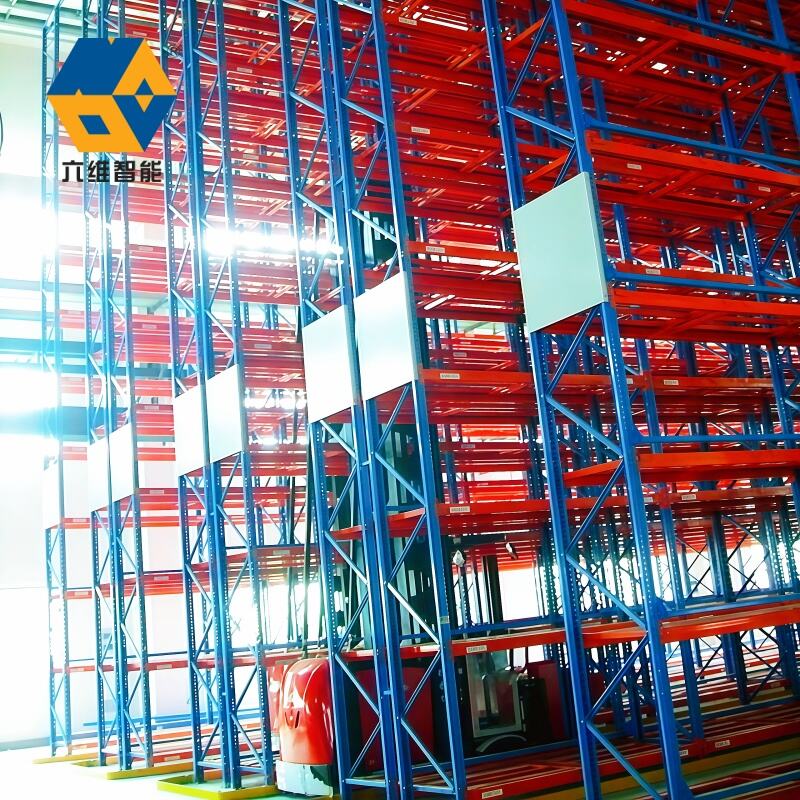
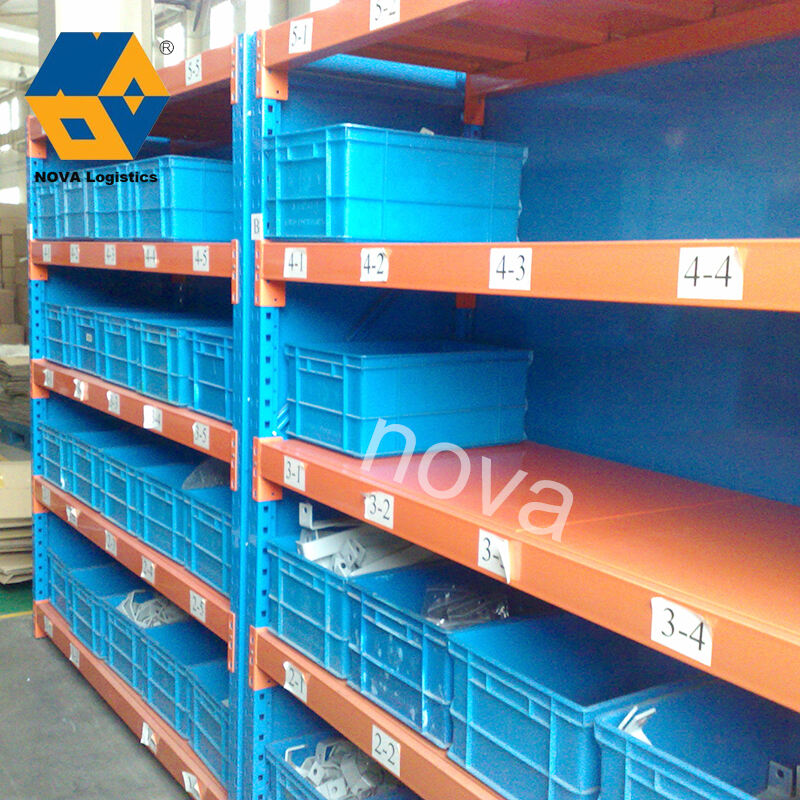
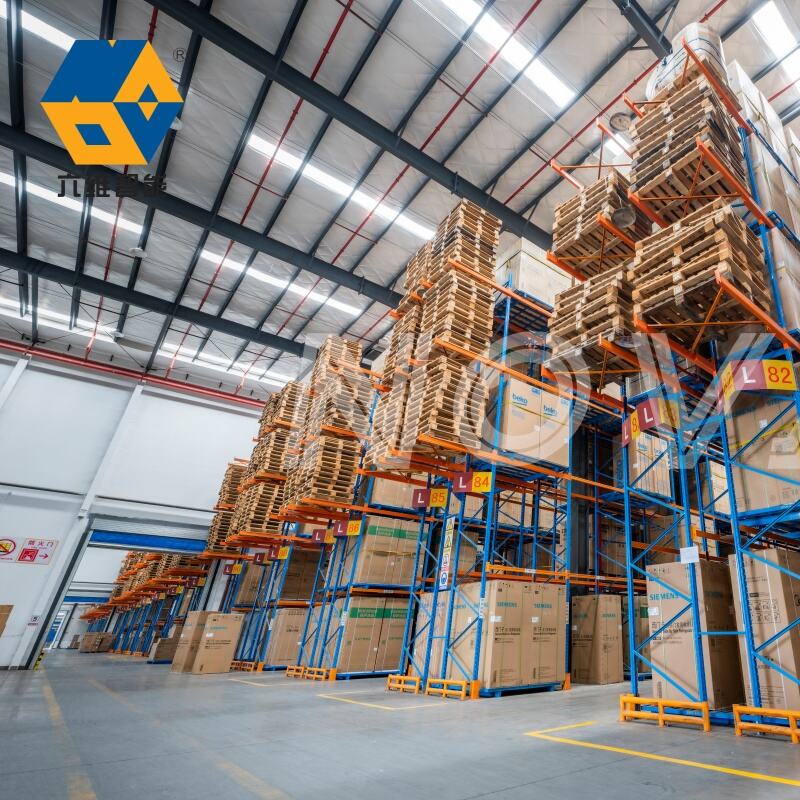
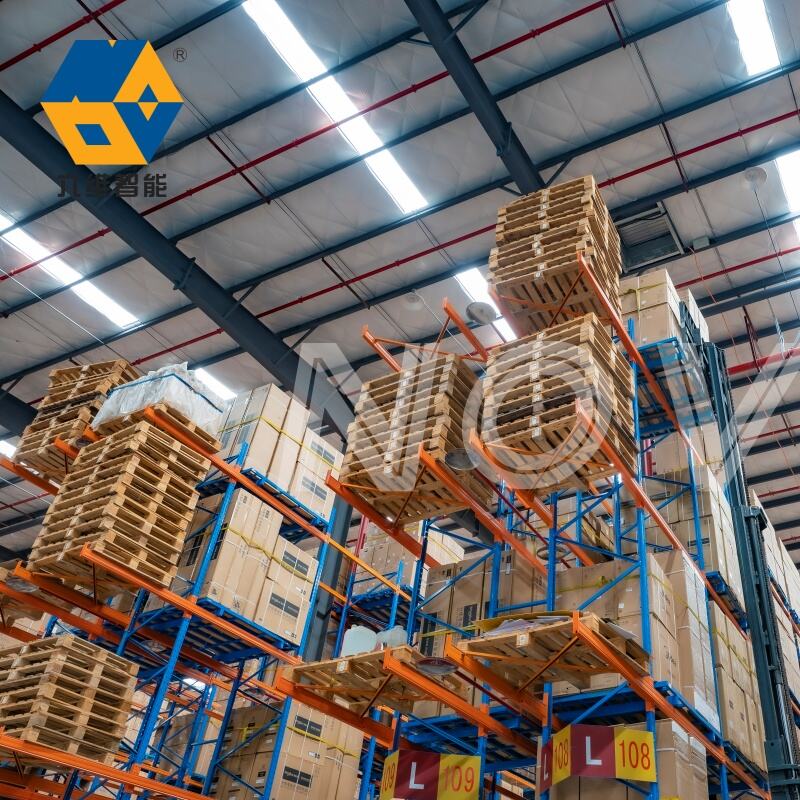
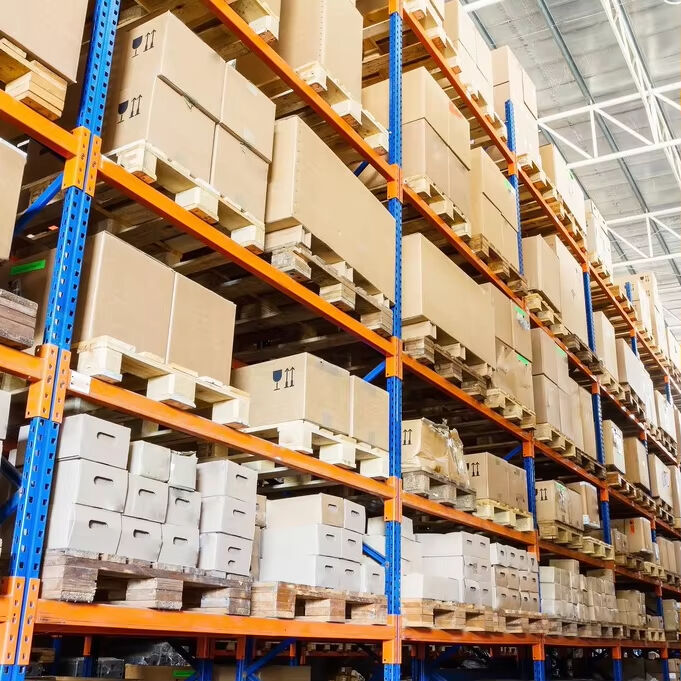
Industrial warehouse racking systems represent a fundamental solution for businesses seeking to maximize their storage capabilities and streamline operations within their facilities. These sophisticated storage frameworks are engineered to organize, store, and manage inventory efficiently while optimizing available floor space. At their core, industrial warehouse racking systems consist of vertical frames, horizontal beams, and supporting components that create multiple storage levels, allowing warehouses to utilize vertical space that would otherwise remain unused. The main functions of these systems include inventory organization, product protection, space optimization, and accessibility enhancement. By implementing industrial warehouse racking systems, companies can transform chaotic storage areas into well-organized, efficient operations that support rapid order fulfillment and inventory management. Technological features of modern industrial warehouse racking systems have evolved significantly, incorporating advanced materials such as high-grade steel with protective coatings that resist corrosion and wear. Many contemporary systems feature adjustable beam levels, enabling warehouses to customize shelf heights according to specific product dimensions. Load capacity calculations are precisely engineered, with some systems capable of supporting several thousand pounds per level. Safety mechanisms including beam locks, frame protectors, and seismic bracing ensure structural integrity and personnel protection. The applications of industrial warehouse racking systems span virtually every industry, from retail distribution centers and manufacturing facilities to food and beverage operations, pharmaceutical storage, automotive parts warehouses, and e-commerce fulfillment centers. Different racking configurations serve specific purposes: selective pallet racking provides direct access to every pallet, drive-in systems maximize density for homogeneous products, push-back racks offer high-density storage with selectivity, and cantilever racks accommodate long or awkwardly shaped items. The versatility of industrial warehouse racking systems makes them indispensable for businesses of all sizes, from small operations with limited space to massive distribution networks spanning hundreds of thousands of square feet.

New Products

The advantages of industrial warehouse racking systems extend far beyond simple storage, delivering tangible operational and financial benefits that directly impact your bottom line. First and foremost, these systems dramatically increase your storage capacity without requiring expensive building expansions. By building upward rather than outward, you can often double or triple your storage capacity within your existing footprint, avoiding costly real estate investments and construction projects. This vertical optimization means you pay less in rent or property costs per unit stored, directly improving your cost efficiency. Another significant advantage involves improved organization and inventory accuracy. When you implement industrial warehouse racking systems, every product receives a designated location, making it easier for your team to find items quickly and reducing picking errors. This organization translates to faster order fulfillment, happier customers, and fewer returns due to shipping mistakes. Your workers spend less time searching for products and more time completing productive tasks, which directly increases your labor efficiency. Safety improvements represent another compelling advantage of industrial warehouse racking systems. Properly installed racking keeps heavy items securely stored off the floor, reducing trip hazards and the risk of products falling on workers. This structured storage environment creates clear aisles for foot traffic and material handling equipment, minimizing accidents and potential liability issues. Fewer workplace injuries mean lower insurance premiums and reduced workers compensation claims, protecting both your employees and your financial health. Flexibility stands out as a particularly valuable benefit of modern industrial warehouse racking systems. As your business evolves and your product mix changes, you can reconfigure beam heights, add new sections, or modify layouts without starting from scratch. This adaptability protects your initial investment and allows your storage infrastructure to grow alongside your business. You avoid the waste of replacing entire systems when your needs shift. Inventory visibility improves dramatically with industrial warehouse racking systems, as products are stored in accessible locations rather than stacked on the floor or buried in piles. This visibility helps you monitor stock levels more effectively, identify slow-moving items, and make better purchasing decisions. Better inventory control reduces carrying costs and minimizes the capital tied up in excess stock. Enhanced product protection is another practical advantage, as industrial warehouse racking systems keep merchandise off the floor away from moisture, pests, and potential forklift damage. Products remain in better condition, reducing waste from damaged goods and preserving the value of your inventory investment.

Practical Tips

How Can a Mezzanine Improve Workflow and Storage Organization?

13

Jan

How Can a Mezzanine Improve Workflow and Storage Organization?

Modern warehouses face increasing pressure to maximize storage capacity while maintaining efficient workflow operations. A warehouse mezzanine offers an innovative solution that transforms vertical space into valuable storage and operational areas. T...
View More
How Does Automation Transform Storage and Retrieval Processes?

05

Feb

How Does Automation Transform Storage and Retrieval Processes?

Modern warehouses and distribution centers are experiencing a revolutionary transformation through advanced technology solutions that streamline operations and maximize efficiency. The implementation of sophisticated automated storage and retrieval s...
View More
Maintenance Tips for Long-Lasting Heavy Duty Pallet Racks

16

Mar

Maintenance Tips for Long-Lasting Heavy Duty Pallet Racks

Industrial warehouses rely heavily on robust storage solutions to maintain efficient operations and maximize space utilization. Heavy duty pallet racks form the backbone of modern warehouse infrastructure, supporting thousands of pounds of inventory ...
View More
How Can a Shuttle Rack Improve Inventory Management Efficiency?

16

Mar

How Can a Shuttle Rack Improve Inventory Management Efficiency?

Modern warehouses face unprecedented challenges in managing inventory efficiently while maximizing storage capacity. Traditional storage systems often fall short of meeting the demands of high-density storage requirements and rapid inventory turnover...
View More

Get a Free Quote

Our representative will contact you soon.
Email
Name
Company Name
Message
0/1000

industrial warehouse racking systems

Space Maximization Through Vertical Storage Engineering

Space Maximization Through Vertical Storage Engineering

One of the most compelling features of industrial warehouse racking systems lies in their ability to transform underutilized vertical space into productive storage capacity. Most warehouses and distribution centers fail to use the full height of their buildings, leaving valuable cubic footage empty while floor space remains crowded and congested. Industrial warehouse racking systems solve this problem through engineered vertical storage that can extend upward twenty feet or more, depending on your ceiling height and equipment capabilities. This vertical approach fundamentally changes the economics of warehousing by allowing you to store exponentially more products within the same four walls. Consider the financial implications: if your current facility stores ten thousand pallets using floor stacking methods, implementing industrial warehouse racking systems could potentially allow you to store twenty thousand or even thirty thousand pallets in the same building. This increased density eliminates or postpones the need to lease additional warehouse space, saving thousands of dollars monthly in real estate costs. The engineering behind this vertical storage capability involves careful calculation of load distributions, material strength, and structural integrity. Quality industrial warehouse racking systems utilize high-tensile steel components with precisely calculated weight capacities that ensure safe operation even when fully loaded. Frame designs incorporate both vertical and diagonal bracing to resist lateral forces, while beam-to-frame connections use specialized locking mechanisms that prevent accidental dislodgement during loading and unloading operations. The vertical configuration also improves warehouse workflows by creating clear zones for different product categories or storage velocities. Fast-moving items can occupy lower, more accessible levels for quick picking, while slower-moving inventory resides on upper levels where less frequent access is acceptable. This stratification optimizes labor efficiency because workers spend less energy retrieving high-demand products. Furthermore, the open structure of industrial warehouse racking systems allows for better air circulation throughout your facility, which is particularly important for temperature-sensitive products or environments where air quality matters. The space between levels prevents moisture accumulation and allows for more effective climate control compared to solid floor stacking. This vertical storage engineering represents not just a storage solution but a comprehensive approach to facility optimization that delivers measurable returns on investment through increased capacity, reduced real estate costs, and improved operational efficiency.
Customizable Configuration for Diverse Product Requirements

Customizable Configuration for Diverse Product Requirements

The adaptability of industrial warehouse racking systems stands as a defining characteristic that delivers exceptional value across different industries and product types. Unlike fixed shelving or rigid storage solutions, industrial warehouse racking systems offer remarkable configuration flexibility that allows your storage infrastructure to evolve alongside changing business needs. This customization capability begins with adjustable beam levels that can be repositioned vertically in small increments, typically every two inches along the upright frames. This granular adjustability means you can create shelf heights that precisely match your product dimensions, eliminating wasted space above shorter items while accommodating taller products when necessary. The practical benefit of this customization becomes apparent when your product mix changes seasonally or when you add new product lines to your inventory. Rather than struggling to fit new items into a fixed structure or investing in completely new storage systems, you simply adjust beam positions to create appropriate shelf heights. This flexibility protects your capital investment and reduces the total cost of ownership over the system's lifespan. Industrial warehouse racking systems also accommodate various load types through different decking options. Wire mesh decking provides visibility and fire suppression system compatibility while supporting boxed products, whereas solid steel decking suits smaller items that might slip through wire mesh. Pallet support bars work perfectly for standard pallet loads, while specialized cradles and arms accommodate unusual shapes like pipes, lumber, or rolled materials. The configuration possibilities extend to system depth and width as well. Single-deep selective configurations provide access to every stored pallet, making them ideal for operations with high SKU counts and relatively fast inventory turnover. Double-deep systems sacrifice some selectivity for increased density, working well when you store multiple pallets of the same product. Drive-in and drive-through configurations maximize density for operations with low SKU counts and slower turnover rates, such as cold storage facilities where space costs are premium. This customization capability also addresses specific operational challenges. If your facility handles both pallet loads and hand-picked items, you can create hybrid zones that combine pallet racking with carton flow or shelving sections. If you store products with vastly different weights, you can install heavier-duty frames and beams in specific areas while using lighter, more economical components elsewhere. The modular nature of industrial warehouse racking systems means you can start with a basic configuration and expand incrementally as your business grows, adding new rows or levels without disrupting existing operations. This scalability ensures your storage infrastructure never becomes a constraint on business growth.
Durability and Safety Features for Long-Term Reliability

Durability and Safety Features for Long-Term Reliability

The engineering integrity and safety features incorporated into quality industrial warehouse racking systems provide peace of mind and long-term value that extends far beyond initial installation. These systems are built to withstand decades of demanding use in harsh warehouse environments, representing a true capital investment rather than a consumable expense. The durability begins with material selection, as reputable manufacturers construct industrial warehouse racking systems from high-grade structural steel that meets or exceeds industry standards for strength and reliability. This steel undergoes protective finishing processes, typically powder coating or galvanizing, that create a barrier against corrosion, chemicals, and physical abrasion. The result is a storage system that maintains its structural integrity and appearance even after years of exposure to moisture, temperature fluctuations, and the inevitable impacts that occur in busy warehouse operations. The frames and beams are engineered with safety factors that exceed normal working loads, providing a margin of protection against overloading and unexpected stress events. Safety features represent a critical dimension of industrial warehouse racking systems that directly protect your most valuable assets: your employees. Column protectors shield upright frames from forklift impacts at floor level, where collisions most commonly occur. These protective barriers absorb impact energy and prevent frame damage that could compromise structural integrity. Beam safety locks prevent accidental beam dislodgement during loading operations, ensuring beams remain securely connected to frames even if struck by lifting equipment. Wire mesh decking not only supports products but also prevents items from falling through rack levels onto workers or equipment below. Many industrial warehouse racking systems incorporate load identification plates that clearly display maximum weight capacities, helping workers avoid dangerous overloading situations. Frame anchoring systems secure the racking structure to the concrete floor, preventing tip-over scenarios and providing seismic resistance in earthquake-prone regions. The importance of these safety features cannot be overstated, as rack failures can result in catastrophic injuries, extensive property damage, and significant liability exposure. Beyond protecting people, the durability of industrial warehouse racking systems protects your inventory investment. Stable, properly engineered racking prevents product damage from structural failures or settling, maintaining the condition and value of your stored merchandise. The long service life of quality industrial warehouse racking systems delivers exceptional return on investment. While the initial cost may exceed simpler storage alternatives, the ability to use these systems reliably for twenty years or more dramatically reduces the annualized cost of storage. You avoid the disruption and expense of premature replacement while benefiting from a storage infrastructure that continues performing optimally throughout its service life. This long-term reliability makes industrial warehouse racking systems a financially sound choice for businesses planning for sustained growth and operational excellence.

Get a Free Quote

Our representative will contact you soon.
Email
Name
Company Name
Message
0/1000

Get a Free Quote

Our representative will contact you soon.
Email
Name
Company Name
Message
0/1000