מתלים תעשייתיים
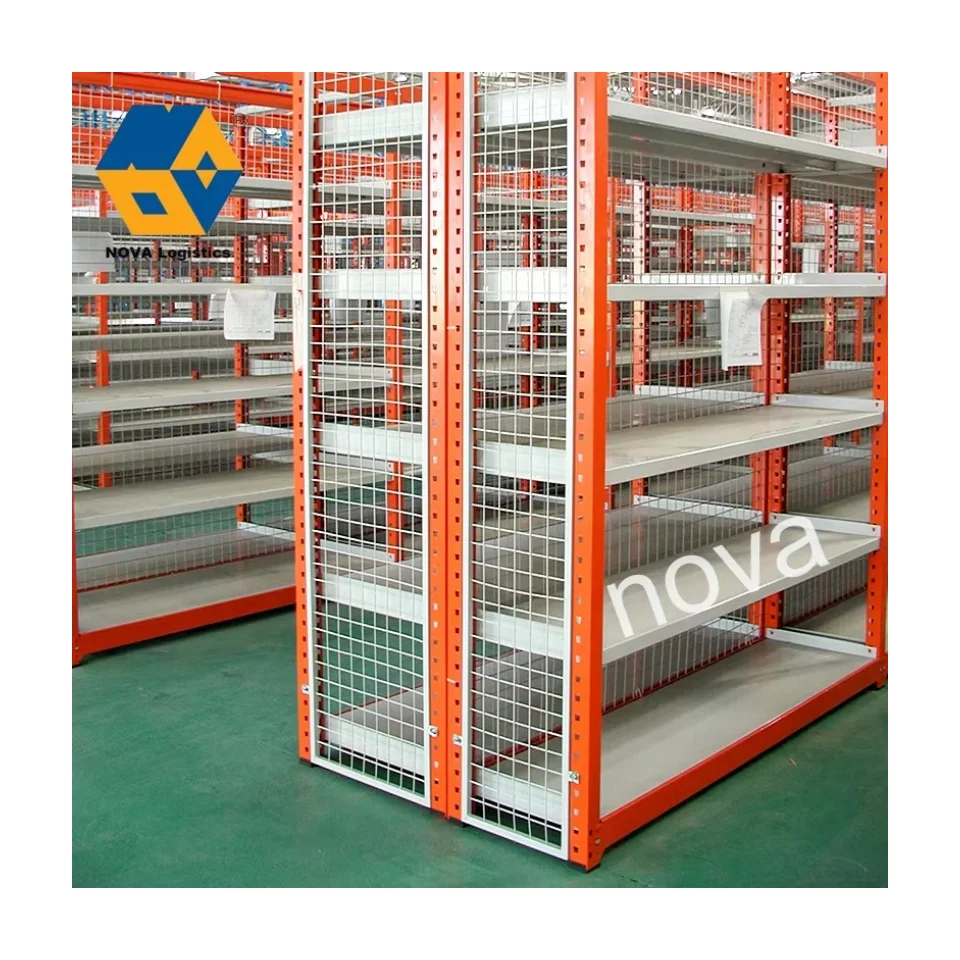
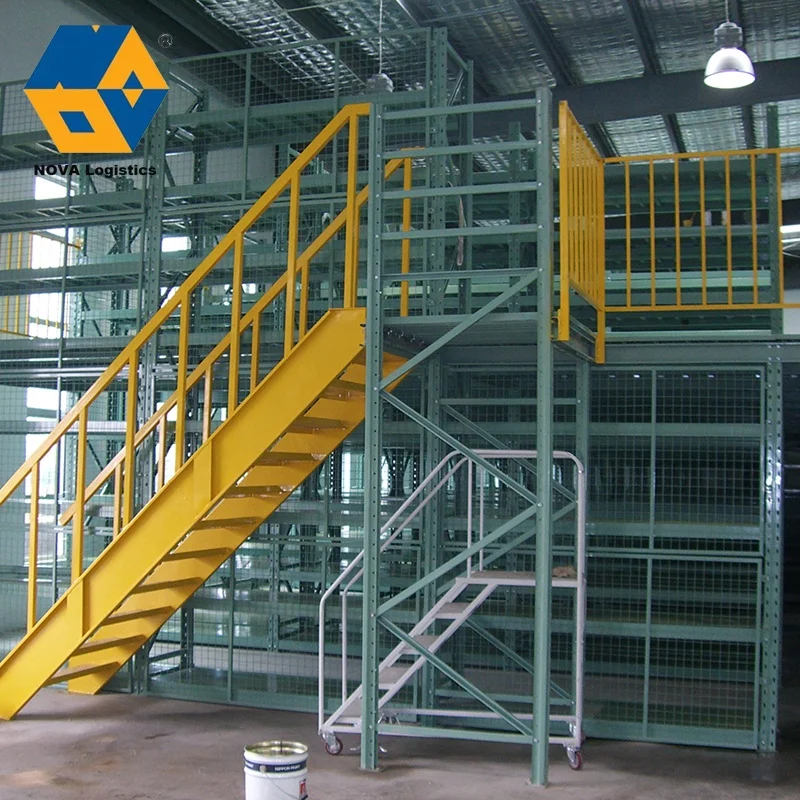
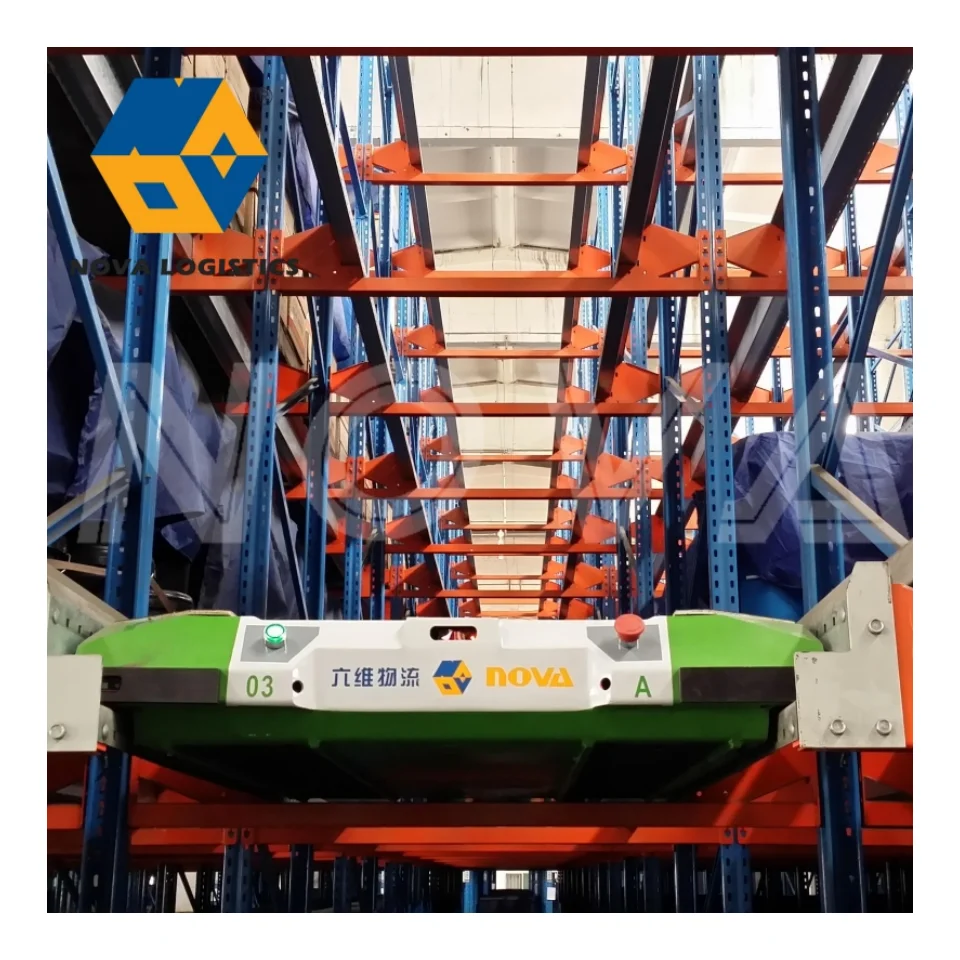
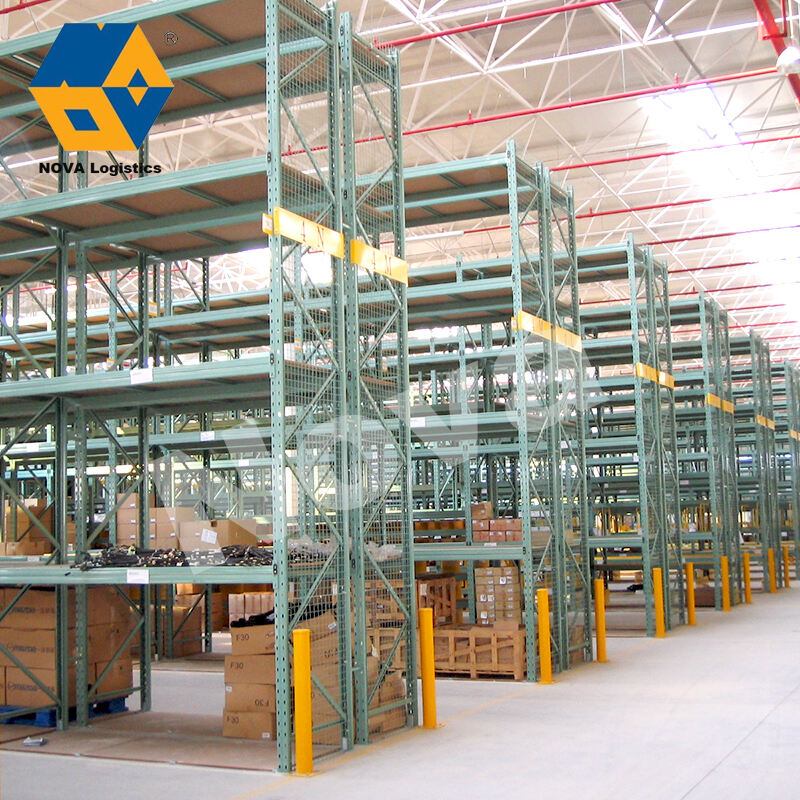
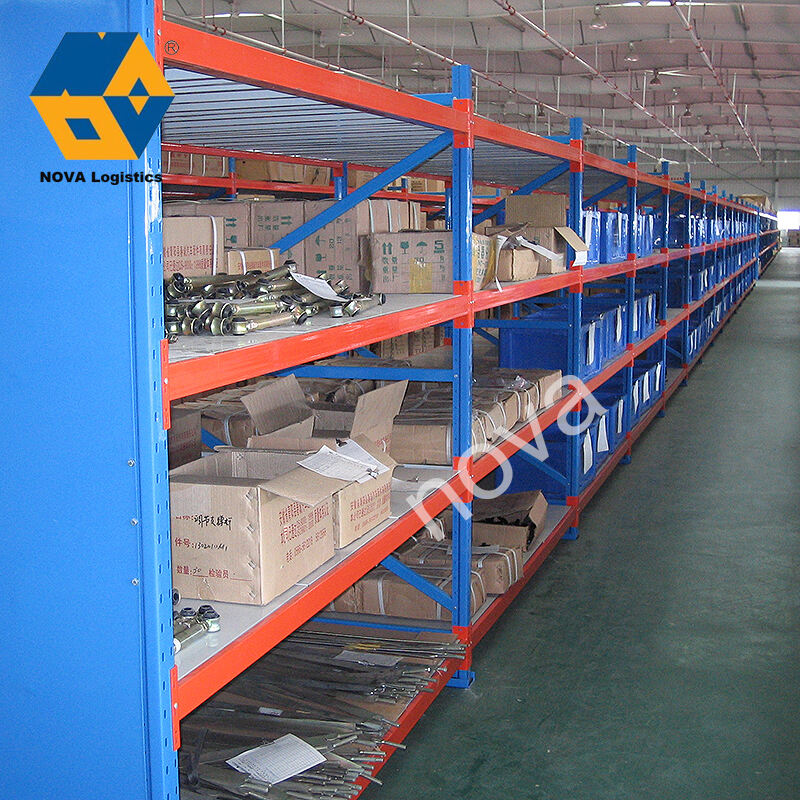
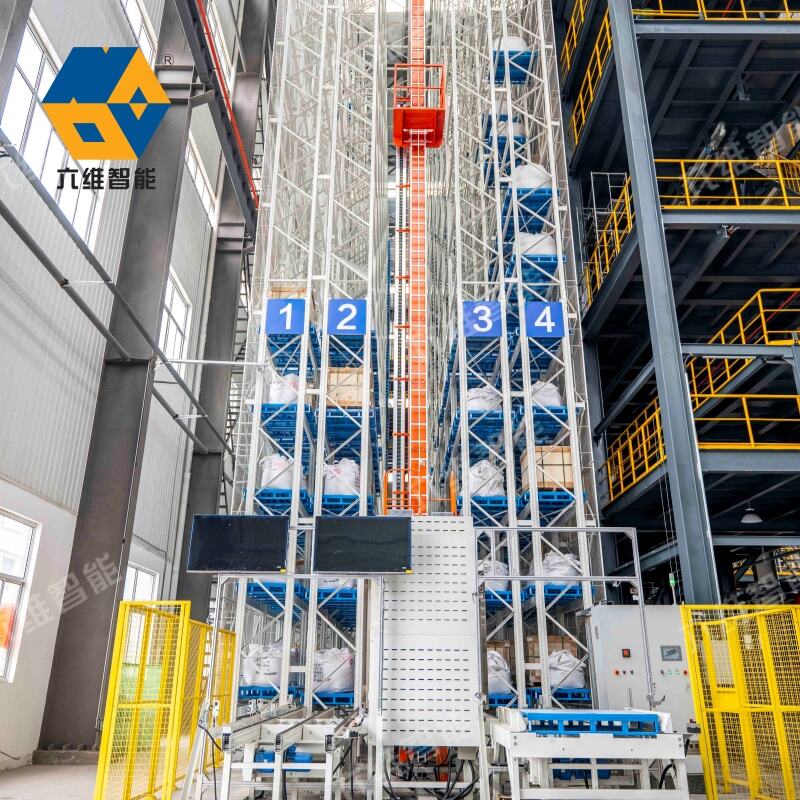
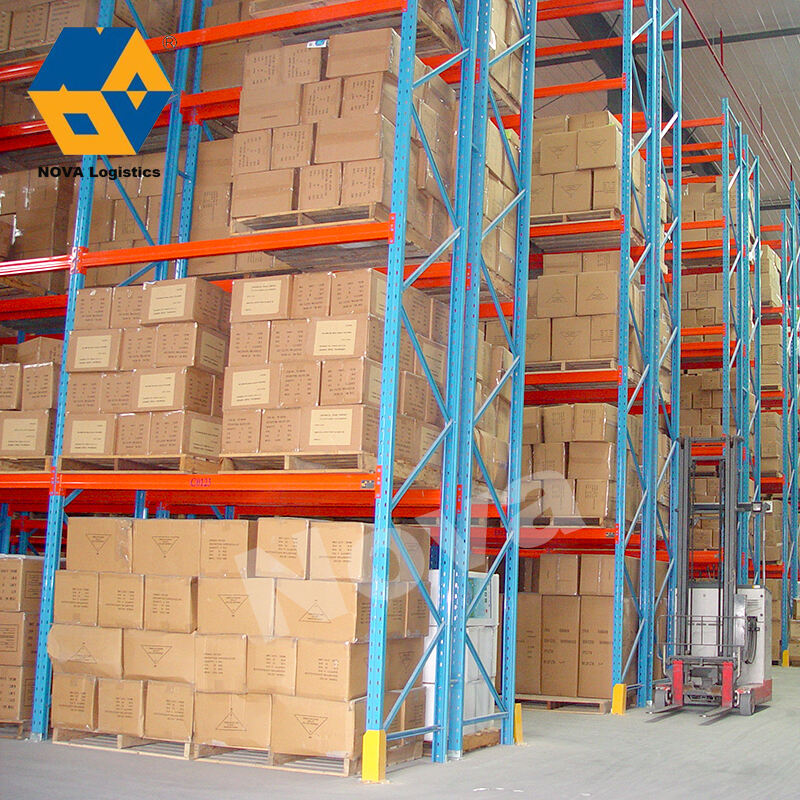
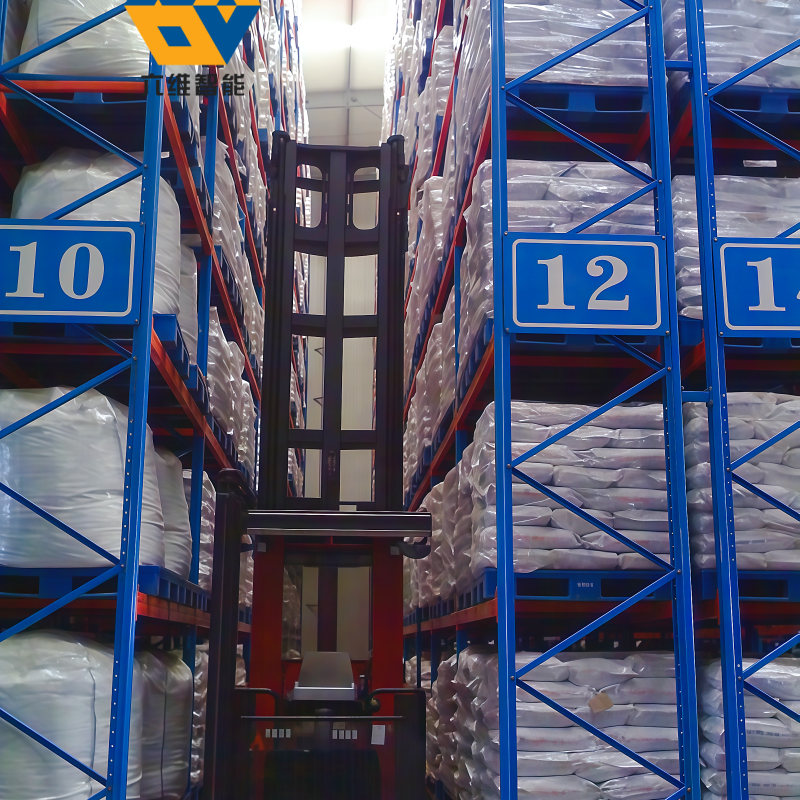
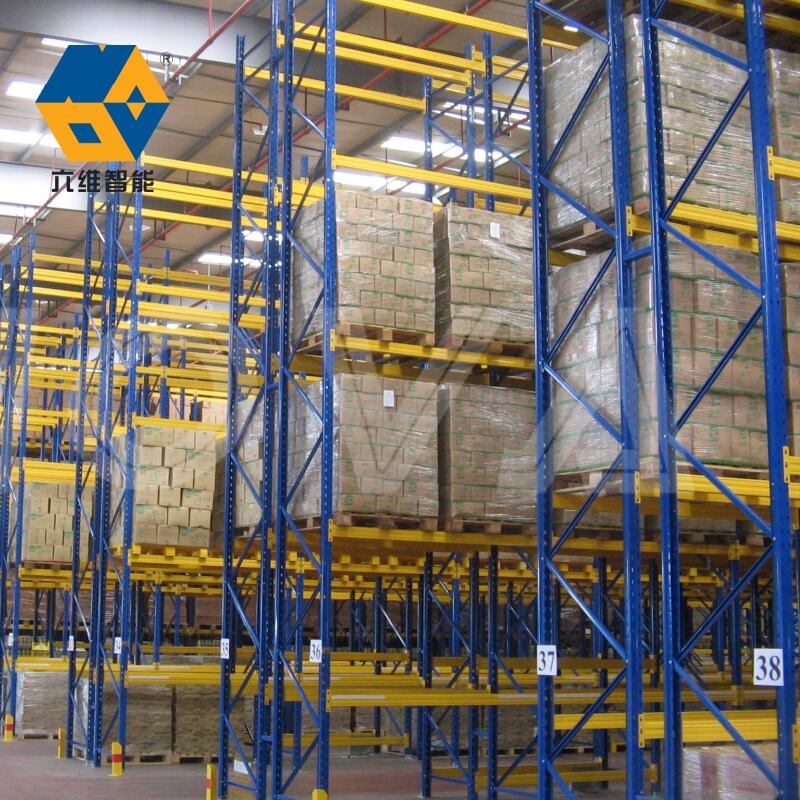
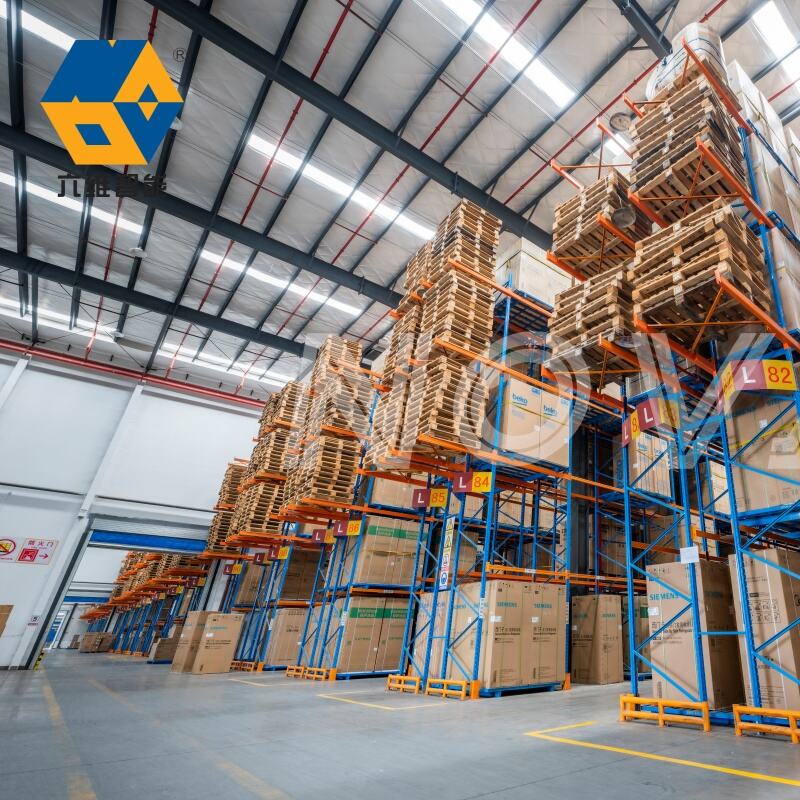
מערכת מדפי אחסון תעשייתית מהווה פתרון אחסון בסיסי שנועד לאופטימיזציה של פעולות המזון ולמקסום השטח הזמין בסביבות מסחריות ותעשייתיות. מערכות עמידות אלו מספקות אחסון מאורגן לחומרים, מוצרים וציוד במגוון תחומים, כולל לוגיסטיקה, קמעונאות, ייצור ומרכזי הפצה. התפקידה העיקרי של מערכת מדפי האחסון התעשיתית הוא יצירת אפשרויות אחסון אנכיות שמשנות את החללים הריקים מעל הרצפה למשטח אחסון בעל ערך, ובכך מגדילות את הקיבולת של המתקנים ללא צורך בהרחבת הבניין. מערכות מדפי אחסון תעשייתיות מודרניות כוללות רמות קרשים מתכווננות, המאפשרות לעסקים להתאים את גובה המדפים בהתאם לממדים הספציפיים של המוצרים ולדרישות הפעולה. התכונות הטכנולוגיות המשובצות בעיצובי מדפי האחסון התעשייתיות המודרניות כוללות בנייה מחזקת מפלדה, סגנית אבקה למניעת קורוזיה, וקיבולת עומס מהונדסת שמאפשרת להכיל באופן בטוח מטענים כבדים. למערכות אלו יש בדרך כלל מסגרות זקופות המחוברות באמצעות קרשים אופקיים, שיוצרים רמות מדפים יציבות שיכולות לתמוך במטענים על פלטות, סחורות בארגזים או פריטים בודדים, בהתאם לבחירת התצורה. השימוש במערכות מדפי אחסון תעשייתיות משתרע על פני מגוון תחומים, החל מאחסון חלקים לאוטומוביל ועד לניהול מלאי בפרמקאות, מאחסון מזון במתקני הפצה ועד למרכזי מילוי הזמנות באתרי מסחר אלקטרוני. הגמישות של מערכות מדפי האחסון התעשיתיות הופכת אותן למתאימות לאחסון כל דבר – מרכיבים קטנים ועד ציוד ענק, עם קיבולת משקל הנעה ממספר מאות פאונד עד מספר טונות לרמת מדף אחת. גמישות ההתקנה היא תכונה עיקרית נוספת, שכן מערכות אלו ניתנות לתיאום בתצורות חד-שורה, שורה כפולה (גב לגב) או תצורות מורכבות מרובה איזורים, אשר מתאימות לשטח הקרקע הייחודי של כל מתקן. תכונות הבטיחות המשובצות בעיצובי מדפי האחסון התעשייתיות כוללות מגנים למסגרות, מגנים לעמודים ומגבים בטיחותיים המחברים את הקרשים למסגרות, כדי למנוע התנתקות אקראית במהלך פעולות הטעינה והפריקה. האופי המודולרי של מערכות מדפי האחסון התעשיתיות מאפשר לעסקים להתחיל עם תצורות בסיסיות ולהרחיב באופן שיטתי ככל שצרכי האחסון גדלים, מה שהופך את המערכות הללו למתאימות להיקף צמיחה שונה של ארגונים, וכן ליעילות עלות.

 EN
EN