Industrial Shelf Racking Solutions: Heavy-Duty Storage Systems for Maximum Warehouse Efficiency

All Categories

Get a Free Quote

Our representative will contact you soon.
Email
Name
Company Name
Message
0/1000

industrial shelf racking

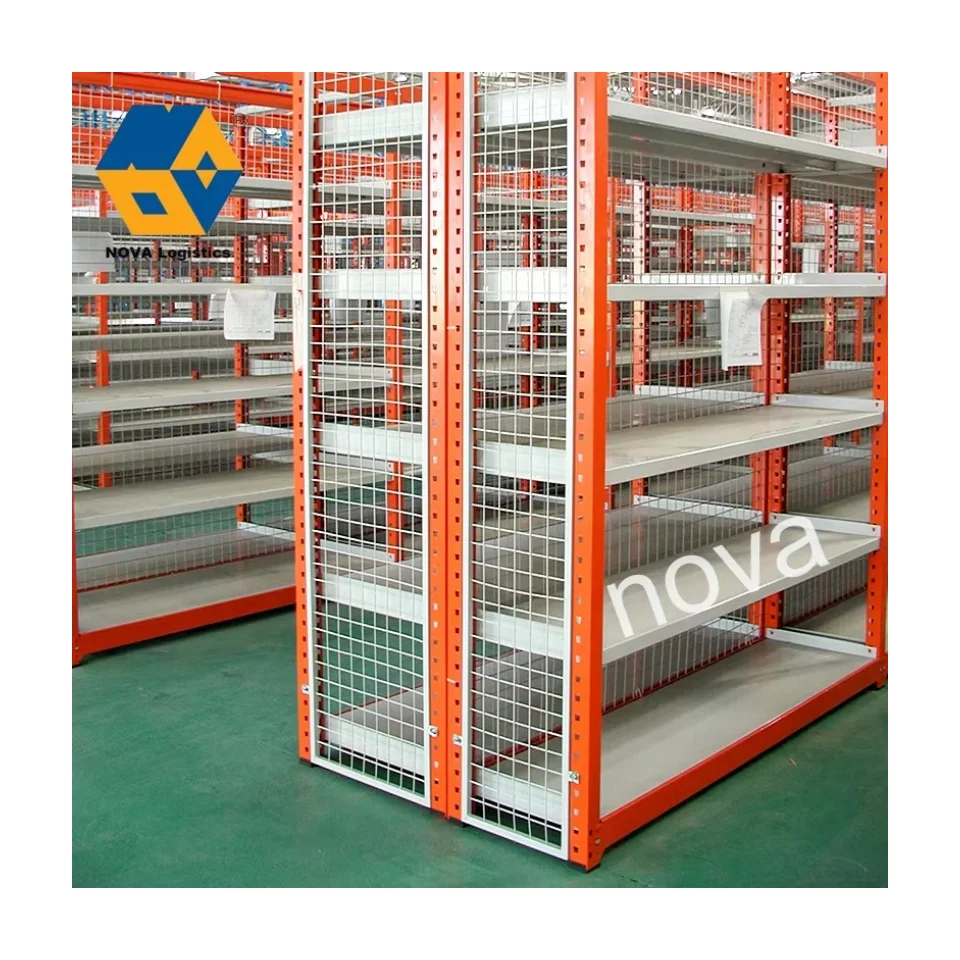
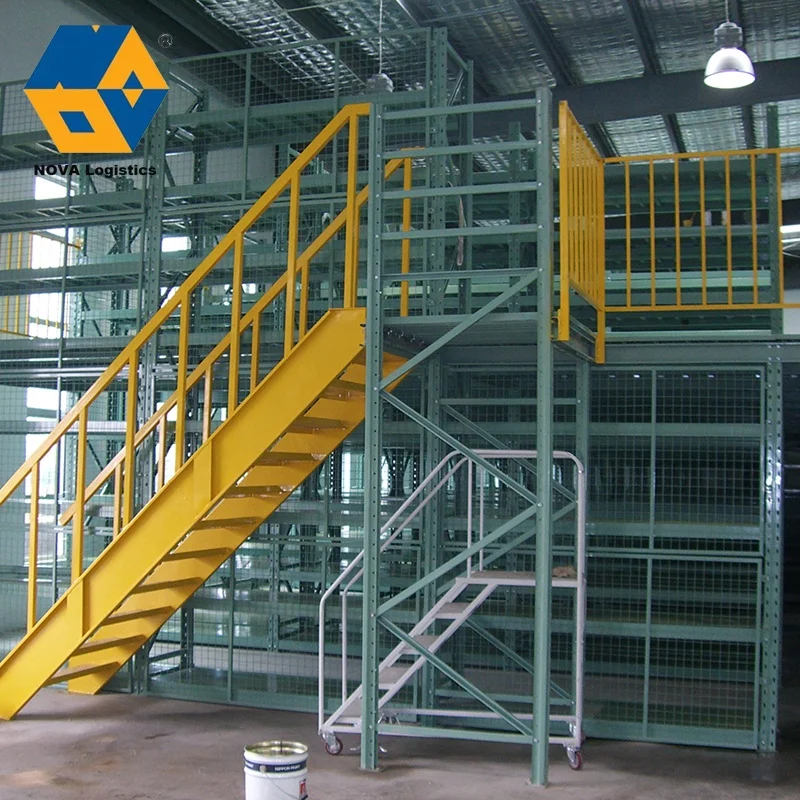
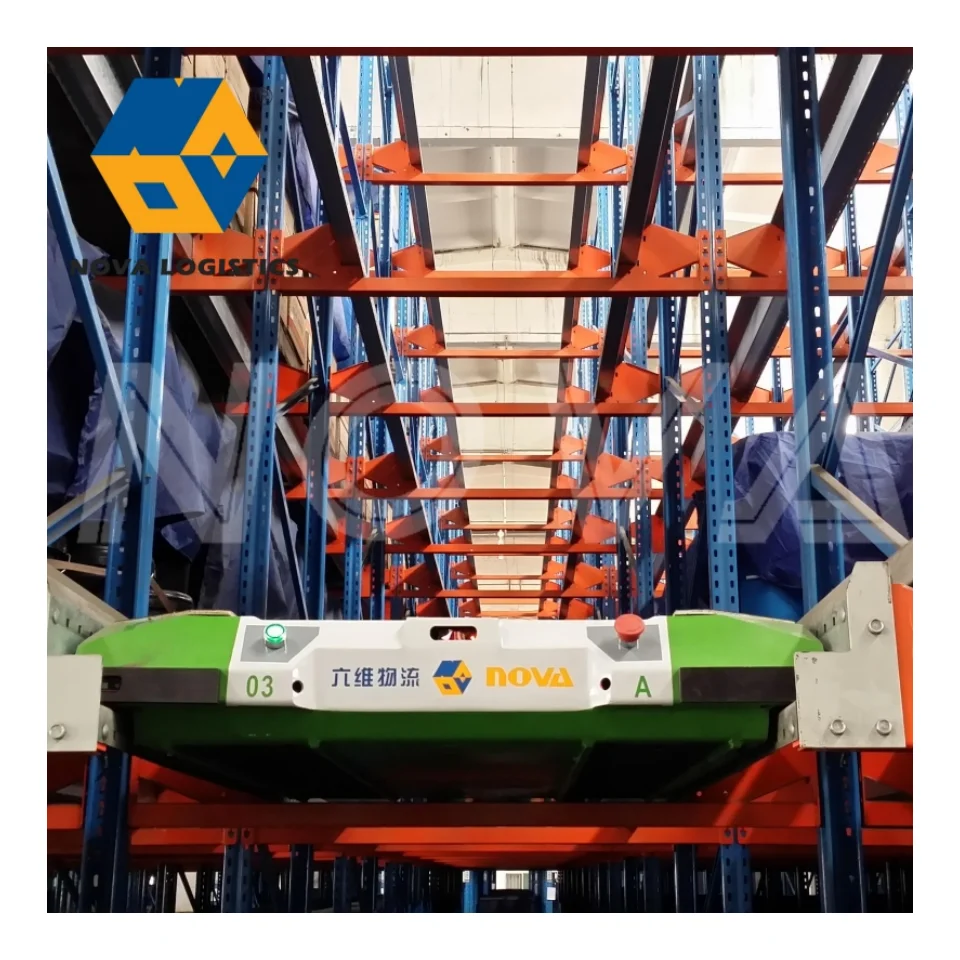
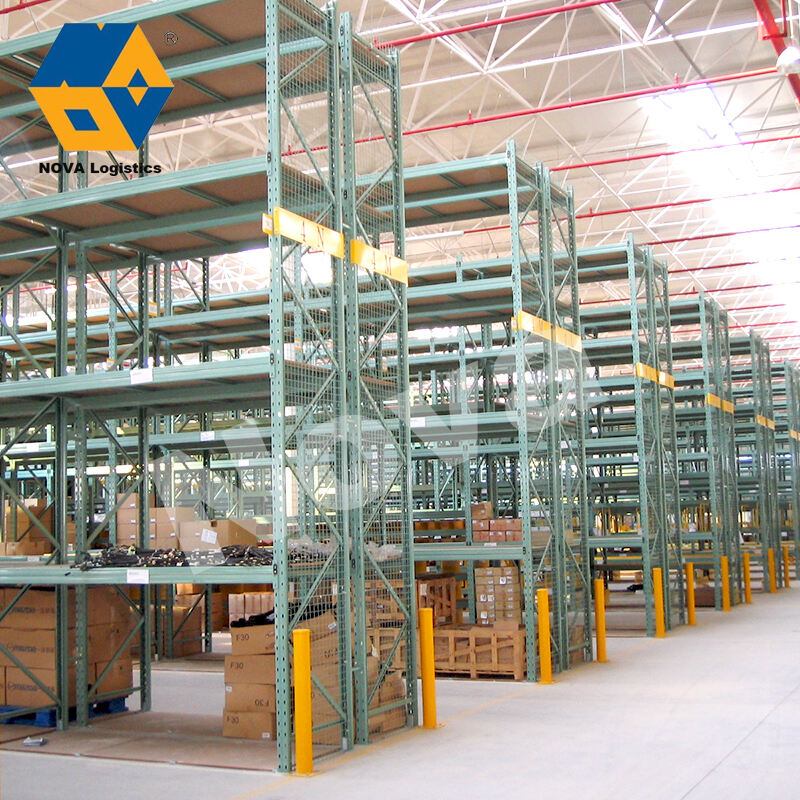
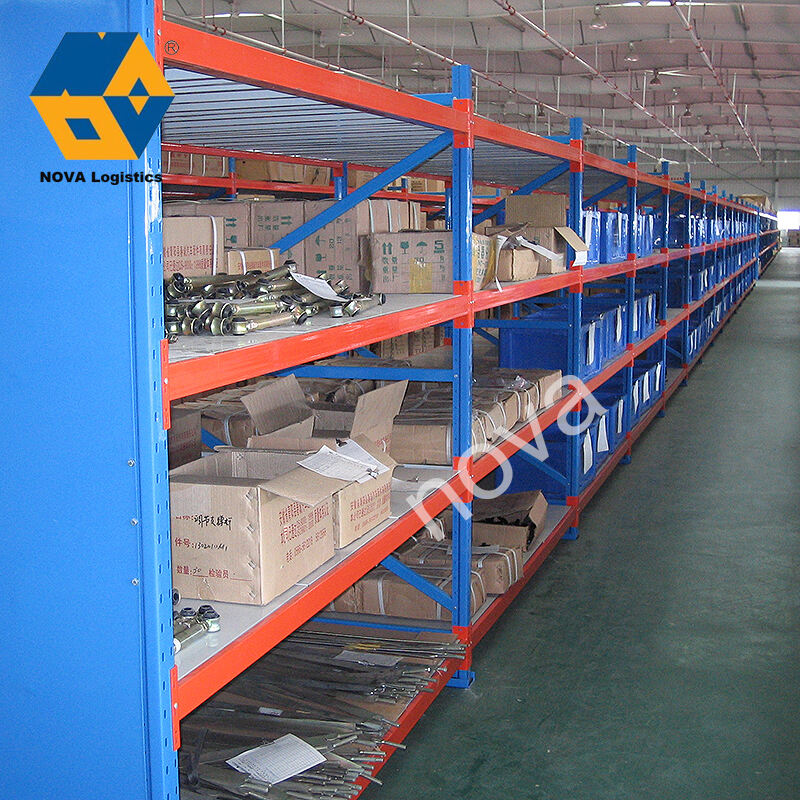
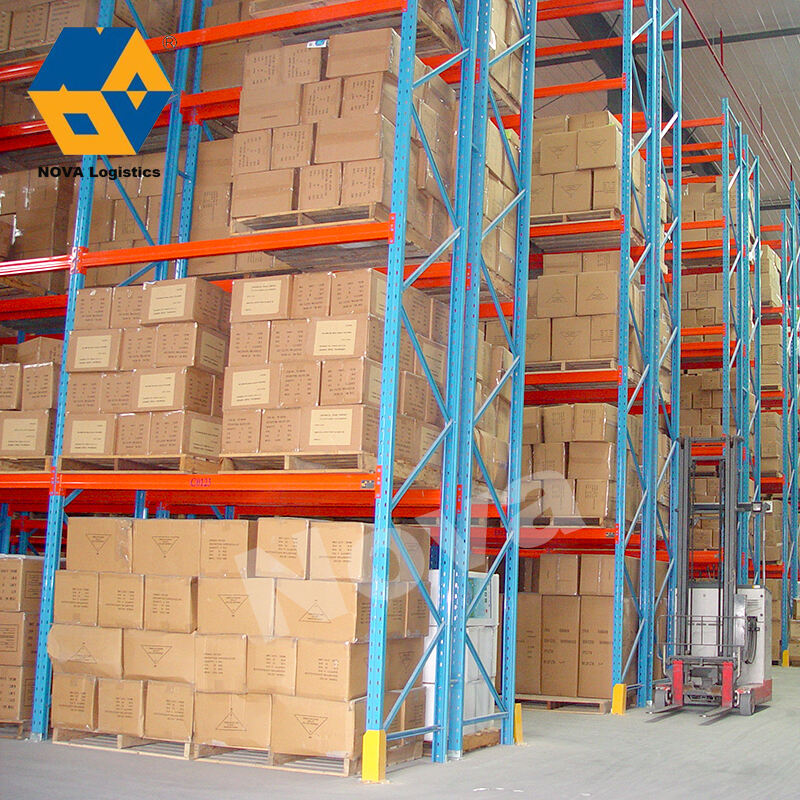
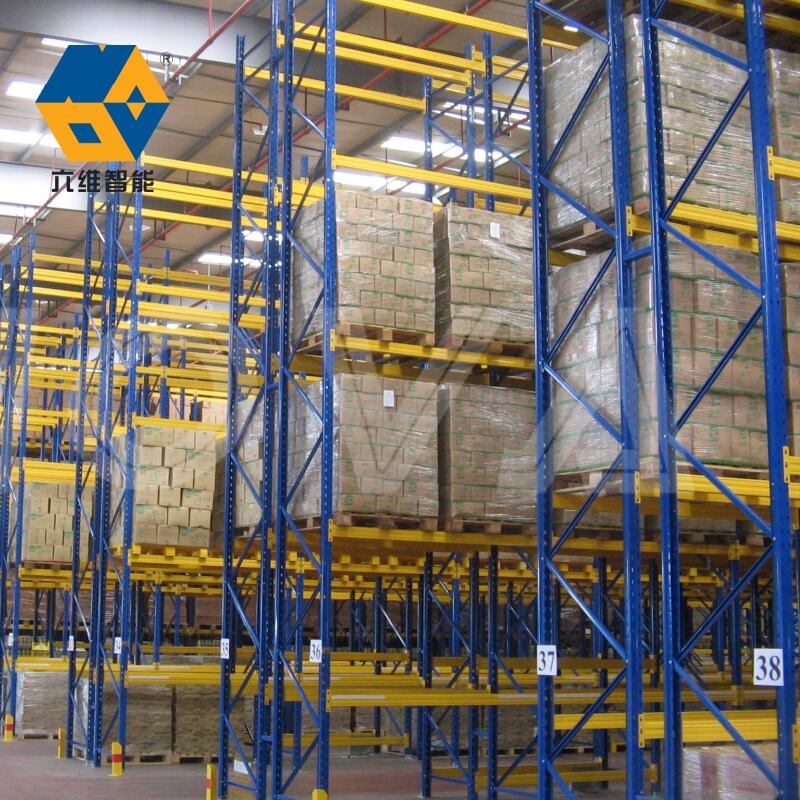
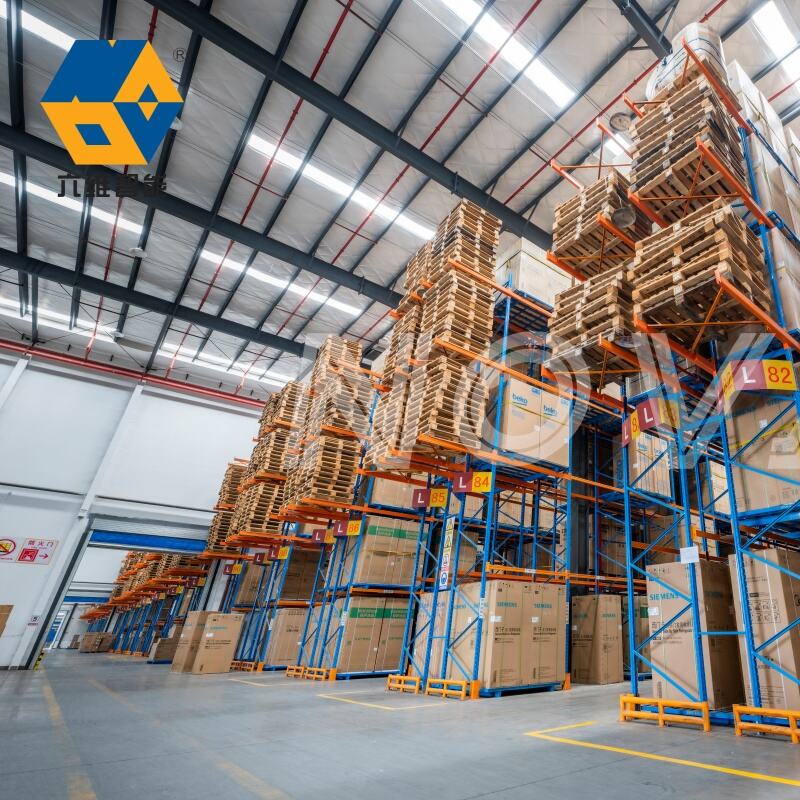
Industrial shelf racking represents a fundamental storage solution designed to optimize warehouse operations and maximize available space in commercial and manufacturing environments. These robust systems provide organized storage for materials, products, and equipment across diverse sectors including logistics, retail, manufacturing, and distribution centers. The primary function of industrial shelf racking involves creating vertical storage opportunities that transform previously unused overhead space into valuable storage real estate, thereby increasing facility capacity without requiring building expansion. Modern industrial shelf racking systems incorporate adjustable beam levels, allowing businesses to customize shelf heights according to specific product dimensions and operational requirements. The technological features embedded within contemporary industrial shelf racking designs include reinforced steel construction, powder-coated finishes for corrosion resistance, and engineered load-bearing capacities that safely accommodate heavy inventory loads. These systems typically feature upright frames connected by horizontal beams, creating stable shelving levels that can support palletized goods, boxed merchandise, or loose items depending on configuration choices. Applications for industrial shelf racking extend across multiple industries, from automotive parts storage and pharmaceutical inventory management to food distribution warehouses and e-commerce fulfillment centers. The versatility of industrial shelf racking makes it suitable for storing everything from small components to oversized equipment, with weight capacities ranging from several hundred pounds to multiple tons per shelf level. Installation flexibility represents another core function, as these systems can be configured in single-row, back-to-back, or complex multi-aisle layouts that adapt to unique facility footprints. Safety features integrated into industrial shelf racking designs include frame protectors, column guards, and safety clips that secure beams to uprights, preventing accidental dislodgement during loading and unloading operations. The modular nature of industrial shelf racking enables businesses to start with basic configurations and expand systematically as storage needs grow, making these systems both scalable and cost-effective for organizations at various growth stages.

New Product Releases

The advantages of industrial shelf racking extend far beyond simple storage, delivering measurable improvements to operational efficiency and bottom-line profitability for businesses of all sizes. First and foremost, these systems dramatically increase storage density by utilizing vertical space that would otherwise remain empty and unproductive. This vertical expansion means companies can store significantly more inventory within their existing facility footprint, eliminating or postponing the need for costly warehouse expansions or additional leased space. The financial savings from optimized space utilization can be substantial, often recovering the initial investment in industrial shelf racking within the first year of operation. Accessibility improvements represent another major advantage, as properly designed industrial shelf racking creates organized storage locations where workers can quickly locate and retrieve items without wasting time searching through cluttered areas. This enhanced accessibility directly translates to faster order fulfillment times, improved customer satisfaction, and reduced labor costs associated with inventory handling. The structural durability of quality industrial shelf racking ensures long-term reliability, with properly maintained systems providing decades of service without requiring replacement. Unlike temporary storage solutions or makeshift shelving, professional-grade industrial shelf racking withstands the rigors of daily warehouse operations, including frequent loading cycles, forklift traffic, and environmental conditions. Flexibility stands out as a particularly valuable advantage, since adjustable beam levels allow businesses to reconfigure storage layouts as product lines change or inventory characteristics evolve. This adaptability protects against obsolescence and ensures the storage system continues meeting operational needs throughout various business cycles. Safety enhancements provided by industrial shelf racking cannot be overstated, as organized storage reduces workplace accidents caused by improperly stacked materials, unstable piles, or obstructed walkways. Clear aisles and designated storage locations created by industrial shelf racking improve facility navigation and emergency egress routes. Inventory management becomes significantly more accurate with industrial shelf racking, as designated storage locations enable precise tracking of stock levels, reduce misplaced items, and support efficient inventory rotation practices. The professional appearance of well-organized industrial shelf racking also improves workplace morale and creates positive impressions during client visits or facility inspections. From an operational standpoint, industrial shelf racking facilitates better workflow planning by establishing logical storage zones for receiving, picking, packing, and shipping activities. The standardization provided by these systems simplifies training for new employees and reduces errors associated with unclear storage protocols. Environmental benefits emerge as well, since maximizing existing space reduces the need for new construction and its associated environmental impact.

Latest News

Which Heavy Duty Rack Configurations Suit Different Industries?

20

May

Which Heavy Duty Rack Configurations Suit Different Industries?

Choosing the right heavy duty rack configuration is one of the most consequential decisions a warehouse manager or operations director can make. The wrong choice leads to wasted floor space, inefficient picking workflows, and safety risks that compou...
View More
What Makes a Longspan Rack Ideal for Medium- to Heavy-Duty Storage?

13

Jan

What Makes a Longspan Rack Ideal for Medium- to Heavy-Duty Storage?

Modern warehouses and industrial facilities face increasing pressure to optimize storage capacity while maintaining efficient access to inventory. The longspan rack has emerged as a versatile solution that bridges the gap between light-duty shelving ...
View More
How Does Automation Transform Storage and Retrieval Processes?

05

Feb

How Does Automation Transform Storage and Retrieval Processes?

Modern warehouses and distribution centers are experiencing a revolutionary transformation through advanced technology solutions that streamline operations and maximize efficiency. The implementation of sophisticated automated storage and retrieval s...
View More
Comparing Heavy Duty Racks with Standard Pallet Rack Systems

16

Mar

Comparing Heavy Duty Racks with Standard Pallet Rack Systems

When it comes to optimizing warehouse storage capacity and operational efficiency, selecting the right pallet racking system becomes a critical decision that impacts both immediate functionality and long-term profitability. The choice between heavy d...
View More

Get a Free Quote

Our representative will contact you soon.
Email
Name
Company Name
Message
0/1000

industrial shelf racking

Unmatched Load Capacity and Structural Integrity for Heavy-Duty Applications

Unmatched Load Capacity and Structural Integrity for Heavy-Duty Applications

Industrial shelf racking systems distinguish themselves through exceptional load-bearing capabilities engineered to handle the most demanding storage requirements in modern warehouses and distribution facilities. The structural integrity of these systems begins with heavy-gauge steel construction, where upright frames and horizontal beams are manufactured from high-strength steel alloys specifically selected for their superior weight-bearing properties and resistance to deformation under sustained loads. Each component undergoes rigorous quality testing to verify load ratings, ensuring that published capacity specifications reflect real-world performance under various loading conditions. The engineering behind industrial shelf racking incorporates principles of distributed weight management, where loads are transferred through beams to upright frames and ultimately to reinforced floor connections, creating a stable system that maintains structural integrity even when fully loaded across multiple levels. Beam designs feature specialized profiles that maximize strength while minimizing material usage, resulting in efficient load distribution that prevents sagging or bowing even when supporting maximum rated capacities for extended periods. The connection systems between beams and uprights represent critical engineering achievements, utilizing safety locks, bolted connections, or specialized clips that create secure attachments capable of withstanding both vertical loads and lateral forces that might occur during loading operations or seismic events. Industrial shelf racking systems designed for heavy-duty applications often incorporate additional reinforcement elements such as diagonal bracing, row spacers, and base plates that enhance overall system stability and prevent structural failure under extreme conditions. The powder-coating process applied to steel components serves dual purposes, providing corrosion protection that extends system lifespan while also creating a finished appearance suitable for customer-facing environments. Load capacity ratings for industrial shelf racking vary based on configuration, with individual shelf levels commonly supporting between 2000 and 5000 pounds, while specialized systems can accommodate even greater weights through reinforced designs and closer beam spacing. This remarkable load capacity enables businesses to store dense products, palletized goods, or heavy machinery components without concerns about structural failure or safety risks associated with overloaded shelving.
Exceptional Configurability and Scalability for Evolving Business Needs

Exceptional Configurability and Scalability for Evolving Business Needs

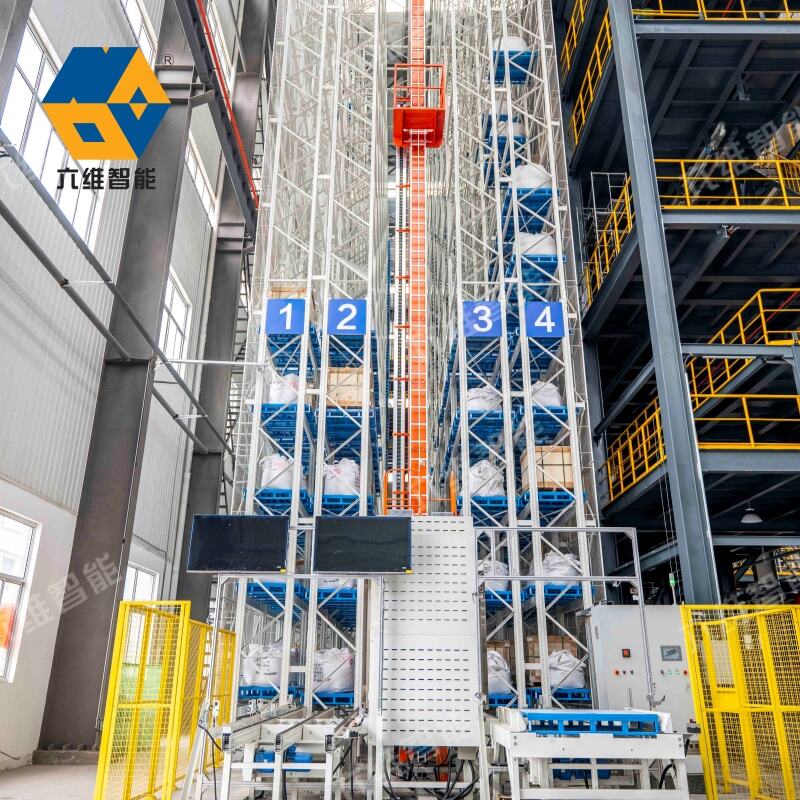
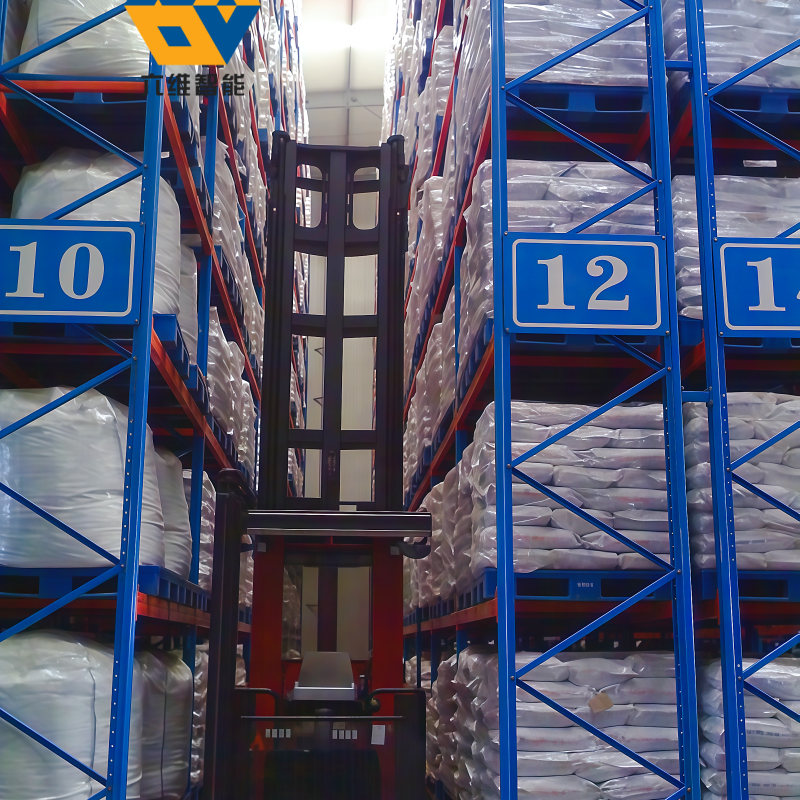
The configurability of industrial shelf racking stands as a defining characteristic that separates these professional systems from basic shelving alternatives, offering businesses unprecedented flexibility to design storage solutions precisely matched to their unique operational requirements. This adaptability begins with adjustable beam heights, typically featuring pitch increments of two inches or less, allowing warehouse managers to fine-tune shelf spacing to accommodate products of varying dimensions while minimizing wasted vertical space. The modular design philosophy underlying industrial shelf racking means that individual components can be added, removed, or reconfigured without requiring complete system replacement, protecting infrastructure investments as business needs evolve over time. Businesses can start with basic starter units and expand horizontally by adding adder sections that share common upright frames, creating continuous runs of storage that maximize linear space utilization along warehouse walls or within designated storage zones. Vertical expansion represents another scaling option, as taller upright frames can be installed to add additional shelf levels, effectively multiplying storage capacity within the same floor footprint. The variety of beam lengths available in industrial shelf racking systems enables precise matching to pallet sizes, carton dimensions, or equipment footprints, ensuring efficient space utilization without gaps that waste valuable storage volume. Depth configurations offer further customization opportunities, with single-deep, double-deep, and even specialized drive-in or push-back variations available to suit different inventory management approaches and forklift access requirements. Accessory integration capabilities expand functionality beyond basic shelving, with options including wire decking for supporting non-palletized items, dividers for creating organized compartments within shelf levels, and specialized attachments for hanging garments, storing pipes, or securing irregularly shaped items. The compatibility of industrial shelf racking with various material handling equipment represents another dimension of configurability, as aisle widths and shelf heights can be optimized for specific forklift types, order picking equipment, or automated retrieval systems. Color-coding options available through different powder-coat finishes enable visual organization systems that simplify inventory management and reduce picking errors in complex warehouse environments. This comprehensive configurability ensures that industrial shelf racking adapts to business requirements rather than forcing operations to conform to inflexible storage constraints.
Enhanced Safety Features and Compliance with Regulatory Standards

Enhanced Safety Features and Compliance with Regulatory Standards

Safety considerations form the foundation of quality industrial shelf racking design, with comprehensive protection features integrated throughout these systems to safeguard both personnel and inventory in demanding warehouse environments. The commitment to safety begins with engineered load ratings that incorporate substantial safety factors, ensuring that published capacity specifications represent conservative estimates that provide margins against overloading risks even when weights are imperfectly distributed across shelf surfaces. Frame protection systems represent critical safety components, with upright guards, column protectors, and corner guards absorbing impacts from forklifts, pallet jacks, and other material handling equipment that might otherwise compromise structural integrity through repeated collisions during normal operations. These protective elements are typically constructed from high-visibility painted steel or heavy-duty polymer materials that both cushion impacts and alert operators to potential collision hazards through bright coloring. Safety clips and locking mechanisms that secure beams to upright frames prevent accidental dislodgement during loading operations, eliminating risks of beam collapse that could cause inventory damage, equipment harm, or personnel injury. Industrial shelf racking systems designed to current safety standards incorporate seismic considerations, with engineering calculations accounting for lateral forces that might occur during earthquakes or other ground movements, ensuring system stability even under extraordinary conditions. Compliance with regulatory frameworks such as RMI specifications, OSHA requirements, and local building codes represents a fundamental aspect of professional industrial shelf racking installations, with reputable manufacturers providing documentation, load capacity charts, and installation guidelines that facilitate adherence to applicable standards. Regular inspection protocols supported by industrial shelf racking designs enable facility managers to identify potential issues before they escalate into safety hazards, with visual indicators such as frame straightness, beam levelness, and connection integrity serving as readily observable condition markers. Load capacity placards affixed to industrial shelf racking installations communicate maximum weight limits to warehouse personnel, promoting safe loading practices and preventing inadvertent overloading that could compromise system integrity. The stable footprint created by properly installed industrial shelf racking reduces tipping hazards and creates predictable storage locations that minimize risks of falling objects or unstable material stacks. Fire safety benefits emerge from organized storage arrangements, as clear aisles facilitate sprinkler effectiveness, enable emergency evacuations, and provide firefighter access throughout warehouse facilities.


Get a Free Quote

Our representative will contact you soon.
Email
Name
Company Name
Message
0/1000

Get a Free Quote

Our representative will contact you soon.
Email
Name
Company Name
Message
0/1000